 +91 88281
11034
+91 88281
11034
 Need Help?




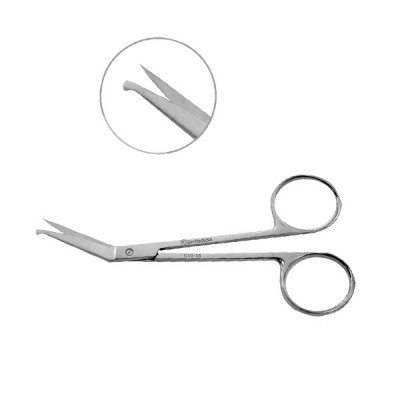
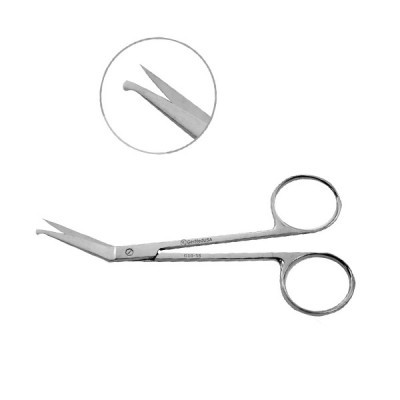
Angular Scissor
Drug Name
: NA
Drug Role
: Cutting Tissue
NA
No
Ceritifcations:










Please login / register to buy or to get detailed information of the product
SKU:
Stock Available:
Batch / Lot. No:
Shelf life:
Manufacturing Date:
-
Expiry Date:
-
Minimum Pack Size:
Minimum Order Qty:
1
Pharma Categories:
Surgical Instruments
Product Form:
Scissors
Category:
Instruments
Group:
N/A
Type:
Veterinary Instrument
Material:
Stainless Steel
Tags
HSN Code:
9018
HS Code:
9018.39
Country of Origin:
India
TAX:
5%
Qty per Piece:
Weight Of Each Piece(gm):
Piece Dimensions (L×W×H):
Qty per Buffer Box / Shrink Pack:
Weight of Buffer Box / Shrink Pack:
Buffer Dimensions (L×W×H):
Total Qty per Case:
Total Weight per Case:
Case Dimensions (L×W×H):
Weight / Volume:
Dimensions:
Inhouse product
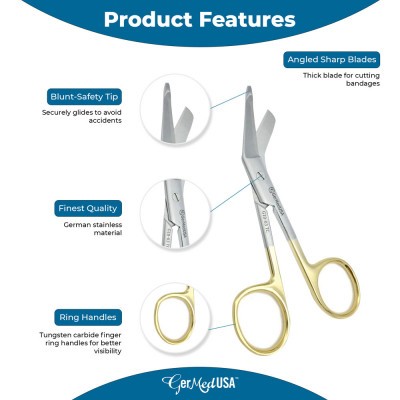
Angular scissors are surgical scissors designed with angled blades that allow for precise cutting in hard-to-reach areas. The angled design helps surgeons navigate around tissues and structures without obstructing the line of sight, offering better access during delicate procedures.
• Length: Typically 12 cm to 18 cm (4.7” to 7”)
• Blade: Angled, sharp cutting edges
• Handle: Ring handles, ergonomic design for controlled cutting
• Tip: Can be pointed or blunt depending on use
• Small: ~12 cm
• Medium: 15 cm
• Large: 18 cm
• Angled curved blades (most common)
• Angled straight blades (less common)
• Variations with blunt or sharp tips
• High-grade surgical stainless steel (SS 304 or SS 316L)
• Titanium options for lightweight, corrosion resistance
• Surgical Instruments > Scissors > Angular Scissors
• Reusable, single-piece instrument
• Cutting delicate tissues in surgery
• Dissecting tissues around corners or tight spaces
• Trimming sutures or dressings
• Used in ENT, plastic, general, and microsurgery
• Improved visibility and access due to angled blades
• Precise and clean cuts
• Durable and easy to sterilize
• Ergonomic for comfort during long procedures
• Requires skill to avoid accidental tissue damage
• Not suitable for cutting heavy or tough tissue
• Angled design may be awkward for beginners
• Sterilize before and after every use
• Use appropriate size and blade type for procedure
• Handle carefully to maintain blade sharpness
• Inspect regularly for blade integrity
• HS Code: 9018.39 (Medical/surgical instruments)
• HSN Code (India): 9018
• Use with sterile gloves
• Store in instrument trays after cleaning and sterilization
• Avoid dropping or bending the blades
• Autoclave at 121°C for 15-20 minutes recommended
• Chemical sterilization possible if necessary
• Thorough cleaning before sterilization essential
• Used in surgeries requiring precise cutting in tight or angled areas
• ENT, plastic, reconstructive, and general surgeries
• Ideal for delicate tissue dissection and trimming
• Animal surgeries needing precision cutting in difficult spots
• Used in soft tissue surgery for pets and livestock
• Helps navigate animal anatomy with better access in tight areas
Q1: Are angular scissors reusable?
A: Yes, designed for sterilization and multiple uses.
Q2: Can angular scissors cut tough tissue?
A: No, better suited for delicate or medium tissues.
Q3: What surgeries commonly use angular scissors?
A: ENT, plastic, reconstructive, and general surgeries.
Q4: How to sterilize angular scissors?
A: Autoclaving is preferred; chemical sterilization if needed.
Q5: Can angular scissors be used in veterinary surgeries?
A: Absolutely, widely used in veterinary soft tissue surgeries.
Secure Transaction
100% secure payment
Top Brand
Trusted quality
Non Return
Due to hygiene