 +91 88281
11034
+91 88281
11034
 Need Help?



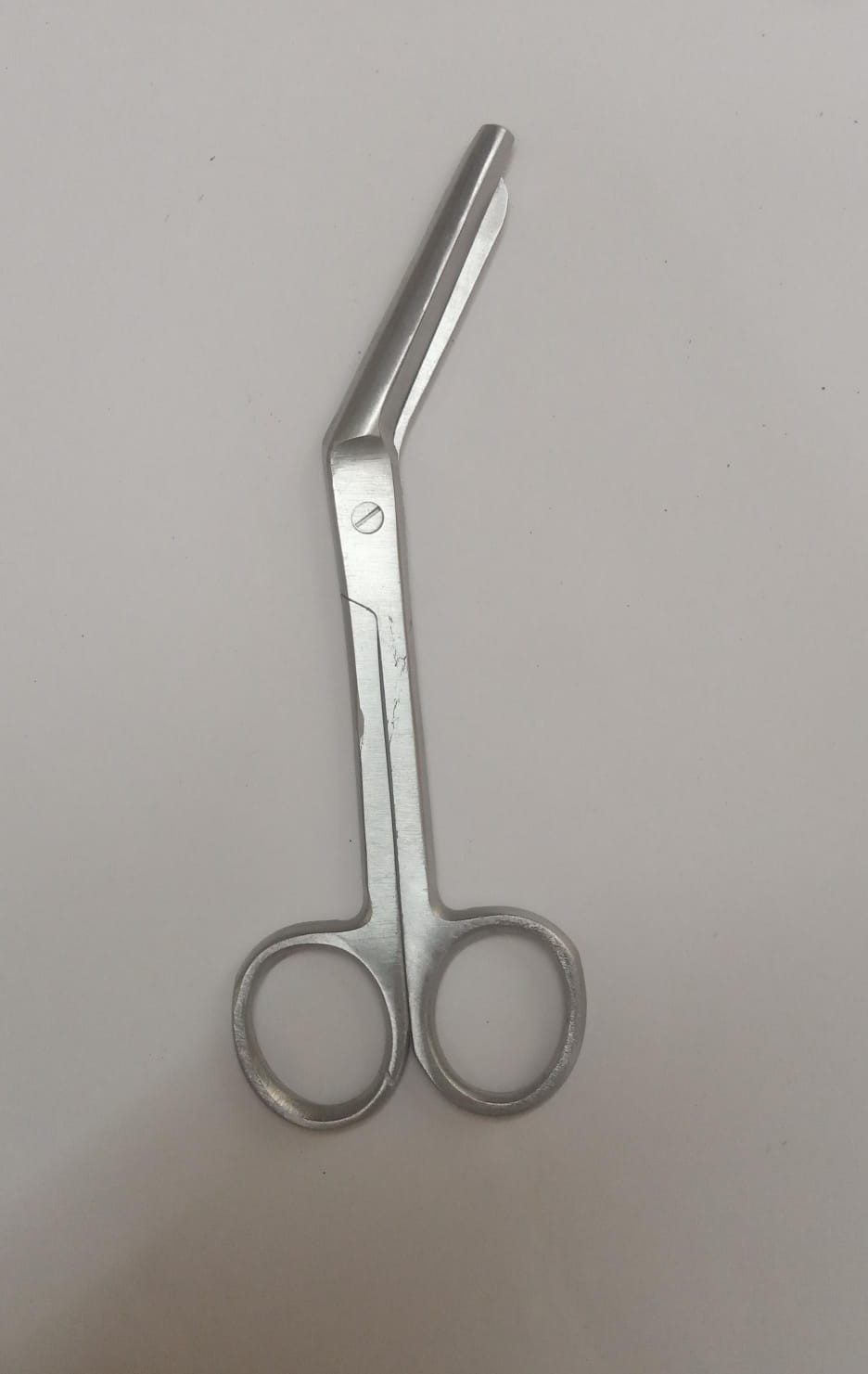
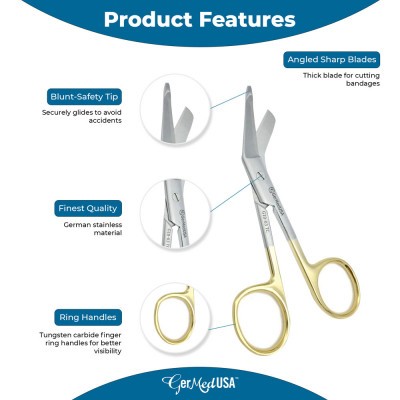
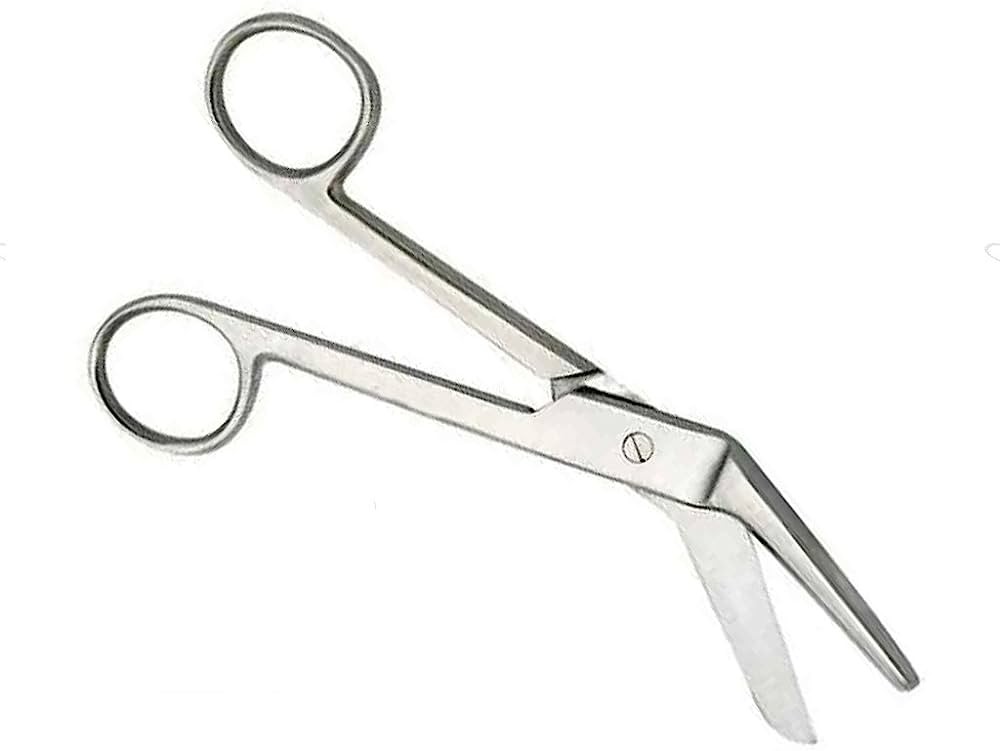
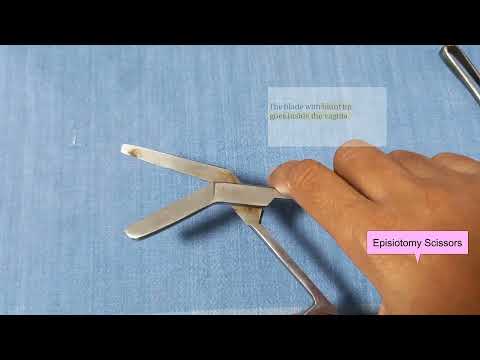
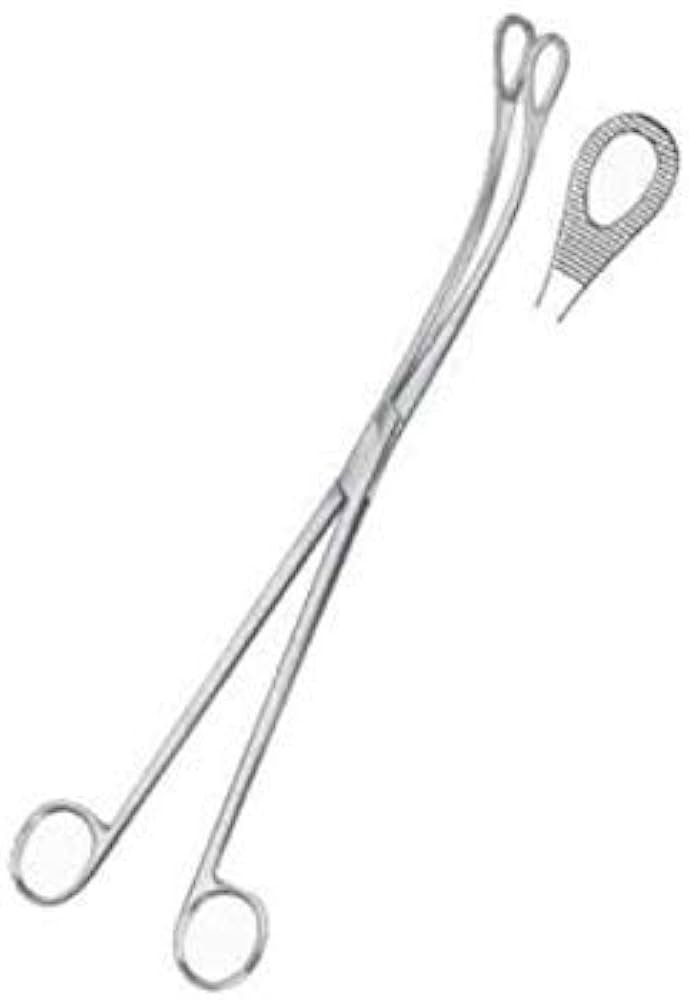
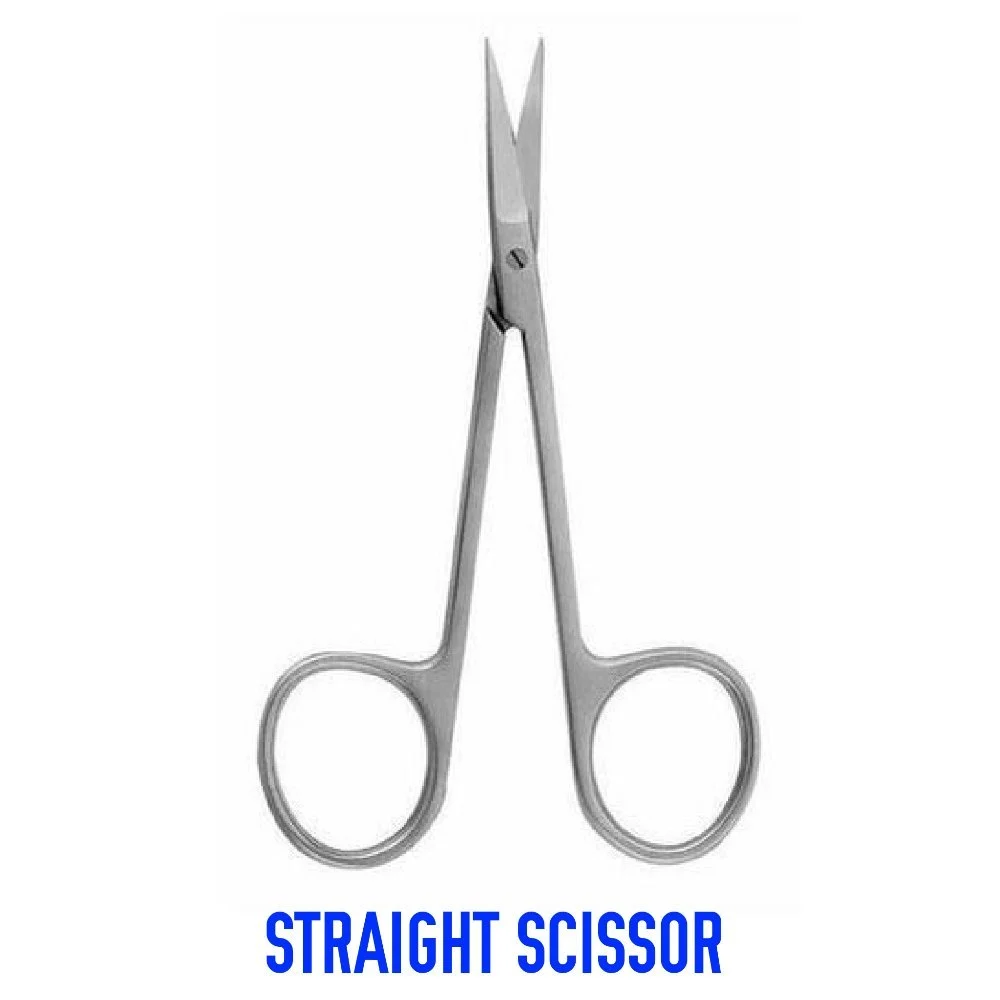
Episiotomy / Epistomy Scissor
Drug Name
: NA
Drug Role
: Obstetrical Procedures
NA
No
Ceritifcations:









Please login / register to buy or to get detailed information of the product
SKU:
Stock Available:
Batch / Lot. No:
Shelf life:
Manufacturing Date:
-
Expiry Date:
-
Minimum Pack Size:
Minimum Order Qty:
1
Pharma Categories:
Obstetrics & Gynaecology Instruments
Product Form:
Scissors
Category:
Instruments
Group:
N/A
Type:
Obstetrical Surgical Instrument
Material:
SS
Tags
HSN Code:
9018.90
HS Code:
9018.90.30
Country of Origin:
Imported
TAX:
5%
Qty per Piece:
Weight Of Each Piece(gm):
Piece Dimensions (L×W×H):
Qty per Buffer Box / Shrink Pack:
Weight of Buffer Box / Shrink Pack:
Buffer Dimensions (L×W×H):
Total Qty per Case:
Total Weight per Case:
Case Dimensions (L×W×H):
Weight / Volume:
Dimensions:
Inhouse product
Albendazole I.P. 3.0 g Bolus is a high-strength, broad-spectrum anthelmintic formulation for large ruminants. It is used to control gastrointestinal and pulmonary nematodes, cestodes (tapeworms), and adult and immature liver flukes (trematodes). This bolus provides single-dose deworming in cattle and buffalo, particularly effective in moderate-to-heavy parasite burdens or fluke infestations.
Composition per bolus:
• Albendazole I.P. – 3000 mg (3.0 g)
• Excipients – q.s.
Excipients may include: Starch, microcrystalline cellulose, lactose, magnesium stearate, disintegrants, and other pharmaceutically approved substances, all conforming to I.P. or equivalent veterinary grade.
Dosage Form: Solid oral bolus — intended for large animal use
Appearance: Large, oblong bolus; white to cream colour; smooth surface; may be embossed depending on branding
Pharmacological Class:
• Anthelmintic (Benzimidazole derivative)
Therapeutic Use: Single-dose oral dewormer for treatment of mixed parasitic infestations in large animals
For the treatment and control of:
• Roundworms (Nematodes): Haemonchus, Trichostrongylus, Cooperia, Ostertagia, Bunostomum, Oesophagostomum, Nematodirus
• Lungworms: Dictyocaulus spp.
• Tapeworms (Cestodes): Moniezia spp.
• Liver Flukes (Trematodes): Fasciola hepatica (adult and immature stages)
• Effective in mature and immature helminths, including larval stages
• Dosage Form: Veterinary Oral Bolus
• Pack Size: 1 × 1 bolus (1 bolus per strip/blister)
• Outer Pack Size: 10 strips per box (optional, manufacturer-defined)
• Target Species: Cattle, Buffalo, Large Ruminants
Route: Oral
Recommended Dosage:
• Cattle / Buffalo (Large Animals): 1 bolus per 600–750 kg body weight
• Adjust based on body weight, age, and infection severity
• Administer with bolus gun or manually; ensure complete swallowing
Always administer under guidance of a licensed veterinarian.
• High-potency single-dose treatment for heavy worm and fluke infestations
• Effective against both adult and larval stages of helminths
• Improves growth rate, milk yield, and feed conversion
• Can be integrated into seasonal or rotational deworming programs
• Suitable for strategic herd-level deworming
Generally well tolerated. Rare adverse effects may include:
• Mild, temporary gastrointestinal upset
• Reduced feed intake post-treatment
• Teratogenicity if used during early pregnancy
• Hypersensitivity reactions (rare)
• Do not use in pregnant animals during the first trimester (first 45 days)
• Avoid use in debilitated or severely dehydrated animals without prior veterinary assessment
• Ensure accurate weight-based dosing to prevent under/overdosing
• Use as part of strategic resistance management with rotation of dewormer classes
• Wear gloves while administering
• Wash hands thoroughly after handling
• Do not crush, break, or chew bolus
• Dispose of packaging and unused product responsibly
Q: What is the main function of Albendazole in livestock?
A: Albendazole is an oral dewormer used to eliminate a broad range of parasites — including worms, flukes, and tapeworms.
Q: Is this bolus safe in pregnant animals?
A: Not during the first trimester. Safe in later stages only under veterinary guidance.
Q: How often should this high-strength 3g bolus be used?
A: As per strategic deworming schedules, typically every 3–6 months, or based on faecal analysis.
Q: What is the difference between the 1.5g and 3.0g Albendazole boluses?
A: The 3.0g bolus is higher strength, intended for heavier animals or more severe infestations. Fewer boluses are needed per dose.
Secure Transaction
100% secure payment
Top Brand
Trusted quality
Non Return
Due to hygiene