 +91 88281
11034
+91 88281
11034
 Need Help?




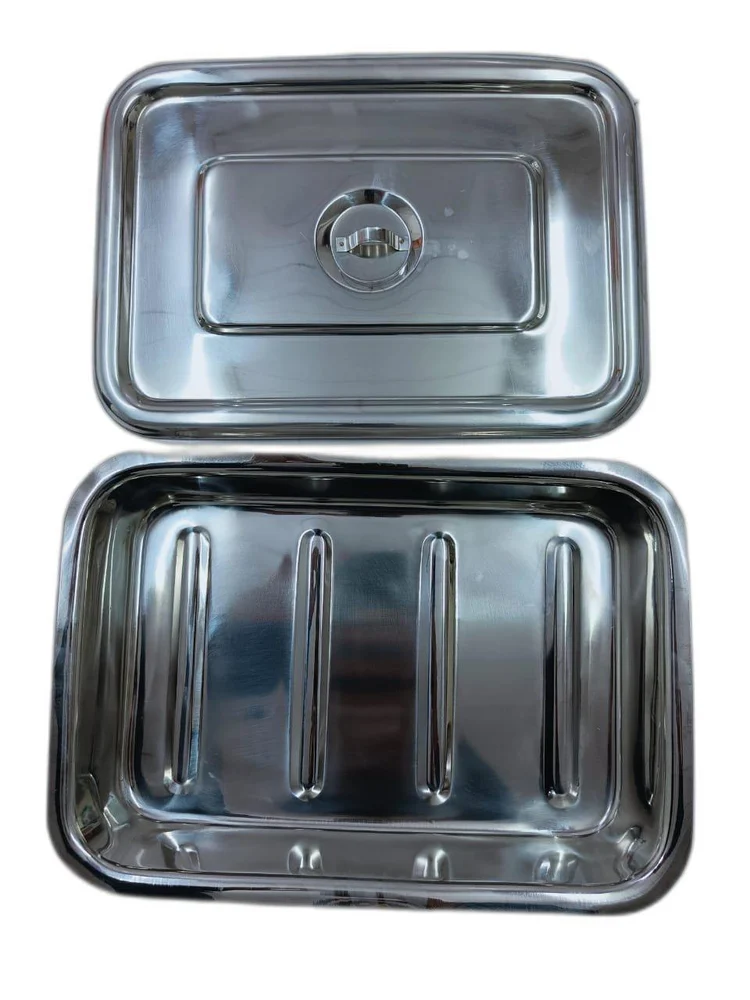
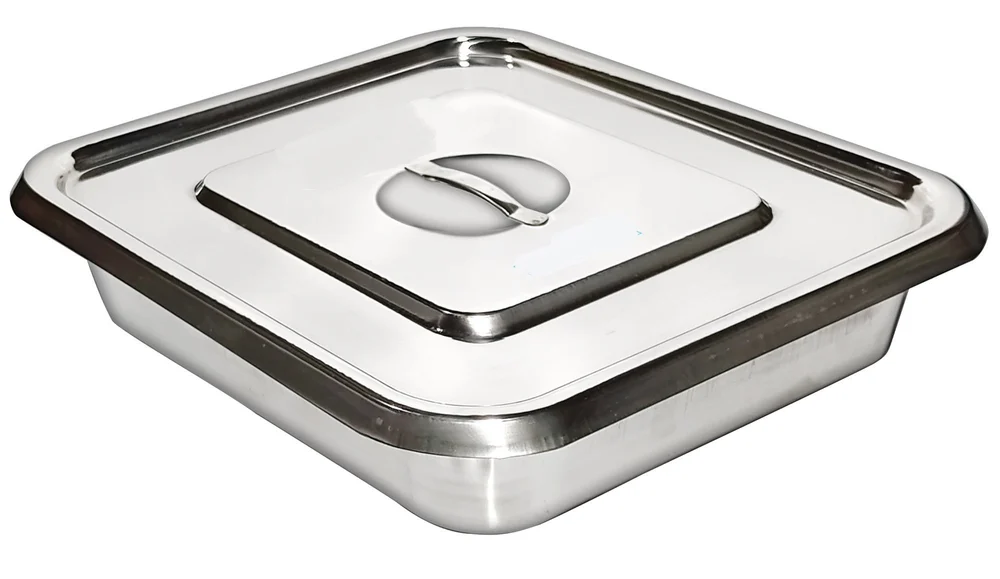
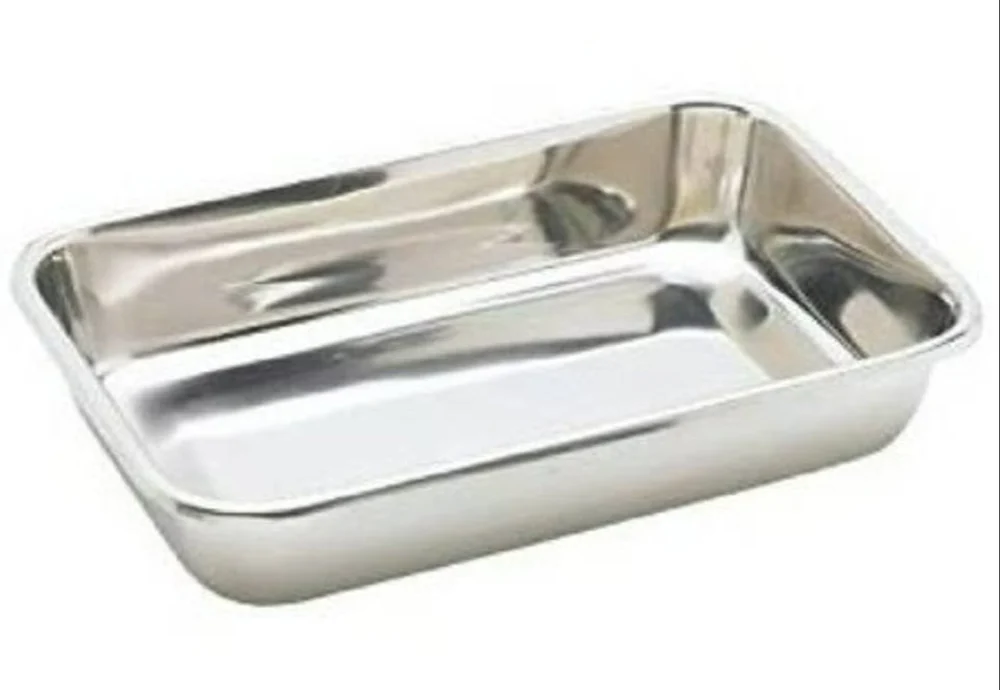
MVA Tray
Drug Name
: NA
Drug Role
: The MVA (Manual Vacuum Aspiration) Tray with Lid is a specialized surgical instrument tray designed for the collection and storage of surgical instruments during procedures
NA
No
Ceritifcations:










Please login / register to buy or to get detailed information of the product
SKU:
Stock Available:
Batch / Lot. No:
Shelf life:
Manufacturing Date:
-
Expiry Date:
-
Minimum Pack Size:
Minimum Order Qty:
1
Product Form:
• Individual Tray: Single unit for standalone procedures
Category:
Human
Group:
N/A
Type:
• Standard MVA Tray: Basic tray with lid for general surgical use.
Material:
• Stainless Steel (SS304/316): Preferred for its non-reactivity, strength, and resistance to corrosion.
HSN Code:
90189099
HS Code:
90189099
Country of Origin:
India
TAX:
5%
Qty per Piece:
Weight Of Each Piece(gm):
Piece Dimensions (L×W×H):
Qty per Buffer Box / Shrink Pack:
Weight of Buffer Box / Shrink Pack:
Buffer Dimensions (L×W×H):
Total Qty per Case:
Total Weight per Case:
Case Dimensions (L×W×H):
Weight / Volume:
Dimensions:
Inhouse product
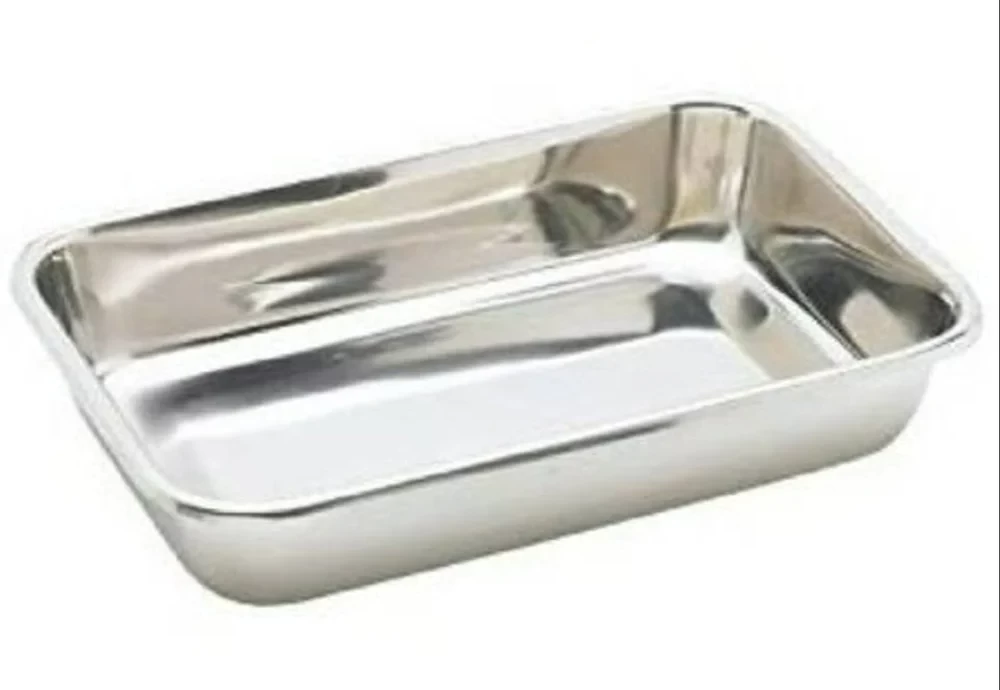
The MVA (Manual Vacuum Aspiration) Tray with Lid is a specialized surgical instrument tray designed for the collection and storage of surgical instruments during procedures. It ensures sterility, organization, and ease of access, making it indispensable in both human and veterinary surgical settings.
The MVA (Manual Vacuum Aspiration) Tray Without Lid is a durable and reliable surgical instrument tray designed to hold and organize instruments during medical and veterinary procedures. Its open design allows for quick access and easy handling during surgeries
With lid :
• Material: High-quality stainless steel (SS304 or SS316) for durability and corrosion resistance.
• Dimensions: Varies based on model; common sizes include 15" x 10" x 1.5" (38 x 25 x 3.8 cm).
• Shape: Rectangular with a flat base and raised edges to prevent spillage.
• Lid: Fitted lid with a secure latch to maintain sterility.
• Finish: Mirror or satin finish for easy cleaning and aesthetic appeal.
Without lid :
• Material: High-quality stainless steel (SS304 or SS316) ensuring strength and corrosion resistance.
• Dimensions: Common sizes include 15" x 10" x 1.5" (38 x 25 x 3.8 cm), but custom sizes available.
• Shape: Rectangular with flat base and raised edges to prevent instrument slipping.
• Finish: Mirror or satin finish for easy cleaning and professional look.
With lid :
• Standard MVA Tray: Basic tray with lid for general surgical use.
• Perforated MVA Tray: Features holes for drainage and ventilation, suitable for procedures requiring fluid removal.
• Stackable MVA Tray: Designed for compact storage and easy stacking during sterilization.
Without Lid :
• Standard MVA Tray Without Lid: Basic open tray for general surgical use.
• Perforated Tray: Features drainage holes, ideal for procedures involving fluids.
• Stackable Tray: Designed for efficient stacking and storage.
With lid :
• Individual Tray: Single unit for standalone procedures.
• Tray Set: Includes multiple trays with varying sizes for different surgical needs.
Withou lid :
• Individual Tray: Single unit for specific procedures.
• Tray Set: Multiple trays for diverse surgical needs.
With lid :
• Stainless Steel (SS304/316): Preferred for its non-reactivity, strength, and resistance to corrosion.
• Plastic (for disposable variants): Used in single-use trays to reduce cross-contamination risks.
Without Lid :
• Stainless Steel (SS304/316): Robust, corrosion-resistant, and easy to sterilize.
• Plastic (Disposable variants): For single-use applications to minimize infection risk.
With lid :
• Medical Instruments: Classified under surgical instrument trays.
• Veterinary Instruments: Used in animal surgeries and procedures.
Without Lid :
• Medical Instruments: Surgical instrument trays.
• Veterinary Instruments: For animal surgical procedures.
With Lid :
• Human Application: Utilized in gynaecological, obstetric, and other surgical procedures requiring aspiration.
• Veterinary Application: Employed in animal surgeries, particularly in reproductive procedures.
Without Lid :
With Lid :
• Durability: Long-lasting with proper care.
• Sterility Maintenance: Lid ensures instruments remain sterile until use.
• Organization: Keeps instruments neatly arranged for efficient procedures.
Without Lid :
• Quick Access: Open design enables rapid instrument retrieval.
• Durability: Stainless steel construction ensures long service life.
• Lightweight: Compared to lidded trays, easier to handle during procedures.
With Lid :
• Weight: Metal trays can be heavier compared to plastic alternatives.
• Cost: Higher initial investment, especially for stainless steel variants.
Without Lid :
• Sterility Risk: Without a lid, instruments are more exposed to contamination.
• Storage Limitations: Less secure during transport or storage compared to lidded trays.
With Lid :
• Cleaning: Regularly clean and sterilize to prevent contamination.
• Inspection: Check for any dents or damage that could compromise sterility.
• Storage: Store in a dry, clean environment to maintain integrity.
Without Lid :
• Handling: Avoid exposure to dust and contaminants when not in use.
• Cleaning: Sterilize thoroughly after every use.
• Storage: Store in clean, dry conditions to prevent corrosion.
With Lid :
• HSN Code: 90189099 – Other instruments and appliances used in medical, surgical, dental, or veterinary sciences.
Without Lid :
• HS Code : 9018.90
• HSN Code: 90189099 – Instruments and appliances used in medical, surgical, dental, or veterinary sciences.
With Lid :
• Methods:
o Autoclaving: Preferred method for stainless steel trays.
o Chemical Sterilization: For plastic variants or when autoclaving isn't feasible.
• Frequency: After each use to ensure complete sterility.
Without id :
• Methods:
o Autoclaving recommended for stainless steel trays.
o Chemical sterilization for plastic versions or if autoclaving not possible.
• Frequency: After every use to maintain sterility.
With Lid :
• Utilized in gynaecological, obstetric, and other surgical procedures requiring aspiration.
• Used in hospitals and clinics for procedures requiring aspiration.
Without Lid :
• Used in hospitals and clinics for various surgical and gynaecological procedures.
• Provides organized access to instruments during aspiration surgeries.
With Lid :
• Employed in animal surgeries, particularly in reproductive procedures.
• Used in animal clinics and hospitals, especially for reproductive surgeries.
Without Lid :
• Commonly used in veterinary clinics during surgeries, especially reproductive ones.
• Facilitates easy handling of surgical tools in animal procedures.
With Lid :
1. Can the MVA tray be used for both human and veterinary procedures?
Yes, with proper sterilization and size considerations.
2. Is the tray autoclavable?
Stainless steel trays are autoclavable; plastic variants may not be.
3. What sizes are available?
Common sizes include 15" x 10" x 1.5", but custom sizes can be manufactured.
4. How do I maintain the tray?
Regular cleaning, proper sterilization, and safe storage are essential.
5. Are disposable versions available?
Yes, plastic disposable trays are available for single-use applications to reduce cross-contamination risks.
Without Lid :
1. Can the MVA tray without lid be used for veterinary procedures? Yes, with proper sterilization and care.
2. Is this tray suitable for all surgical instruments? It is designed for manual vacuum aspiration instruments but can hold other small tools as well.
3. What sizes are available? Standard sizes include 15" x 10" x 1.5", custom sizes available on request.
4. How do I ensure sterility without a lid? Sterilize immediately after use and keep in sterile wraps or containers.
5. Are disposable versions available? Yes, plastic disposable trays are offered for single-use to reduce contamination risk.
Secure Transaction
100% secure payment
Top Brand
Trusted quality
Non Return
Due to hygiene