 +91 88281
11034
+91 88281
11034
 Need Help?




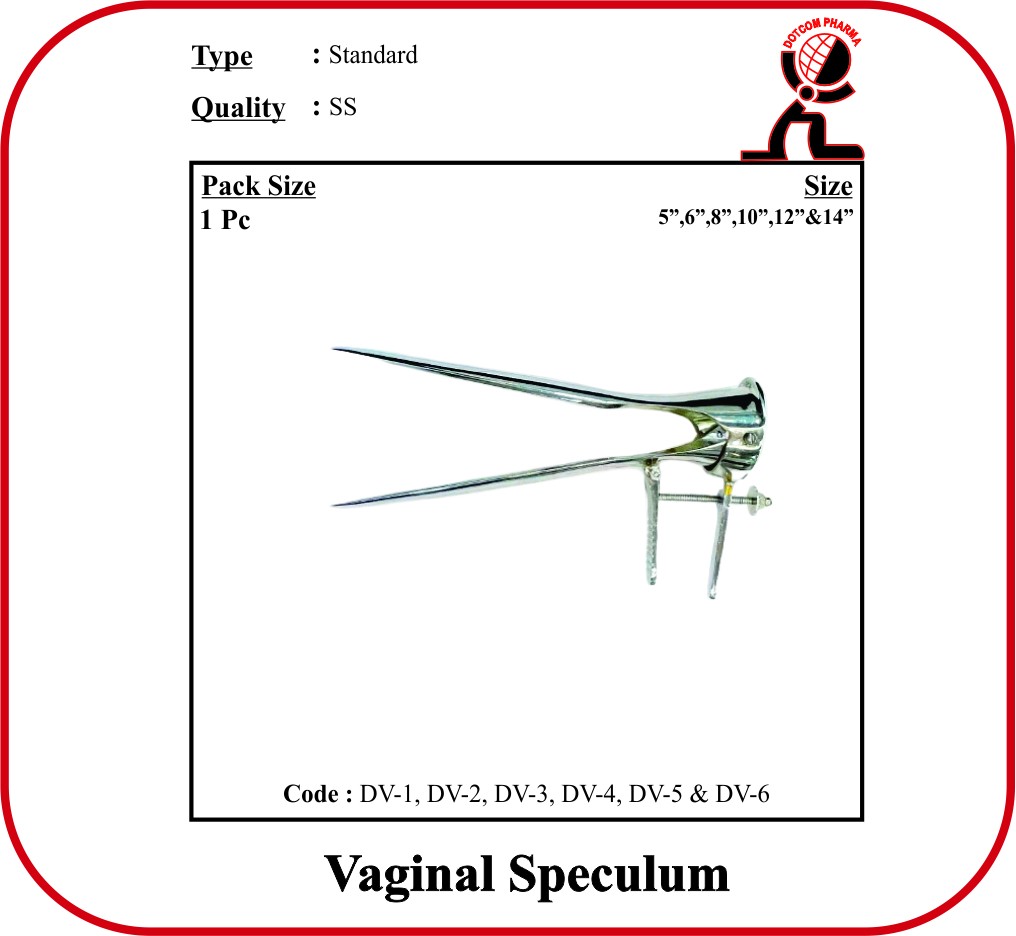
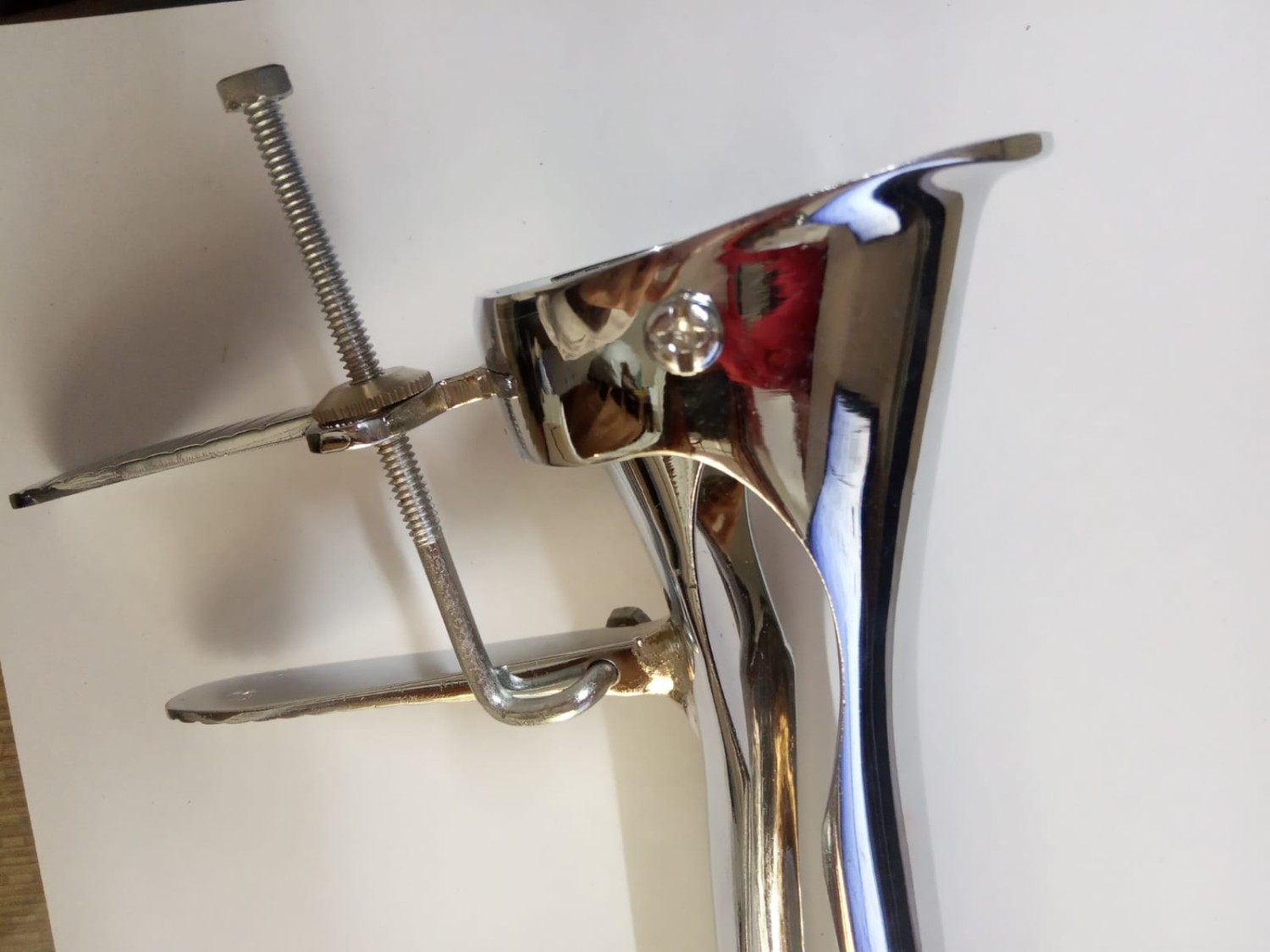
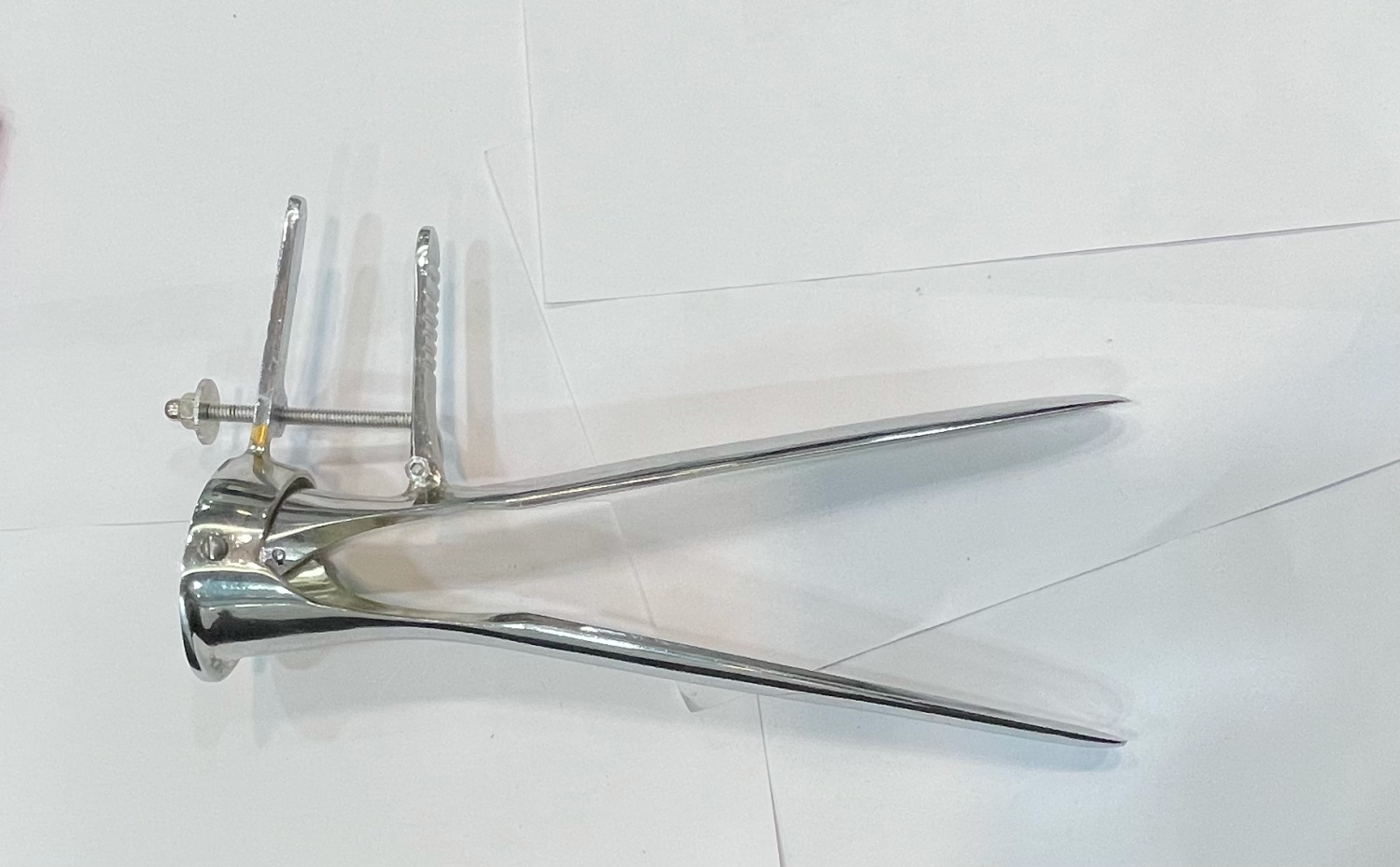
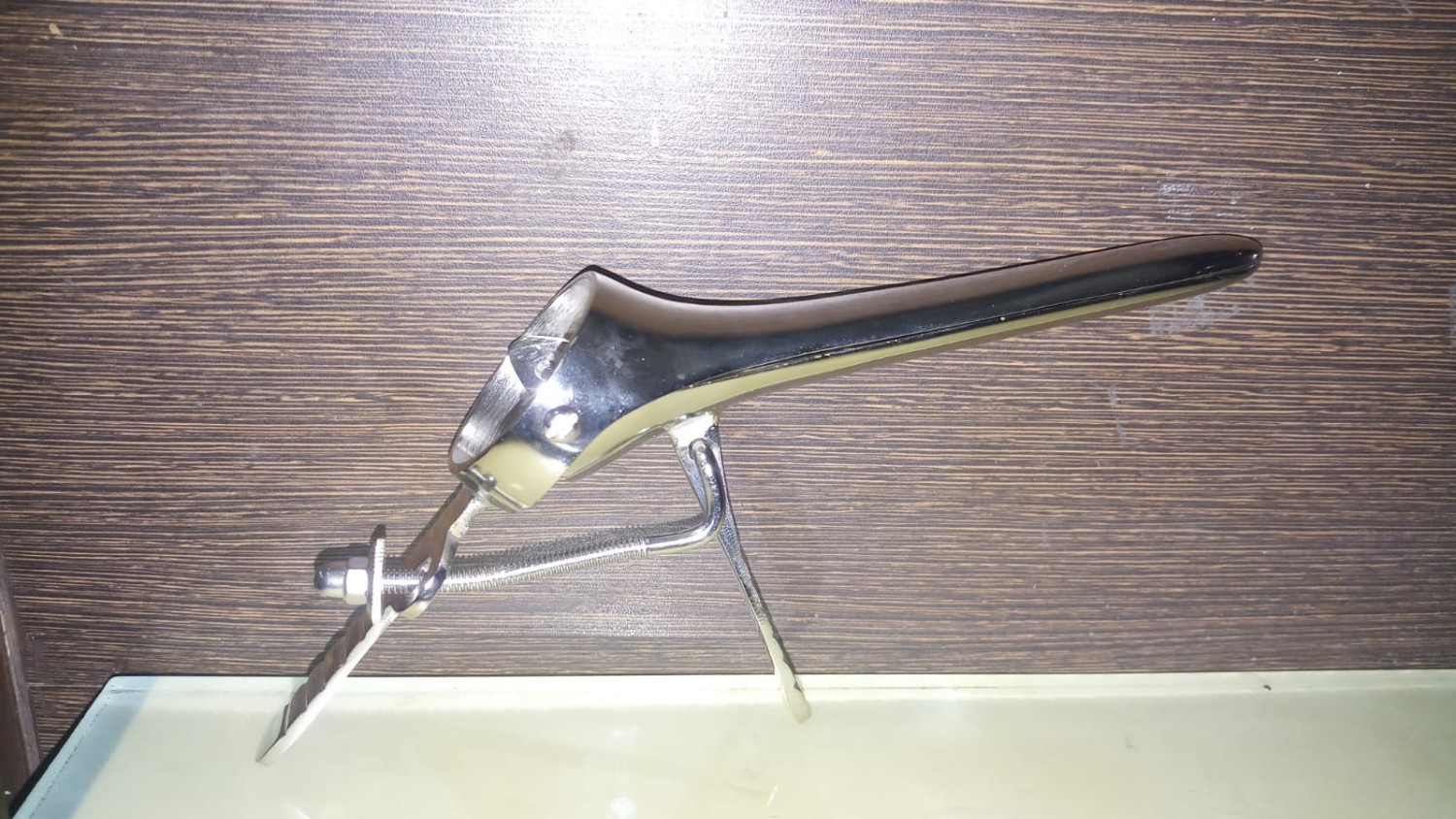
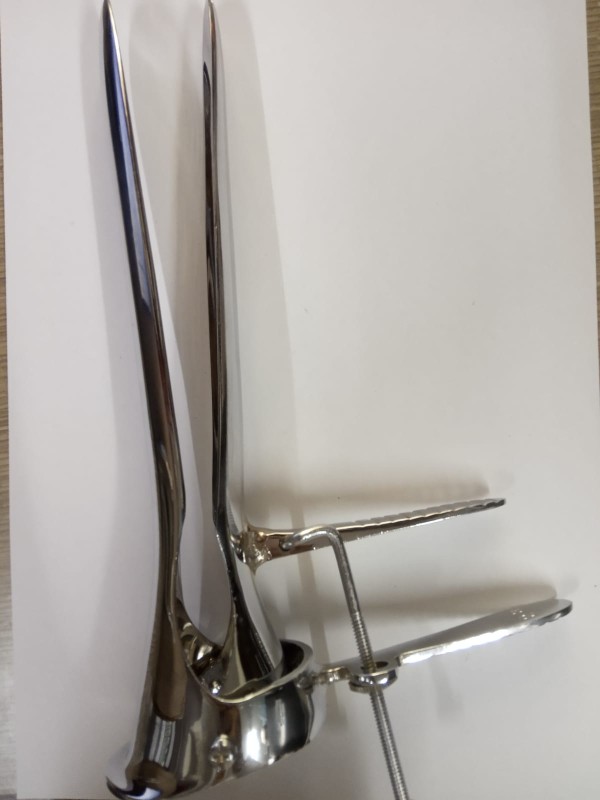
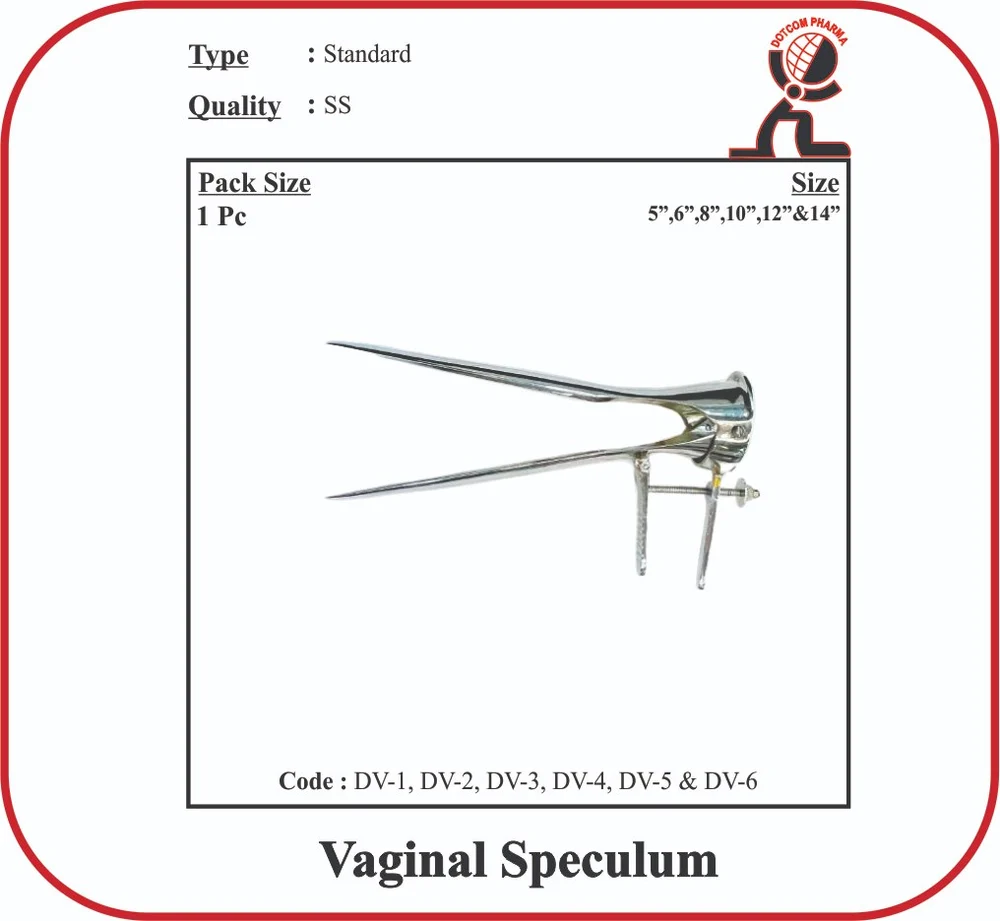
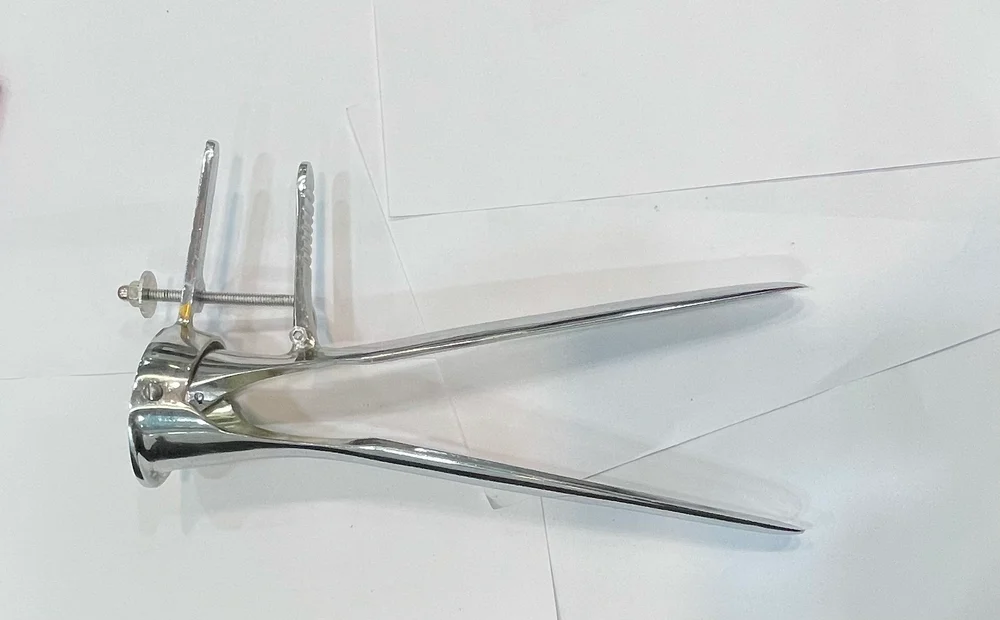
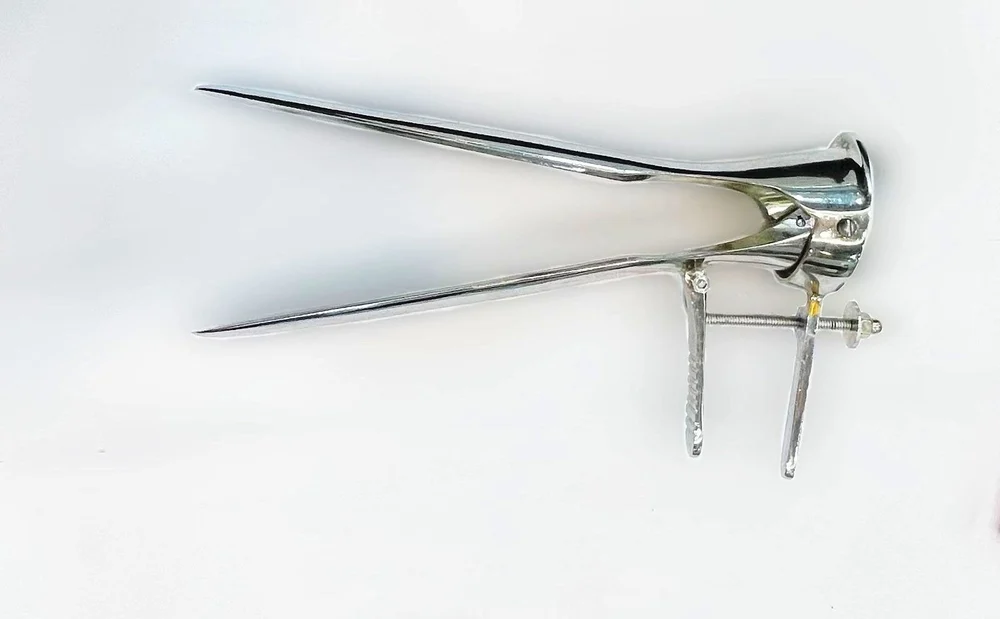
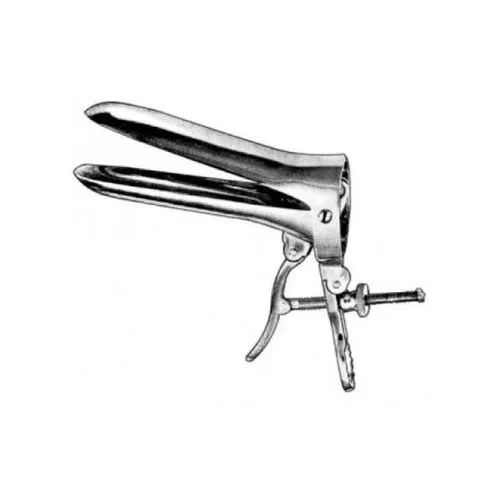
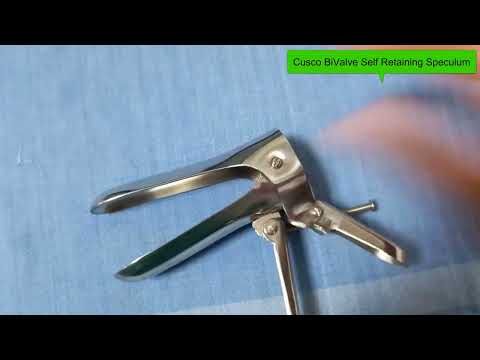
Vaginal Speculum
Drug Name
: NA
Drug Role
: A Vaginal Speculum is used in gynaecology to allowing visual and It plays a key role in Pap smears, IUD insertions, colposcopy, and biopsies.
NA
No
Ceritifcations:










Please login / register to buy or to get detailed information of the product
SKU:
Stock Available:
Batch / Lot. No:
Shelf life:
Manufacturing Date:
-
Expiry Date:
-
Minimum Pack Size:
Minimum Order Qty:
1
Pharma Categories:
• OB/GYN Instruments • Diagnostic Gynaecology Tools
Product Form:
• Form: Scissor-like with screw or ratchet lock mechanism
Category:
Veterinary
Group:
N/A
Type:
• Graves Speculum: Broad blades, used in general gynaecology
Material:
o Medical/Surgical grade stainless steel (SS 304/316)
HSN Code:
9018.90.99
HS Code:
9018.90
Country of Origin:
India
TAX:
5%
Qty per Piece:
Weight Of Each Piece(gm):
Piece Dimensions (L×W×H):
Qty per Buffer Box / Shrink Pack:
Weight of Buffer Box / Shrink Pack:
Buffer Dimensions (L×W×H):
Total Qty per Case:
Total Weight per Case:
Case Dimensions (L×W×H):
Weight / Volume:
Dimensions:
Inhouse product
A Vaginal Speculum is a medical instrument used in gynaecology to dilate the vaginal canal, allowing visual and physical access to the cervix and vagina during examinations, diagnostics, and minor procedures. It plays a key role in Pap smears, IUD insertions, colposcopy, and biopsies. Available in multiple sizes, it allows selection based on patient anatomy (nulliparous, multiparous, or postmenopausal) or clinical requirement.
• Sizes Available: 4, 5, 6, 8, 10, 12, 14
• Type: Bivalve or Duckbill
• Design: Adjustable screw or ratchet lock
• Blades: Smooth, rounded ends for patient comfort
• Opening Mechanism: Self-retaining or manual
• Sterilization: Autoclavable (metal), Pre-sterilized (plastic)
• Usage: Reusable (SS) or Disposable (plastic/polymer)
Size Blade Width (mm) Blade Length (mm) Patient Type / Use
4 18–20 mm 75–80 mm Paediatric / Narrow vaginal canal
5 20–22 mm 85 mm Small-framed adults / Virginal use
6 22–24 mm 90 mm Average nulliparous woman
8 24–26 mm 95 mm Multiparous / General adult use
10 26–28 mm 100 mm Postnatal or slight prolapse cases
12 28–30 mm 105 mm Advanced gynaecological procedures
14 30–32 mm 110–115 mm Obese patients / Surgical access
Measurements may slightly vary based on manufacturer.
• Graves Speculum: Broad blades, used in general gynaecology
• Cusco's Speculum: Self-retaining bivalve; popular in clinics
• Pederson Speculum: Narrow blades; ideal for virginal or elderly patients
• Sims Speculum: Single-blade, non-self-retaining; used with retractor
• Disposable Speculum: Made from transparent medical-grade plastic
• Reusable:
o Medical/Surgical grade stainless steel (SS 304/316)
o Corrosion-resistant, autoclavable
• Disposable:
o BPA-free, transparent medical-grade plastic (polycarbonate)
o Individually packed and pre-sterilized
• OB/GYN Instruments
• Diagnostic Gynaecology Tools
• Outpatient & Surgical Examination Instruments
• Form: Scissor-like with screw or ratchet lock mechanism
• Blade Design: Smooth, rounded, and atraumatic
• Control: Finger rings or thumb press (on disposable units)
• Routine pelvic exams
• Visual inspection of cervix
• Papanicolaou (Pap) smear testing
• IUD insertion and removal/ Vaginal cervical swab collection
• Colposcopy and cervical biopsy
• Multiple sizes ensure accurate patient fit
• Reusable options are durable and cost-effective
• Disposable models eliminate cross-contamination risk
• Adjustable opening for customizable access
• Stainless steel offers long shelf-life and high heat resistance
• Improper size may cause patient discomfort
• Cold metal may cause unease (unless pre-warmed)
• Overuse without lubrication may lead to mucosal injury
• Requires trained personnel to use properly
• Choose the right size based on patient history
• Lubricate properly to avoid mucosal trauma
• Pre-warm metal speculum for comfort
• Use sterilized instrument (or sealed disposable)
• Avoid overexpansion to prevent cervical trauma
• HS Code: 9018.90 – Instruments and appliances for medical or veterinary use
• HSN Code (India): 9018.90.99 – Other medical instruments (includes speculums)
Handling & Sterilization Details
o Clean thoroughly post-procedure with enzymatic detergent
o Sterilize via autoclave (121°C for 15–20 min) or EO gas
o Inspect lock and blade for damage before reuse
• Disposable (Plastic):
o Use one time only/ Discard in biohazard bin after use
• Used for canine, feline, bovine, and equine gynaecological exams
• Helps with vaginal cytology, AI procedures, and visual inspection
• Large-size specula (sizes 10–14) used in farm and large animal practices
• Critical for vaginal prolapse assessment and reproductive health checks
• Standard instrument for pelvic and cervical examinations
• Used across hospitals, clinics, and OB/GYN practices
• Critical in women’s health screenings such as cervical cancer detection
• Sizes vary to accommodate virginal, post-menopausal, pregnant, and obese patients
Q1: How do I choose the correct vaginal speculum size?
A1: It depends on the patient’s age, parity, anatomy, and purpose of exam. Sizes 4–6 for narrow
anatomy, 8–10 for general use, 12–14 for larger anatomy or surgical access.
Q2: What’s the difference between metal and plastic speculums?
A2: Metal is reusable and autoclavable; plastic is disposable, lightweight, and pre-sterilized.
Q3: Is it safe to use a speculum without lubrication?
A3: Lubrication is recommended to reduce discomfort and avoid mucosal injury.
Q4: Can veterinary speculums be reused?
A4: Yes, stainless steel versions are reusable and sterilizable, commonly used in animal clinics and
farms.
Q5: Are all speculums self-retaining?
A5: No. Cusco's are self-retaining, while Sims speculum requires an assistant or retractor.
Secure Transaction
100% secure payment
Top Brand
Trusted quality
Non Return
Due to hygiene