 +91 88281
11034
+91 88281
11034
 Need Help?




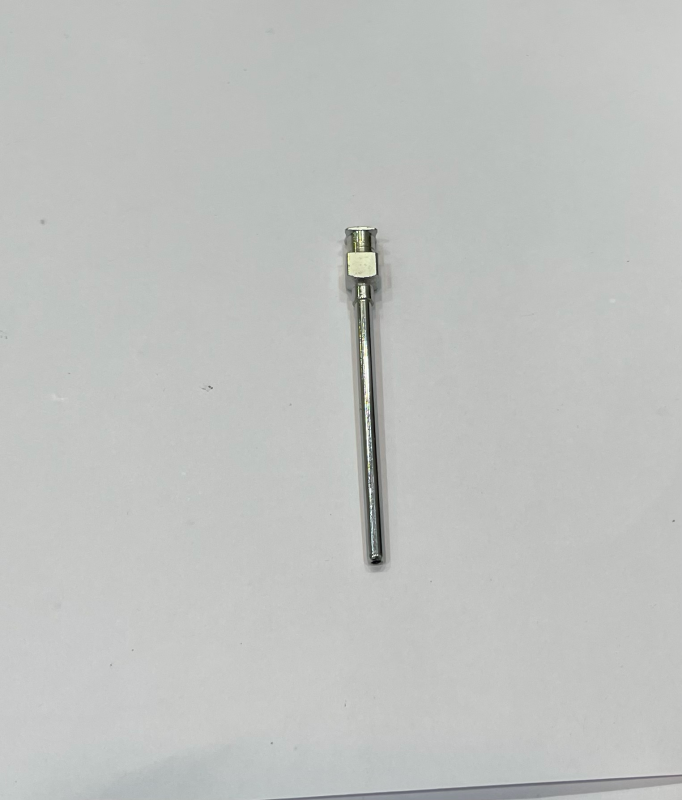
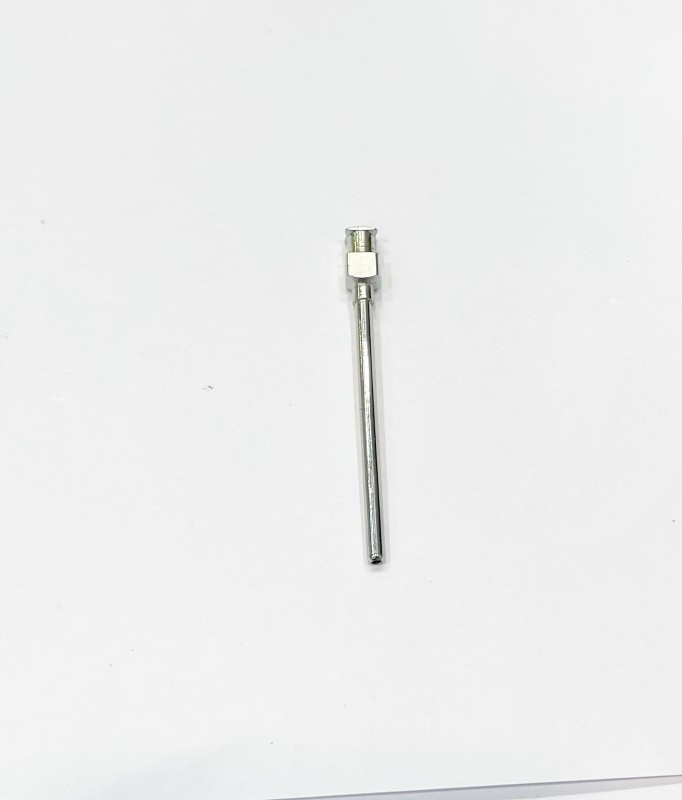
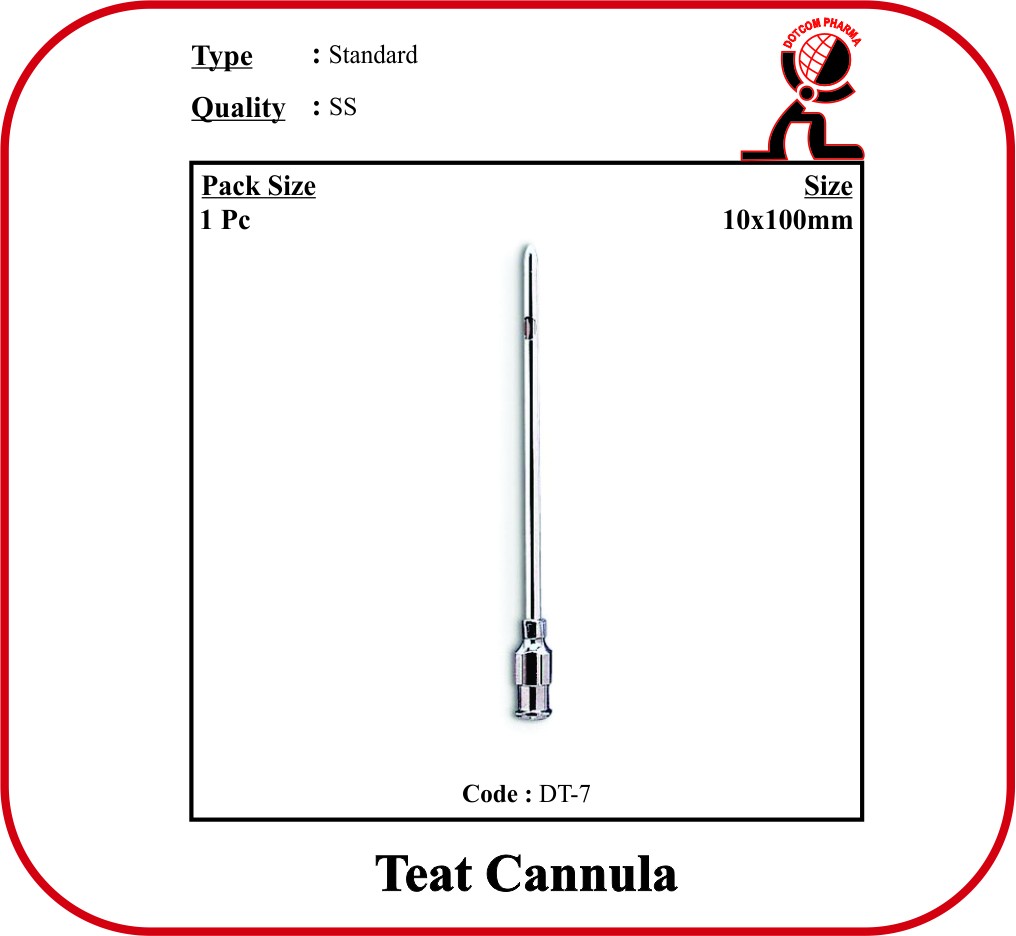
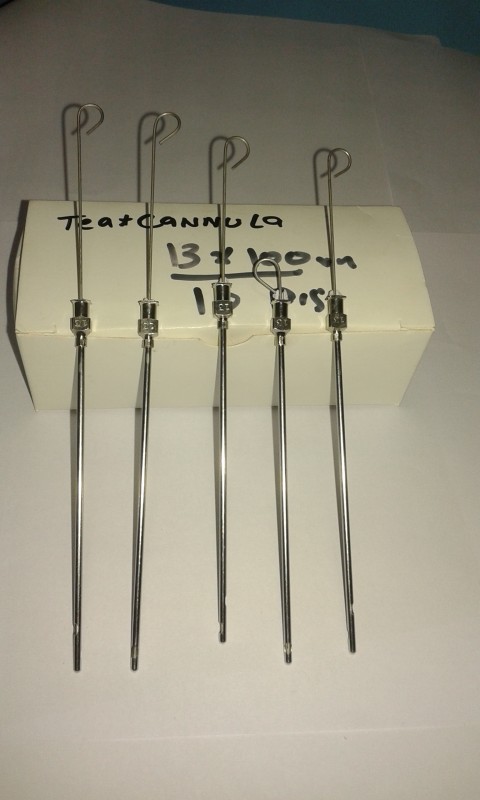
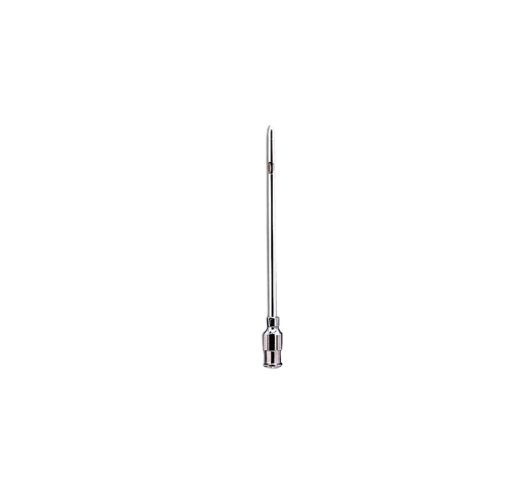
Teat Cannula
Drug Name
: NA
Drug Role
: A Teat Cannula is a slender, hollow, sterile tube designed to be temporarily inserted into the teat canal of dairy animals (such as cows and buffaloes) for medical or milking purposes , A Teat Cannula is a slender, hollow, sterile tube designed to be temp
NA
No
Ceritifcations:










Please login / register to buy or to get detailed information of the product
SKU:
Stock Available:
Batch / Lot. No:
Shelf life:
Manufacturing Date:
-
Expiry Date:
-
Minimum Pack Size:
Minimum Order Qty:
1
Pharma Categories:
• Category: Veterinary Surgical Instruments / Udder Care
Product Form:
• Product Form: Hollow tube instrument, sterile or non-sterile packaging
Category:
Veterinary
Group:
N/A
Type:
• Types: o Stainless steel (durable, reusable) o Plastic disposable (cost-effective, single-use)
Material:
• Material: Surgical-grade stainless steel or medical-grade plastic (polypropylene/nylon)
HSN Code:
9018.90.29
HS Code:
9018
Country of Origin:
Indian
TAX:
5%
Qty per Piece:
Weight Of Each Piece(gm):
Piece Dimensions (L×W×H):
Qty per Buffer Box / Shrink Pack:
Weight of Buffer Box / Shrink Pack:
Buffer Dimensions (L×W×H):
Total Qty per Case:
Total Weight per Case:
Case Dimensions (L×W×H):
Weight / Volume:
Dimensions:
Inhouse product
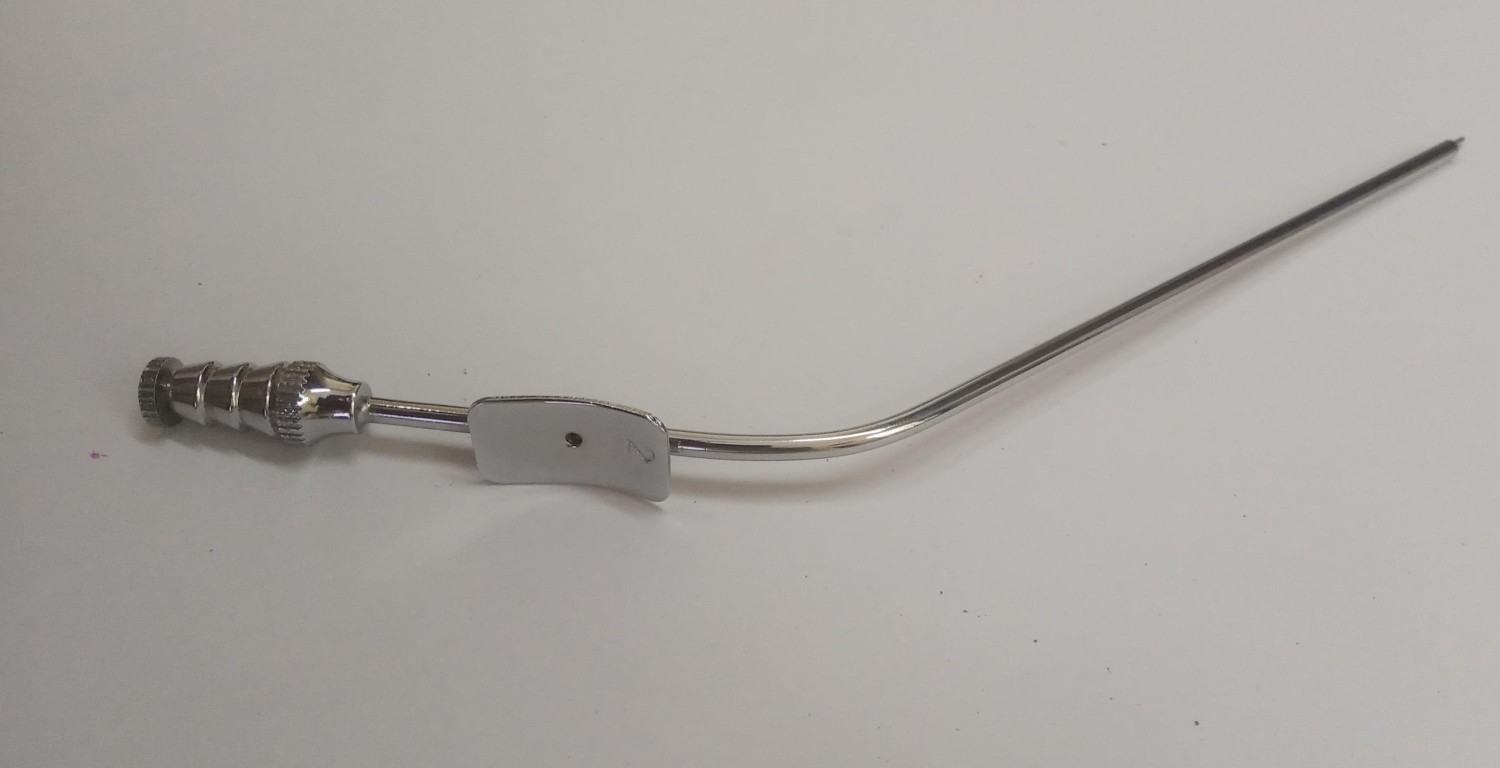
A Teat Cannula is a slender, hollow, sterile tube designed to be temporarily inserted into the teat canal of dairy animals (such as cows and buffaloes) for medical or milking purposes. It facilitates drainage, medication administration, or assists in relieving teat canal obstructions (like stenosis or inflammation). The device helps maintain patency of the teat canal during treatment of mastitis or other teat injuries. Made from surgical-grade stainless steel or medical-grade plastic, the cannula is designed to be gentle on tissue, minimizing trauma during insertion and use.
• Material: Surgical-grade stainless steel or medical-grade plastic (polypropylene/nylon)
• Length: Commonly ranges from 50 mm to 120 mm
• Diameter: Typically 3 mm to 6 mm (varies by animal size)
• Tip Design: Rounded or bevelled to ease insertion
• Hollow Channel: Allows fluid drainage or medication flow
• Sterility: Supplied sterile or non-sterile depending on manufacturer
• Reusability: Often reusable with proper sterilization (plastic usually single-use)
• Sizes: Small, medium, large depending on species and teat size
• Shapes: Straight cannula most common; some curved variants exist
• Types:
o Stainless steel (durable, reusable)
o Plastic disposable (cost-effective, single-use)
• Category: Veterinary Surgical Instruments / Udder Care
• Product Form: Hollow tube instrument, sterile or non-sterile packaging
• Usage:
o Insertion into teat canal to maintain drainage
o Treatment of mastitis and teat injuries
o Facilitation of milk flow during obstruction
o Veterinary clinics, farms, and dairy operations
• Minimally invasive aid for teat canal maintenance
• Reduces risk of infection by allowing medication access
• Durable when stainless steel; cost-effective when plastic
• Easy to insert and remove
• Supports quicker recovery from teat injuries
• Potential tissue irritation if improperly sized or inserted
• Plastic types are single-use, creating recurring costs
• Risk of infection if not sterilized correctly
• May cause discomfort if left in too long
• Use proper size for animal and teat size to avoid trauma
• Always sterilize reusable cannula before insertion
• Monitor insertion site for signs of infection or inflammation
• Avoid prolonged insertion beyond veterinary advice
• Handle with clean, gloved hands to maintain sterility
• Handling:
o Use sterile gloves and aseptic technique
o Inspect cannula before use for any damage
o Clean after use if reusable
• Sterilization:
o Stainless steel cannula: steam autoclave or chemical sterilization
o Plastic cannula: usually single-use, dispose after use
o Follow veterinary sterilization protocols
HS Code (International): 9018 HSN
Code (India): 9018.90.29
Classified under surgical instruments & appliances
• Human Use: Rare, not standard; primarily veterinary
• Veterinary Use:
o Widely used in dairy animals (cattle, buffaloes)
o Helps treat mastitis, teat injuries, and milking complications
Q1: Can teat cannulas be reused?
A: Stainless steel versions are reusable with proper sterilization; plastic versions are usually single-use.
Q2: How do I choose the correct size?
A: Size depends on the animal species and the diameter of its teat canal; consult a vet for precise sizing.
Q3: How long can a teat cannula be left inserted?
A: Only as long as prescribed by a veterinarian to avoid tissue irritation or infection.
Q4: Can teat cannulas help treat mastitis?
A: Yes, by allowing drainage and medication delivery directly into the teat canal.
Q5: Is the teat cannula painful for the animal?
A: When inserted correctly with proper size and technique, discomfort is minimal.
Secure Transaction
100% secure payment
Top Brand
Trusted quality
Non Return
Due to hygiene