 +91 88281
11034
+91 88281
11034
 Need Help?




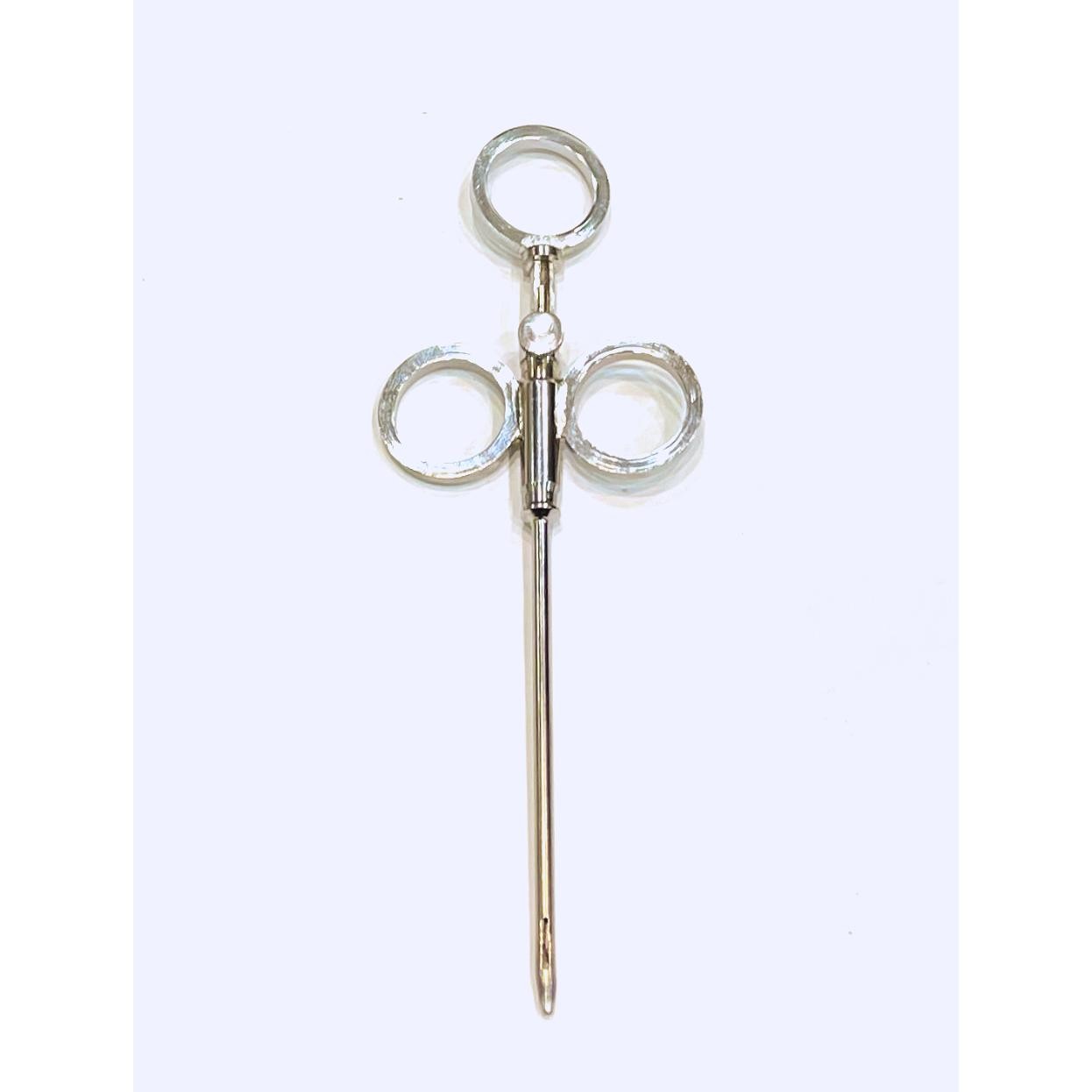
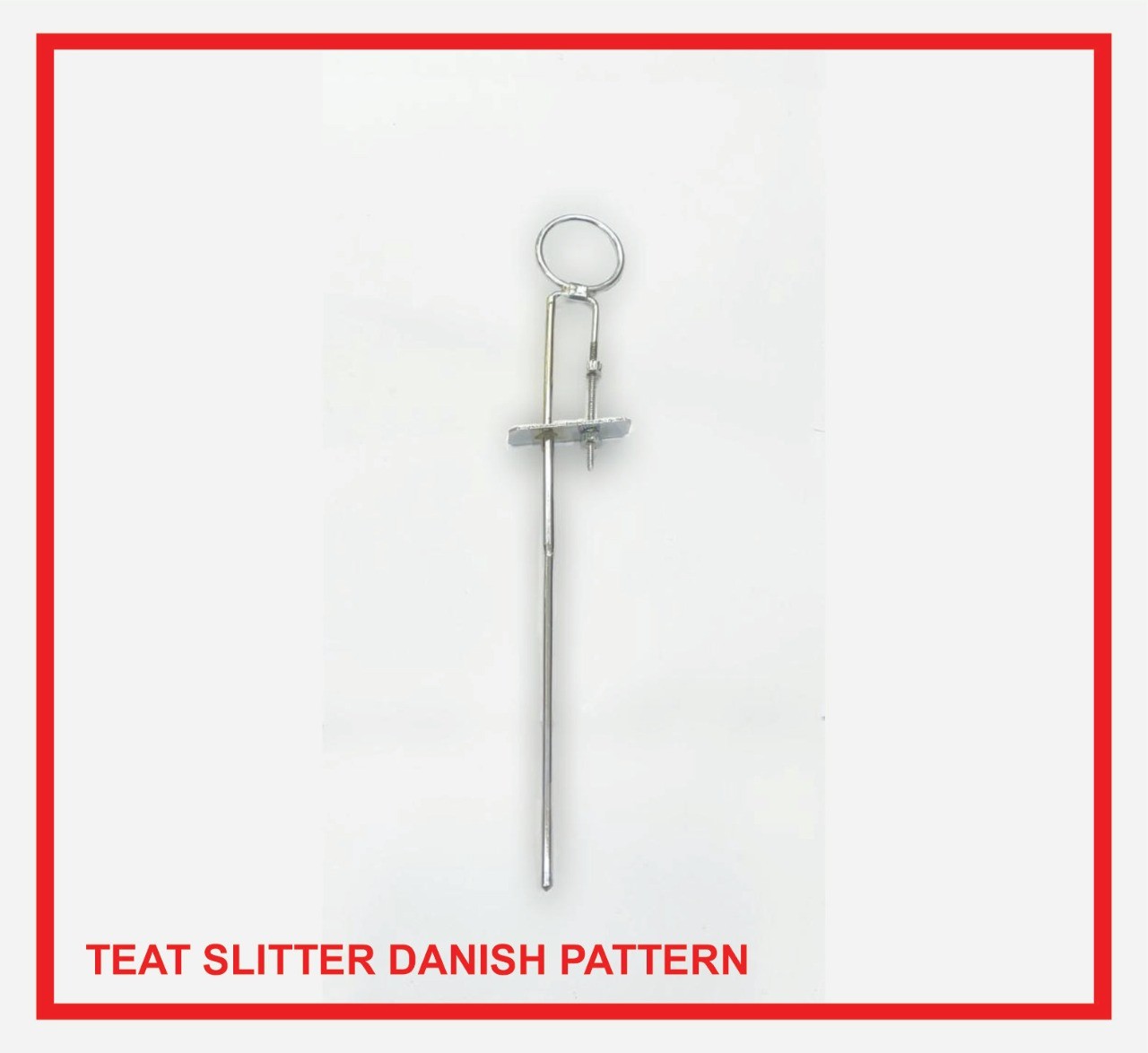
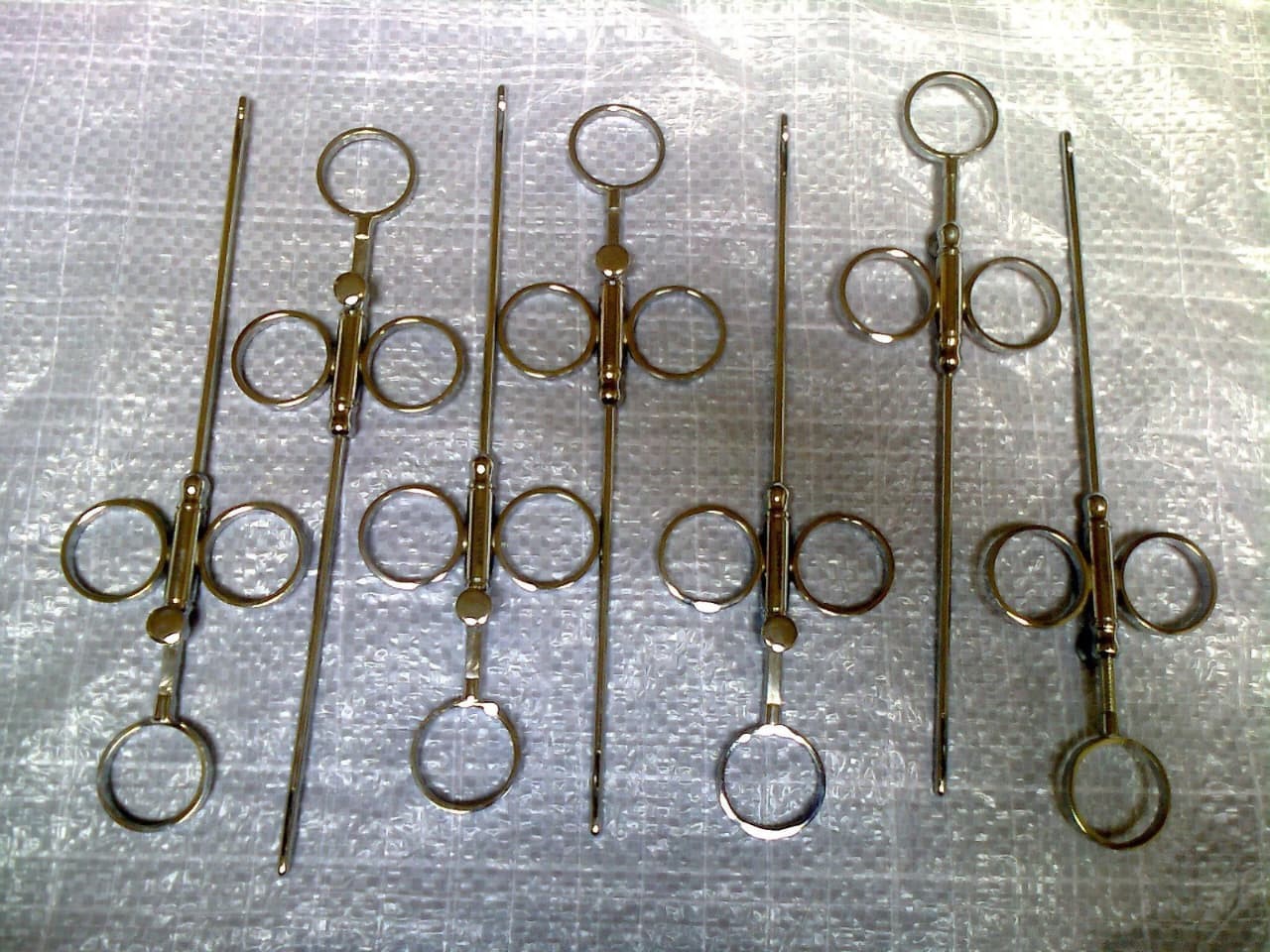
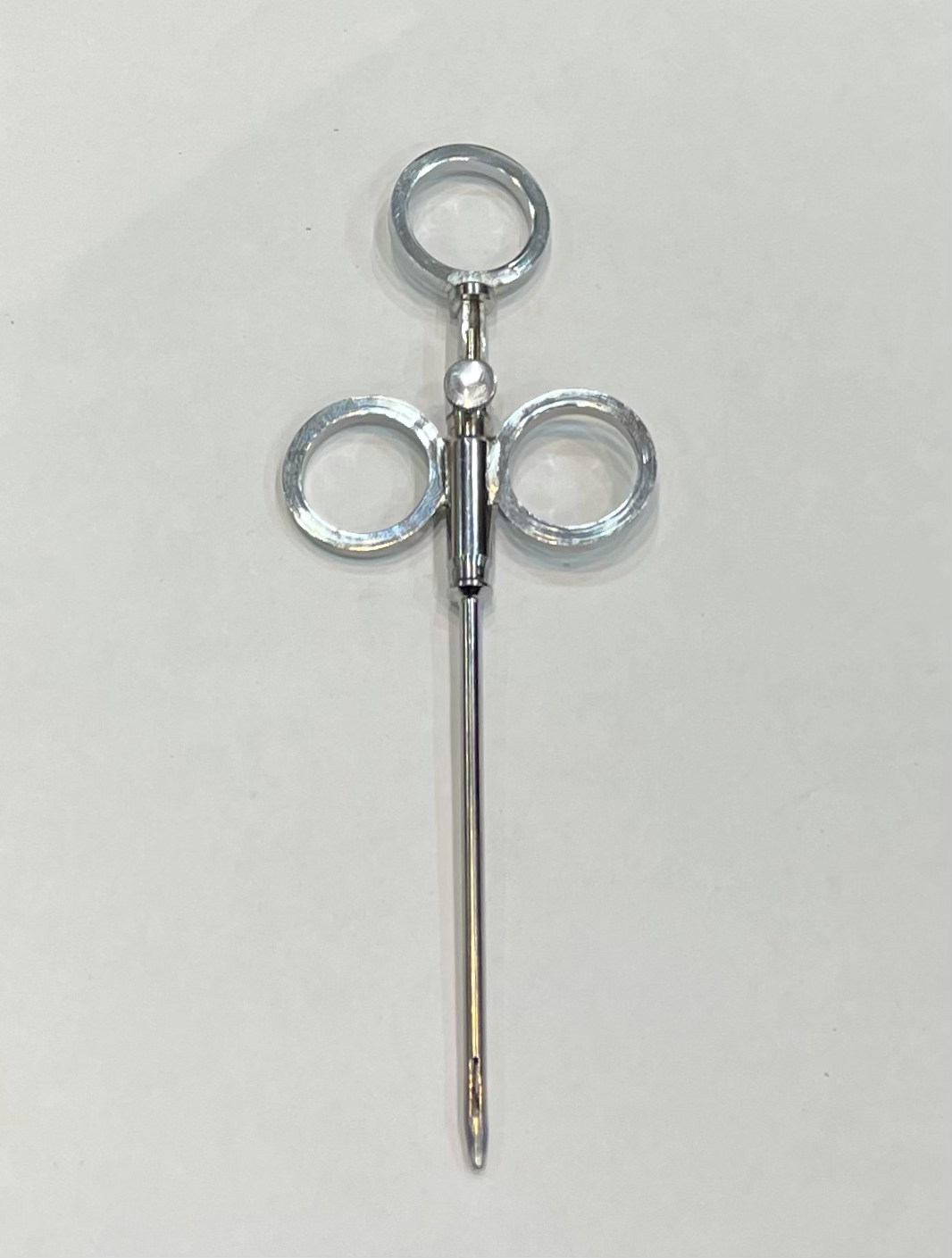
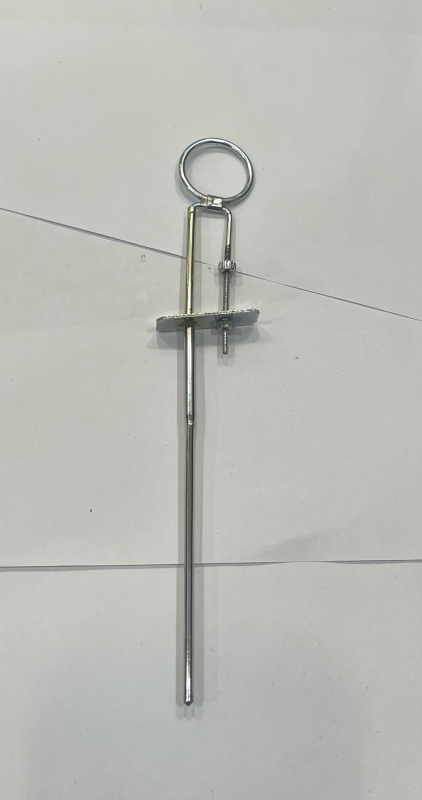
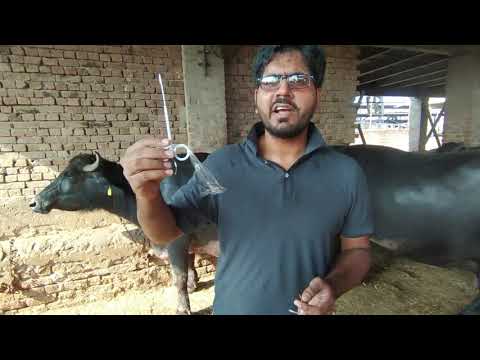
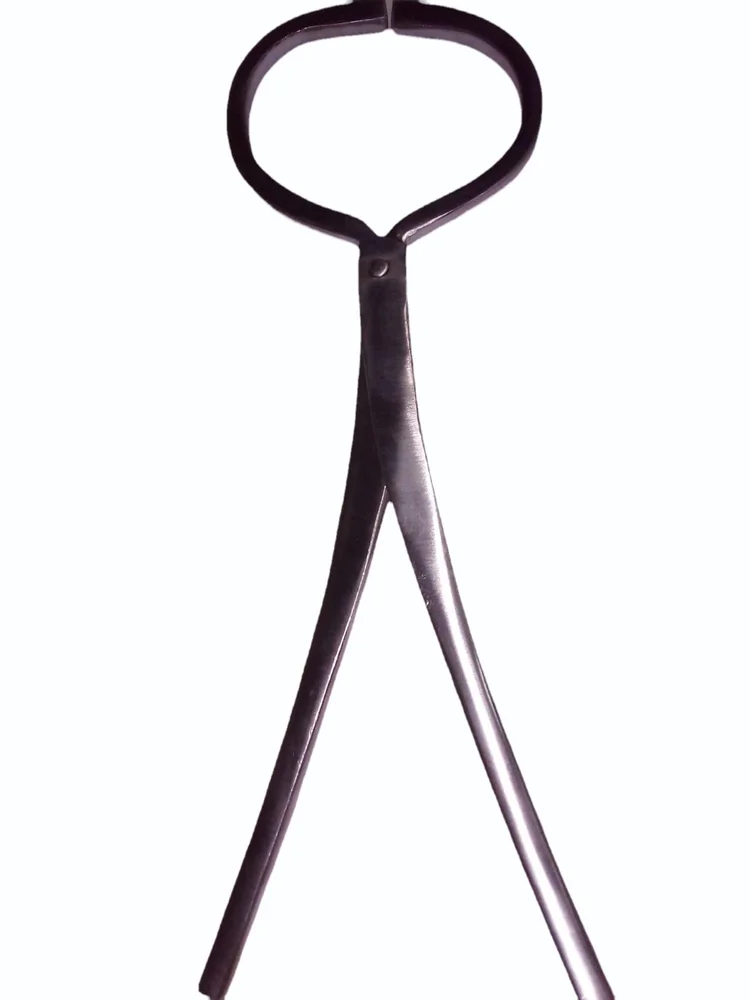
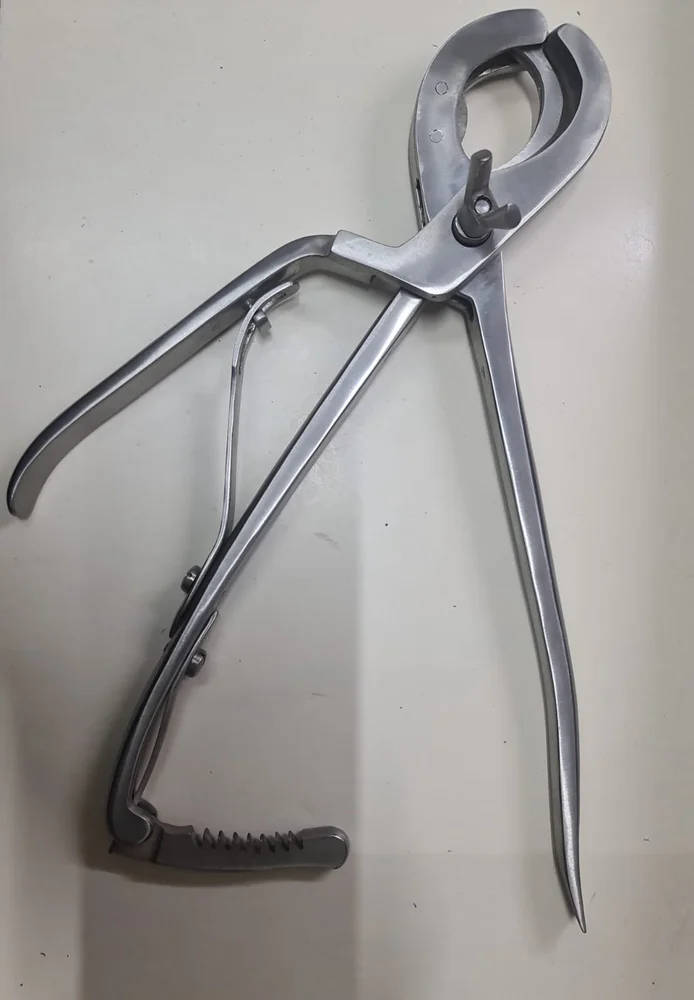
Teat Slitter 2 Blade
Drug Name
: NA
Drug Role
: A Teat Slitter is designed to perform precise incisions or slit openings on the teat canal, It helps improve milk flow in cases of teat canal stenosis or chronic mastitis. The instrument is equipped with two blades for clean cutting, available in differen
NA
No
Ceritifcations:










Please login / register to buy or to get detailed information of the product
SKU:
Stock Available:
Batch / Lot. No:
Shelf life:
Manufacturing Date:
-
Expiry Date:
-
Minimum Pack Size:
Minimum Order Qty:
1
Pharma Categories:
• Veterinary Surgical Instrument • Teat Surgery and Treatment Tools
Product Form:
• Handheld surgical instrument with dual blades • Available in sterile packs for single use or reusable variants
Category:
Veterinary
Group:
N/A
Type:
Veterinary Instrument
Material:
• Surgical-grade Stainless Steel for durability and corrosion resistance
HSN Code:
9018.90.99
HS Code:
9018.90
Country of Origin:
India
TAX:
5%
Qty per Piece:
Weight Of Each Piece(gm):
Piece Dimensions (L×W×H):
Qty per Buffer Box / Shrink Pack:
Weight of Buffer Box / Shrink Pack:
Buffer Dimensions (L×W×H):
Total Qty per Case:
Total Weight per Case:
Case Dimensions (L×W×H):
Weight / Volume:
Dimensions:
Inhouse product
Specification Details
Blade Type 2 blades (Normal and Danish pattern available)
Material Surgical-grade stainless steel
Handle Ergonomic, anti-slip grip
Length 15 cm – 20 cm
Blade Length 2 cm – 3 cm
Packaging Sterile, single-use or reusable versions
Sterilization Autoclave compatible
• Surgical-grade Stainless Steel for durability and corrosion resistance
• Non-slip handle made from medical-grade plastic or coated metal
• Veterinary Surgical Instrument
• Teat Surgery and Treatment Tools
• Handheld surgical instrument with dual blades
• Available in sterile packs for single use or reusable variants
• Used to perform incisions on the teat canal to relieve blockages
• Treats teat canal stenosis caused by fibrosis or chronic infections
• Enhances milk flow by creating precise slits
• Commonly used during mastitis treatment or teat surgery
• Precise and clean incisions
• Reduces tissue trauma with Danish blade pattern
• Durable and corrosion-resistant material
• Ergonomic design for better control
• Helps in quicker recovery and improved milk flow
• Requires skilled veterinary handling
• Improper use can cause excessive damage or bleeding
• Must be sterilized thoroughly to prevent infection
• Not suitable for minor teat issues
• Use only under professional veterinary supervision
• Ensure sterilization before and after use
• Avoid excessive cutting to prevent tissue damage
• Monitor post-operation for infection or complications
• HS Code: 9018.90
• HSN Code: 9018.90.99 (Covers surgical instruments including veterinary tools)
• Use with sterile gloves
• Handle gently for controlled incision
• Sterilize before and after each use
• Store in protective case to maintain blade integrity
• Autoclave at 121°C for 15-20 minutes
• Chemical sterilization for non-autoclavable parts if any
• Commonly used in cattle, buffalo, and other dairy animals
• Essential for treating teat canal obstructions and fibrosis
• Used in veterinary clinics and farm settings for teat care
Q1: What is a teat slitter used for?
It is used to make precise cuts in the teat canal to relieve blockages or fibrosis.
Q2: What is the difference between Normal and Danish pattern blades?
Normal blades are straight and traditional, while Danish blades are designed for smoother, less traumatic incisions.
Q3: Is the teat slitter reusable?
Yes, if properly sterilized. Some versions may be single-use.
Q4: Can anyone use a teat slitter?
No, only trained veterinary professionals should use it.
Q5: Is this tool used in humans?
No, it is strictly veterinary.
Secure Transaction
100% secure payment
Top Brand
Trusted quality
Non Return
Due to hygiene