 +91 88281
11034
+91 88281
11034
 Need Help?


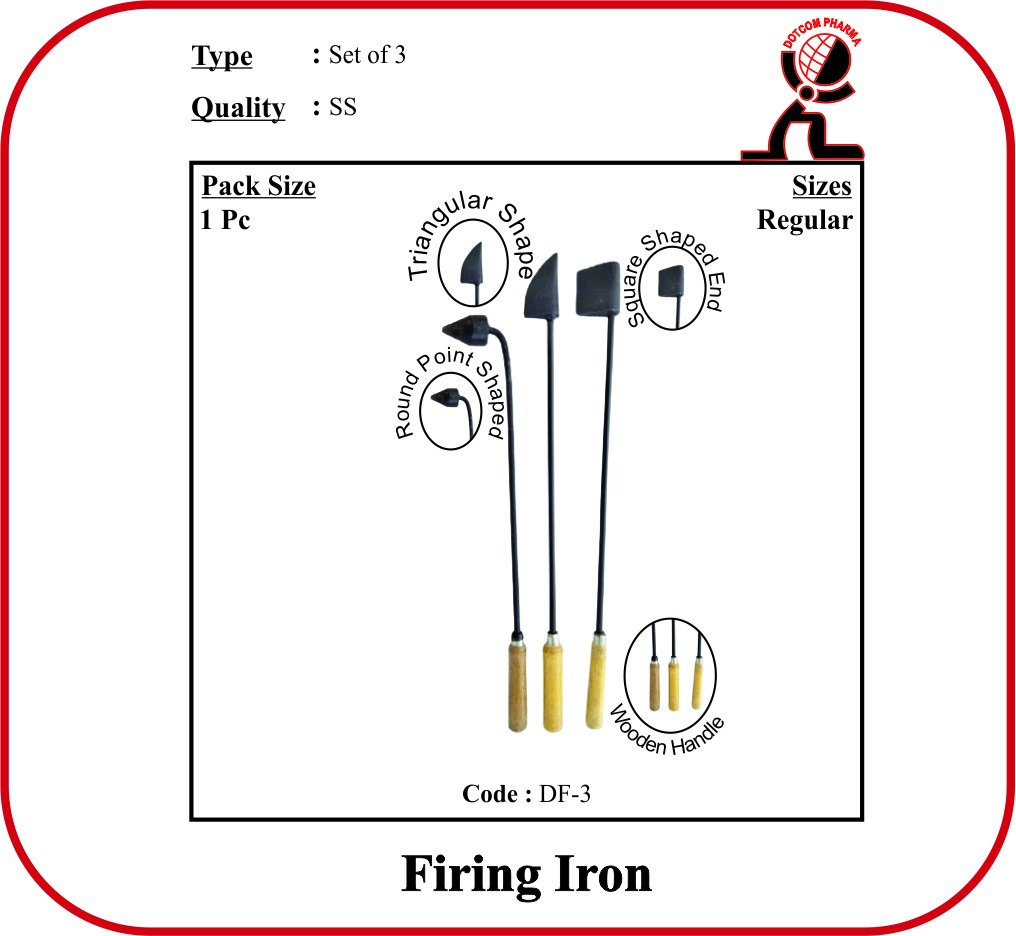
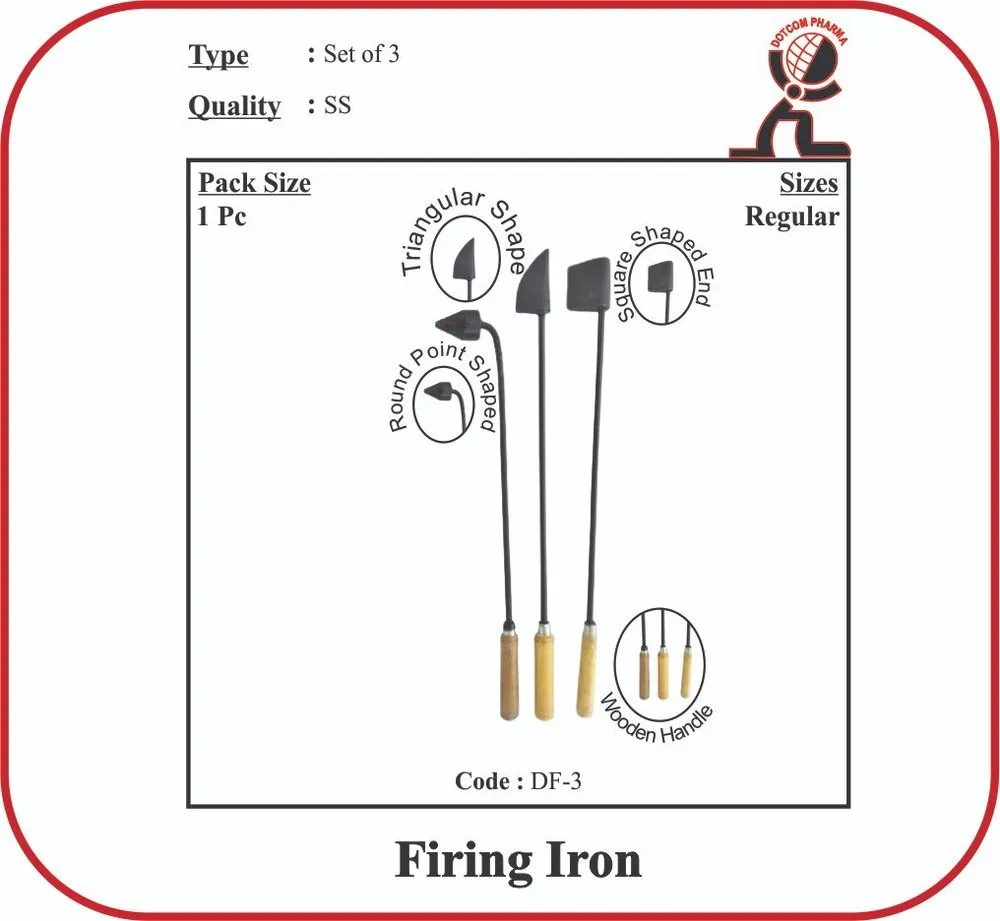
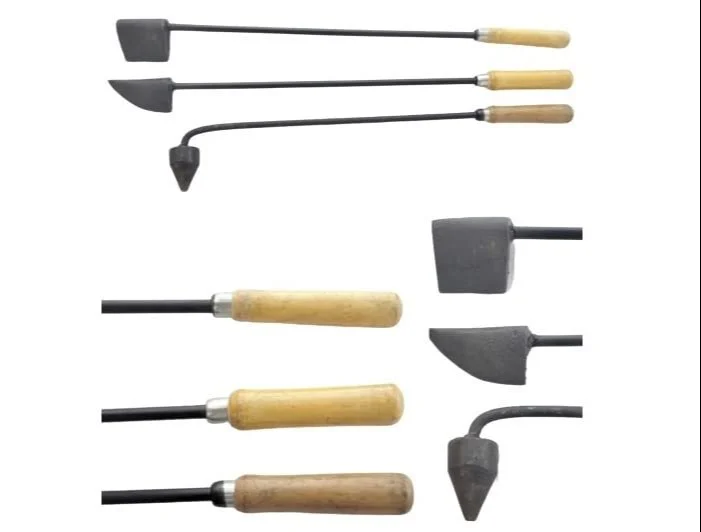
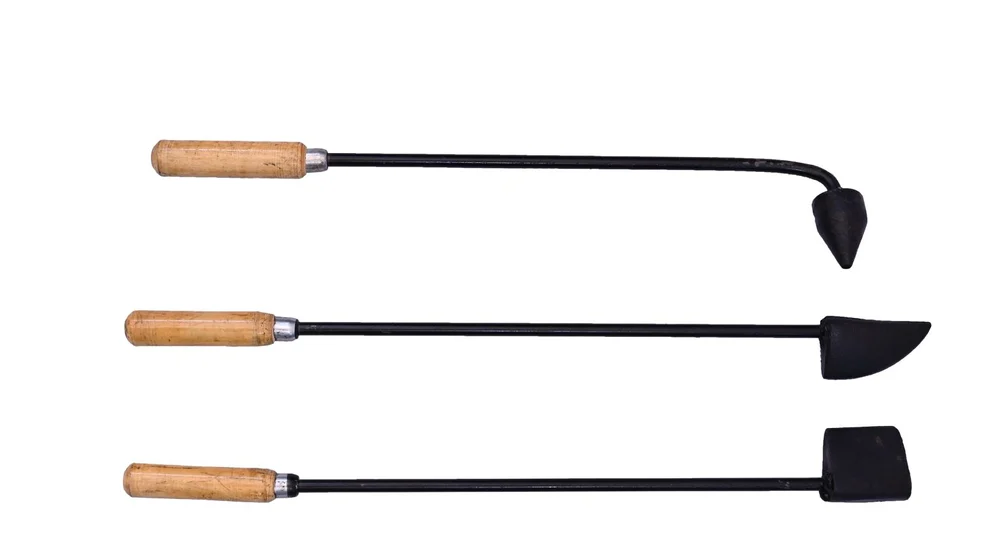
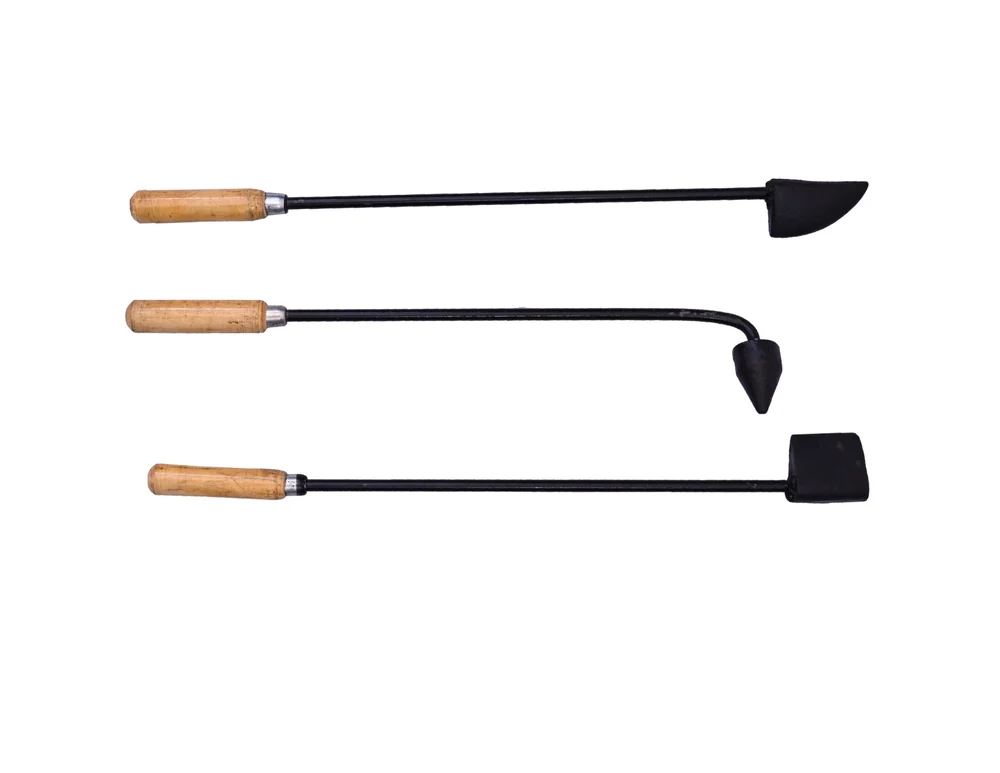
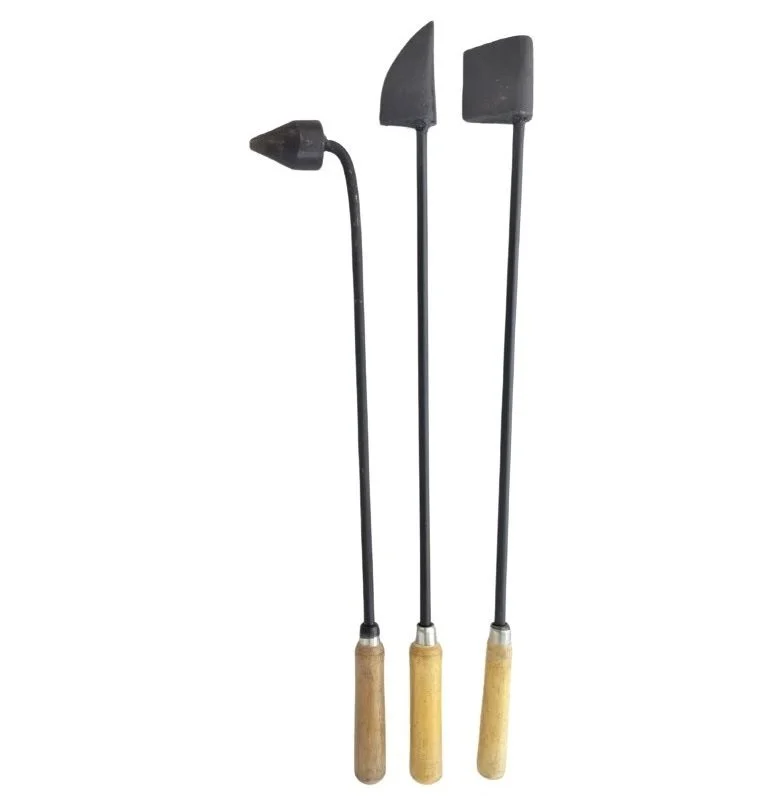
Firing Iron
Drug Name
: NA
Drug Role
: Veterinary Therapeutic Procedures
NA
No
Ceritifcations:










Please login / register to buy or to get detailed information of the product
SKU:
Stock Available:
Batch / Lot. No:
Shelf life:
Manufacturing Date:
-
Expiry Date:
-
Minimum Pack Size:
Minimum Order Qty:
1
Pharma Categories:
• Veterinary Cauterization Instruments
Product Form:
Firing Iron
Category:
Instruments
Group:
N/A
Type:
Veterinary Cautery Instrument
Material:
SS
Tags
HSN Code:
90189099
HS Code:
9018.90
Country of Origin:
India
TAX:
5%
Qty per Piece:
Weight Of Each Piece(gm):
Piece Dimensions (L×W×H):
Qty per Buffer Box / Shrink Pack:
Weight of Buffer Box / Shrink Pack:
Buffer Dimensions (L×W×H):
Total Qty per Case:
Total Weight per Case:
Case Dimensions (L×W×H):
Weight / Volume:
Dimensions:
Inhouse product
A Firing Iron is a traditional veterinary instrument used in the technique known as "firing" or thermocautery, primarily in the treatment of chronic musculoskeletal issues in animals — especially in equine and bovine practice. The instrument is heated and applied to the skin or tissue surface to create a controlled burn that stimulates healing or prevents further inflammation.
• Material: Solid forged iron or stainless steel
• Handle Type: Wooden or heat-insulated metal handle
• Heating Method: Manual open flame (coal, gas burner) or electric heating (in modern versions)
• Tip Designs: Straight, curved, hook, loop, or patterned ends
• Length: Typically 12–24 inches depending on model
• Sterilization Compatibility: Not typically autoclavable; requires thermal cleaning or chemical disinfection
• Small: For minor surface cauterization or smaller animals
• Medium: Standard veterinary use
• Large: For larger animals or deeper cauterization
• Straight rod with looped, flat, or pointed working ends
• Custom-shaped tips (cross, star, line, circle) for specific treatment zones
• Traditional Fire-Heated Firing Iron
• Electrically Heated Firing Iron
• Specialized Patterned Firing Tips (Cross, Ring, Dot)
• Working Tip: Forged iron or stainless steel
• Handle: Hardwood, aluminium, or polymer-insulated grip
• Veterinary Cauterization Instruments
• Traditional Therapeutic Tools
• Equine and Bovine Musculoskeletal Treatment Devices
• Single solid unit
• Optional detachable tip models in electric versions
• Supplied non-sterile
Used in veterinary orthopaedics and chronic inflammatory conditions to:
• Stimulate blood flow and healing in ligaments, tendons, and joints
• Reduce chronic pain or lameness in horses and cattle
• Cauterize infected or persistent wounds
• In some cases, used for branding or marking (distinct from medical use)
• Low-cost and durable instrument
• Effective in chronic tendon and ligament conditions in animals
• Simple to use with minimal mechanical components
• Portable and usable in field conditions
• Considered outdated or controversial in many countries
• Can cause pain and scarring if improperly used
• Requires high operator skill
• Risk of secondary infection if hygiene is not maintained
• Not accepted as standard treatment in many modern practices
• Always clean and disinfect tip after each use
• Ensure iron is evenly heated — avoid overheating to prevent excessive burns
• Use protective gloves and eye shielding when handling
• Apply only under professional supervision with sedation or restraint
• Never use near flammable substances or unsupervised
• HS Code: 9018.90
• HSN Code: 90189099 (Includes instruments for cauterization and similar procedures)
• Heat firing tip uniformly until red-hot before use
• Avoid contact with unintended surfaces or tissues
• Cool down in a safe area post-use
• Clean using flame or disinfectant chemicals after each application
• Store in dry, protected casing to prevent rust or injury
• Not typically autoclaved due to high heat use
• Can be cleaned by direct heating/flame sterilization
• Chemical disinfection before and after procedures is advised
• Common in equine orthopaedics for treating chronic suspensory ligament injuries, splints, or bowed tendons
• Used in cattle for joint inflammation or infection management
• Still in use in some regions for traditional veterinary practices and rural field medicine
• Also used for controlled branding or cauterizing chronic wounds
• Not used in human medical procedures
• Firing irons are not approved or ethical for human healthcare and have no clinical use in modern human medicine
Q1. What is a firing iron used for in veterinary medicine?
Answer: It is used to apply localized heat (thermocautery) to treat chronic inflammation in tendons or ligaments, especially in horses and cattle.
Q2. Is it still used today?
Answer: Yes, but mostly in traditional or rural veterinary practices. Its use is decreasing in Favor of modern therapies.
Q3. Is the process painful for the animal?
Answer: Yes, which is why sedation or local anaesthesia is recommended during the procedure.
Q4. Can the firing iron be sterilized?
Answer: It is cleaned through direct heating (flame sterilization) or chemical disinfectants.
Q5. Can it be used for humans?
Answer: No, firing irons are not used in human medicine.
Secure Transaction
100% secure payment
Top Brand
Trusted quality
Non Return
Due to hygiene