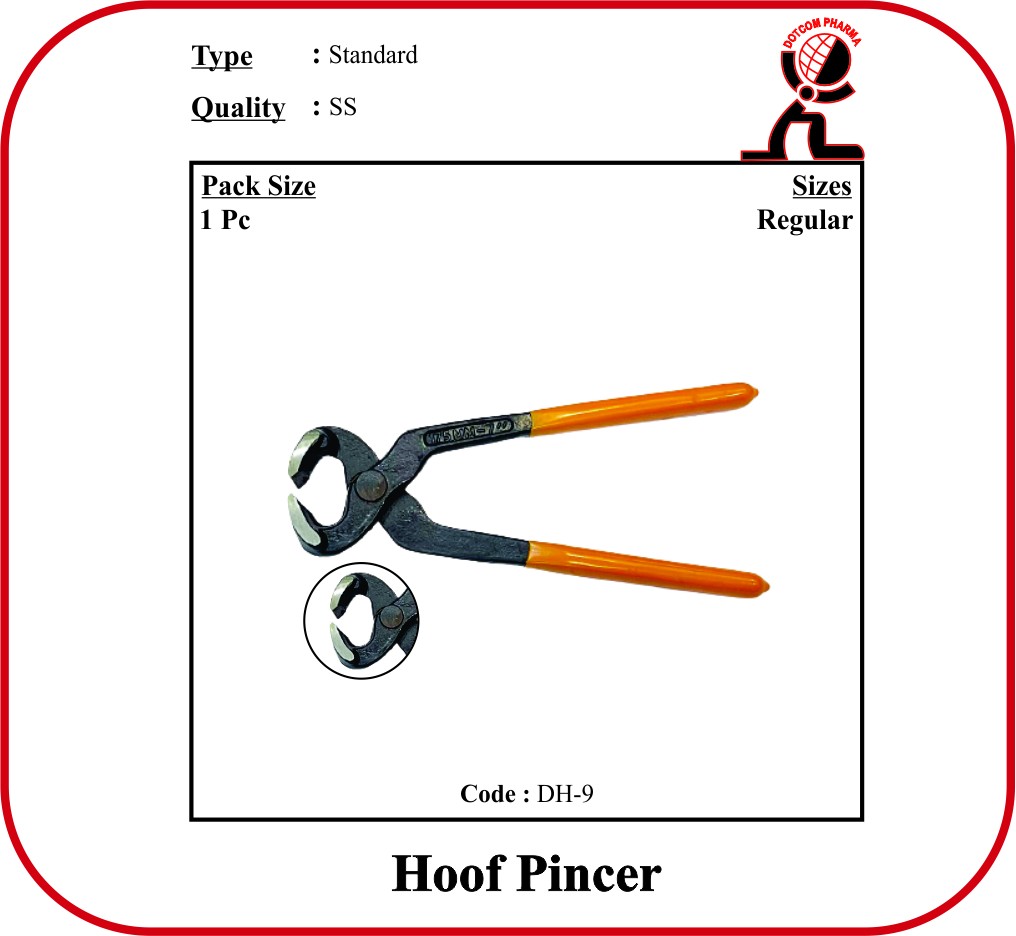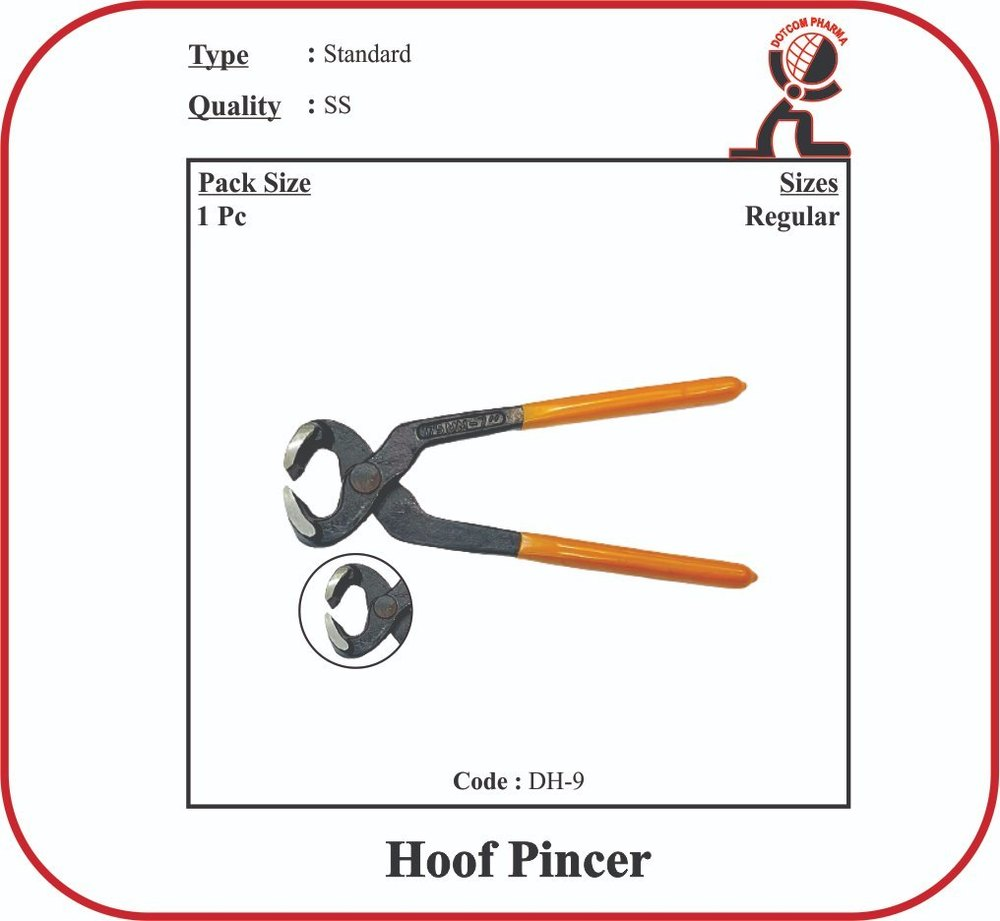
Hoof Pincer

Drug Name

: NA

Drug Role

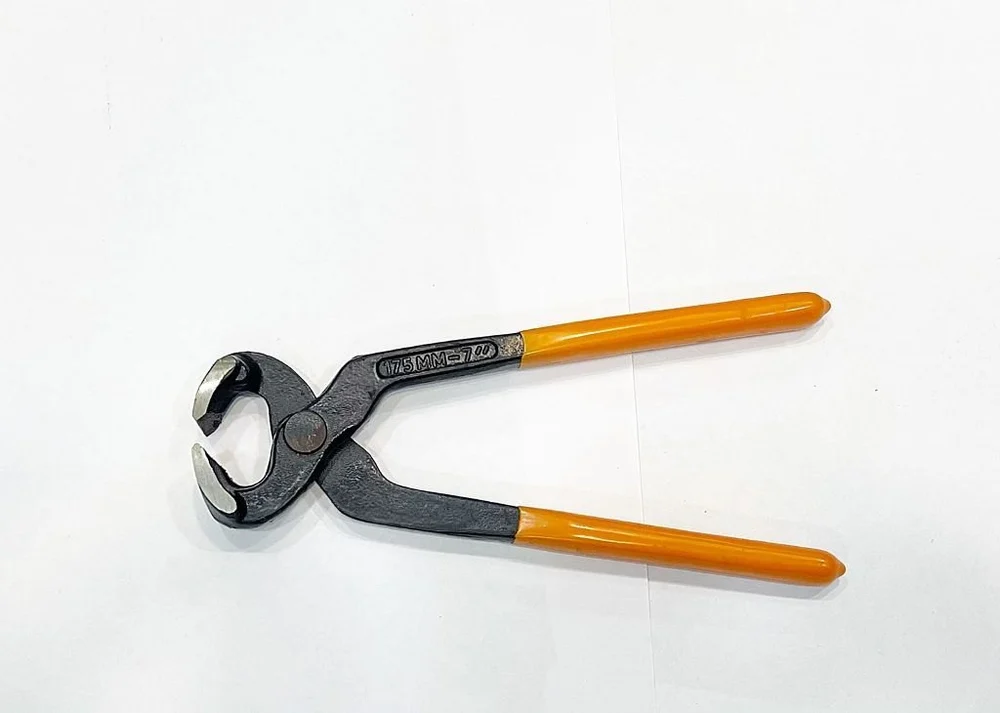
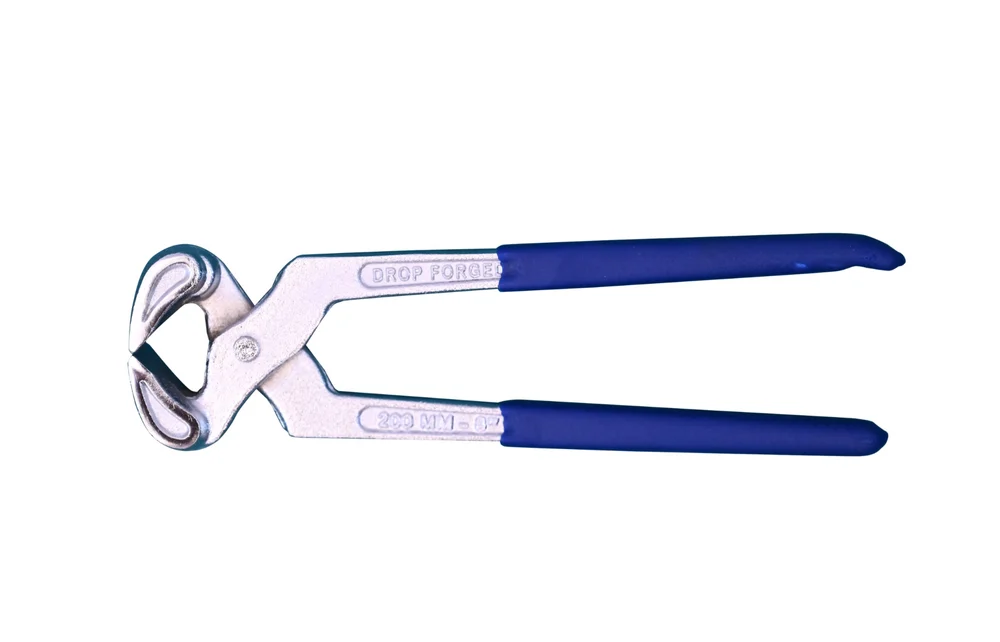
: The Hoof Pincer is a non-cutting, heavy-duty veterinary tool used in hoof care for gripping, prying, and diagnosing hoof issues.

Schedule:
NA
Prescription Required:
No
Brand / Mfg:
DOTCOM PHARMA
/ Piece
MRP: Inclusive of all taxes
Discount Applied:
MRP
-
Price
-
-
Discount
-
-
+ Tax
-
-
Total You Save
-
You Save:
Type
Size
Quality
Made
Quantity
(30 available)
Total Amount Product Wise:

Ceritifcations:

Certificate
Certificate
Certificate
Certificate
Certificate
Certificate
Certificate
Certificate
Certificate
Certificate

Please login / register to buy or to get detailed information of the product

SKU:

Stock Available:

Batch / Lot. No:

Shelf life:

Manufacturing Date:

-

Expiry Date:

-

Minimum Pack Size:

Minimum Order Qty:

1

Pharma Categories:

• Veterinary Diagnostic Tools

Product Form:

• Individually packed • May include blade/jaw guards • Usually comes pre-oiled • Part of complete hoof tool kits in some cases

Category:

Veterinary

Group:

N/A

Type:

• Standard Hoof Pincer • Diagnostic Hoof Tester Pincer

Material:

Body: Drop-forged carbon steel / Stainless steel

HSN Code:

9018

HS Code:

82016000

Country of Origin:

India

TAX:

5%

Qty per Piece:

Weight Of Each Piece:

Piece Dimensions (L×W×H):

Qty per Buffer Box / Shrink Pack:

Weight of Buffer Box / Shrink Pack:

Buffer Dimensions (L×W×H):

Total Qty per Case:

Total Weight per Case:

Case Dimensions (L×W×H):

Weight / Volume:

Dimensions:

Estimate Shipping Time: 10 Days

Inhouse product

The Hoof Pincer is a non-cutting, heavy-duty veterinary tool used in hoof care for gripping, prying, and diagnosing hoof issues. It allows veterinarians and farriers to detect pain points, remove loose hoof fragments, and apply pressure for examination. Built with strong jaws and long handles, it's essential for equine and livestock hoof maintenance and assessment.

• Length: 30–40 cm

• Jaw Opening: 2–5 cm (approx.)

•    Grip Control: Manual pressure-based

•   Tip Design: Rounded or slightly flat gripping ends

•   Mechanism: Direct-leverage manual action

•   Handle: Long arms with or without non-slip coating

•   Weight: 1.2–1.8 kg

 •   Small: 30 cm – For smaller hoofed animals

•   Medium: 35–38 cm – General use size 

•   Large: 40 cm – For tougher, broader hooves

•   Jaw Shape:

o  Rounded inward pincers (standard)

o   Slightly flattened edge (for broader grip)

•   Handle Shape:

o   Straight traditional handle

o   Lightly contoured handles (in some ergonomic models)

 •   Standard Hoof Pincer

•   Diagnostic Hoof Tester Pincer

•   Heavy-Duty Veterinary Pincer

•   Miniature Hoof Pincer

•   Multi-Grip Jaw Type (less common) 

•   Body: Drop-forged carbon steel / Stainless steel

•   Handles: Bare metal / Optional rubber or polymer grips

•   Finish: Chrome-plated or anti-rust matte black

•   Jaws: Solid forged ends, non-serrated

•   Hoof Care Instruments

•   Veterinary Diagnostic Tools

•   Farrier Instruments

•   Large Animal Handling Tools

•   Individually packed

•   May include blade/jaw guards

•   Usually comes pre-oiled

•   Part of complete hoof tool kits in some cases

Used to grip, pull, or apply pressure to the hoof wall to detect painful or cracked regions, remove loose horn, or assist in diagnostic examinations. It provides mechanical advantage to safely assess hoof issues in livestock.

•   Strong and reliable pressure application

•   Useful in both diagnostics and hoof wall management

•   Long handles offer leverage with reduced effort

•   Suitable across multiple species and hoof sizes

•   Durable construction for repeated use 

•   Incorrect use may cause pain or damage

•   Not for cutting – limited to grip and test

•   Heavier tool — fatigue risk if used over long sessions

•   May require maintenance if rusting or jaw looseness occurs

•   Apply pressure gradually to avoid animal distress

•   Restrain animal properly before use

•   Clean after each use to avoid contamination

•   Store in dry space to prevent corrosion

•   Do not use on cracked or injured hooves without caution

•   HSN Code: 9018 – Instruments used in veterinary or surgical practice

•   HSN Alternate: 82016000 – Hand tools like pliers and pincers

•   Hold both handles firmly using both hands

•  Test pressure slowly; never use sudden force

•   Maintain hinge tension for smooth motion

•   Store in a dry toolbox or wrap when not in use  

•   Clean blades and jaws using veterinary-grade disinfectant

•   Not autoclavable — wipe and dry only

•   Apply protective oil to joints post-cleaning

•   Avoid soaking the tool in water for long periods

 Used to test hoof sensitivity, remove cracked walls, and assist in lameness diagnostics in cattle, horses, goats, and sheep. Crucial for detecting abscesses or hoof deformities before trimming or treatment. 

 No direct medical use, but handled by farriers, veterinary surgeons, and livestock caretakers in animal husbandry, clinics, and training centres for hoof care and research.

1.What is a hoof pincer used for? 

   To grip and apply pressure on hooves for diagnostic and hoof wall removal purposes.

2.Is it different from a hoof nipper?

   Yes — pincers are for testing and gripping; nippers are for cutting/trimming. 

3.Can I use it on goats or small hoofed animals?

   Yes — smaller sizes are suitable for goats, sheep, and similar animals.

4.Is it safe for regular hoof maintenance?

  Yes, if used properly by trained individuals.

5.How do I maintain a hoof pincer?   

  Clean after each use, oil the hinge, and store it in a dry place.

Secure Transaction

100% secure payment

Top Brand

Trusted quality

Non Return

Due to hygiene
Refund
Not Applicable
Share
Top Selling Products
0 out of 5.0
(0 reviews)
There have been no reviews for this product yet.
The Hoof Pincer is a non-cutting, heavy-duty veterinary tool used in hoof care for gripping, prying, and diagnosing hoof issues. It allows veterinarians and farriers to detect pain points, remove loose hoof fragments, and apply pressure for examination. Built with strong jaws and long handles, it's essential for equine and livestock hoof maintenance and assessment.

• Length: 30–40 cm

• Jaw Opening: 2–5 cm (approx.)

•    Grip Control: Manual pressure-based

•   Tip Design: Rounded or slightly flat gripping ends

•   Mechanism: Direct-leverage manual action

•   Handle: Long arms with or without non-slip coating

•   Weight: 1.2–1.8 kg

 •   Small: 30 cm – For smaller hoofed animals

•   Medium: 35–38 cm – General use size 

•   Large: 40 cm – For tougher, broader hooves

•   Jaw Shape:

o  Rounded inward pincers (standard)

o   Slightly flattened edge (for broader grip)

•   Handle Shape:

o   Straight traditional handle

o   Lightly contoured handles (in some ergonomic models)

 •   Standard Hoof Pincer

•   Diagnostic Hoof Tester Pincer

•   Heavy-Duty Veterinary Pincer

•   Miniature Hoof Pincer

•   Multi-Grip Jaw Type (less common) 

•   Body: Drop-forged carbon steel / Stainless steel

•   Handles: Bare metal / Optional rubber or polymer grips

•   Finish: Chrome-plated or anti-rust matte black

•   Jaws: Solid forged ends, non-serrated

•   Hoof Care Instruments

•   Veterinary Diagnostic Tools

•   Farrier Instruments

•   Large Animal Handling Tools

•   Individually packed

•   May include blade/jaw guards

•   Usually comes pre-oiled

•   Part of complete hoof tool kits in some cases

Used to grip, pull, or apply pressure to the hoof wall to detect painful or cracked regions, remove loose horn, or assist in diagnostic examinations. It provides mechanical advantage to safely assess hoof issues in livestock.

•   Strong and reliable pressure application

•   Useful in both diagnostics and hoof wall management

•   Long handles offer leverage with reduced effort

•   Suitable across multiple species and hoof sizes

•   Durable construction for repeated use 

•   Incorrect use may cause pain or damage

•   Not for cutting – limited to grip and test

•   Heavier tool — fatigue risk if used over long sessions

•   May require maintenance if rusting or jaw looseness occurs

•   Apply pressure gradually to avoid animal distress

•   Restrain animal properly before use

•   Clean after each use to avoid contamination

•   Store in dry space to prevent corrosion

•   Do not use on cracked or injured hooves without caution

•   HSN Code: 9018 – Instruments used in veterinary or surgical practice

•   HSN Alternate: 82016000 – Hand tools like pliers and pincers

•   Hold both handles firmly using both hands

•  Test pressure slowly; never use sudden force

•   Maintain hinge tension for smooth motion

•   Store in a dry toolbox or wrap when not in use  

•   Clean blades and jaws using veterinary-grade disinfectant

•   Not autoclavable — wipe and dry only

•   Apply protective oil to joints post-cleaning

•   Avoid soaking the tool in water for long periods

 Used to test hoof sensitivity, remove cracked walls, and assist in lameness diagnostics in cattle, horses, goats, and sheep. Crucial for detecting abscesses or hoof deformities before trimming or treatment. 

 No direct medical use, but handled by farriers, veterinary surgeons, and livestock caretakers in animal husbandry, clinics, and training centres for hoof care and research.

1.What is a hoof pincer used for? 

   To grip and apply pressure on hooves for diagnostic and hoof wall removal purposes.

2.Is it different from a hoof nipper?

   Yes — pincers are for testing and gripping; nippers are for cutting/trimming. 

3.Can I use it on goats or small hoofed animals?

   Yes — smaller sizes are suitable for goats, sheep, and similar animals.

4.Is it safe for regular hoof maintenance?

  Yes, if used properly by trained individuals.

5.How do I maintain a hoof pincer?   

  Clean after each use, oil the hinge, and store it in a dry place.

0 out of 5.0
(0 reviews)
There have been no reviews for this product yet.

More From Instruments

Top Selling Products
Search any image
Drag an image here or upload a file
Or