 +91 88281
11034
+91 88281
11034
 Need Help?



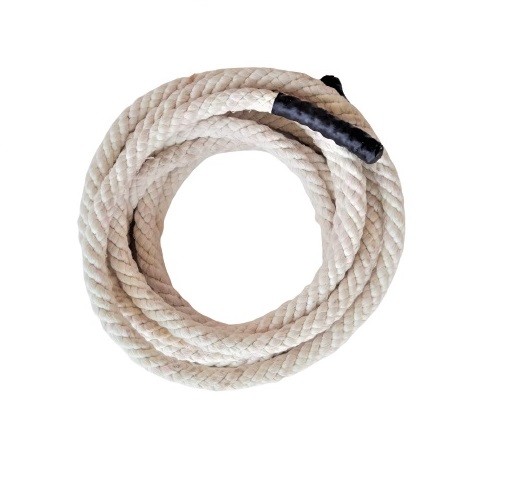
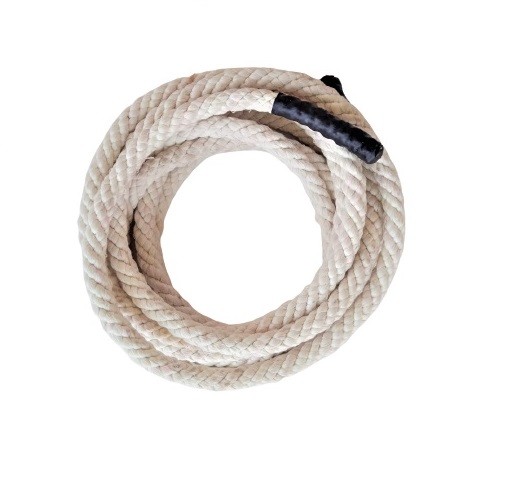
Casting Rope
Drug Name
: NA
Drug Role
: Animal Restraint
NA
No
Ceritifcations:









Please login / register to buy or to get detailed information of the product
SKU:
Stock Available:
Batch / Lot. No:
Shelf life:
Manufacturing Date:
-
Expiry Date:
-
Minimum Pack Size:
Minimum Order Qty:
1
Pharma Categories:
Animal Handling & Restraining Equipment
Product Form:
Rope
Category:
Veterinary
Group:
N/A
Type:
Veterinary Restraining Equipment
Material:
Woolen , Cotton
Tags
HSN Code:
56074990
HS Code:
560749
Country of Origin:
India
TAX:
5%
Qty per Piece:
Weight Of Each Piece(gm):
Piece Dimensions (L×W×H):
Qty per Buffer Box / Shrink Pack:
Weight of Buffer Box / Shrink Pack:
Buffer Dimensions (L×W×H):
Total Qty per Case:
Total Weight per Case:
Case Dimensions (L×W×H):
Weight / Volume:
Dimensions:
Inhouse product
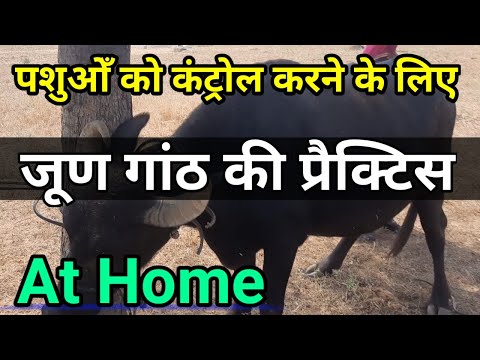
Casting ropes are strong, durable ropes used primarily in veterinary practice for safely restraining large animals such as cattle, horses, and buffaloes during casting procedures. Casting refers to the controlled laying down of an animal for medical treatment, examination, or surgery. These ropes are designed to withstand heavy loads, reduce injury risks, and provide secure control.
• Material: High-tensile synthetic fibres like polypropylene or nylon for strength and durability
• Length: Common lengths range from 10 to 15 meters
• Diameter: Typically 10–15 mm for optimal grip and strength
• Colour: Usually bright colours for visibility in farm environments
• Features: UV resistant, abrasion-resistant, flexible but strong
• Braided polypropylene ropes
• Twisted nylon ropes
• Elastic casting ropes with shock absorption
• Specialized ropes with loops or knots for ease of handling
• Used to cast large animals safely onto their side for examination, surgery, or treatment
• Provides firm control to minimize stress and injury
• Essential tool in veterinary hospitals and farms
• High strength and durability
• Resistant to weather and abrasion
• Flexible for easy tying and knotting
• Improves safety during animal handling
• Requires skill to use properly to avoid injury to animal or handler
• Synthetic ropes can fray over time and need inspection
• Always inspect rope for damage before use
• Use proper techniques for tying to avoid choking or injury
• Never leave tied animals unattended
• Store in dry place to avoid mildew
• Clean by rinsing with water; avoid harsh chemicals
• Coil properly to prevent kinks and tangling
• Not typically sterilized but should be cleaned regularly to prevent contamination
• HSN Code: 5607.90 (Ropes, cables, plaited bands and the like, other than those of heading 5607.10 to 5607.40)
• HS Code: 5607.90.90
Not applicable
Used for safely restraining and casting large animals like cattle, buffalo, and horses during veterinary procedures
1. What materials are casting ropes made from?
Mostly synthetic fibres like polypropylene or nylon for strength and durability.
2. How long is a typical casting rope?
Between 10 and 15 meters, depending on the animal size.
3. Can casting ropes be reused?
Yes, with proper inspection and maintenance.
4. Are there special knots for casting ropes?
Yes, proper knot techniques are essential for safety and effectiveness.
5. Is casting rope suitable for smaller animals?
No, usually used for large animals; smaller animals require different restraint methods.
Secure Transaction
100% secure payment
Top Brand
Trusted quality
Non Return
Due to hygiene