 +91 88281
11034
+91 88281
11034
 Need Help?




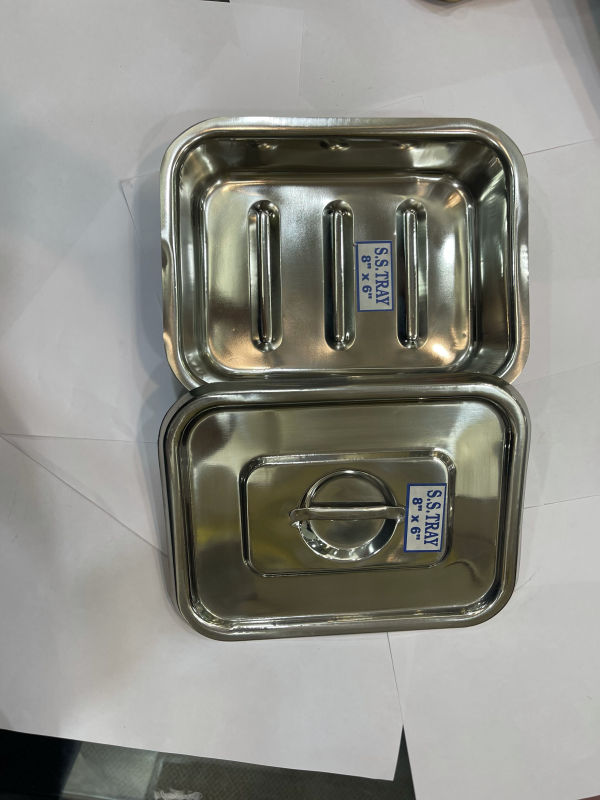
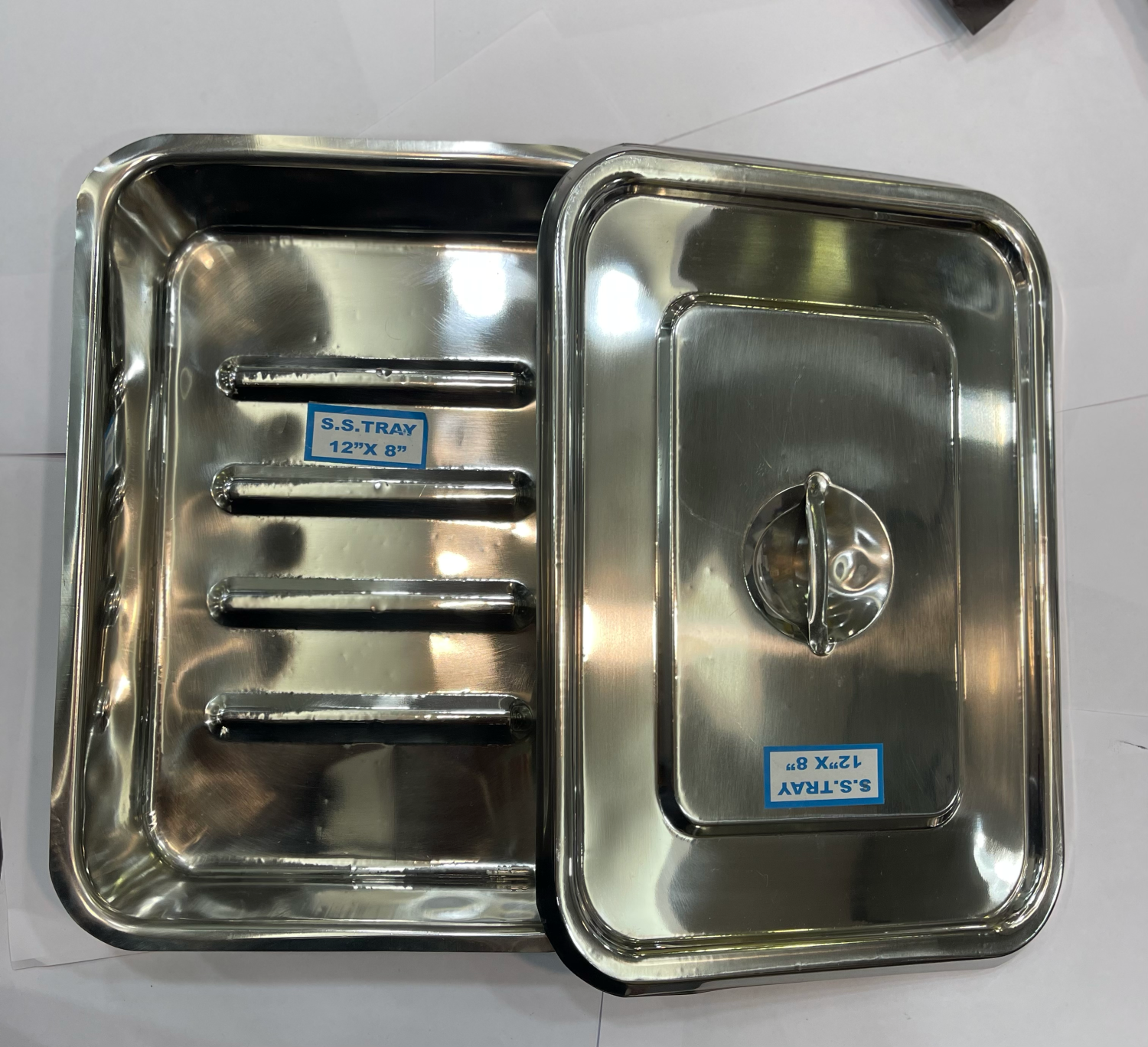
Instrument Tray
Drug Name
: NA
Drug Role
: An Instrument Tray with Lid is a sterile, flat container used for storing and organizing surgical instruments before, during, and after surgical procedures
NA
No
Ceritifcations:










Please login / register to buy or to get detailed information of the product
SKU:
Stock Available:
Batch / Lot. No:
Shelf life:
Manufacturing Date:
-
Expiry Date:
-
Minimum Pack Size:
Minimum Order Qty:
1
Pharma Categories:
• Surgical Instruments • Medical Storage Equipment • Sterilization Containers • Operating Room Equipment
Product Form:
• Sterile/Non-Sterile: Instrument trays can come sterilized or non-sterile, depending on the manufacturer's specifications. • Reusable: Most trays are reusable, and can be sterilized after each use. • Pre-Packaged Surgical Kits: Some trays come pre-packag
Category:
Human
Group:
N/A
Type:
• Standard Tray with Lid: A simple tray with a removable lid for storing instruments. • Compartment Tray with Lid: Features separate compartments within the tray for organizing smaller instruments. • Sterile Tray with Lid: Designed for sterile environment
Material:
• Stainless Steel: The most common and preferred material due to its durability, corrosion resistance, and ease of cleaning. • Plastic: Some trays are made from high-grade plastic for lightweight applications or for single-use purposes. • Aluminium Coatin
HSN Code:
9018.90
HS Code:
9018
Country of Origin:
India
TAX:
5%
Qty per Piece:
Weight Of Each Piece(gm):
Piece Dimensions (L×W×H):
Qty per Buffer Box / Shrink Pack:
Weight of Buffer Box / Shrink Pack:
Buffer Dimensions (L×W×H):
Total Qty per Case:
Total Weight per Case:
Case Dimensions (L×W×H):
Weight / Volume:
Dimensions:
Inhouse product
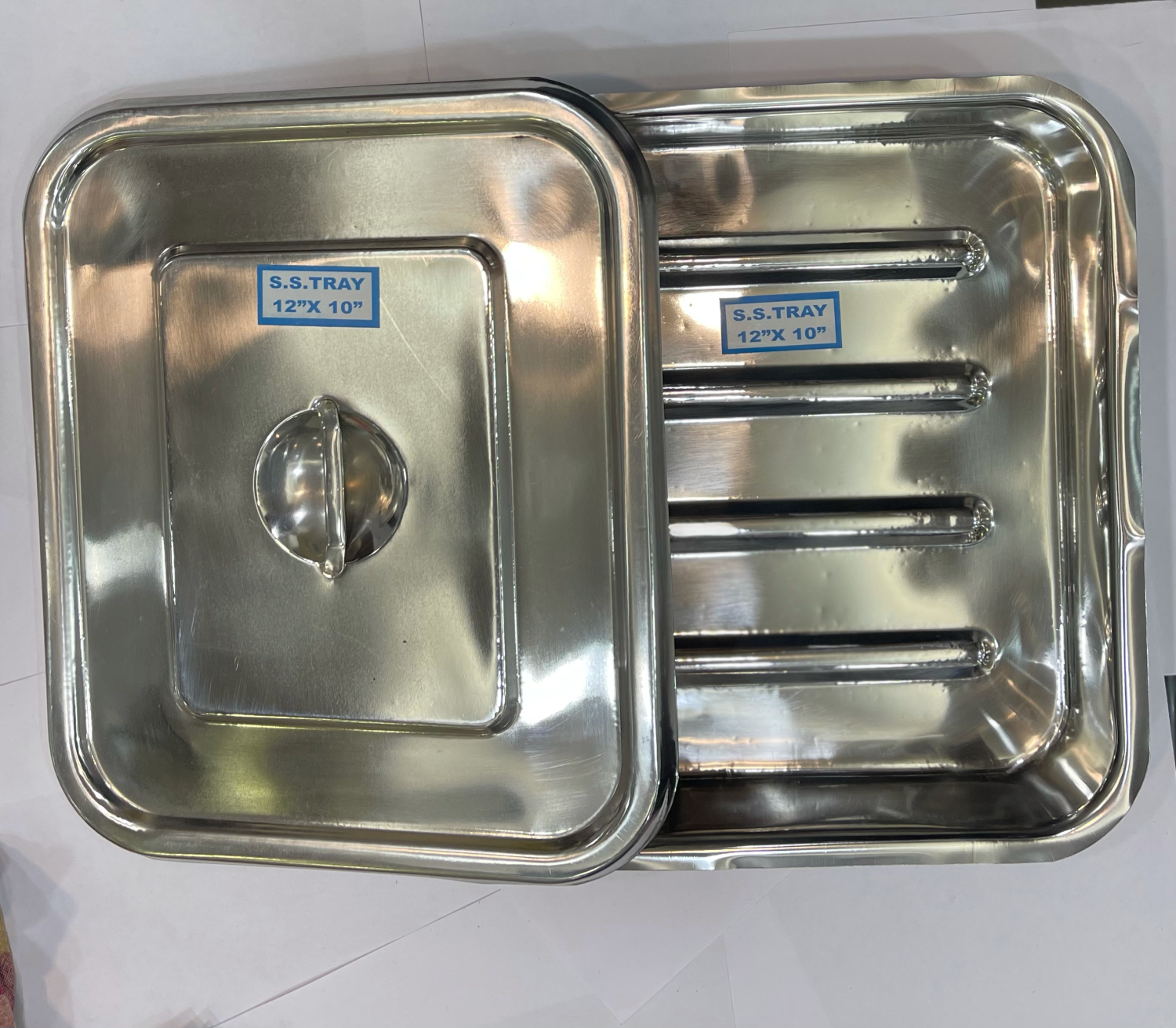
An Instrument Tray with Lid is a sterile, flat container used for storing and organizing surgical instruments before, during, and after surgical procedures. The tray typically features a removable lid that helps maintain sterility and prevents external contamination. These trays come in a variety of sizes and are made of stainless steel or other high-quality, durable materials to ensure the protection of medical instruments.
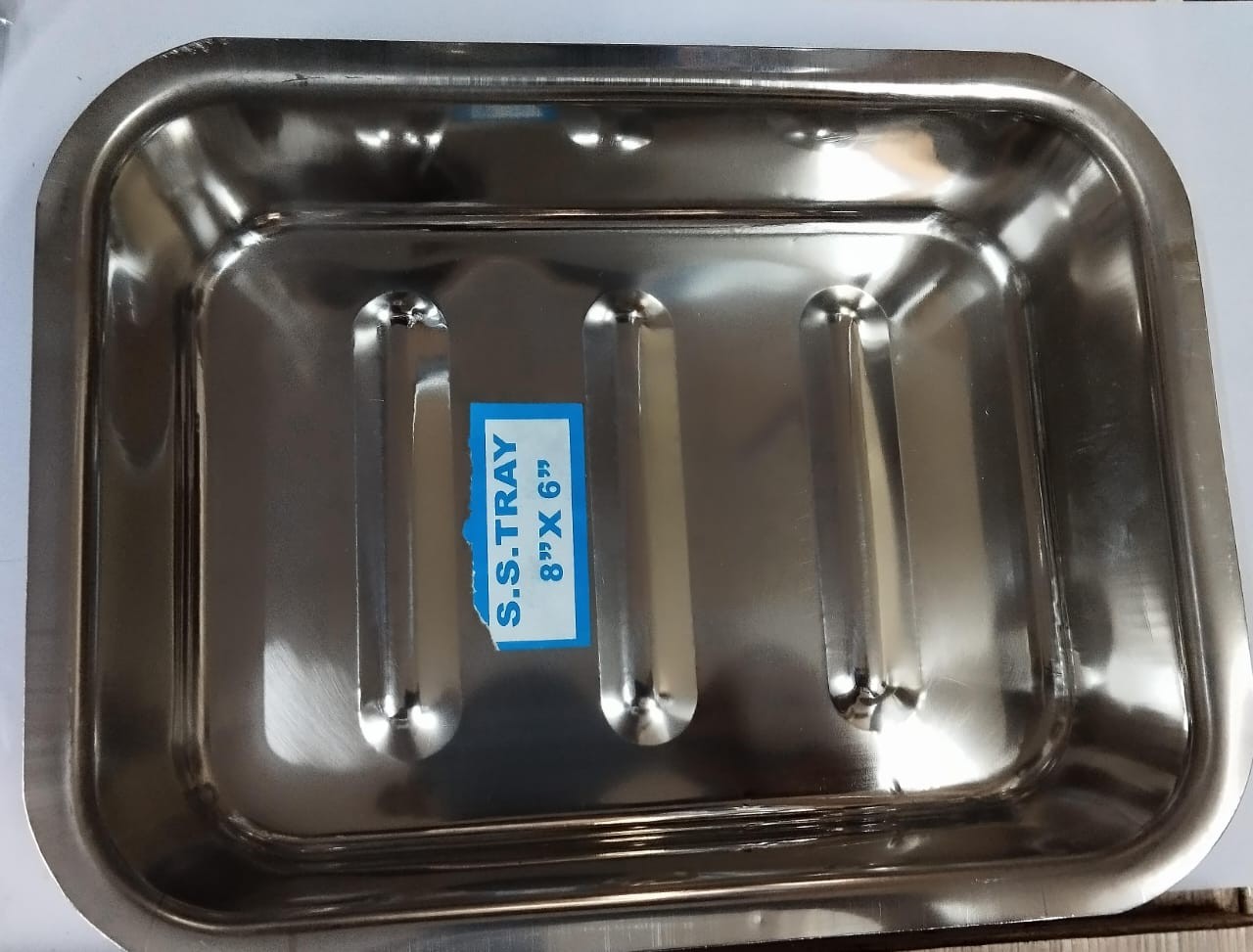
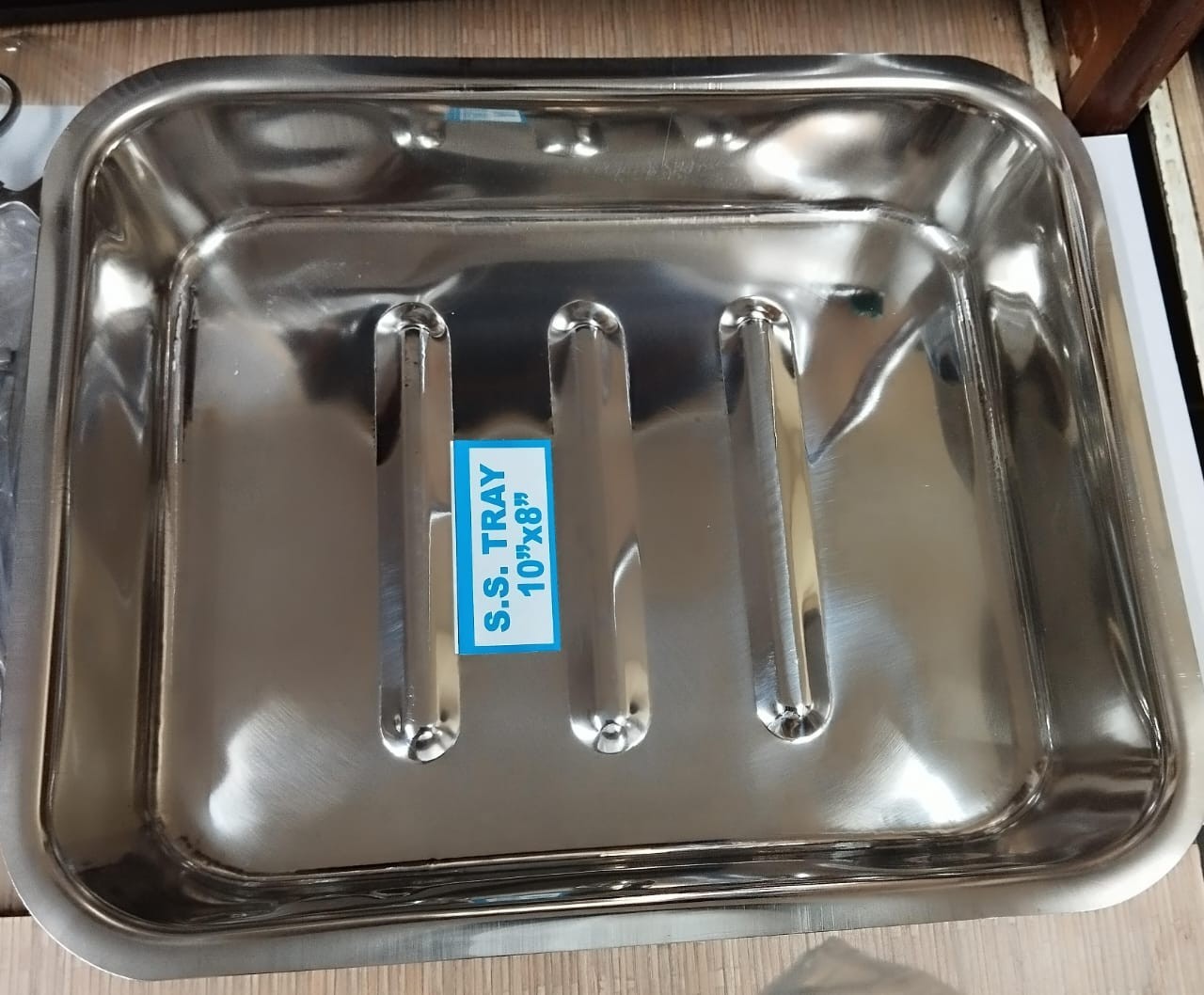
An Instrument Tray without Lid is a flat, shallow container used in surgical procedures to hold and organize surgical instruments. Unlike the instrument tray with a lid, this version does not have a cover, which allows for immediate access to tools during surgeries. These trays are designed to ensure that surgical instruments are kept in a clean, organized, and sterile state while remaining readily available for the surgical team.Instrument trays without lids are primarily used in non-sterile environments or sterile fields where the risk of contamination is minimized, and quick access to instruments is needed. They are commonly used in operating rooms, dental offices, and veterinary clinics for organizing tools before, during, and after surgeries.
Instrument Tray With Lid :
• Material: Typically made from high-grade stainless steel or plastic, with some non-corrosive, anti-rust coatings.
• Dimensions: Available in various sizes, ranging from small trays (10x15 cm) to large trays (30x45 cm).
• Lid Type: The lid is often hinged, removable, or secured with clips to provide easy access to the instruments while maintaining sterility.
• Compartments: Some trays have multiple compartments or separate sections to organize different instruments within the tray.
• Finish: Polished stainless steel for easy cleaning or matte finish to reduce glare.
Instrument Tray Without Lid :
• Material: Typically made of high-quality stainless steel, plastic, or aluminium.
• Dimensions: Available in a range of sizes, from small trays (10x15 cm) to large trays (30x45 cm), depending on the needs of the surgical procedure.
• Shape: Most commonly rectangular, but some square or custom-shaped trays are also available to suit particular surgeries.
• Finish: Usually finished with a polished or matte surface to prevent glare, especially for surgical settings.
Instrument Tray With Lid :
• Small (10x15 cm): Used for smaller surgical sets or single-use instruments.
• Medium (20x30 cm): Suitable for general-purpose surgical sets and is commonly used in minor surgeries.
• Large (30x45 cm): Ideal for major surgical sets or comprehensive instrument kits used in major procedures.
Instrument Tray Without Lid :
• Small (10x15 cm): Ideal for minor surgeries, dental surgeries, or small surgical sets.
• Medium (20x30 cm): Commonly used for general surgeries, gastrointestinal, or paediatric surgeries.
• Large (30x45 cm): Designed for major surgeries requiring a larger number of instruments.
Instrument Tray With Lid :
• Rectangular Instrument Tray: The most common shape, providing a large surface area for organizing instruments.
• Square Instrument Tray: Typically used for compact surgeries or specific types of surgical procedures that require a smaller surface area.
• Custom-Shaped Trays: Some trays may be specifically designed for certain types of surgeries or instruments, with curved or specialized designs to fit the tools.
Instrument Tray Without Lid :
• Rectangular: The most common shape, providing ample space for a variety of surgical tools and instruments.
• Square: Smaller trays that are used for compact surgeries or specific instrument sets.
• Custom Shapes: Some trays may have customized shapes for particular types of surgeries, with curved edges or specific compartments to hold certain instruments.
Instrument Tray With Lid :
• Standard Tray with Lid: A simple tray with a removable lid for storing instruments.
• Compartment Tray with Lid: Features separate compartments within the tray for organizing smaller instruments.
• Sterile Tray with Lid: Designed for sterile environments, these trays are pre-sterilized and are used in operating rooms to ensure instrument cleanliness.
• Lockable Tray with Lid: Includes a lock or secure mechanism to ensure the lid stays tightly sealed, reducing the risk of contamination.
Instrument Tray Without Lid :
• Standard Tray without Lid: A simple, flat tray used for general instrument storage without any compartments or additional features.
• Compartment Tray without Lid: Trays with sections or compartments to organize smaller surgical tools like scissors, scalpels, and forceps.
• Disposable Plastic Tray: Made from plastic, these are usually for single-use applications and are often used in minor procedures or dental clinics.
• Heavy-Duty Steel Tray: Stainless steel trays are more durable and commonly used in major surgeries, and they can withstand repeated sterilization cycles.
Instrument Tray With Lid :
• Stainless Steel: The most common and preferred material due to its durability, corrosion resistance, and ease of cleaning.
• Plastic: Some trays are made from high-grade plastic for lightweight applications or for single-use purposes.
• Aluminium Coating: In certain cases, trays may feature a coated aluminium finish for extra strength and protection.
Instrument Tray Without Lid :
• Stainless Steel: The most commonly used material for instrument trays due to its durability, corrosion resistance, and ability to withstand high temperatures during sterilization.
• Plastic: Often used for single-use, lightweight trays, or for surgeries requiring non-metallic trays, such as dental procedures.
• Aluminium: Some trays are made of aluminium, which is lightweight, non-corrosive, and durable for general-purpose use.
Instrument Tray With Lid :
• Surgical Instruments
• Medical Storage Equipment
• Sterilization Containers
• Operating Room Equipment
Instrument Tray Without Lid :
• Surgical Instruments
• Medical Storage Containers
• Operating Room Equipment
• Surgical Instrument Accessories
Instrument Tray With Lid :
• Sterile/Non-Sterile: Instrument trays can come sterilized or non-sterile, depending on the manufacturer's specifications.
• Reusable: Most trays are reusable, and can be sterilized after each use.
• Pre-Packaged Surgical Kits: Some trays come pre-packaged with specific instruments for standard surgical procedures, such as minor surgeries or dental operations.
Instrument Tray Without Lid :
• Reusable: Most trays are reusable, and can be sterilized after each use.
• Non-Sterile on Purchase: Instrument trays are typically non-sterile when purchased, and need to be sterilized before use in sterile environments.
• Pre-sterilized Versions: Some trays may come pre-sterilized in specific surgical kits, particularly for use in specialized procedures.
Instrument Tray With Lid :
• Sterile Storage: The primary use of an instrument tray is to maintain the sterility of surgical instruments. It prevents any contamination from external sources while allowing for easy access during procedures.
• Instrument Organization: Helps organize various surgical tools so that they are accessible to the surgeon and the surgical team during the procedure.
• Pre-Procedure Setup: The tray is typically prepared before the procedure, ensuring all required instruments are available and sterile.
• Post-Procedure Cleaning: After the surgery, instruments can be placed back in the tray for cleaning and sterilization.
Instrument Tray Without Lid :
• Organizing Instruments: The tray is used for organizing and preparing surgical instruments before use. This allows for easy identification and access to the required tools during a procedure.
• Temporary Holding: Used as a temporary storage space for instruments during surgeries or post-procedure cleaning and sterilization.
• Procedure Preparation: Before a surgery, instruments are laid out neatly on the tray for the surgical team to access them efficiently during the procedure.
Instrument Tray With Lid :
• Easy Access: Organizes instruments in a way that makes them easily accessible during surgery, enhancing surgical efficiency.
• Sterility Maintenance: The lid ensures that the instruments remain sterile, reducing the risk of infection.
• Durability: Stainless steel trays are highly durable and can withstand repeated use and sterilization cycles.
• Portability: Most trays are compact and easy to transport, ensuring that surgical tools are available wherever required.
• Customization: Can be customized with compartments, locks, and other features to suit specific surgical procedures.
Instrument Tray Without Lid :
• Easy Access to Instruments: Without the lid, these trays allow for immediate access to the tools needed during a surgery, improving the efficiency of the surgical team.
• Lightweight: Trays made of plastic or aluminium are typically more lightweight and easier to handle, especially in smaller surgical spaces.
• Versatility: Suitable for a wide range of surgical procedures, including general surgeries, dental work, and minor surgeries.
• Cost-effective: Plastic trays are often more affordable and are widely used for single-use applications.
Instrument Tray With Lid :
• Size Constraints: Larger trays can be bulky and may be difficult to manage in smaller operating spaces.
• Lid Fragility: In some cases, the lid may be fragile or prone to damage, especially if not handled carefully.
• Cleaning Complexity: While stainless steel trays are durable, they may require frequent cleaning to remove any residual materials, especially after complex surgeries.
Instrument Tray Without Lid :
• Exposure to Contamination: Without a lid, the instruments are exposed to the environment, which can pose a contamination risk if not handled in a sterile field.
• Limited Sterility: These trays do not offer the same level of protection against contamination as trays with a lid, which is a key consideration in high-risk surgeries.
• Durability Concerns (Plastic Trays): Plastic trays may not be as durable as their stainless steel counterparts, especially if used repeatedly.
Instrument Tray With Lid :
• Proper Handling: Always handle the tray with care to avoid damage to the lid or scratching of the tray’s surface.
• Sterilization: Ensure that the tray is properly sterilized after every use to prevent contamination.
Instrument Tray Without Lid :
• Ensure Sterility: While the lid is absent, it is essential to maintain sterile techniques when handling these trays, ensuring that they are used in a sterile environment.
• Proper Cleaning: After each use, the tray should be thoroughly cleaned and sterilized to prevent the buildup of bacteria or contamination.
• Avoid Overloading: Don't overload the tray with too many instruments, as this could cause a disorganized setup and increase the chances of accidents during the procedure.
Instrument Tray With Lid :
• HS Code: 9018 (Surgical instruments and parts)
• HSN Code: 9018.90 (For sterilization trays and similar instruments)
Instrument Tray Without Lid :
• HS Code: 9018 (Surgical instruments and parts)
• HSN Code: 9018.90 (For sterilization trays and similar instruments)
Instrument Tray With Lid :
• Sterile Handling: Ensure that the tray is sterilized before use and handled in a sterile environment.
• Storage: Store the tray in a clean, dry place to prevent contamination or rust, especially if it is made of stainless steel.
• Regular Maintenance: Periodically check for cracks, dents, or other signs of wear that could affect the functionality or sterility of the tray.
Instrument Tray Without Lid :
• Careful Handling: Trays, especially metal trays, should be handled carefully to avoid scratching or damaging the surface.
• Sterile Handling: Before use, ensure the tray and its contents are sterile, particularly if it is being used in a high-risk surgical environment.
• Storage: After cleaning, store the tray in a dry, sterile environment to prevent the growth of bacteria or contamination.
Instrument Tray With Lid :
• Autoclaving: Stainless steel trays can be sterilized by autoclaving (using high-pressure steam).
• Chemical Sterilization: Trays made of plastic or other materials may be sterilized using chemical solutions.
• Sterilization After Each Use: After every procedure, the tray and its contents must be properly sterilized to maintain hygiene.
Instrument Tray Without Lid :
• Autoclaving: Stainless steel and aluminium trays can be sterilized using an autoclave, where high-pressure steam ensures sterility.
• Chemical Sterilization: Plastic trays may require chemical sterilization if they are not heat-resistant.
• Sterilize After Every Use: Always sterilize the instrument tray after each use to avoid contamination of the surgical instruments.
Instrument Tray With Lid :
• Surgical Instrument Storage: Used in veterinary surgeries to store and organize surgical tools, maintaining the sterility of instruments.
• Animal Surgery Setups: Can be utilized in small animal surgeries, such as spaying/neutering or paediatric veterinary procedures.
• Dentistry in Animals: Used in veterinary dental surgeries, where the organization of tools is essential for safety and efficiency.
Instrument Tray Without Lid :
• Veterinary Surgeries: Used in veterinary clinics to store and organize surgical instruments for spays, neuters, or other common surgical procedures.
• Small Animal Procedures: Especially useful for small animal surgeries where instruments need to be quickly accessible but kept in a clean environment.
Instrument Tray With Lid :
• General Surgery: Instrument trays are widely used in human surgeries for preparing and storing surgical instruments.
• orthopaedic and Abdominal Procedures: Commonly used to store instruments for orthopaedic, gastrointestinal, and abdominal surgeries.
• Dentistry: Often used in dental surgeries or procedures, organizing tools like scalers, extractors, and other instruments.
Instrument Tray Without Lid :
• General Surgery: Commonly used in general surgery to organize and prepare instruments for procedures like appendectomy, hernia repair, and cholecystectomy.
• Dental Procedures: Essential for dental surgeries, helping organize instrumentssuch as scalpers, scissors, and forceps for easy access.
• Minor and Major Surgeries: Whether for minor outpatient procedures or complex surgeries, the tray ensures instruments are accessible and organized.
Instrument Tray With Lid :
Q1: How do I sterilize an instrument tray?
A: You can sterilize the instrument tray by autoclaving it, or using chemical sterilization if the tray is made of a material that can't withstand high temperatures.
Q3: Can I use a plastic instrument tray for surgeries?
A: Yes, plastic trays are often used for minor surgeries or for single-use applications, although they may not be as durable as stainless steel trays.
Q4: Do instrument trays come in different sizes?
A: Yes, instrument trays come in a variety of sizes to accommodate different surgical sets, ranging from small trays for dental instruments to larger trays for major surgeries.
Q5: Can I use an instrument tray for both human and veterinary procedures?
A: Yes, instrument trays are versatile and can be used in both human and veterinary surgeries, ensuring that instruments remain organized and sterile during procedures.
Instrument Tray Without Lid :
Q1: Why would I use an instrument tray without a lid?
Q2: Can I use a plastic instrument tray for high-temperature sterilization?
A: Plastic trays may not be suitable for high-temperature sterilization like autoclaving. For these purposes, stainless steel trays are preferred as they can withstand high heat.
Q3: Are instrument trays without lids reusable?
A: Yes, most metal trays are reusable and can be sterilized after each use, whereas plastic trays may be single-use in certain cases.
Q4: Can I use an instrument tray without a lid in sterile environments?
'A: Yes, but it is critical to maintain proper sterile techniques during the procedure to avoid contamination. Using the tray in a sterile environment is key to preventing infection.
Q5: Are there any special precautions when using an instrument tray without a lid?
A: Ensure the tray is kept in a clean environment to prevent contamination and make sure that instruments are sterilized after each use. Also, handle carefully to avoid damage or exposure to contaminants.
Secure Transaction
100% secure payment
Top Brand
Trusted quality
Non Return
Due to hygiene