 +91 88281
11034
+91 88281
11034
 Need Help?



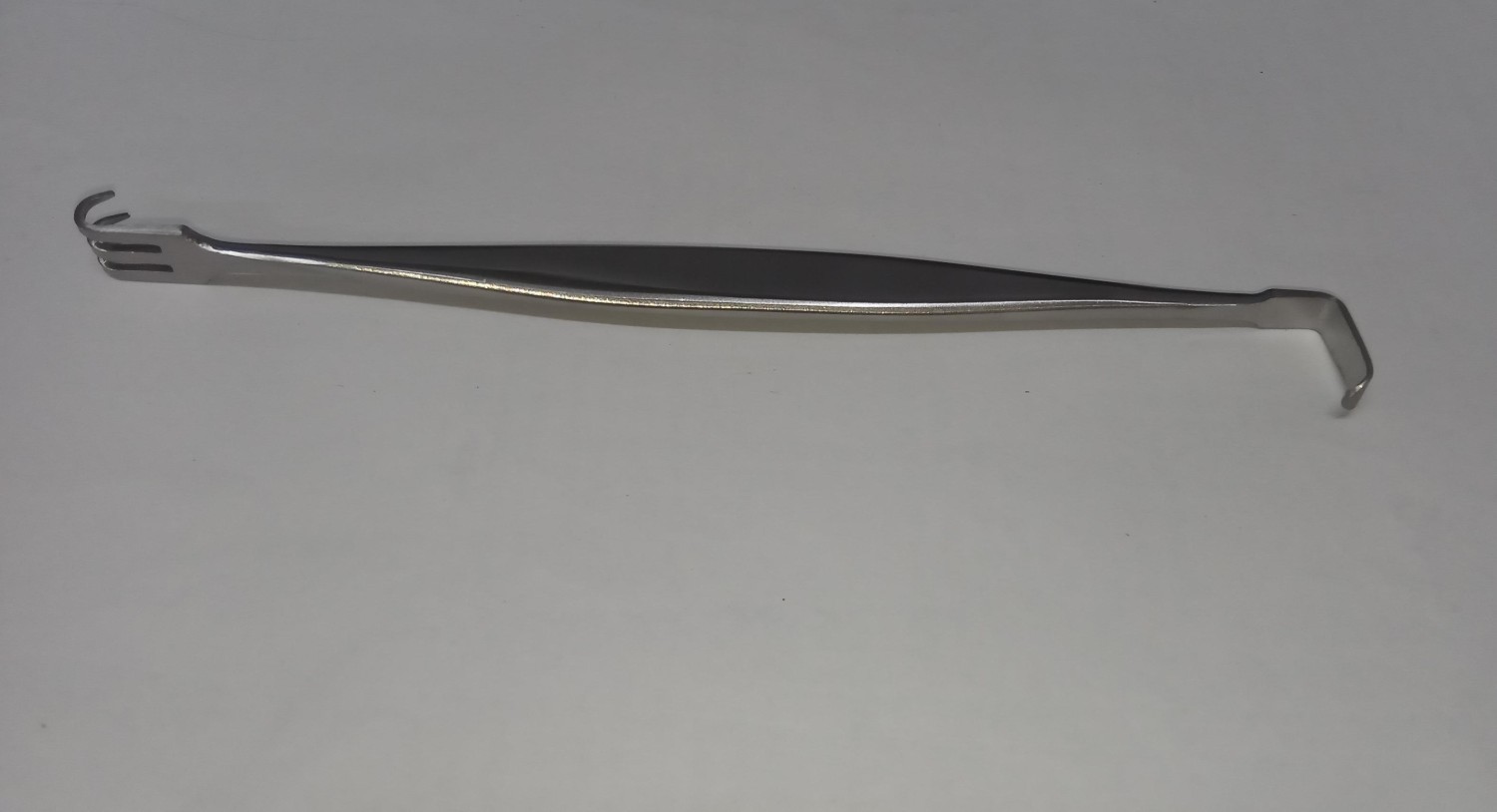
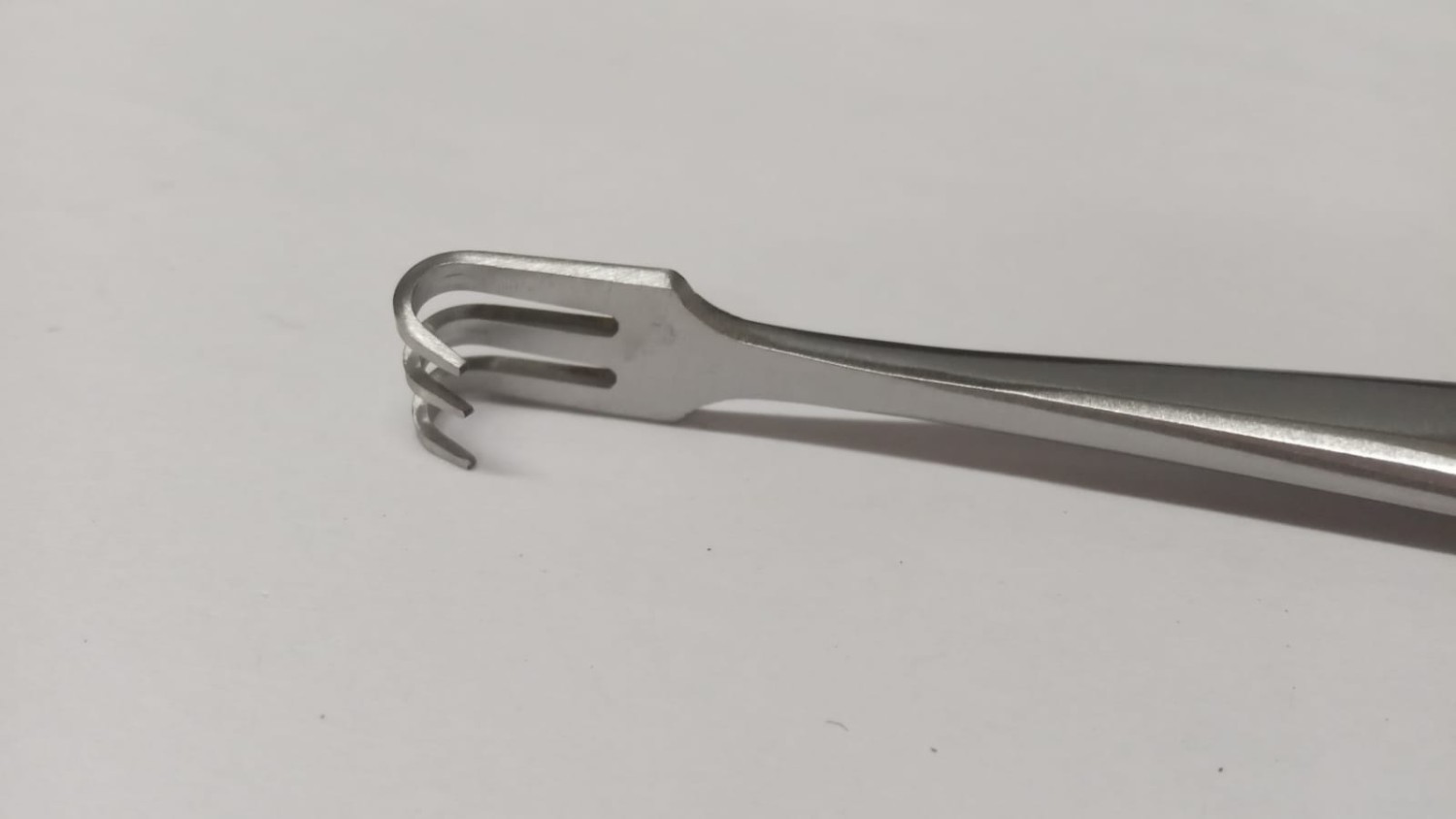
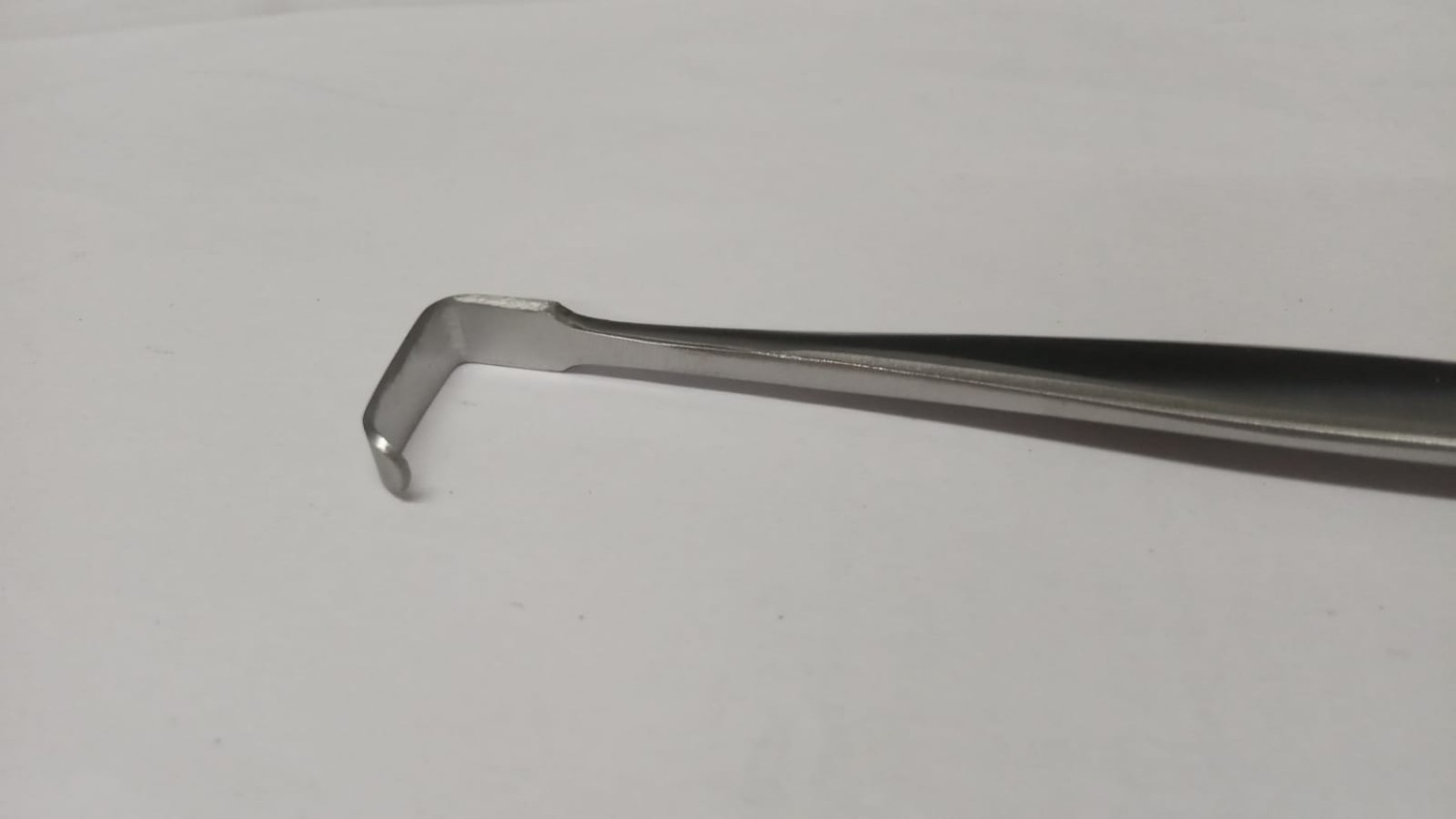
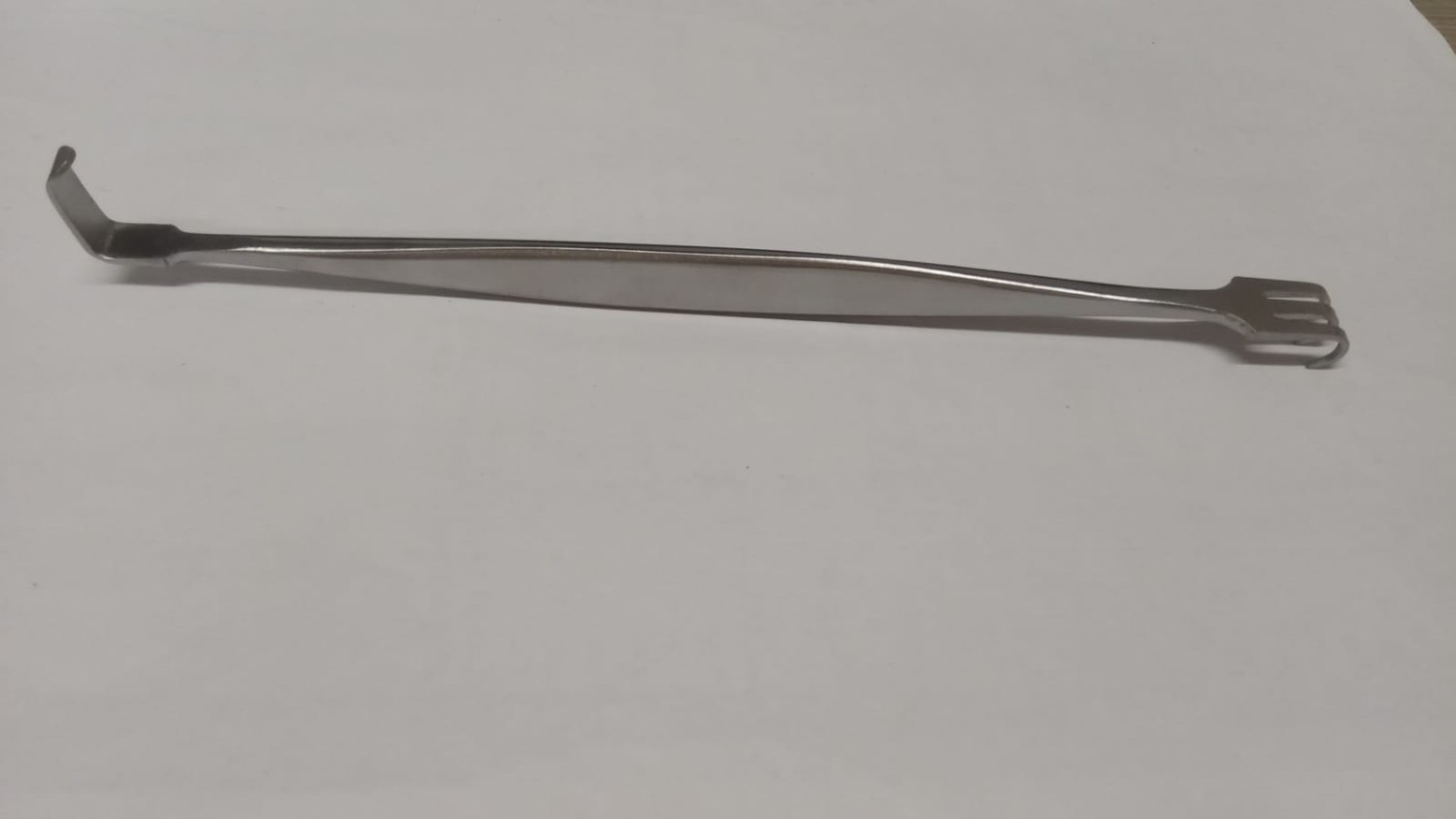
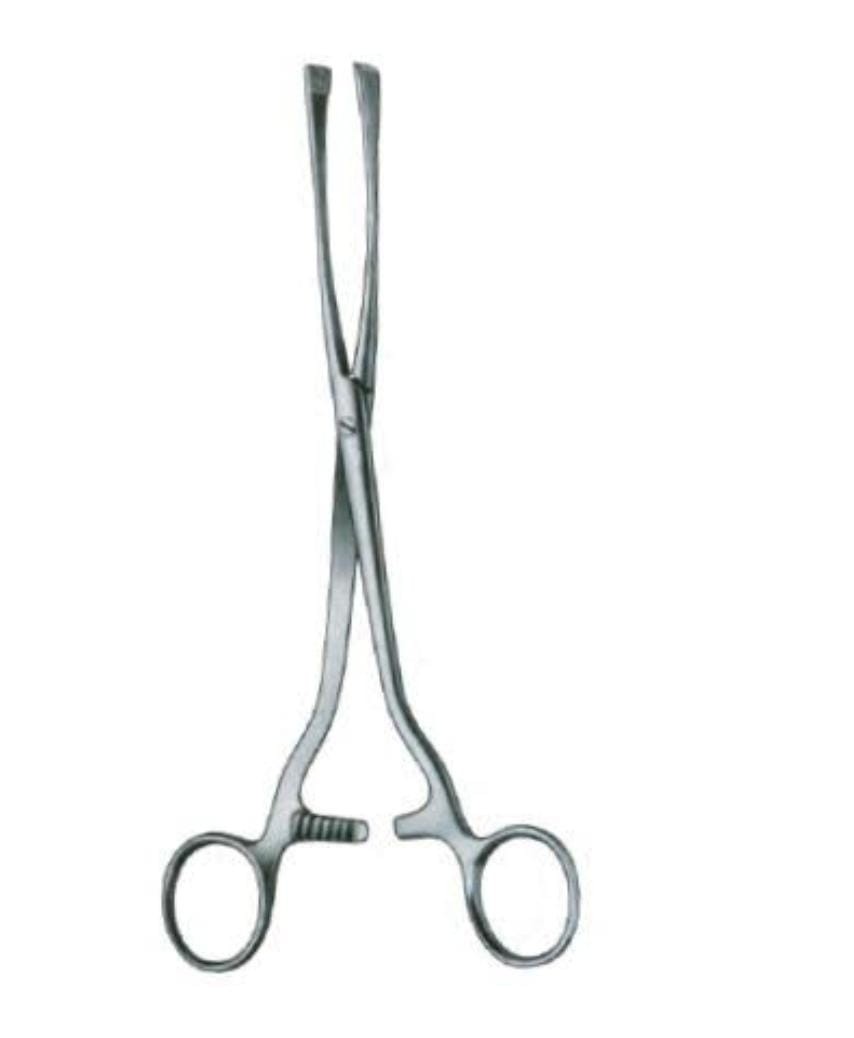
Senn Mueller Hook / Killer Forceps
Drug Name
: NA
Drug Role
: The instrument features a dual-ended design — one end has a small, sharp hook used for precise tissue manipulation, while the other end has forceps or gripping tips for holding tissues or sutures firmly.
NA
No
Ceritifcations:










Please login / register to buy or to get detailed information of the product
SKU:
Stock Available:
Batch / Lot. No:
Shelf life:
Manufacturing Date:
-
Expiry Date:
-
Minimum Pack Size:
Minimum Order Qty:
1
Pharma Categories:
• Surgical Instrument • Veterinary & Human Surgical Tools
Product Form:
• Solid metal instrument • Reusable and autoclavable
Category:
Veterinary
Group:
N/A
Type:
• Single Hook with Forceps on the opposite
Material:
• High-quality surgical stainless steel (commonly SS 316)
HSN Code:
9018
HS Code:
9018.39
Country of Origin:
Imported
TAX:
5%
Qty per Piece:
Weight Of Each Piece(gm):
Piece Dimensions (L×W×H):
Qty per Buffer Box / Shrink Pack:
Weight of Buffer Box / Shrink Pack:
Buffer Dimensions (L×W×H):
Total Qty per Case:
Total Weight per Case:
Case Dimensions (L×W×H):
Weight / Volume:
Dimensions:
Inhouse product
The instrument features a dual-ended design — one end has a small, sharp hook used for precise tissue manipulation, while the other end has forceps or gripping tips for holding tissues or sutures firmly.
• Length: Commonly available in 12 cm, 15 cm, and 18 cm
• Hook Size: Small and sharp for delicate handling
• Forceps Tip: Serrated or smooth based on variant
• Weight: Lightweight for ease of use
• Single Hook with Forceps on the opposite end
• Variants include different hook shapes such as straight or curved
• Forceps tips can be straight or angled
• High-quality surgical stainless steel (commonly SS 316)
• Corrosion-resistant and durable for long-term use
• Easy to sterilize and maintain
• Surgical Instrument
• Veterinary & Human Surgical Tools
• Specialty Forceps/Hook Instruments
• Solid metal instrument
• Reusable and autoclavable
• Holding or retracting tissues during surgery
• Precise manipulation of delicate structures
• Handling sutures or foreign bodies
• Used extensively in soft tissue and orthopaedic surgeries
• Dual functionality reduces the need for multiple instruments
• Precision in tissue handling and retraction
• Durable and reusable
• Lightweight and easy to manoeuvre
• Requires skilled handling due to sharp hook
• Not suitable for extremely large or tough tissues
• Can cause tissue trauma if used improperly
• Always handle with care to avoid injury from the sharp hook
• Ensure proper sterilization before and after each use
• Avoid using on tissues for which it’s not intended to prevent damage
• Inspect regularly for any signs of wear or damage
• Clean immediately after use with warm water and mild detergent
• Use ultrasonic cleaning if available for thorough cleaning
• Sterilize using autoclave at standard surgical instrument settings
• Store in a dry, sterile environment to prevent corrosion
• Used widely in small and large animal surgeries for tissue retraction and manipulation
• Assists in precise surgical procedures such as wound closure and foreign body removal
• Suitable for use in veterinary soft tissue and orthopaedic surgeries
• Helps minimize tissue damage and improve surgical field visibility
• Employed in human surgical procedures requiring delicate tissue handling
• Common in plastic surgery, general surgery, and orthopaedic operations
• Assists in suturing and fine tissue manipulation
• Offers enhanced control and precision during complex surgeries
• HS Code: 9018.39 — Instruments and appliances used in medical, surgical, dental, or veterinary sciences, not elsewhere specified
• HSN Code: 9018 — Medical, surgical, dental, or veterinary instruments and appliances
Q: What is the main difference between Senn Mueller Hook and regular forceps?
A: The Senn Mueller Hook has a sharp hook on one end and forceps on the other, allowing it to both
retract and hold tissues, unlike regular forceps that only grip.
Q: Can it be used for both veterinary and human surgeries?
A: Yes, it’s designed for versatility and is widely used in both veterinary and human surgical procedures.
Q: How should I sterilize this instrument?
A: Clean with detergent and warm water, then sterilize using an autoclave at standard settings. Avoid
harsh chemicals that can damage stainless steel.
Q: Is the instrument reusable?
A: Yes, it’s designed for repeated use with proper cleaning and sterilization.
Q: Are there different sizes available?
A: Yes, common sizes include 12 cm, 15 cm, and 18 cm to suit various surgical needs.
Secure Transaction
100% secure payment
Top Brand
Trusted quality
Non Return
Due to hygiene