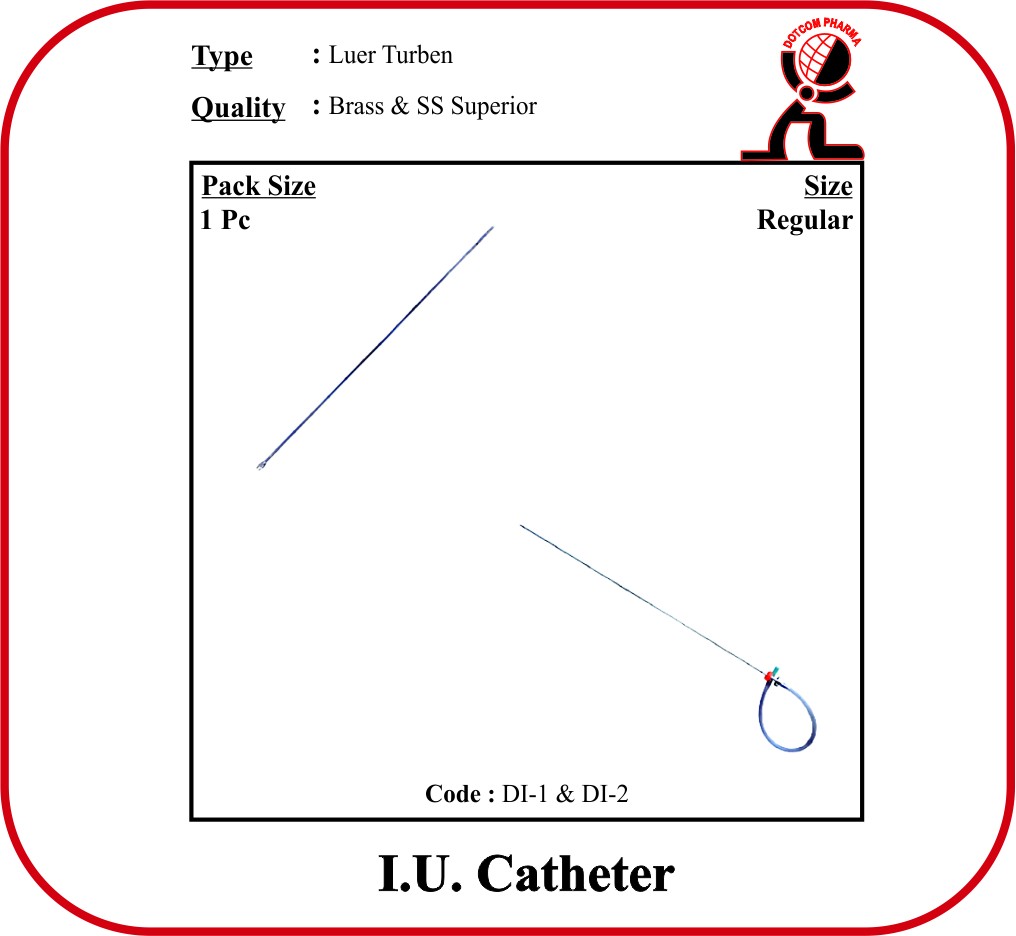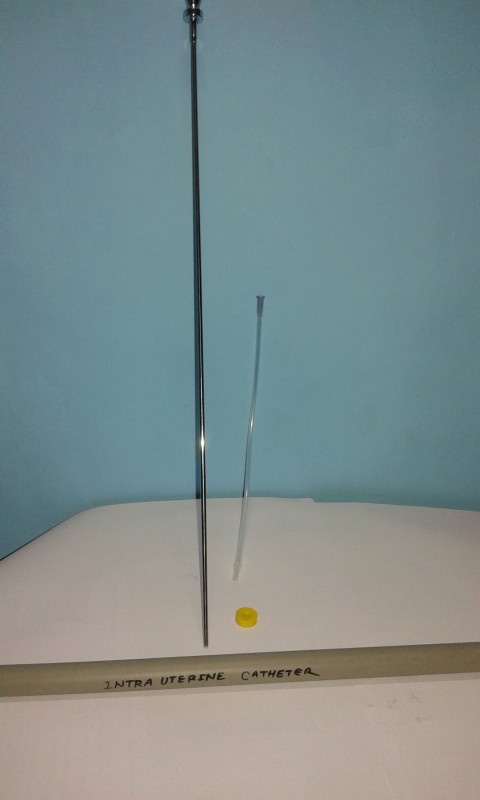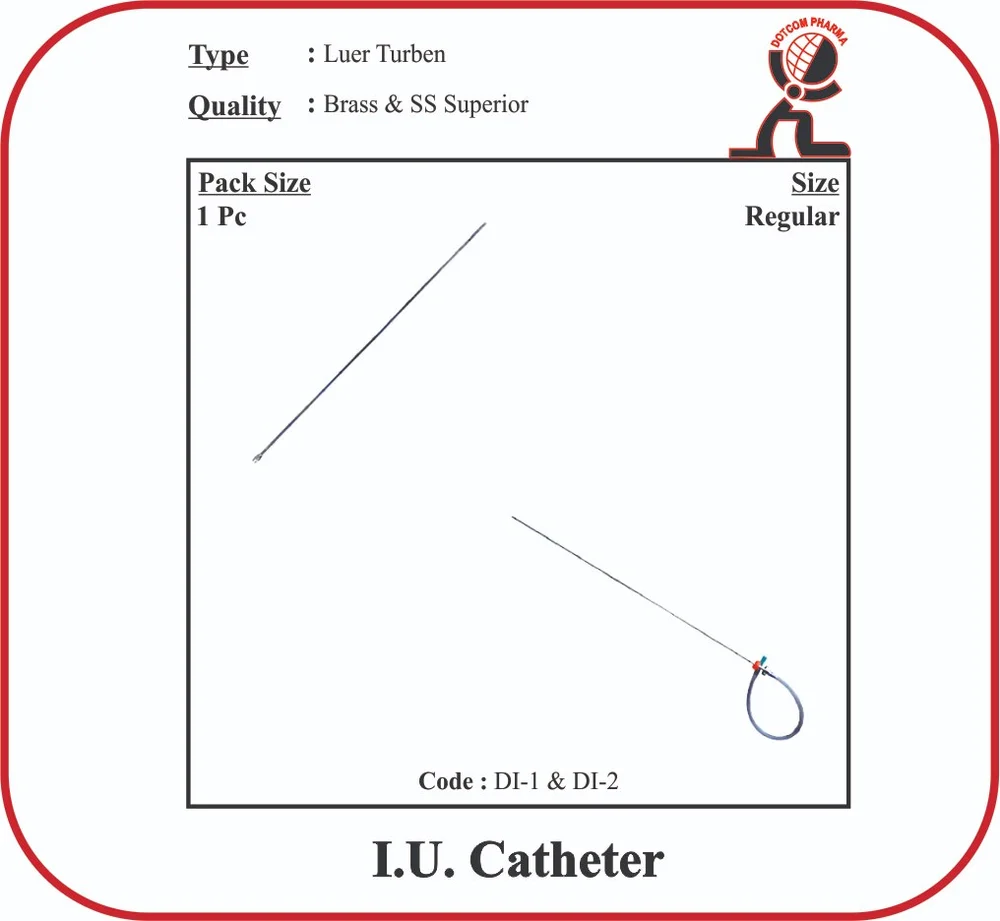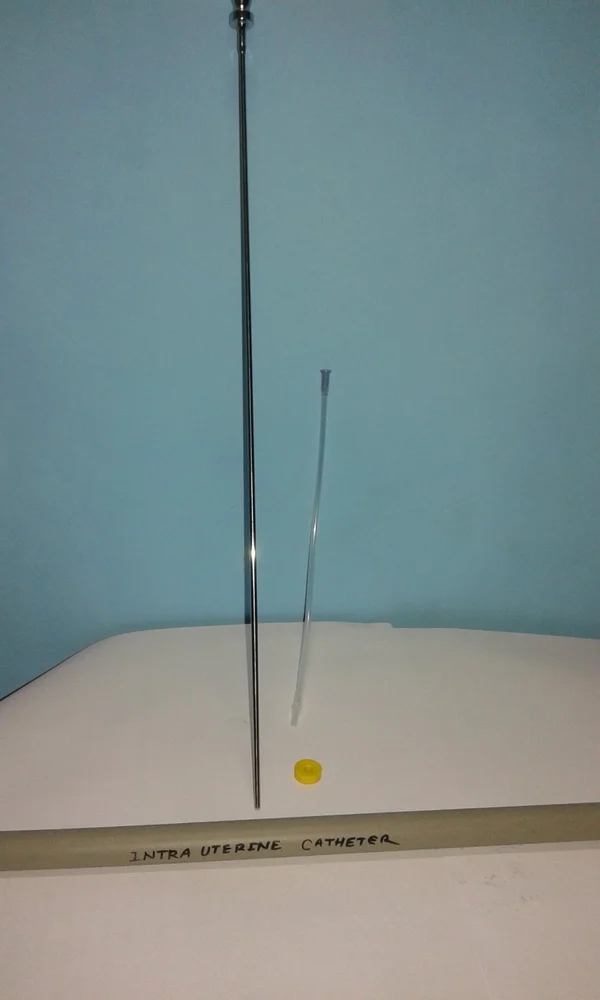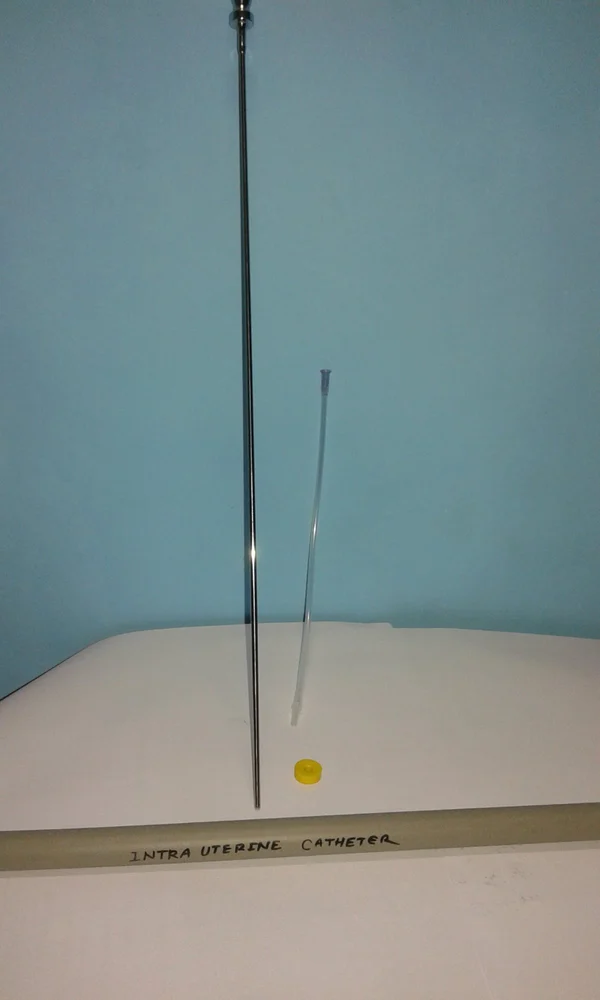
Intra Uterine Catheter

Drug Name

: NA

Drug Role

: An Intra Uterine Catheter (IUC) is a medical device used for a variety of procedures related to the uterus

Schedule:
NA
Prescription Required:
No
Brand / Mfg:
DOTCOM PHARMA
/ Piece
MRP: Inclusive of all taxes
Discount Applied:
MRP
-
Price
-
-
Discount
-
-
+ Tax
-
-
Total You Save
-
You Save:
Type
Quality
Made
Size
Quantity
(20 available)
Total Amount Product Wise:

Ceritifcations:

Certificate
Certificate
Certificate
Certificate
Certificate
Certificate
Certificate
Certificate
Certificate
Certificate

Please login / register to buy or to get detailed information of the product

SKU:

Stock Available:

Batch / Lot. No:

Shelf life:

Manufacturing Date:

-

Expiry Date:

-

Minimum Pack Size:

Minimum Order Qty:

1

Pharma Categories:

• Gynaecological Tools

Product Form:

• Physical Device (Flexible, Sterile Catheter) • Single-Use (Typically) • Pre-Sterilized Packaging

Category:

Veterinary

Group:

N/A

Type:

Single Lumen Catheters • Multi-Lumen Catheters • Embryo Transfer Catheters

Material:

Medical-Grade Silicone or PVC

HSN Code:

9018.39.00

HS Code:

9018

Country of Origin:

India

TAX:

5%

Qty per Piece:

Weight Of Each Piece:

Piece Dimensions (L×W×H):

Qty per Buffer Box / Shrink Pack:

Weight of Buffer Box / Shrink Pack:

Buffer Dimensions (L×W×H):

Total Qty per Case:

Total Weight per Case:

Case Dimensions (L×W×H):

Weight / Volume:

Dimensions:

Estimate Shipping Time: 10 Days

Inhouse product

An Intra Uterine Catheter (IUC) is a medical device used for a variety of procedures related to the uterus. It's primarily used in gynaecology for the administration of treatments, such as medication, fluids, or diagnostic fluids, directly into the uterine cavity. It is also used during assisted reproductive technologies (ART), such as Intrauterine Insemination (IUI) or embryo transfer in IVF. The catheter is designed to be flexible, sterile, and smooth to minimize discomfort and risk of injury. 

•   Material: Medical-grade silicone, PVC (Polyvinyl chloride), or polyethylene

•   Size: Typically ranging from 5 Fr to 8 Fr (French gauge measurement)

•   Length: Varies from 20 cm to 50 cm • Flexibility: Flexible shaft to navigate the cervix easily

•   Sterility: Usually pre-sterilized and single-use for medical procedures

•   Packaging: Comes in sterile packaging, ready for immediate use

•   Small (5 Fr – 6 Fr): Suitable for women with smaller uterine cavities or those requiring gentler insertion.

•   Medium (7 Fr): Standard size for most procedures and patients.

•   Large (8 Fr): Used for cases that require a larger diameter for fluid or medication delivery.

•   Straight Catheters: Most common, used for diagnostic purposes or fluid delivery.

•   Curved Catheters: Used when a more precise approach is needed, like in intrauterine insemination (IUI) or embryo transfer.

•   Flexible Catheters: Designed to be more adaptable to the cervix and uterus shape.

•   Single Lumen Catheters: One channel for the delivery of fluids or medications.

•   Multi-Lumen Catheters: Multiple channels used for simultaneous fluid delivery, irrigation, or sampling.

•   Embryo Transfer Catheters: Designed specifically for the gentle transfer of embryos during IVF treatments. 

•   Medical-Grade Silicone or PVC: Preferred for their flexibility, non-toxicity, and ease of sterilization.

•   Polyethylene: Also used for catheters that are slightly more rigid but effective for certain procedures. 

•   Gynaecological Tools

•   Assisted Reproductive Technologies (ART) Equipment

•   Medical Devices for Uterine Procedures

•   Physical Device (Flexible, Sterile Catheter)

•   Single-Use (Typically)

•   Pre-Sterilized Packaging

•   Intrauterine Insemination (IUI): Used for the direct placement of sperm into the uterus.

•   Embryo Transfer: For transferring embryos into the uterus during IVF procedures.

•   Diagnostic Procedures: Used to administer fluids or dyes for diagnostic purposes, like hysterosalpingography (HSG) or son hysterography.

•   Medication Delivery: For direct drug delivery to the uterine cavity, like for uterine infection treatment or hormonal treatments.

•   Minimizes Discomfort: Soft, flexible, and smooth design reduces irritation.

•   Precision Delivery: Ensures that fluids, medication, or sperm are delivered accurately to the uterine cavity.

•   Versatility: Can be used for diagnostic purposes or reproductive procedures like IUI and IVF.

•   Easy Insertion: Designed to navigate through the cervix without causing harm or discomfort to the patient.

•   Risk of Infection: If not properly sterilized, it can lead to infections.

•   Patient Discomfort: Some patients may feel discomfort or mild cramping during the procedure.

•   Single-Use: The need for disposal after a single use increases medical waste.

•   Sterilization: Ensure that the catheter is pre-sterilized and properly stored until use.

•   Proper Handling: Handle with care to prevent contamination and injury.

•   Insertion: Only trained healthcare professionals should perform the insertion to avoid injury.

•   Avoiding Overuse: For non-sterile versions, ensure proper sterilization between uses to prevent infection.

•   HS Code: 9018 (For medical devices such as catheters)

•   HSN Code: 9018.39.00 (For intrauterine catheters) 

•   Sterile Handling: Always ensure sterile gloves and instruments are used during insertion.

•  Storage: Keep in a sterile, dry, and clean environment until ready to use.

•   Disposal: After single use, dispose of the catheter according to medical waste disposal guidelines.

•   Pre-Sterilized: Most IUCs come pre-sterilized in sterile packaging, ready for immediate use.

•   Reusable Options: If reusable, they should be autoclaved or sterilized using chemical sterilant to ensure safety and hygiene.

•   Animal Reproductive Care: Used in veterinary practice, particularly in equine (horse) or cattle breeding for insemination or embryo transfer.

•   Uterine Health Monitoring: In some animals, these catheters are used for diagnostic purposes or the administration of treatments like antibiotics for uterine infections.

•   Intrauterine Insemination (IUI): Direct placement of sperm into the uterus for fertility treatments.

•   Embryo Transfer (IVF): Used for the gentle transfer of embryos into the uterus during IVF procedures.

•   Diagnostic Use: To introduce contrast agents or fluids for diagnostic tests like hysterosalpingography (HSG).

•   Medication Administration: Delivery of hormones, fluids, or other necessary medications directly to the uterine cavity.

Q1: Can an intrauterine catheter be used for any medical procedure?

  A: Yes, it can be used for various purposes such as IUI, IVF embryo transfers, diagnostic procedures, and medication delivery.

Q2: Is an intrauterine catheter painful to use?

  A: While the insertion may cause mild discomfort or cramping, it is generally well-tolerated with proper technique.

Q3: How do I sterilize a reusable intrauterine catheter?

  A: It can be sterilized using autoclaving or chemical sterilization methods before every use.

Q4: Is an intrauterine catheter safe?

  A: Yes, as long as proper sterilization procedures are followed, and it is used by trained professionals, it is safe and effective.

Q5: Can it be used in animals?

  A: Yes, intrauterine catheters are used in veterinary practice, especially for breeding purposes or uterine health diagnostics.

Secure Transaction

100% secure payment

Top Brand

Trusted quality

Non Return

Due to hygiene
Refund
Not Applicable
Share
Top Selling Products
0 out of 5.0
(0 reviews)
There have been no reviews for this product yet.

An Intra Uterine Catheter (IUC) is a medical device used for a variety of procedures related to the uterus. It's primarily used in gynaecology for the administration of treatments, such as medication, fluids, or diagnostic fluids, directly into the uterine cavity. It is also used during assisted reproductive technologies (ART), such as Intrauterine Insemination (IUI) or embryo transfer in IVF. The catheter is designed to be flexible, sterile, and smooth to minimize discomfort and risk of injury. 

•   Material: Medical-grade silicone, PVC (Polyvinyl chloride), or polyethylene

•   Size: Typically ranging from 5 Fr to 8 Fr (French gauge measurement)

•   Length: Varies from 20 cm to 50 cm • Flexibility: Flexible shaft to navigate the cervix easily

•   Sterility: Usually pre-sterilized and single-use for medical procedures

•   Packaging: Comes in sterile packaging, ready for immediate use

•   Small (5 Fr – 6 Fr): Suitable for women with smaller uterine cavities or those requiring gentler insertion.

•   Medium (7 Fr): Standard size for most procedures and patients.

•   Large (8 Fr): Used for cases that require a larger diameter for fluid or medication delivery.

•   Straight Catheters: Most common, used for diagnostic purposes or fluid delivery.

•   Curved Catheters: Used when a more precise approach is needed, like in intrauterine insemination (IUI) or embryo transfer.

•   Flexible Catheters: Designed to be more adaptable to the cervix and uterus shape.

•   Single Lumen Catheters: One channel for the delivery of fluids or medications.

•   Multi-Lumen Catheters: Multiple channels used for simultaneous fluid delivery, irrigation, or sampling.

•   Embryo Transfer Catheters: Designed specifically for the gentle transfer of embryos during IVF treatments. 

•   Medical-Grade Silicone or PVC: Preferred for their flexibility, non-toxicity, and ease of sterilization.

•   Polyethylene: Also used for catheters that are slightly more rigid but effective for certain procedures. 

•   Gynaecological Tools

•   Assisted Reproductive Technologies (ART) Equipment

•   Medical Devices for Uterine Procedures

•   Physical Device (Flexible, Sterile Catheter)

•   Single-Use (Typically)

•   Pre-Sterilized Packaging

•   Intrauterine Insemination (IUI): Used for the direct placement of sperm into the uterus.

•   Embryo Transfer: For transferring embryos into the uterus during IVF procedures.

•   Diagnostic Procedures: Used to administer fluids or dyes for diagnostic purposes, like hysterosalpingography (HSG) or son hysterography.

•   Medication Delivery: For direct drug delivery to the uterine cavity, like for uterine infection treatment or hormonal treatments.

•   Minimizes Discomfort: Soft, flexible, and smooth design reduces irritation.

•   Precision Delivery: Ensures that fluids, medication, or sperm are delivered accurately to the uterine cavity.

•   Versatility: Can be used for diagnostic purposes or reproductive procedures like IUI and IVF.

•   Easy Insertion: Designed to navigate through the cervix without causing harm or discomfort to the patient.

•   Risk of Infection: If not properly sterilized, it can lead to infections.

•   Patient Discomfort: Some patients may feel discomfort or mild cramping during the procedure.

•   Single-Use: The need for disposal after a single use increases medical waste.

•   Sterilization: Ensure that the catheter is pre-sterilized and properly stored until use.

•   Proper Handling: Handle with care to prevent contamination and injury.

•   Insertion: Only trained healthcare professionals should perform the insertion to avoid injury.

•   Avoiding Overuse: For non-sterile versions, ensure proper sterilization between uses to prevent infection.

•   HS Code: 9018 (For medical devices such as catheters)

•   HSN Code: 9018.39.00 (For intrauterine catheters) 

•   Sterile Handling: Always ensure sterile gloves and instruments are used during insertion.

•  Storage: Keep in a sterile, dry, and clean environment until ready to use.

•   Disposal: After single use, dispose of the catheter according to medical waste disposal guidelines.

•   Pre-Sterilized: Most IUCs come pre-sterilized in sterile packaging, ready for immediate use.

•   Reusable Options: If reusable, they should be autoclaved or sterilized using chemical sterilant to ensure safety and hygiene.

•   Animal Reproductive Care: Used in veterinary practice, particularly in equine (horse) or cattle breeding for insemination or embryo transfer.

•   Uterine Health Monitoring: In some animals, these catheters are used for diagnostic purposes or the administration of treatments like antibiotics for uterine infections.

•   Intrauterine Insemination (IUI): Direct placement of sperm into the uterus for fertility treatments.

•   Embryo Transfer (IVF): Used for the gentle transfer of embryos into the uterus during IVF procedures.

•   Diagnostic Use: To introduce contrast agents or fluids for diagnostic tests like hysterosalpingography (HSG).

•   Medication Administration: Delivery of hormones, fluids, or other necessary medications directly to the uterine cavity.

Q1: Can an intrauterine catheter be used for any medical procedure?

  A: Yes, it can be used for various purposes such as IUI, IVF embryo transfers, diagnostic procedures, and medication delivery.

Q2: Is an intrauterine catheter painful to use?

  A: While the insertion may cause mild discomfort or cramping, it is generally well-tolerated with proper technique.

Q3: How do I sterilize a reusable intrauterine catheter?

  A: It can be sterilized using autoclaving or chemical sterilization methods before every use.

Q4: Is an intrauterine catheter safe?

  A: Yes, as long as proper sterilization procedures are followed, and it is used by trained professionals, it is safe and effective.

Q5: Can it be used in animals?

  A: Yes, intrauterine catheters are used in veterinary practice, especially for breeding purposes or uterine health diagnostics.

0 out of 5.0
(0 reviews)
There have been no reviews for this product yet.

More From Instruments

Top Selling Products
Search any image
Drag an image here or upload a file
Or