 +91 88281
11034
+91 88281
11034
 Need Help?




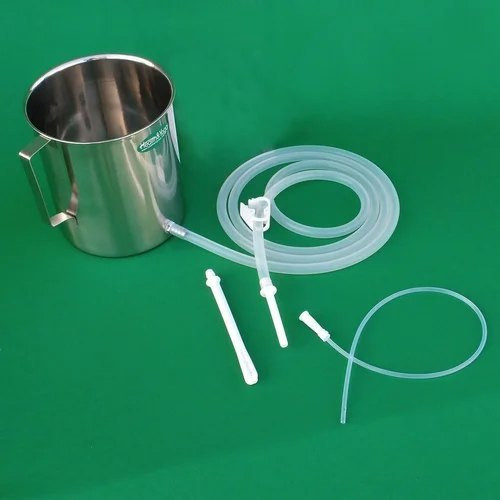
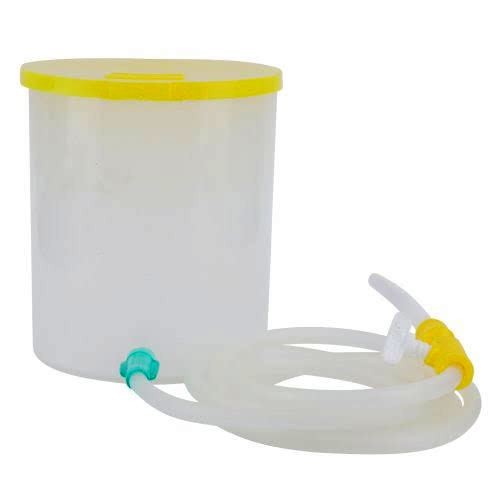
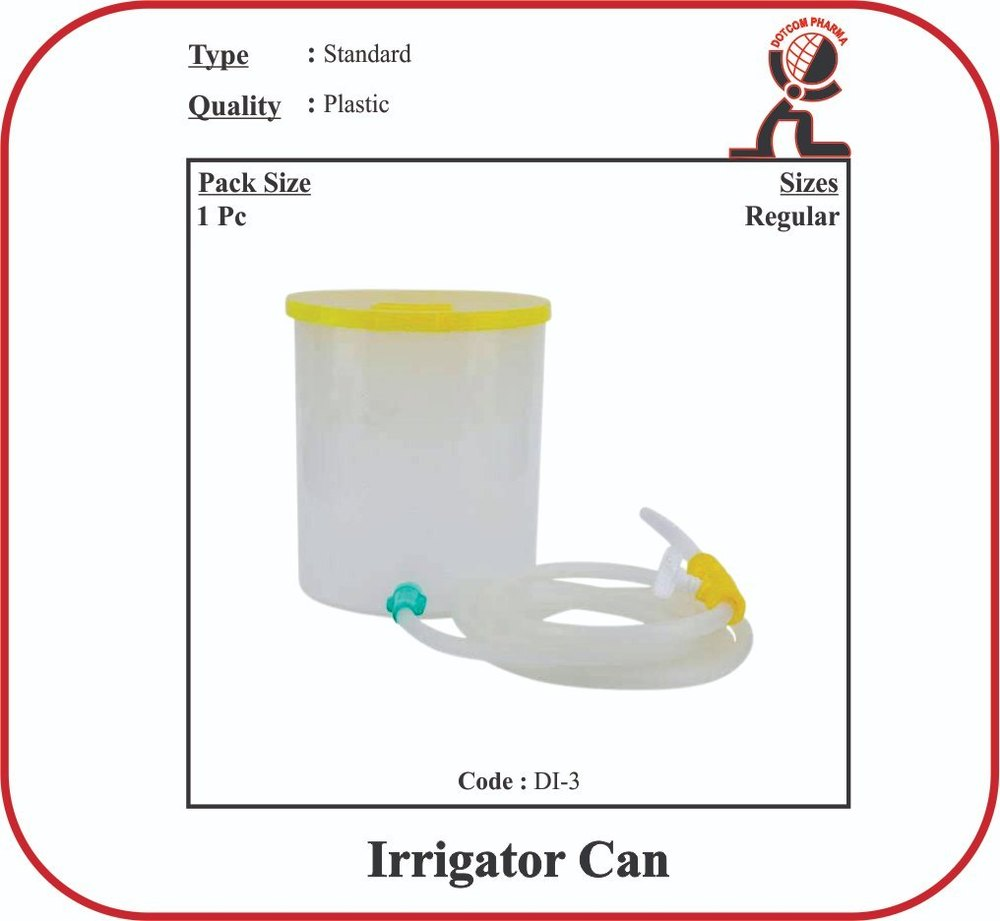
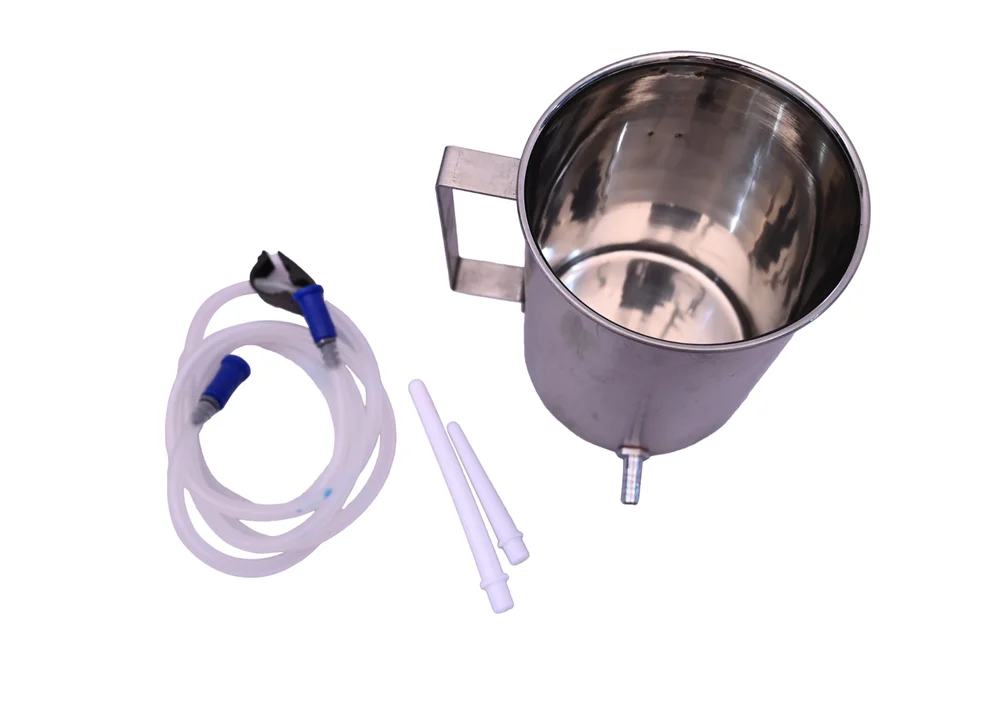
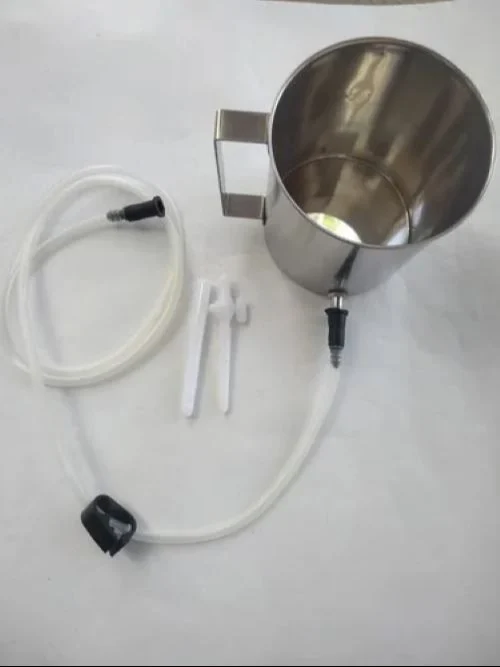
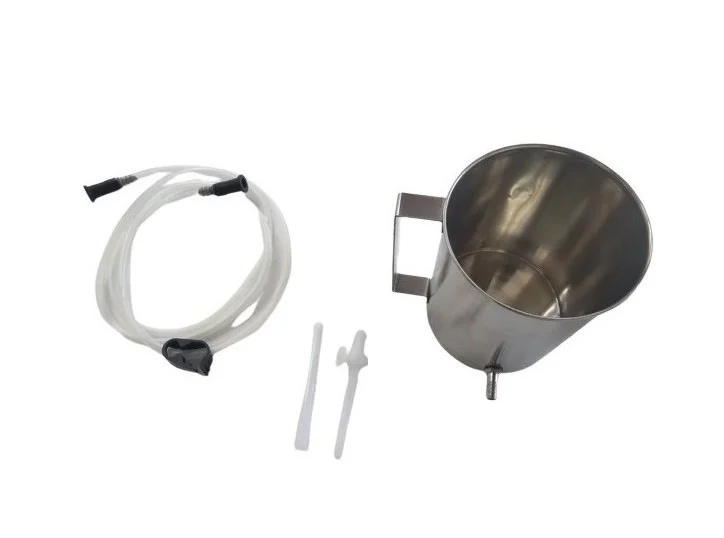
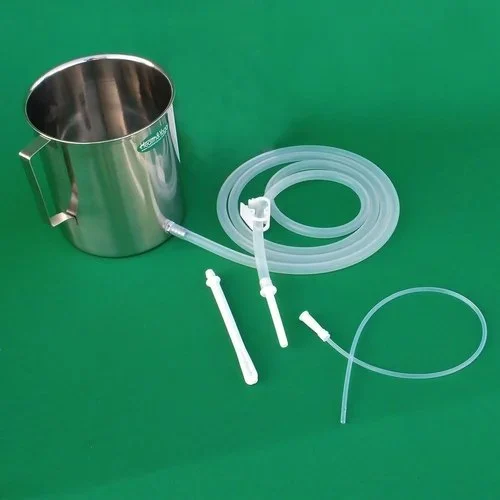
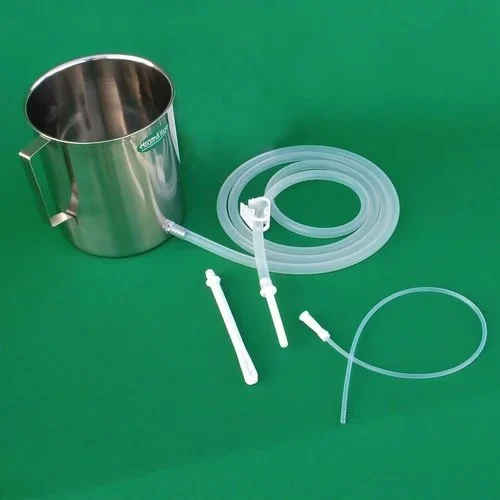
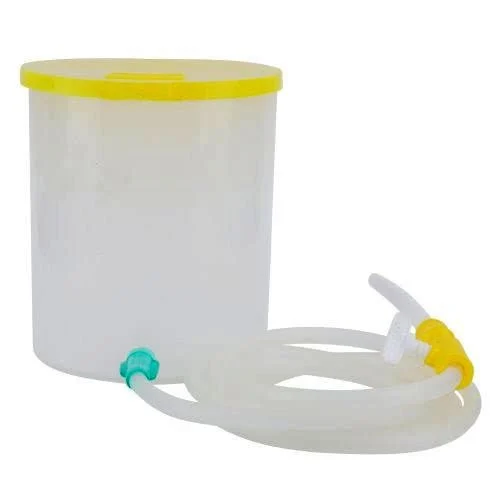
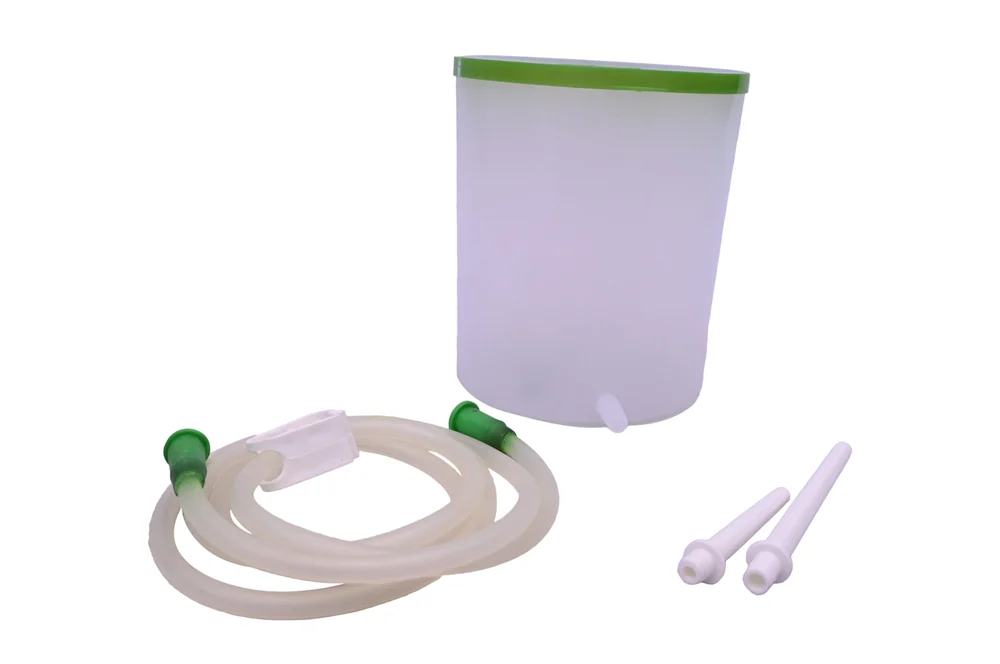
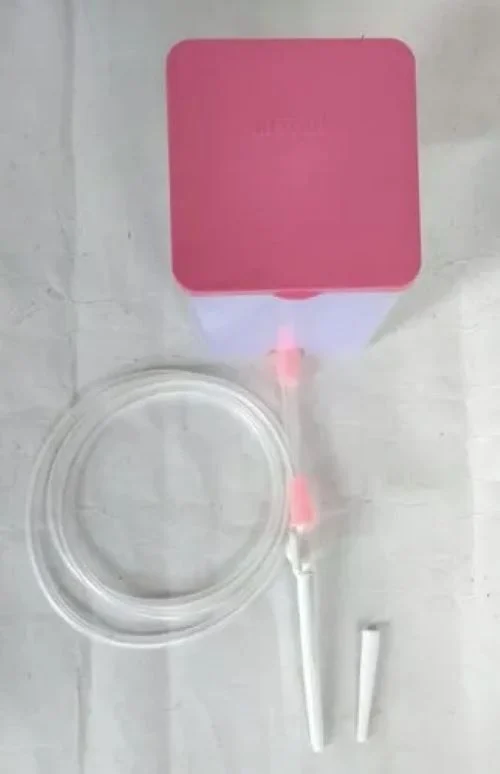
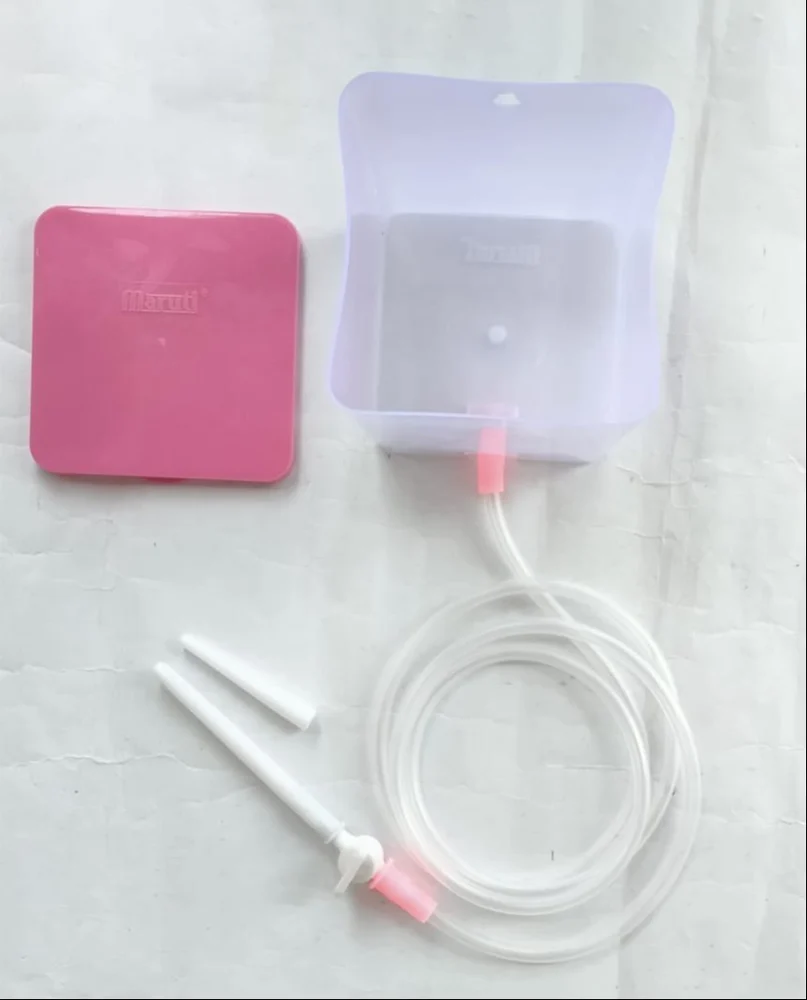
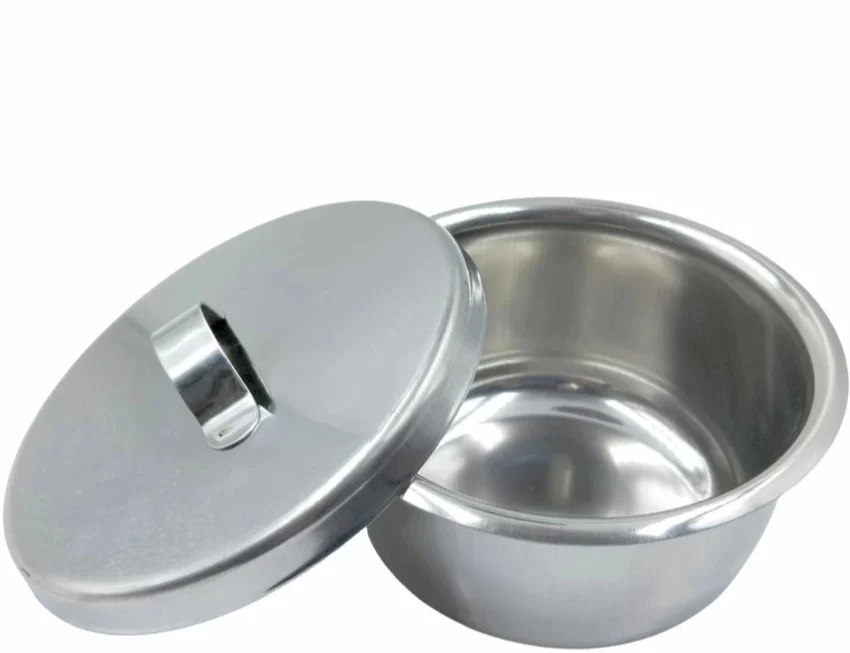
Irrigator Can
Drug Name
: NA
Drug Role
: An Irrigator Can is a medical device used to deliver fluids or medications into a specific body cavity
NA
No
Ceritifcations:










Please login / register to buy or to get detailed information of the product
SKU:
Stock Available:
Batch / Lot. No:
Shelf life:
Manufacturing Date:
-
Expiry Date:
-
Minimum Pack Size:
Minimum Order Qty:
1
Pharma Categories:
Medical & Veterinary Instruments
Product Form:
Irrigator Can
Category:
Instruments
Group:
N/A
Type:
Irrigation Container
Material:
• Stainless Steel
Tags
HSN Code:
9018.90.90
HS Code:
9018
Country of Origin:
India
TAX:
5%
Qty per Piece:
Weight Of Each Piece(gm):
Piece Dimensions (L×W×H):
Qty per Buffer Box / Shrink Pack:
Weight of Buffer Box / Shrink Pack:
Buffer Dimensions (L×W×H):
Total Qty per Case:
Total Weight per Case:
Case Dimensions (L×W×H):
Weight / Volume:
Dimensions:
Inhouse product
An Irrigator Can is a medical device used to deliver fluids or medications into a specific body cavity, such as the wound, rectum, or vagina, for cleaning, irrigation, or treatment purposes. It is often used in surgical procedures, wound care, or in certain diagnostic and therapeutic practices. Typically, it is a canister with a nozzle or tube that allows controlled flow of the liquid or solution. It is designed to provide an effective and regulated flow of the irrigating fluid.
• Material: High-grade stainless steel or plastic (for the can); rubber or silicone for the tubing and nozzle.
• Capacity: Usually 500 ml to 2 litres, depending on the application.
• Nozzle Type: Comes with various nozzle types such as straight, angled, or curved, based on the irrigation needs.
• Tubing Length: Tubing is typically between 1.5 to 2 meters, depending on the type of irrigation being done.
• Sterility: Often supplied as non-sterile, requiring sterilization before first use.
• Small (500 ml – 1 litre): Ideal for minor irrigation or wound care.
• Medium (1.5 litres): Suitable for general use, such as for irrigation during medical procedures or for cleaning wounds.
• Large (2 litres): Used in larger-scale applications, such as gastrointestinal or vaginal irrigations.
• Cylinder or Can Shape: Standard, ergonomic design for ease of handling.
• Flat Shape: Found in more compact versions, often designed for portability.
• Rectangular Shape: Typically used for specialized irrigation systems
• Basic Irrigator Can: Simple design with a single nozzle for general-purpose irrigation.
• Surgical Irrigator Can: Often used in surgical settings, typically featuring longer tubing and a more precise flow mechanism.
• Vaginal Irrigator Can: Specifically designed for vaginal irrigation with specialized nozzles.
• Rectal Irrigator Can: Used for rectal irrigation, usually with a soft, flexible nozzle.
• Stainless Steel (Canister): Known for durability, resistance to corrosion, and ease of cleaning.
• Plastic (Canister): Lighter in weight but still strong and reliable for disposable or reusable models.
• Rubber or Silicone (Tubing/Nozzles): Soft, flexible materials used for the tubes and nozzles to provide comfort and manoeuvrability.
• Medical Instruments
• Wound Care Equipment
• Surgical Supplies
• Gastrointestinal Tools
• Physical Device (Metal or plastic can with attached tubing)
• Non-Sterile (Requires sterilization before first use)
• Wound Irrigation: Used to cleanse wounds by flushing out debris, bacteria, and other contaminants.
• Vaginal Irrigation: Used in gynaecology for vaginal cleansing, especially after certain medical procedures.
• Rectal Irrigation: Often used for cleansing before certain rectal procedures or for bowel preparation.
• Post-Surgical Use: Cleanses surgical sites by delivering saline or other solutions directly to the site.
• Hydration/Flushing: Can also be used for rehydration or to flush certain body cavities during medical procedures.
• Efficient Fluid Delivery: Delivers controlled, regulated amounts of fluid, reducing wastage.
• Versatile Use: Can be used for a variety of medical, surgical, and personal care procedures.
• Ease of Use: Simple, intuitive design allows medical staff or patients to administer irrigation with minimal difficulty.
• Reusable (if Stainless Steel): Stainless steel versions can be sterilized and reused, offering cost savings in the long term.
• Risk of Infection: If the can is not properly sterilized, it could cause infection.
• Requires Proper Handling: The fluid pressure needs to be carefully monitored to avoid injury or discomfort.
• Limited Fluid Capacity: For some procedures, larger capacities might be required, making standard irrigator cans unsuitable.
• Sterilization: Ensure the can and tubing are properly sterilized before each use to prevent infection.
• Monitor Fluid Pressure: Ensure that the pressure of the fluid is controlled to avoid discomfort or damage to sensitive tissues.
• Single-Use or Multi-Use: If disposable, follow proper disposal protocols; reusable versions should be cleaned and sterilized properly.
• Consult Medical Professionals: For certain irrigation procedures, such as rectal or vaginal, seek professional guidance to avoid misuse.
• HS Code: 9018 (For medical devices, including catheters and surgical instruments)
• HSN Code: 9018.90.90 (For irrigators and other related medical devices)
• Sterile Handling: Always wear gloves and use sterile equipment when handling the irrigator can.
• Proper Storage: Store in a dry, clean area to avoid contamination.
• Disposal (if Disposable): Dispose of single-use models following medical waste disposal protocols.
• Autoclave Sterilization: For reusable stainless steel models, autoclaving is the recommended sterilization method.
• Chemical Sterilization: For plastic versions, chemical sterilization might be used, depending on the material's requirements.
• Animal Wound Irrigation: Used to flush out dirt, debris, and bacteria from animal wounds.
• Rectal Irrigation in Livestock: Used in veterinary medicine for gastrointestinal procedures or to clear out the bowels of animals.
• Surgical Procedures: Veterinarians may use the irrigator can for wound irrigation during or after surgeries, especially in large animals like cattle or horses.
• Wound Care: Used for irrigation of post-surgical or traumatic wounds to remove contaminants.
• Vaginal Irrigation: In gynaecology, it’s used after certain procedures or as part of medical treatments for vaginal infections.
• Rectal Irrigation: For bowel preparation before rectal or colon surgery, or for general colon cleansing.
• Hydration and Fluid Flushing: Can be used in specific treatments for the delivery of fluids into body cavities.
Q1: Can the irrigator can be reused?
A: Yes, many irrigator cans, especially those made of stainless steel, are designed to be reusable after proper cleaning and sterilization.
Q2: How should I clean the irrigator can after use?
A: Clean thoroughly with warm, soapy water, rinse well, and sterilize with an autoclave or chemical sterilization method depending on the material.
Q3: What liquids can be used with an irrigator can?
A: Typically, saline solutions, antiseptics, or prescribed medications can be used for irrigation, depending on the medical purpose.
Q4: Is the use of the irrigator can painful?
A: The procedure may cause mild discomfort, especially if excessive fluid pressure is used or if the procedure is done in a sensitive area. It’s generally well-tolerated with proper technique.
Secure Transaction
100% secure payment
Top Brand
Trusted quality
Non Return
Due to hygiene