 +91 88281
11034
+91 88281
11034
 Need Help?



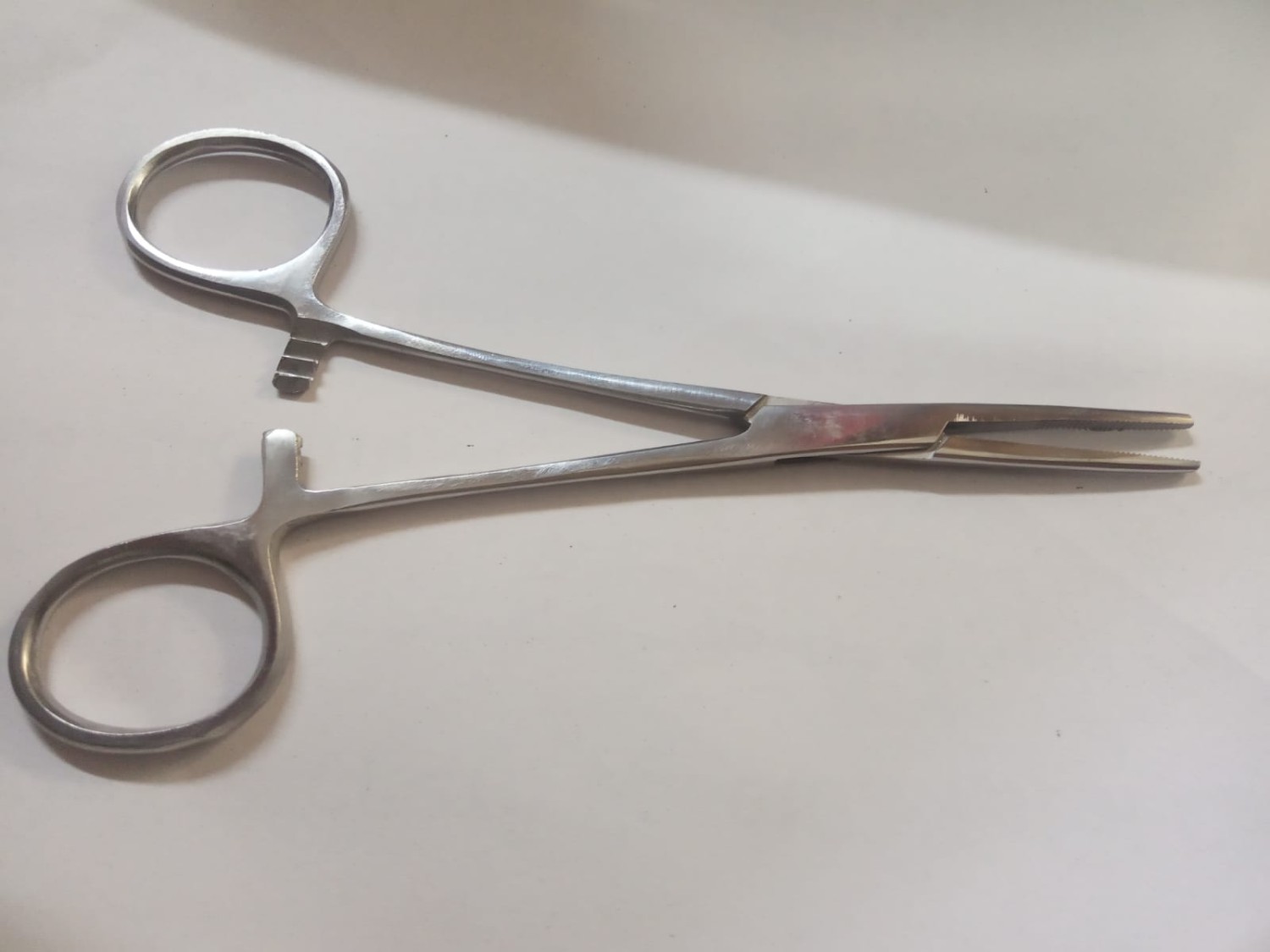
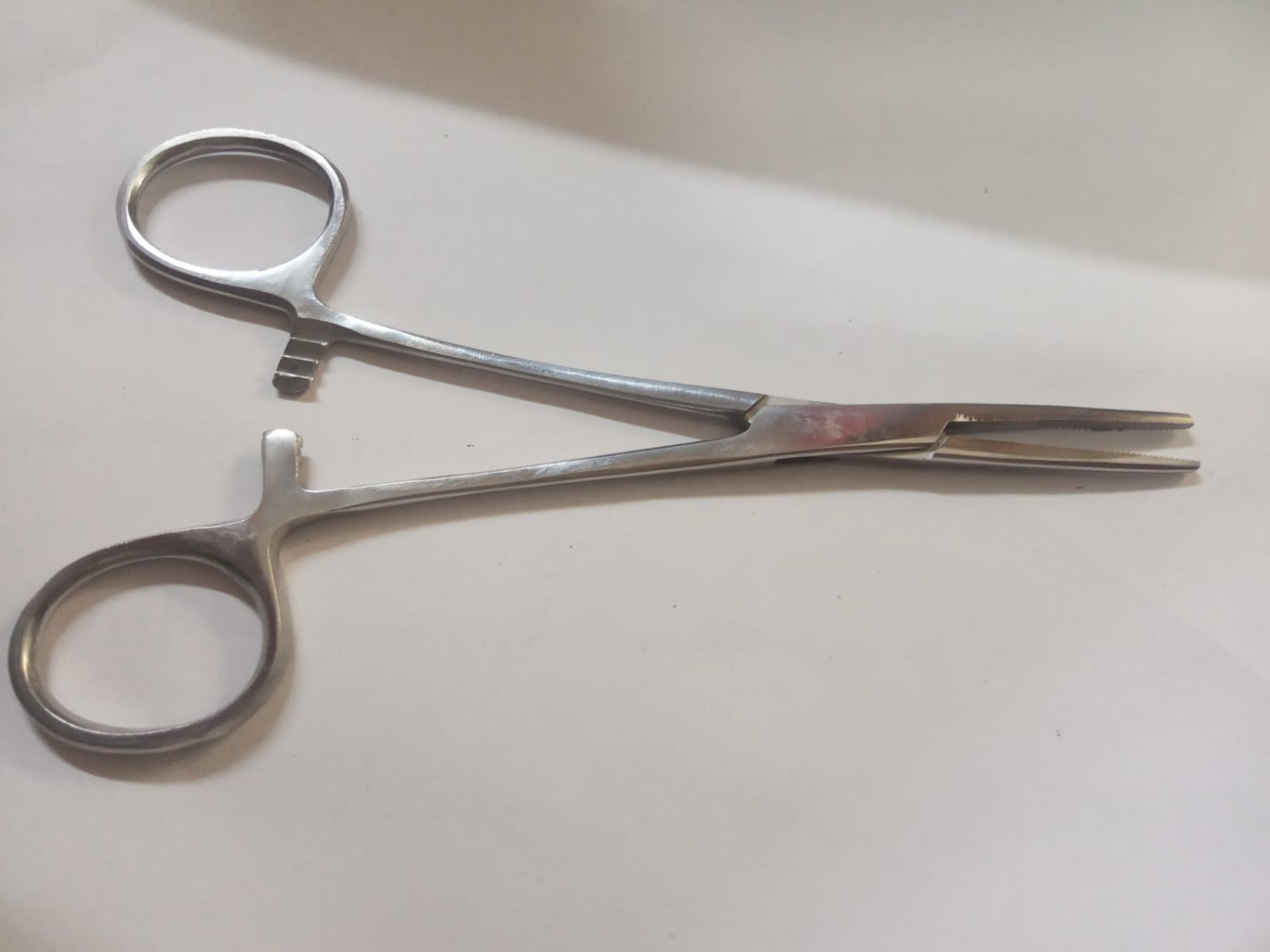
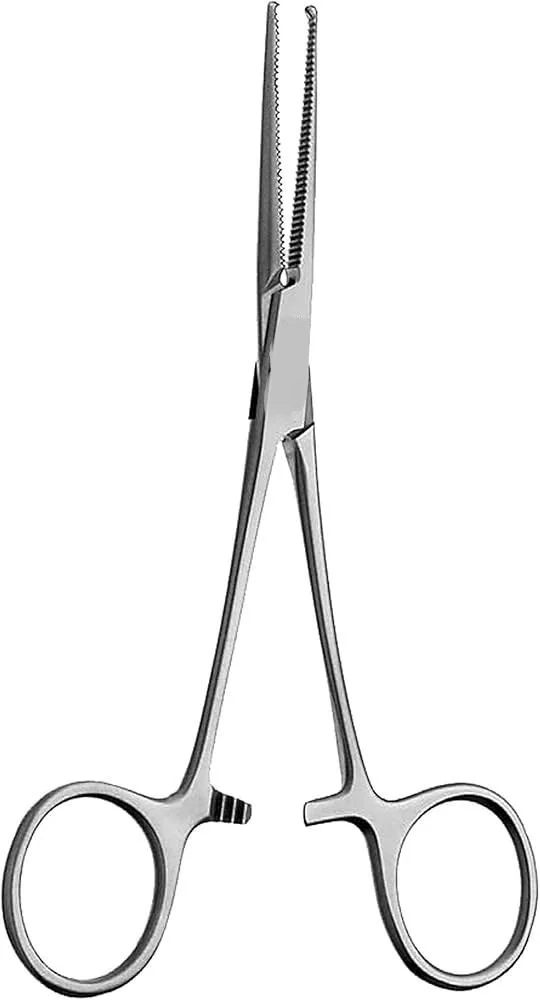
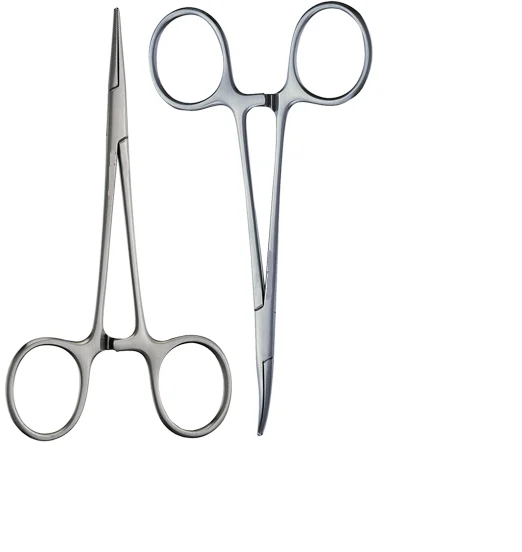
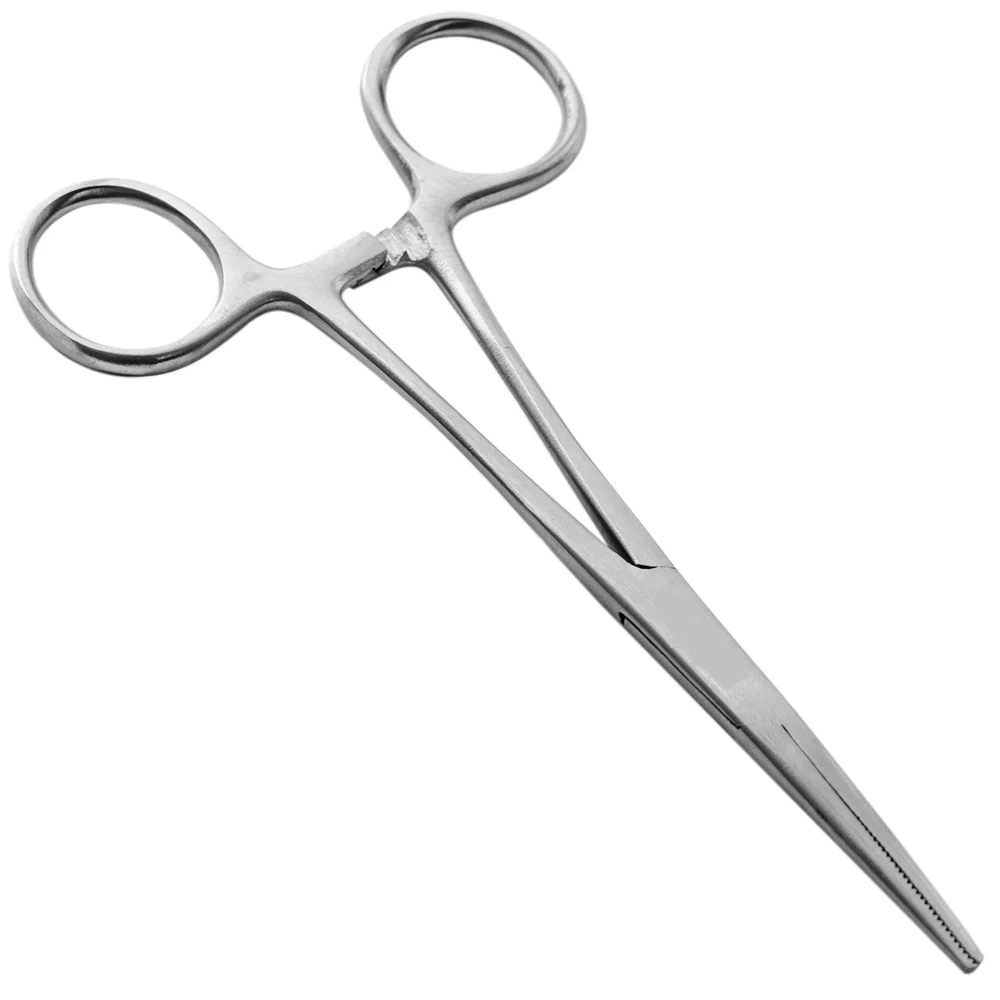
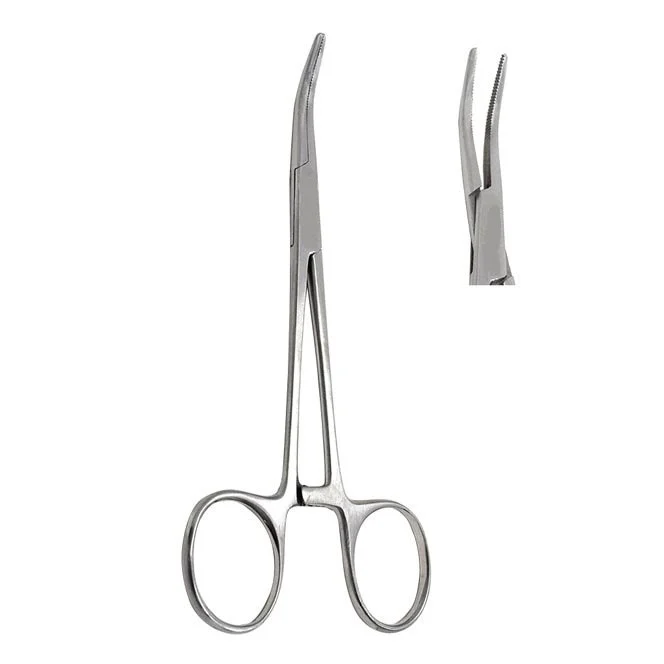
Kelly's Forceps
Drug Name
: NA
Drug Role
: Kelly's Forceps are surgical instruments used primarily for clamping or grasping tissues, blood vessels, or other structures during surgical procedures
NA
No
Ceritifcations:










Please login / register to buy or to get detailed information of the product
SKU:
Stock Available:
Batch / Lot. No:
Shelf life:
Manufacturing Date:
-
Expiry Date:
-
Minimum Pack Size:
Minimum Order Qty:
1
Pharma Categories:
• Surgical Instruments • Clamps & Forceps • Vascular Forceps • Haemostatic Instruments
Product Form:
• Reusable • Sterile • Disposable
Category:
Instruments
Group:
N/A
Type:
• Straight Kelly's Forceps • Curved Kelly's Forceps
Material:
• Stainless Steel
HSN Code:
9018.90
HS Code:
9018
Country of Origin:
India
TAX:
5%
Qty per Piece:
Weight Of Each Piece(gm):
Piece Dimensions (L×W×H):
Qty per Buffer Box / Shrink Pack:
Weight of Buffer Box / Shrink Pack:
Buffer Dimensions (L×W×H):
Total Qty per Case:
Total Weight per Case:
Case Dimensions (L×W×H):
Weight / Volume:
Dimensions:
Inhouse product
Kelly's Forceps are surgical instruments used primarily for clamping or grasping tissues, blood vessels, or other structures during surgical procedures. They are characterized by their curved or straight jaws with a ratchet locking mechanism, which allows for a firm and controlled grip without requiring constant pressure from the surgeon. Kelly's forceps are larger than other forceps, making them suitable for holding or compressing larger tissues during surgeries.
• Material: Stainless steel, known for its durability, corrosion resistance, and ability to be sterilized.
• Length: Commonly ranges from 14 cm to 24 cm, with the most common being around 18 cm.
• Jaws: The jaws are typically serrated for a firm grip.
• Type: Available in straight or curved designs for different surgical needs.
• Locking Mechanism: Ratchet lock for a secure grip, reducing the need for continuous hand pressure.
• Small (14 cm): Ideal for delicate procedures and minor surgeries where precision is needed.
• Medium (18 cm): Most common size used in general surgeries and gynaecological procedures.
• Large (24 cm): Used for major surgeries where more force is required to clamp larger tissues or blood vessels.
• Straight: The straight Kelly's forceps are used when access to the surgical site is straightforward, allowing for direct clamping of tissues or vessels.
• Curved: The curved Kelly's forceps provide better manoeuvrability and are often used in deep or confined spaces for more precise control.
• Straight Kelly's Forceps: The most commonly used forceps, featuring straight jaws for use in wide-open spaces.
• Curved Kelly's Forceps: These have slightly curved jaws, making them ideal for use in tight or restricted spaces.
• Haemostatic Kelly Forceps: These are specifically designed to control bleeding during surgical procedures, often used to clamp blood vessels.
• Stainless Steel: The most common material used due to its strength, rust resistance, and sterilization compatibility.
• Titanium (Less Common): Some high-end forceps are made from titanium, making them lightweight and highly durable.
• Surgical Instruments
• Clamps & Forceps
• Vascular Forceps
• Haemostatic Instruments
• Reusable: Kelly’s forceps are designed to be reused after sterilization.
• Sterile: Most forceps come sterilized, ready for immediate use in surgical procedures.
• Disposable: Rarely, single-use Kelly forceps may be offered for procedures that require disposable instruments
• Haemostasis: Primarily used to control bleeding by clamping blood vessels or tissues.
• Tissue Clamping: Used to hold or compress tissue during surgical dissection or when suturing.
• Obstetrics & Gynaecology: Common in gynaecological procedures for clamping the cervix or other tissues during surgery.
• Urology and Vascular Surgery: Used in vascular surgeries to clamp blood vessels during urological procedures or reconstructive surgeries.
• Strong Grip: The serrated jaws ensure a firm and controlled grip on tissues, blood vessels, or surgical instruments.
• Durability: Made from stainless steel, these forceps can withstand repeated use and sterilization without degrading.
• Versatility: Suitable for multiple surgical applications, from minor surgeries to complex vascular procedures.
• Easy to Handle: The ratchet lock allows the surgeon to maintain a secure grip without needing continuous hand pressure.
• Size Limitations: While versatile, Kelly’s forceps may be too large for some delicate, fine tissue manipulation.
• Potential for Tissue Damage: If not used carefully, the forceps' serrated jaws can cause damage to sensitive tissues or blood vessels.
• Proper Handling: Handle the forceps gently to avoid damaging tissues or causing unnecessary trauma.
• Sterilization: Ensure that the forceps are properly sterilized before each use to prevent infection.
• Inspection: Regularly inspect the forceps for any damage to the jaws or locking mechanism to ensure they perform reliably during surgeries.
• HS Code: 9018 (Surgical instruments and parts)
• HSN Code: 9018.90 (For forceps, clamps, and related surgical instruments)
• Sterile Handling: Always handle the forceps using sterile gloves to avoid contaminating the surgical area.
• Careful Storage: After use, clean and sterilize the forceps, storing them in a sterile environment for reuse.
• Avoid Over-Tightening: Ensure that the locking mechanism is not over-tightened to prevent the jaws from damaging tissues.
• Autoclaving: The most common method for sterilizing Kelly's forceps made of stainless steel.
• Chemical Sterilization: Plastic or coated Kelly's forceps may require chemical sterilization methods if autoclaving is unsuitable.
• Veterinary Surgeries: Used in veterinary surgeries for clamping blood vessels, tissues, or organs during procedures such as spaying, neutering, or fracture repairs.
• Veterinary Obstetrics: Common in animal obstetrics to clamp tissues during c-section or reproductive surgeries.
• General Surgery: Kelly’s forceps are essential for clamping blood vessels or tissues during general surgeries.
• Obstetrics & Gynaecology: Used for tissue clamping or vessel ligation in gynaecological surgeries such as c-sections, hysterectomies, or tubal ligations.
• Vascular Surgery: Often used to clamp blood vessels during vascular surgeries to control bleeding
Q1: Can Kelly's forceps be used for both human and veterinary procedures?
A: Yes, Kelly’s forceps are widely used in both human and veterinary surgeries to clamp blood vessels and tissues during various procedures.
Q2: What are the most common uses for Kelly's forceps?
A: Kelly's forceps are commonly used for haemostasis, tissue clamping, and blood vessel control in general surgeries, gynaecological surgeries, and vascular procedures.
Q3: Are Kelly's forceps reusable?
A: Yes, Kelly's forceps are typically reusable and can be sterilized after each use.
Q4: What are the differences between straight and curved Kelly's forceps?
A: Straight Kelly's forceps are ideal for open procedures with easy access to tissues, while curved Kelly's forceps are used in restricted areas or deep surgical sites for better manoeuvrability.
Secure Transaction
100% secure payment
Top Brand
Trusted quality
Non Return
Due to hygiene