 +91 88281
11034
+91 88281
11034
 Need Help?



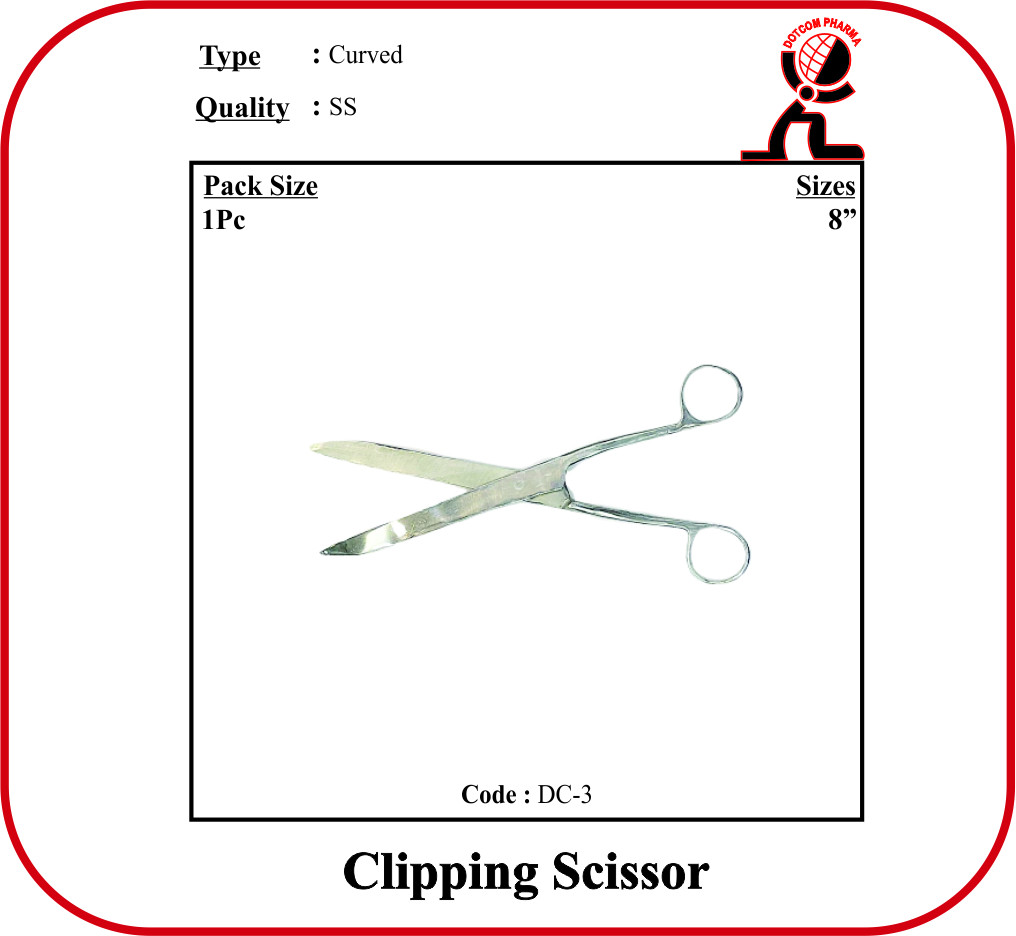
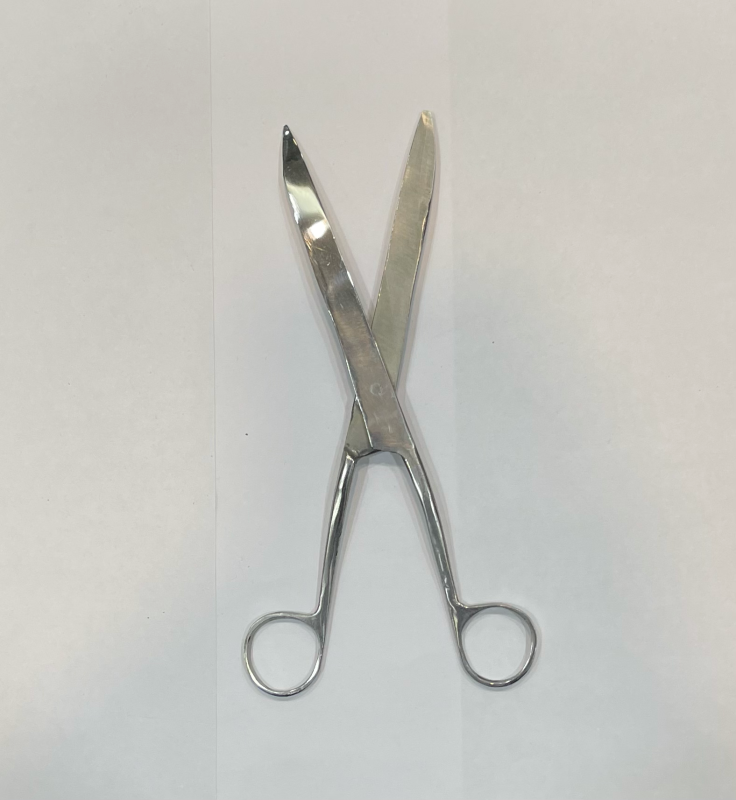
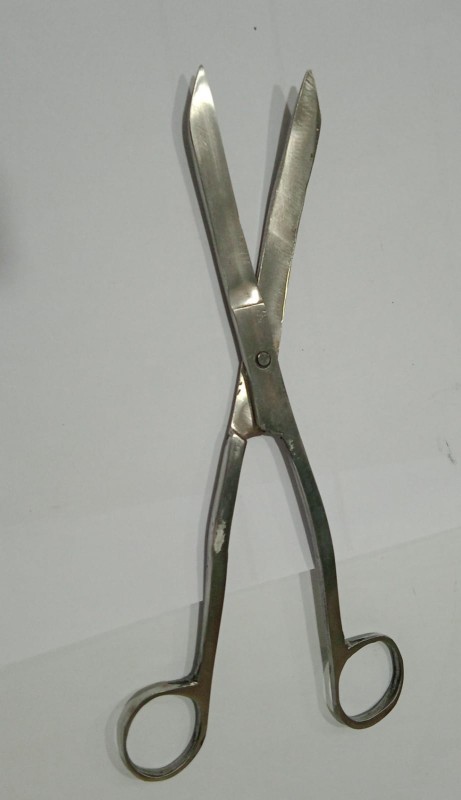
Clipping Scissor
Drug Name
: NA
Drug Role
: Cutting
NA
No
Ceritifcations:










Please login / register to buy or to get detailed information of the product
SKU:
Stock Available:
Batch / Lot. No:
Shelf life:
Manufacturing Date:
-
Expiry Date:
-
Minimum Pack Size:
Minimum Order Qty:
1
Pharma Categories:
Surgical Instruments
Product Form:
Scissors
Category:
Instruments
Group:
N/A
Type:
Surgical Instrument
Material:
SS
Tags
HSN Code:
90189022
HS Code:
9018.50
Country of Origin:
Indian
TAX:
5%
Qty per Piece:
Weight Of Each Piece(gm):
Piece Dimensions (L×W×H):
Qty per Buffer Box / Shrink Pack:
Weight of Buffer Box / Shrink Pack:
Buffer Dimensions (L×W×H):
Total Qty per Case:
Total Weight per Case:
Case Dimensions (L×W×H):
Weight / Volume:
Dimensions:
Inhouse product
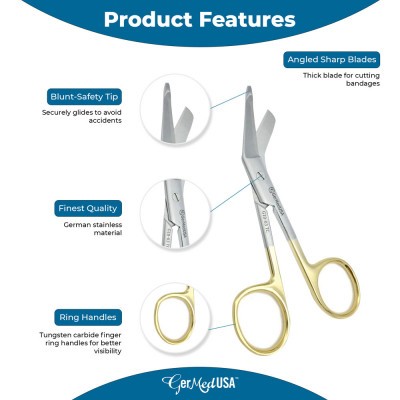
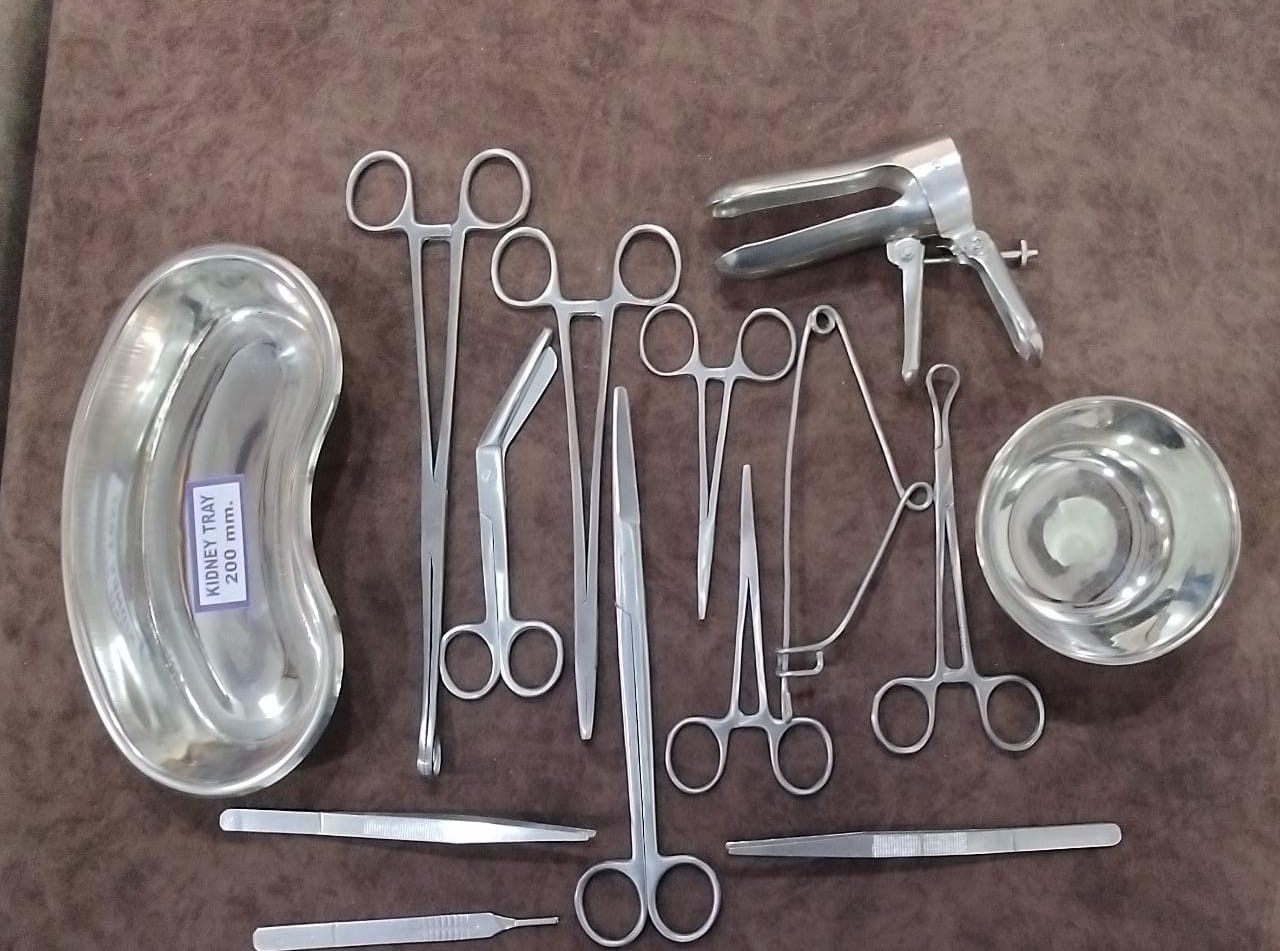
The Clipping Scissor is a precision surgical tool used for trimming, clipping, and shaping soft tissues, bandages, sutures, or fur/hair in pre-operative or post-operative procedures. Designed for controlled cutting with minimal tissue trauma, it is widely used in human surgeries, veterinary care, and grooming.
• Material: Surgical-grade stainless steel (AISI 420 / 410)
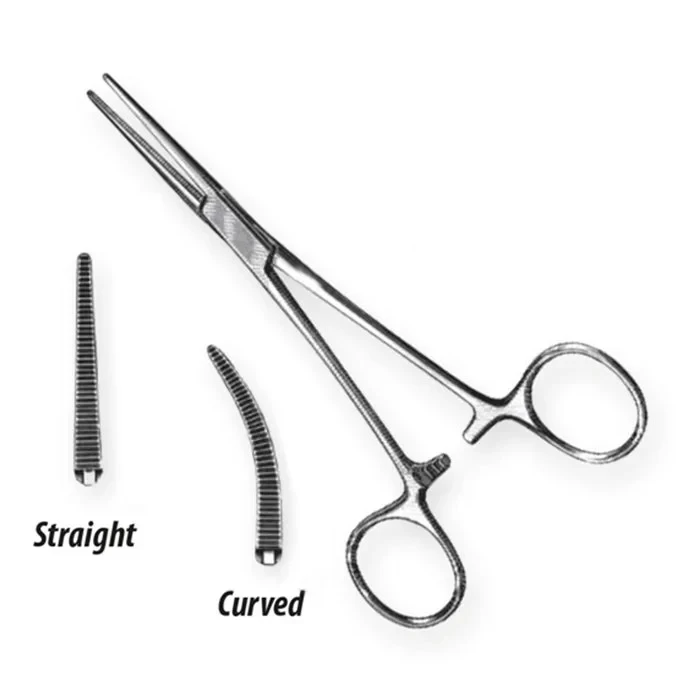
• Blade Type: Straight / Curved / Angled
• Handle Type: Ring-handled, ergonomic grip
• Sterilization: Autoclavable, corrosion-resistant
Available Sizes (Length):
• 115 mm (4.5 in)
• 140 mm (5.5 in)
• 160 mm (6.3 in)
• 180 mm (7.1 in)
Types:
• Straight blades – for surface-level cuts and dressing trims
• Curved blades – for anatomical contours or surgical precision
• Serrated blades – for grip on slippery tissues or materials
• Blunt-tip or sharp-tip variants depending on application
Surgical Instruments > Scissors > Clipping & Utility Scissors
Reusable, precision-ground surgical scissors — individually packed
• Trimming dressings or surgical bandages
• Clipping sutures or minor tissue during procedures
• Used in dermatology, general surgery, and emergency kits
• Trimming animal fur pre-surgery
• Cutting gauze, tapes, or small tissue samples
• Used in grooming, minor surgeries, and wound management in pets and livestock
• Sharp, clean cuts with minimal force
• Multiple blade shapes for various procedures
• Reusable and sterilizable
• Comfortable handling for long procedures
• Dulls over time if used improperly
• Must be matched to the correct tissue/material for efficiency
• Risk of accidental cuts without proper handling
• Sterilize before and after each use
• Wear gloves and use controlled grip to avoid slippage
• Select correct blade type for specific procedure
• Use only the required length — longer blades can reduce control in tight spaces
• Autoclave at 121°C for 15–20 minutes
• Lubricate joints if scissors have hinge tension
• Use soft brush and neutral pH detergent for manual cleaning
• Store in dry, sterile packaging to avoid rusting
Code Type Code Us e
HS Code 9018.50 For international trade/classification
HSN Code 9018.50.90 For Indian GST/commercial invoicing
Q: Are these scissors suitable for surgical cutting? A: Yes, especially the curved and sharp-tip variants — but always choose according to the procedure.
Q: What’s the difference between Clipping and Dressing Scissors? A: Clipping scissors are generally finer and designed for tissue/fur or precise trimming, while dressing scissors are broader for cutting gauze, bandages, etc.
Q: Can I use one pair for both human and veterinary cases? A: Technically yes, but it is highly recommended to separate instruments for hygiene and cross-contamination prevention.
Q: Do they require sharpening? A: Over time, yes — especially if used frequently or on tough materials.
Q: Are they CE-marked? A: Yes, high-quality clipping scissors (especially for export) typically carry CE certification
Secure Transaction
100% secure payment
Top Brand
Trusted quality
Non Return
Due to hygiene