 +91 88281
11034
+91 88281
11034
 Need Help?




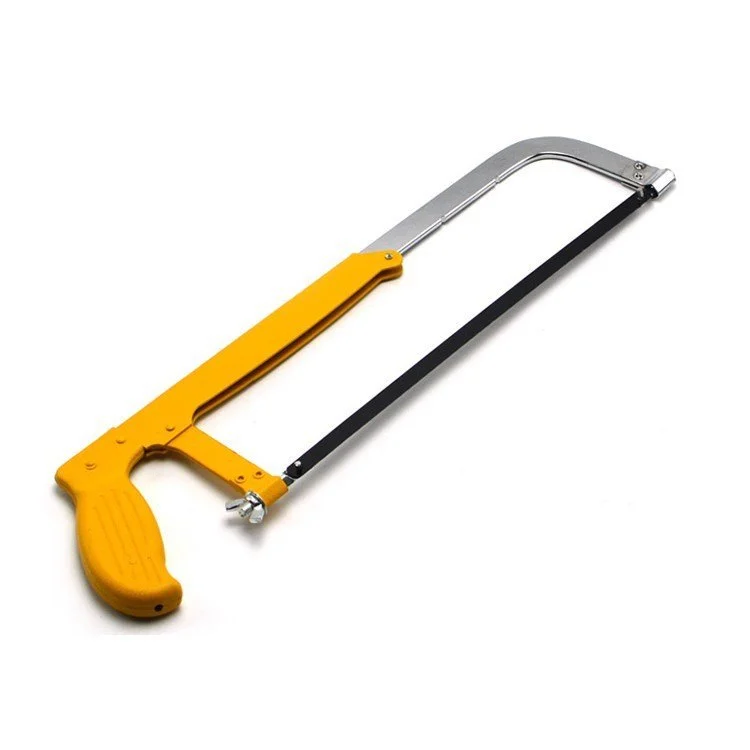
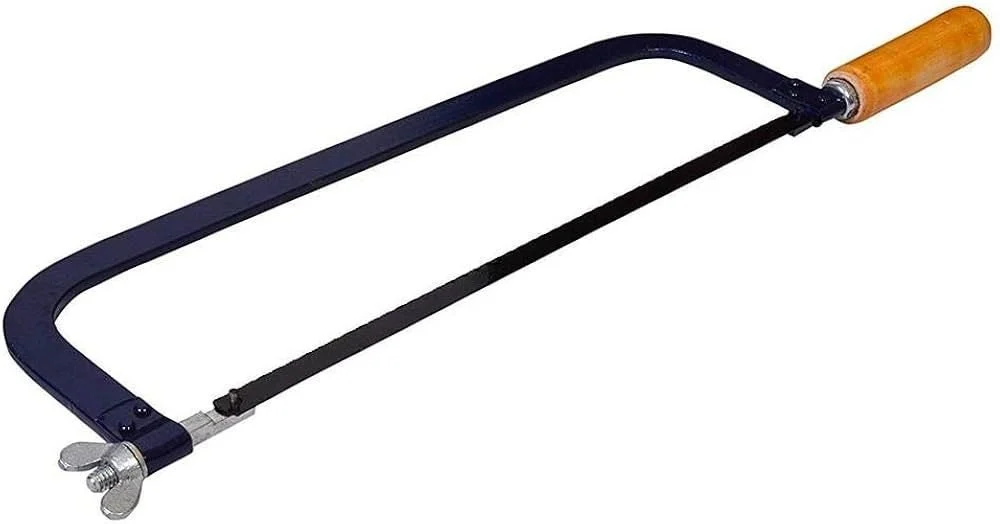
Hexa Blade with Handle
Drug Name
: NA
Drug Role
: The Hexa Blade with Handle commonly used for orthopaedic, autopsy, anatomical dissection, and tissue-slicing procedures
NA
No
Ceritifcations:










Please login / register to buy or to get detailed information of the product
SKU:
Stock Available:
Batch / Lot. No:
Shelf life:
Manufacturing Date:
-
Expiry Date:
-
Minimum Pack Size:
Minimum Order Qty:
1
Pharma Categories:
• Surgical cutting instruments
Product Form:
o Blade with reusable handle o Pre-attached disposable unit
Category:
Instruments
Group:
N/A
Type:
Fixed Blade Hexa Knife / Replaceable Blade Hexa Tool / Disposable Hexa Blade Units
Material:
Surgical-grade stainless steel (AISI 420 or 440C)
Tags
HSN Code:
9018
Country of Origin:
India
TAX:
5%
Qty per Piece:
Weight Of Each Piece(gm):
Piece Dimensions (L×W×H):
Qty per Buffer Box / Shrink Pack:
Weight of Buffer Box / Shrink Pack:
Buffer Dimensions (L×W×H):
Total Qty per Case:
Total Weight per Case:
Case Dimensions (L×W×H):
Weight / Volume:
Dimensions:
Inhouse product
The Hexa Blade with Handle is a precision-cutting surgical tool commonly used for orthopaedic, autopsy, anatomical dissection, and tissue-slicing procedures. It consists of a hexagonal, replaceable or fixed blade mounted on a firm, ergonomic handle. Designed to provide high cutting efficiency, this instrument ensures smooth, controlled incisions with minimal tissue drag.
• Blade Type: Hexagonal, stainless steel, ultra-sharp
• Handle Material: Stainless steel or polycarbonate grip
• Mounting Mechanism: Screw-lock or snap-fit blade attachment
• Blade Coating: Optional titanium nitride for extra durability
• Length: Varies from 15 cm to 22 cm (with blade)
• Grip Style: Anti-slip ridged or rubberized handle
• Blade Size:
o Small (1.5–2 cm cutting edge)
o Medium (2.5–3 cm cutting edge)
o Large (3.5–4 cm cutting edge)
• Handle Length:
o 10 cm (compact)
o 12–15 cm (standard)
• Blade: Hexagonal cutting edge with straight, flat sides
• Handle: Cylindrical or slightly tapered for ergonomic handling
• Fixed Blade Hexa Knife: Blade permanently attached to handle
• Replaceable Blade Hexa Tool: Blade can be detached and replaced
• Disposable Hexa Blade Units: For single-use applications
• Autopsy-Grade Hexa Blades: Heavier with reinforced grip
• Blade:
o Surgical-grade stainless steel (AISI 420 or 440C)
o Optional tungsten or titanium-coated variants for extended use
• Handle:
o Stainless steel (reusable)
o Polycarbonate or ABS (for disposables)
• Surgical cutting instruments
• Dissection tools
• Anatomical and autopsy instruments
• Orthopaedic auxiliary tools
• Available as:
o Blade with reusable handle
o Pre-attached disposable unit
o Bulk packs (for high-usage environments)
• Packed sterile or non-sterile, depending on use-case
Used for precise cutting of tough tissue, cartilage, or bone covering during surgeries, dissections, or autopsies. Ensures clean slicing with reduced trauma to the surrounding areas. Ideal for controlled deep or surface cuts.
• Ultra-sharp edges for efficient cutting
• Stable grip for safety and control
• Replaceable blade options reduce long-term cost
• Hexagonal shape prevents blade rotation during use
• Durable materials resist rust and wear
• Improper handling can lead to injury or deep tissue damage
• Disposable versions generate medical waste
• Must be stored carefully to avoid blade dulling or damage
• Always inspect blade sharpness and attachment before use
• Replace or sterilize after each procedure
• Use proper blade guards during storage
• Handle with gloves and avoid contact with the blade edge
• HSN 9018: Surgical and medical instruments
• HSN 82119390: Blades with handles — surgical or dissection tools not elsewhere specified
• Always hold by the handle — never by the blade edge
• Use two-hand technique when replacing or locking blades
• Store in blade guard or sterilization tray
• Do not reuse disposable blades
• Reusable Handles: Autoclavable at 121°C (15 mins) or 134°C (5 mins)
• Blades: Replaceable blades should not be reused; if required, chemical sterilization only
• Disposables: Single-use only; dispose of as per biohazard protocols
Commonly used in animal surgeries, dissections, and post-mortem analysis. Especially suitable for thick-skin species or muscle-dense areas. Preferred tool in veterinary colleges and forensic departments.
Used in orthopaedic surgeries, autopsy procedures, forensic medicine, and anatomical dissections in medical schools. Helps ensure deep and clean cuts during complex procedures.
1.What is a Hexa Blade with Handle used for? It’s used for deep or precision cutting in surgical, anatomical, and post-mortem procedures.
2.Can the blade be replaced? Yes, depending on the model — many are designed for blade replacement.
3.Is it reusable? Handles usually are; blades are often single-use or limited use.
4.Is it suitable for veterinary surgeries? Yes, widely used in both small and large animal procedures.
5.How do I sterilize it? Autoclave reusable handles; dispose or chemically sterilize blades depending on design.
Secure Transaction
100% secure payment
Top Brand
Trusted quality
Non Return
Due to hygiene