 +91 88281
11034
+91 88281
11034
 Need Help?



Epitootomy Tray Without Lid
Drug Name
: NA
No
Ceritifcations:










Please login / register to buy or to get detailed information of the product
SKU:
Stock Available:
Batch / Lot. No:
Shelf life:
Manufacturing Date:
-
Expiry Date:
-
Minimum Pack Size:
Minimum Order Qty:
1
Pharma Categories:
• Surgical Instrument Trays • Obstetric Procedure Accessories • Sterile Storage and Transport Equipment
Product Form:
• Single tray unit without a lid • Available in sterile packaging or non-sterile bulk
Category:
Veterinary
Group:
N/A
Type:
• Standard Episiotomy Tray without lid • Deep trays for larger or bulkier instruments • Custom sizes available per clinical requirements
Material:
• Surgical stainless steel for durability and repeated sterilization • Some trays may be manufactured from high-grade plastic (less common)
HSN Code:
94032000
HS Code:
9403.20
Country of Origin:
India
TAX:
5%
Qty per Piece:
Weight Of Each Piece(gm):
Piece Dimensions (L×W×H):
Qty per Buffer Box / Shrink Pack:
Weight of Buffer Box / Shrink Pack:
Buffer Dimensions (L×W×H):
Total Qty per Case:
Total Weight per Case:
Case Dimensions (L×W×H):
Weight / Volume:
Dimensions:
Inhouse product
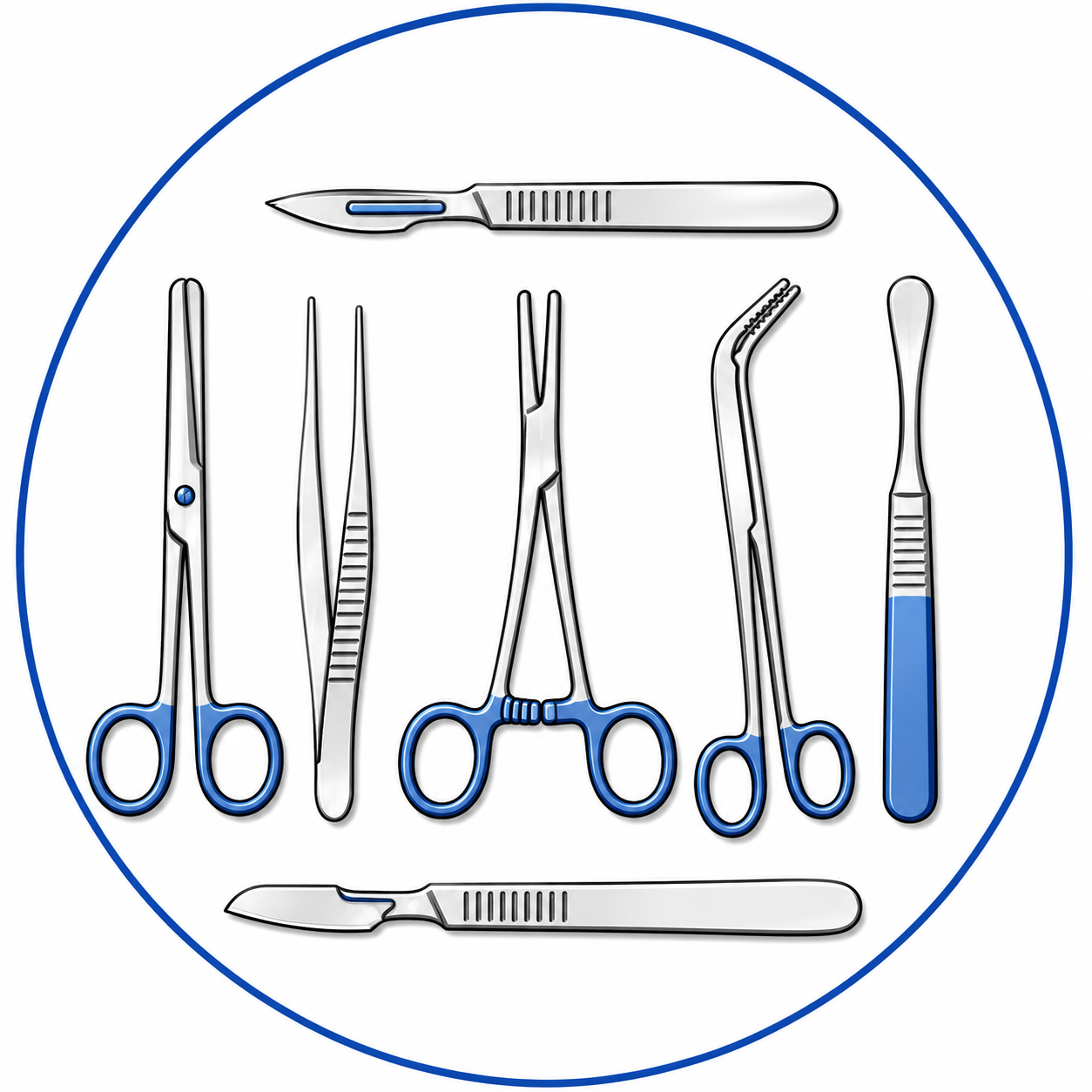
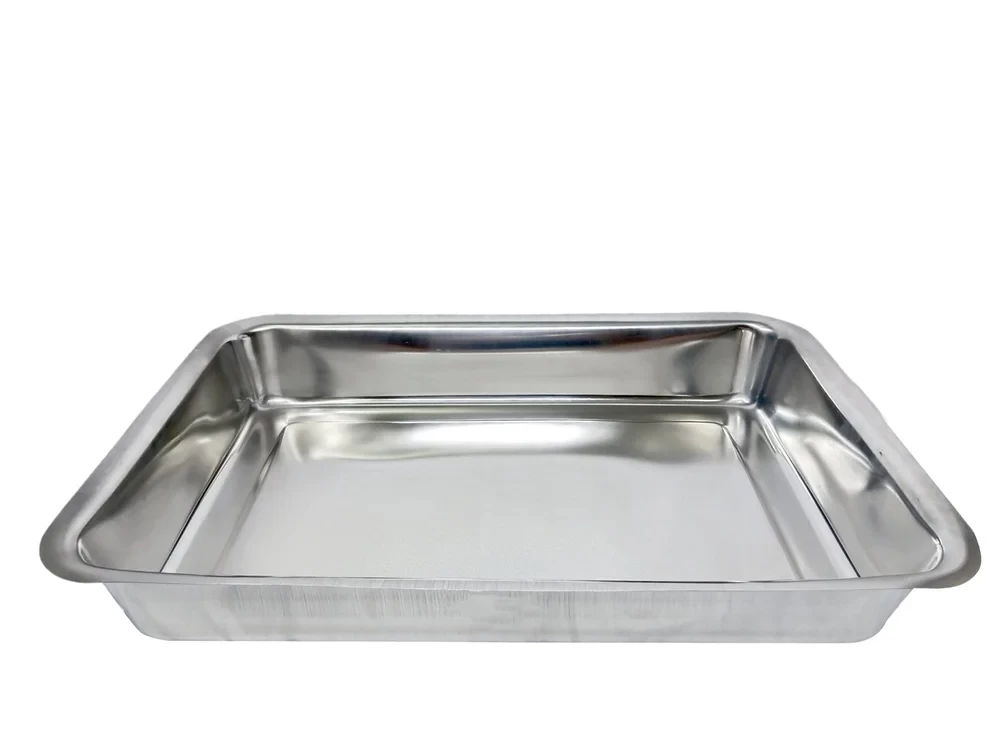
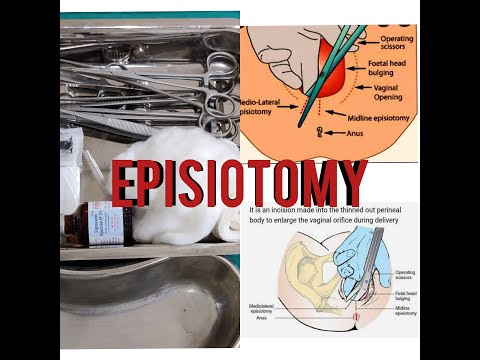
The Episiotomy Tray Without Lid is a surgical tray made from high-quality stainless steel or medical-grade materials, designed to hold and organize instruments required during episiotomy procedures. Its open-top design facilitates easy access to instruments during surgeries and clinical procedures.
• Material: Surgical-grade stainless steel (304/316)
• Finish: Mirror or satin polish for corrosion resistance
• Dimensions: Common sizes range from 30 cm x 20 cm x 3 cm to 40 cm x 25 cm x 5 cm
• Weight: Approximately 400-700 grams depending on size
• Sterilization: Compatible with all standard sterilization methods
Available in various sizes to accommodate different instrument sets, typically between 30-40 cm in length and 20-25 cm in width.
Rectangular with rounded edges for safety and ease of cleaning.
• Standard Episiotomy Tray without lid
• Deep trays for larger or bulkier instruments
• Custom sizes available per clinical requirements
• Surgical stainless steel for durability and repeated sterilization
• Some trays may be manufactured from high-grade plastic (less common)
• Surgical Instrument Trays
• Obstetric Procedure Accessories
• Sterile Storage and Transport Equipment
• Single tray unit without a lid
• Available in sterile packaging or non-sterile bulk
Used primarily in clinical and veterinary settings to:
• Organize and hold instruments during episiotomy and related procedures
• Facilitate quick and easy access to surgical tools
• Serve as a sterile field during surgical interventions
• Easy access to instruments due to open design
• Durable and corrosion-resistant for repeated use
• Lightweight compared to lidded trays
• Simple to clean and sterilize
• Does not provide protection against contamination without a lid
• Less ideal for transport or storage of sterile instruments
• Requires careful handling to maintain sterilities
• Avoid exposure to non-sterile environments when instruments are in the tray
• Inspect regularly for any damage or corrosion
• Follow strict sterilization protocols before and after use
• HS Code: 9403.20
• HSN Code: 94032000 (Medical furniture and parts including surgical trays)
• Use sterile gloves when handling during procedures
• Clean thoroughly with appropriate detergents post-use
• Autoclave or chemically sterilize before use
• Store in a clean, dry environment
• Suitable for autoclaving at 121°C for 15-20 minutes
• Chemical sterilization possible with approved disinfectants
• Avoid abrasive cleaners that can damage the surface finish
• Used to organize surgical instruments during veterinary episiotomy and obstetric procedures
• Provides a sterile field and easy access in veterinary operating environments
• Commonly used in field surgeries and clinics
• Standard surgical tray in human obstetrics for episiotomy and related procedures
• Facilitates instrument handling in labor rooms and surgical suites
•Used in medical training environments for practical learning
Q1. Is the episiotomy tray without lid sterilizable?
Answer: Yes, it is designed for autoclave and chemical sterilization.
Q2. What sizes are available?
Answer: Sizes range typically from 30 cm x 20 cm to 40 cm x 25 cm.
Q3. Can the tray be used for instrument transport?
Answer: Without a lid, it is not ideal for transport but excellent for intraoperative use.
Q4. Is this tray reusable?
Answer: Yes, made of stainless steel, it is reusable with proper sterilization.
Q5. Is it suitable for veterinary use?
Answer: Yes, commonly used in veterinary surgeries and obstetrics.
Secure Transaction
100% secure payment
Top Brand
Trusted quality
Non Return
Due to hygiene