 +91 88281
11034
+91 88281
11034
 Need Help?




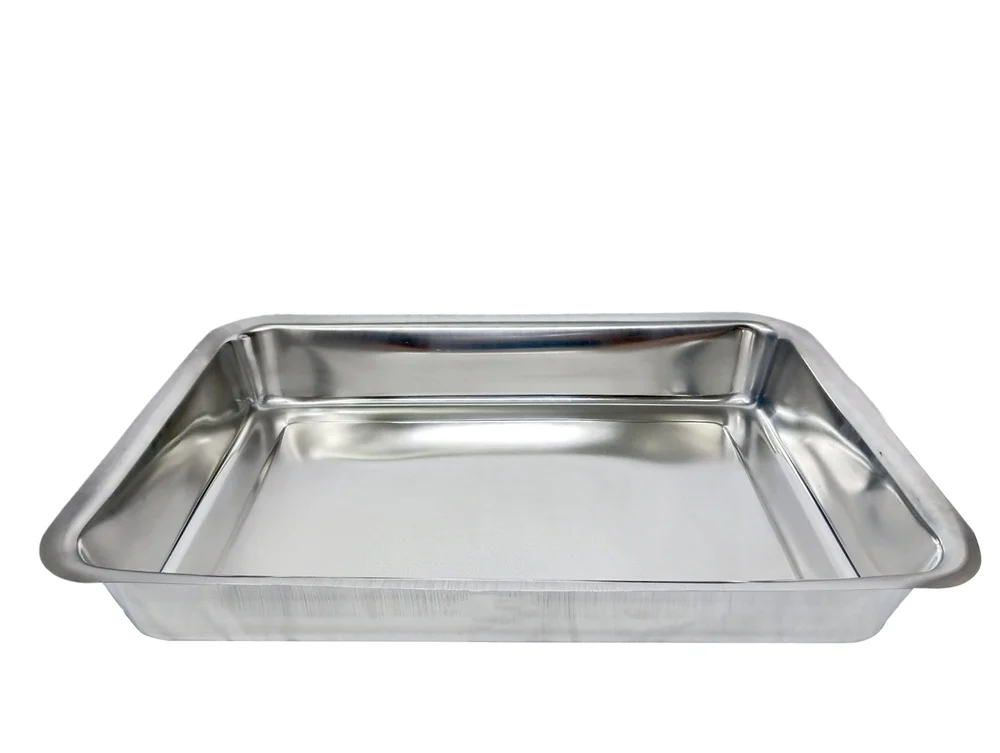
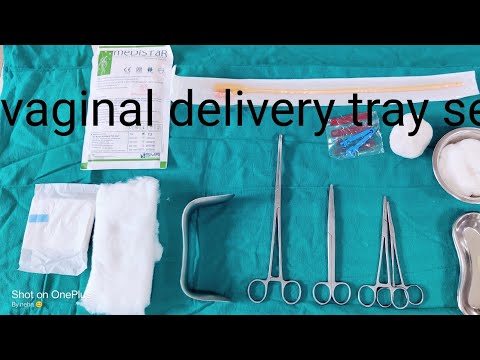
Delivery Tray
Drug Name
: NA
Drug Role
: Instrument Transportation
NA
No
Ceritifcations:










Please login / register to buy or to get detailed information of the product
SKU:
Stock Available:
Batch / Lot. No:
Shelf life:
Manufacturing Date:
-
Expiry Date:
-
Minimum Pack Size:
Minimum Order Qty:
1
Pharma Categories:
Veterinary Instruments
Product Form:
Tray with Lid
Category:
Veterinary
Group:
N/A
Type:
Surgical Accessory
Material:
SS
Tags
HSN Code:
3926.90
HS Code:
3926.90.99
Country of Origin:
India
TAX:
5%
Qty per Piece:
Weight Of Each Piece(gm):
Piece Dimensions (L×W×H):
Qty per Buffer Box / Shrink Pack:
Weight of Buffer Box / Shrink Pack:
Buffer Dimensions (L×W×H):
Total Qty per Case:
Total Weight per Case:
Case Dimensions (L×W×H):
Weight / Volume:
Dimensions:
Inhouse product
Without lid :
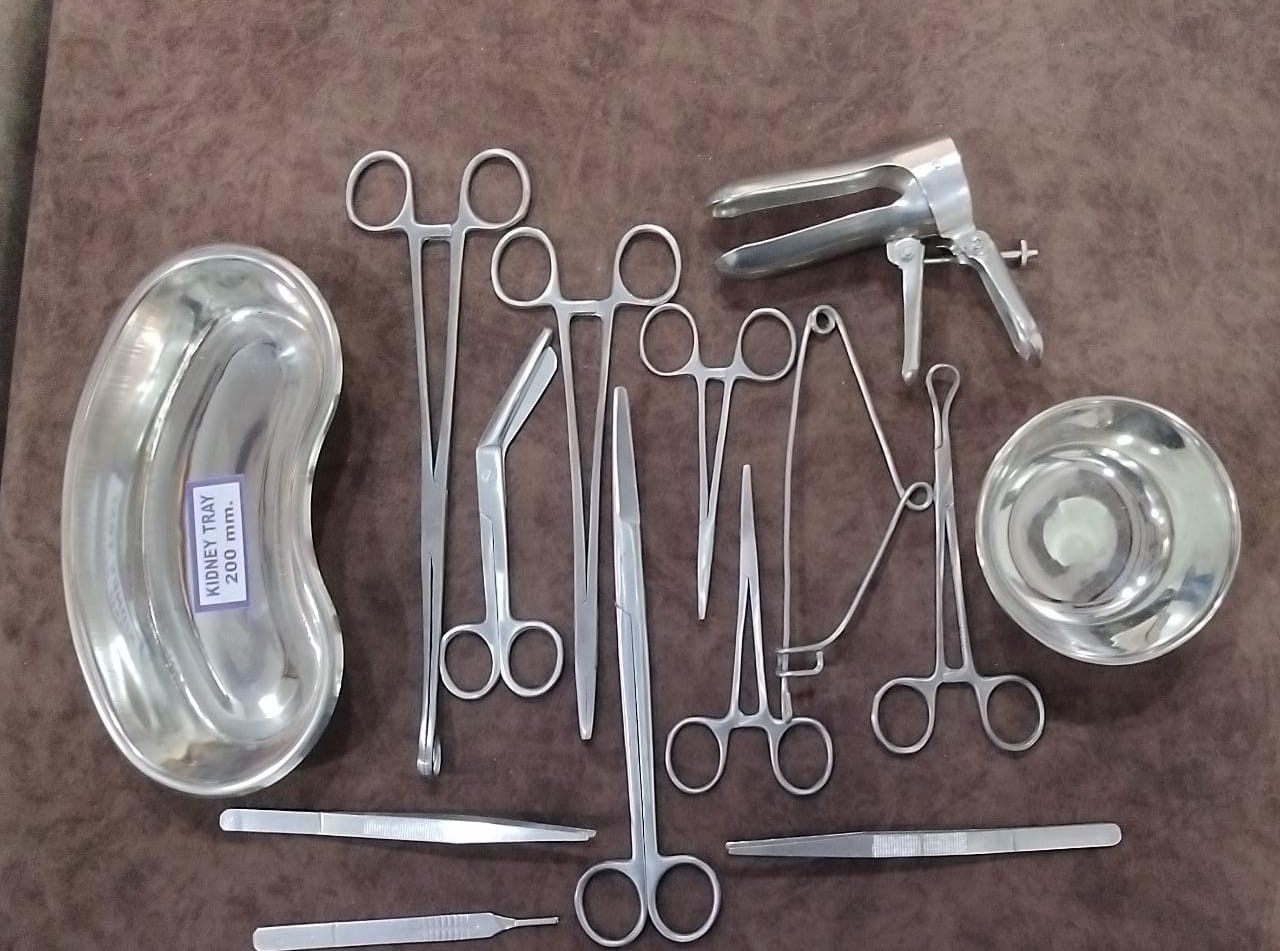
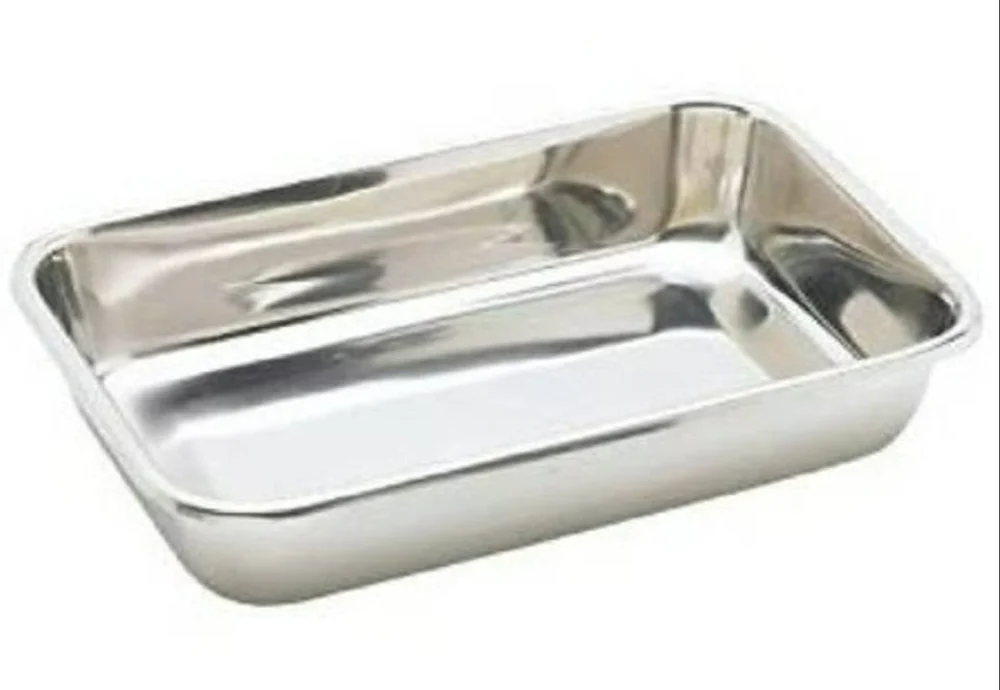
A Delivery Tray Without Lid is a surgical and medical instrument used to transport and carry sterile items during medical procedures, especially in hospitals and clinics. It provides a clean and stable surface for medical instruments, medications, and supplies to be safely delivered to different parts of the facility. This tray is designed for efficiency and hygiene, as it is easy to clean and maintain. The absence of a lid ensures easy access to the contents when on the move.
With lid:
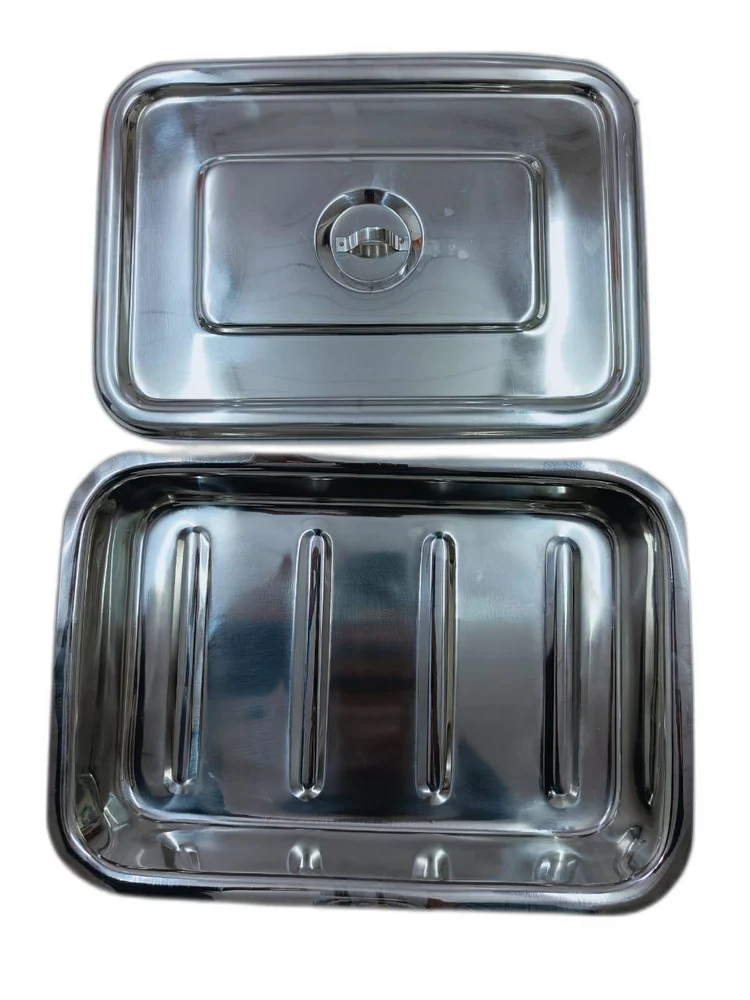
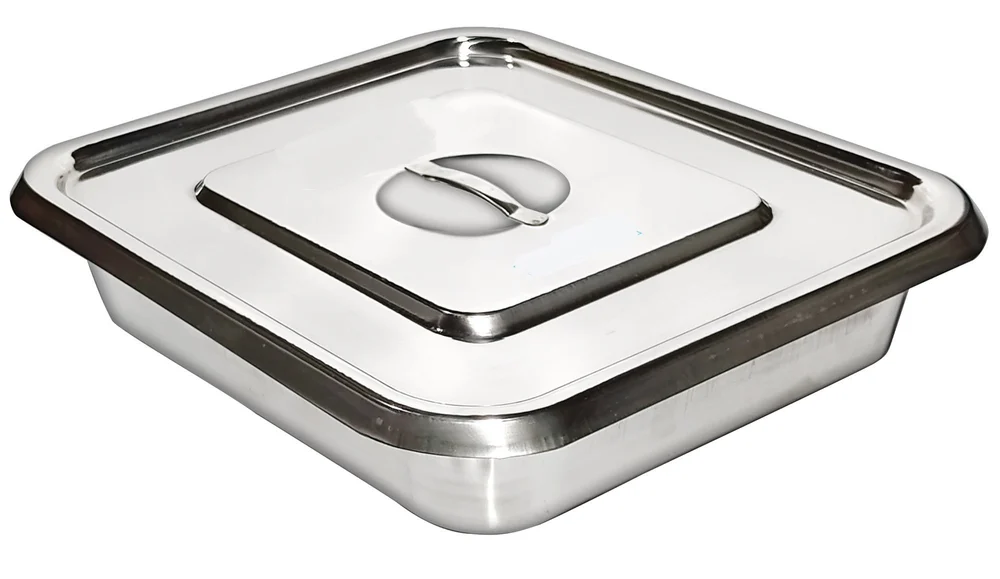
A Delivery Tray With Lid is a medical tray designed to safely transport surgical instruments, medications, or sterile items in hospitals, clinics, or veterinary settings. The tray comes with a secure lid that helps maintain cleanliness, sterility, and prevents contamination during transport. It’s ideal for keeping medical items safe from exposure to dirt or germs, especially in critical environments like operating rooms or clinics.
Without lid :
• Material: High-grade stainless steel or durable plastic
• Size: Available in various sizes (typically 24 cm x 30 cm, 40 cm x 60 cm)
• Edge: Rounded corners for safety and handling
• Finish: Smooth, rust-resistant finish for ease of cleaning
• Capacity: Can hold various medical tools, equipment, or medication bottles
• Weight: Lightweight but strong, designed for easy handling
• Storage: Stackable for efficient storage in medical settings
With lid:
• Material: Typically made of high-grade stainless steel or durable plastic
• Size: Available in multiple sizes (common sizes are 30 cm x 40 cm, 40 cm x 60 cm)
• Lid: Fitted lid that securely closes to prevent contamination
• Edge: Rounded or smooth corners to avoid injury during handling
• Finish: Rust-resistant, satin or polished finish for easy cleaning
• Weight: Lightweight but sturdy, making it easy to transport
• Capacity: Varies depending on size, can hold a variety of surgical instruments and medications
• Storage: Stackable for efficient storage in medical settings
Without Lid:
• Hospitals & Clinics: Used to transport surgical tools, medication bottles, or sterile instruments during surgeries
• Operating Rooms: Helps maintain the sterility of instruments or surgical supplies while they are being moved within the operating room
• Veterinary Clinics: Ideal for moving medical equipment or supplies for animals in veterinary settings
• Maternity Units: Commonly used for transporting delivery tools or materials
Without lid :
• Lightweight: Easy to carry and manoeuvre around the medical facility
• Hygienic: Made from non-porous materials that are easy to sterilize and disinfect
• Efficient: Keeps items organized and ready for quick use during medical procedures
• Durable: Resistant to rust, stains, and scratches, ensuring long-term usability
• Multi-functional: Versatile for both human and veterinary applications
With lid :
• Sterility: The lid ensures that items are protected from external contamination, keeping them sterile until use
• Secure Transport: The lid provides added security, preventing any accidental spills or exposure during movement
• Lightweight and Durable: Easy to carry, but also sturdy enough to handle heavier items or larger instrument sets
• Multi-functional: Can be used for both human medical applications and veterinary care
Without lid:
• No Lid: Open tray design exposes contents to the environment, requiring careful handling to prevent contamination
• Limited Protection: Without a lid, the items inside are more vulnerable to accidental spills or exposure to non-sterile surfaces
• Size Constraints: Can only hold items within a specific size range and might not be suitable for larger instruments
Withlid:
• Size Limitations: The lid design may reduce the tray’s capacity for larger instruments or oversized equipment
• Handling Precautions: While the lid offers protection, users need to be careful not to damage the lid when opening or closing
• Weight: Slightly heavier than lid-less versions, though still lightweight overall
Without lid:
• Handle with care to avoid contamination during transportation
• Ensure that the tray is sterilized before use, especially if used for surgical tools
• Regularly inspect the tray for any damage or rust, as it could compromise the cleanliness
• Avoid overloading the tray to maintain stability and ease of transport
With Lid :
• Ensure the lid is securely closed to maintain sterility during transport
• Handle with care to prevent any damage to the lid or tray surface
• Regularly inspect both the tray and lid for any signs of wear, corrosion, or cracking
• Use in well-ventilated and controlled environments to prevent contamination
Without Lid:
• Keep the tray in a clean, dry environment to avoid dirt or bacteria build-up
• Regularly clean and sterilize the tray after use to maintain hygiene
• If using for medical or surgical purposes, ensure all items placed on the tray are properly sterilized
• Ensure the tray is stacked or stored properly to prevent damage or contamination
With Lid :
• Clean and sterilize the tray and lid after each use to maintain hygiene
• Store in a dry, cool place to avoid rusting or damage
• Always ensure that the tray and lid are intact and properly fitted before use
• Avoid overloading the tray to prevent spills or stress on the lid
Without Lid :
• Autoclave or use other standard sterilization methods for stainless steel versions
• Plastic trays can be cleaned with medical-grade disinfectants
• Ensure thorough drying after cleaning to prevent moisture build-up and rusting
• Regularly check for wear and tear, particularly if the tray is used frequently
Withlid :
• Stainless Steel Versions: Can be sterilized via autoclaving
• Plastic Versions: Use medical-grade disinfectants and ensure full drying before use
• Regularly inspect both tray and lid for signs of wear or corrosion
• Clean thoroughly after each use, especially when used for sterile items
Without Lid :
• HSN Code: 3926.90
• HS Code: 3926.90.99
With Lid :
• HSN Code: 3926.90
• HS Code: 3926.90.99
Without lid :
o Essential in surgical and hospital settings for transporting sterilized instruments, medications, and other supplies
o Used in both minor and major surgeries to maintain a sterile environment
o Keeps surgical areas organized and ensures timely availability of required tools during procedures
With Lid :
o Widely used in hospitals, clinics, and operating rooms for the transportation of sterile instruments and medications
o Keeps tools organized and ensures they remain uncontaminated during surgeries or medical procedures
o Can also be used for transporting sterilized equipment in laboratories
Without Lid :
o Commonly used in veterinary clinics for the transportation of tools or medications
o Helps keep instruments and supplies organized and ready for use during animal surgeries or treatments
o Ensures that veterinary procedures are as efficient and sterile as possible
With Lid :
o Frequently used in veterinary clinics to transport surgical instruments, medicines, or tools required for animal care
o Ensures that the instruments remain safe and clean when moving between different parts of the clinic or surgery rooms
o Ideal for handling both large and small animal medical tools
Without lid :
1. Can the Delivery Tray be used without a lid?
Yes, the tray is designed to be used without a lid. The open design provides easy access to the items inside, but it does require careful handling to prevent contamination or accidental spillage.
2. How do I sterilize the Delivery Tray?
The tray can be sterilized using autoclaving for stainless steel versions or chemical disinfectants for plastic versions. Be sure to dry the tray completely after sterilization to prevent rust or damage.
3. Is the Delivery Tray stackable?
Yes, most delivery trays are designed to be stackable for efficient storage in medical or clinical settings.
4. What materials are used to make Delivery Trays?
Delivery trays are commonly made of stainless steel for durability or plastic for lightweight and cost-effective options. Both materials are easy to clean and maintain.
5. Can I use the Delivery Tray for veterinary purposes?
Yes, the Delivery Tray can be used in veterinary clinics for transporting surgical tools, medications, and supplies for animal care.
With lid :
1. Why should I use a Delivery Tray With Lid instead of one without a lid?
The lid provides an extra layer of protection to ensure sterility is maintained and prevents contamination, making it essential for surgeries and critical medical procedures.
2. Can the lid of the Delivery Tray be securely locked?
Yes, the lid is designed to fit securely and prevent any accidental opening, ensuring the items inside remain safe during transport.
3. Is the Delivery Tray dishwasher safe?
Stainless steel versions are typically not dishwasher-safe, but they can be sterilized using autoclaves. Plastic versions may be cleaned using mild disinfectants and warm water, but always check the manufacturer's guidelines.
4. Can the Delivery Tray be used in veterinary settings?
Yes, it’s commonly used in veterinary clinics to carry instruments, medications, or surgical supplies for animal care.
5. How do I know if the Delivery Tray is properly sterilized?
You can ensure sterilization by using autoclaving for metal versions or medical-grade disinfectants for plastic versions. Always inspect for visible signs of dirt, damage, or moisture before use.
Secure Transaction
100% secure payment
Top Brand
Trusted quality
Non Return
Due to hygiene