 +91 88281
11034
+91 88281
11034
 Need Help?



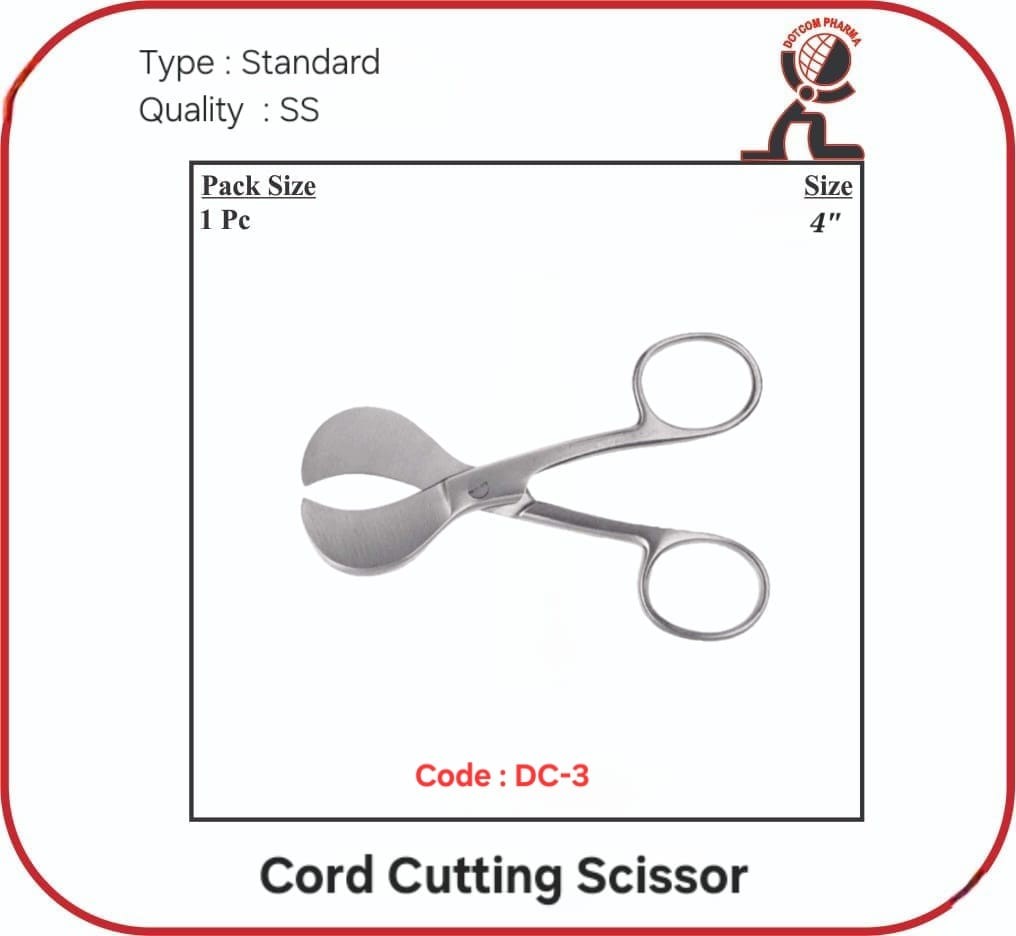
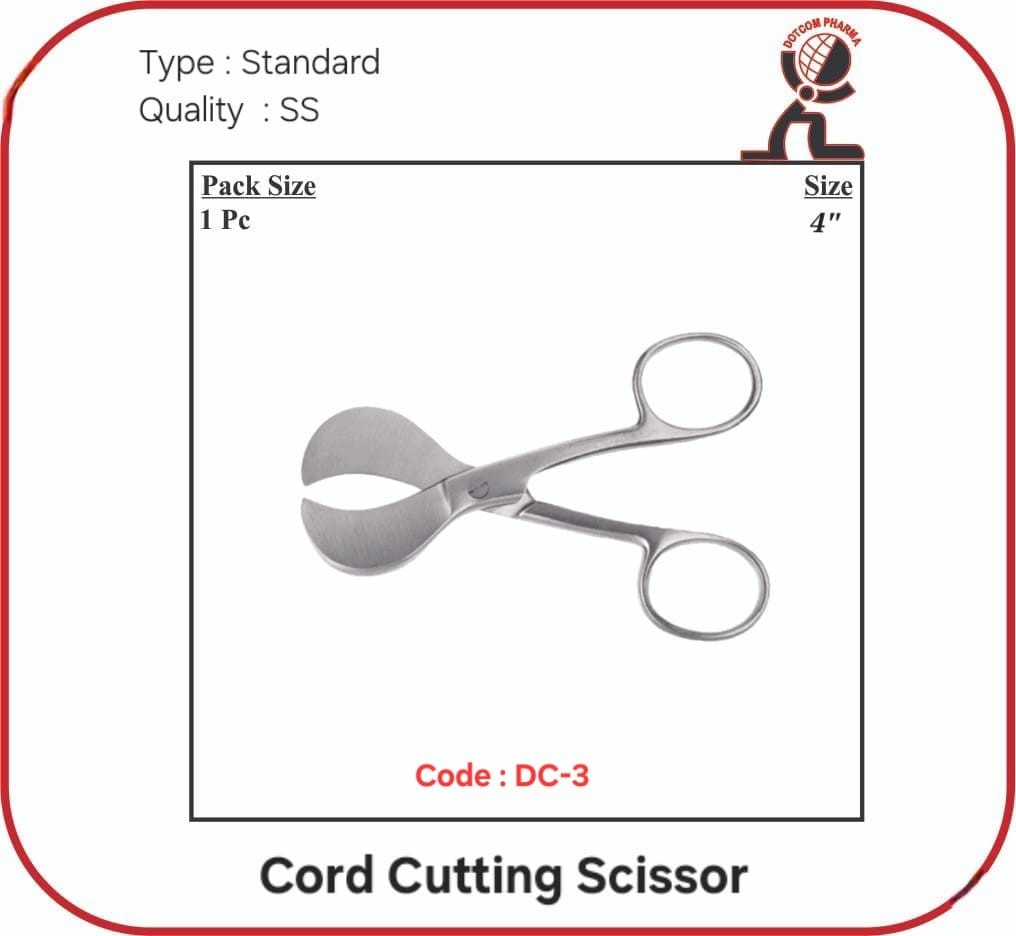
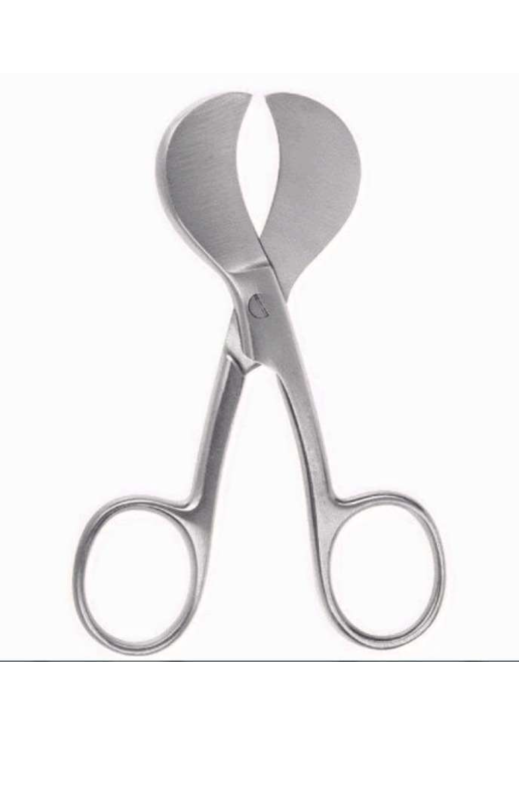

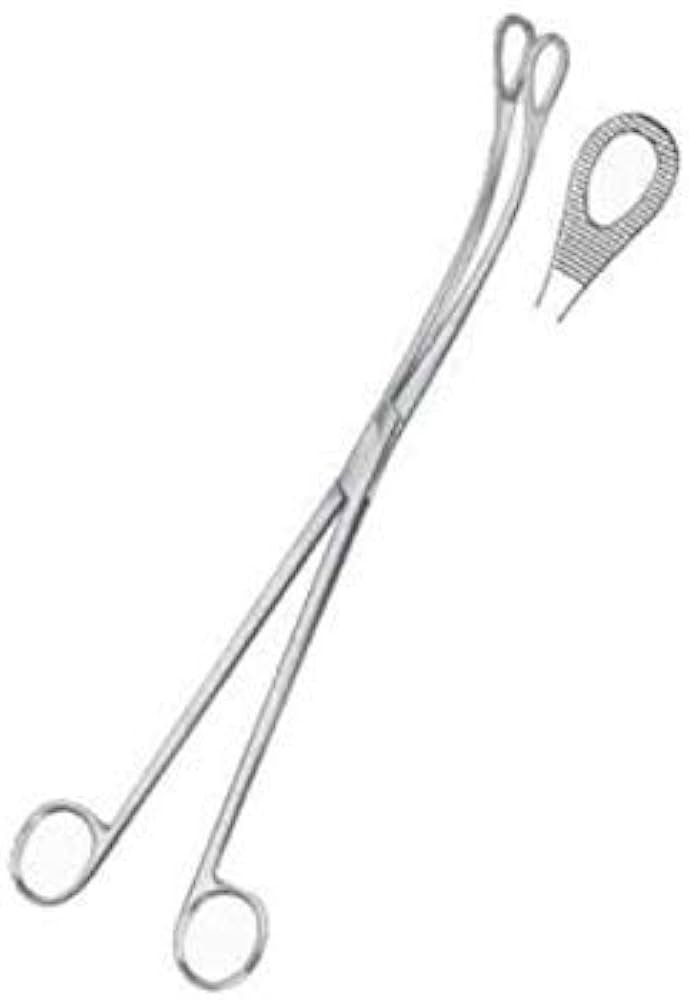
Cord Cutting Scissors
Drug Name
: NA
Drug Role
: Umbilical Cord Cutting
NA
No
Ceritifcations:










Please login / register to buy or to get detailed information of the product
SKU:
Stock Available:
Batch / Lot. No:
Shelf life:
Manufacturing Date:
-
Expiry Date:
-
Minimum Pack Size:
Minimum Order Qty:
1
Pharma Categories:
Obstetrical & Gynaecological Instruments
Product Form:
Scissors
Category:
Instruments
Group:
N/A
Type:
Obstetrical Surgical Instrument
Material:
SS
Tags
HSN Code:
90189099
HS Code:
8213
Country of Origin:
Imported
TAX:
5%
Qty per Piece:
Weight Of Each Piece(gm):
Piece Dimensions (L×W×H):
Qty per Buffer Box / Shrink Pack:
Weight of Buffer Box / Shrink Pack:
Buffer Dimensions (L×W×H):
Total Qty per Case:
Total Weight per Case:
Case Dimensions (L×W×H):
Weight / Volume:
Dimensions:
Inhouse product
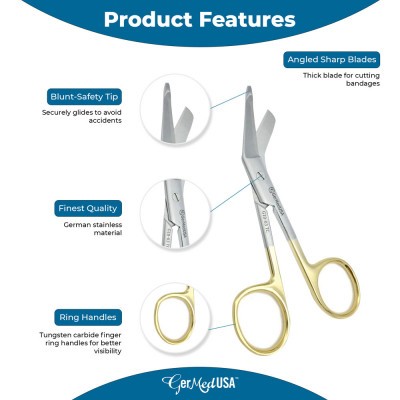
Cord cutting scissors are specialized surgical instruments designed for the precise cutting of umbilical cords during childbirth. They are essential in both human and veterinary applications, ensuring safe and clean separation of the umbilical cord.
• Material: High-grade stainless steel for durability and resistance to corrosion.
• Length: Typically ranges from 4 inches (10.16 cm) to 5.5 inches (14 cm).
• Shape: Curved or straight blades with a rounded tip to prevent injury.
• Handle: Finger-ring handles for a secure grip.
• Finish: Polished or satin finish to reduce tissue drag.
• Human Application: Designed for neonatal care in hospitals and birthing centres.
• Veterinary Application: Used in animal husbandry, especially for livestock and small animals
• Stainless Steel: Preferred for its strength, non-reactivity, and ease of sterilization.
• Titanium-Coated: Offers enhanced durability and resistance to corrosion.
• Medical Instruments: Classified under surgical tools for obstetrics and gynaecology.
• Veterinary Instruments: Part of surgical kits for animal car
• Single-Use: Disposable after one use to prevent cross-contamination.
• Reusable: Designed for multiple uses with proper sterilization
• Human Application: Used by obstetricians and midwives to cut the umbilical cord after birth.
• Veterinary Application: Utilized by veterinarians in the delivery of animals to sever the umbilical cord.
• Precision: Ensures clean cuts, reducing the risk of infection.
• Safety: Rounded tips minimize the risk of accidental injury.
• Durability: High-quality materials ensure longevity and reliability.
• Cost: High-quality models can be expensive.
• Maintenance: Reusable scissors require regular sterilization and maintenance.
• Sterilization: Always sterilize before and after use to prevent infection.
• Inspection: Regularly check for any signs of wear or damage.
• Proper Handling: Use only for their intended purpose to ensure safety.
• Handling: Use with clean, dry hands or sterile gloves.
• Sterilization Methods:
o Autoclaving: Preferred method for reusable scissors.
o Chemical Sterilant: For materials sensitive to heat.
• HS Code: 8213 – Scissors, tailors shears and similar shears, and blades therefor.
• HSN Code: 8213 – Scissors, tailors shears and similar shears, and blades therefor.
• Obstetrics: Used in hospitals and clinics during childbirth.
• Midwifery: Assists midwives in home births or birthing centres.
• Livestock: Essential in farms for the delivery of calves, lambs, etc.
• Small Animals: Used in veterinary clinics for pets and small animals.
Q1: Can cord cutting scissors be reused?
A1: Yes, if they are made of high-quality stainless steel and properly sterilized between uses.
Q2: Are there different sizes available?
A2: Yes, sizes typically range from 4 inches (10.16 cm) to 5.5 inches (14 cm), depending on the application.
Q3: How should I sterilize my scissors?
A3: Use autoclaving for most models. For those sensitive to heat, chemical sterilant can be used.
Secure Transaction
100% secure payment
Top Brand
Trusted quality
Non Return
Due to hygiene