 +91 88281
11034
+91 88281
11034
 Need Help?




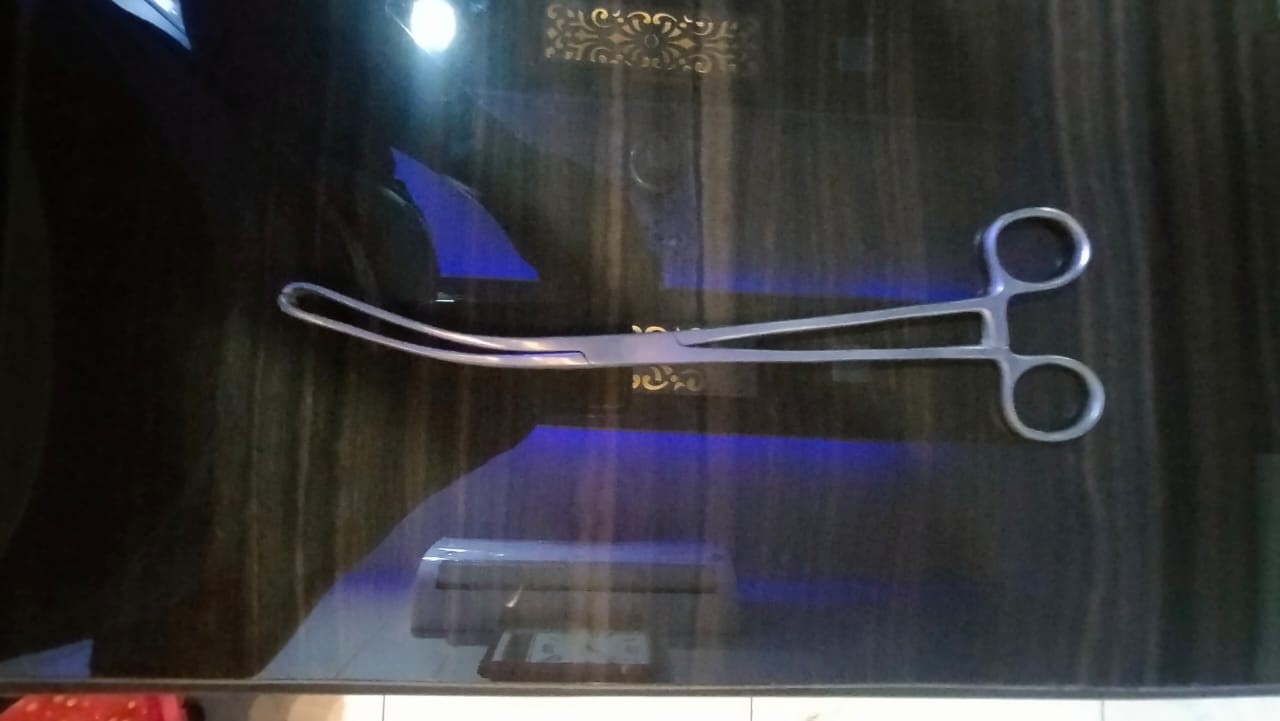
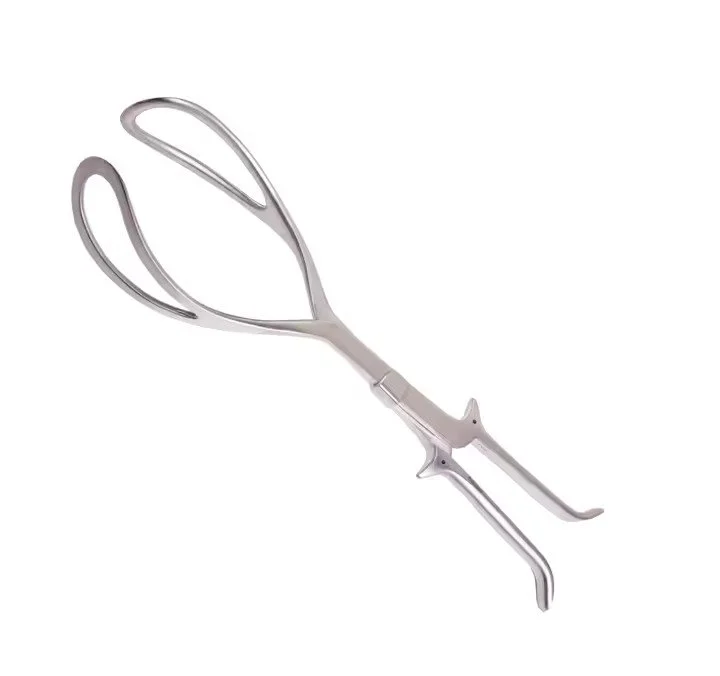
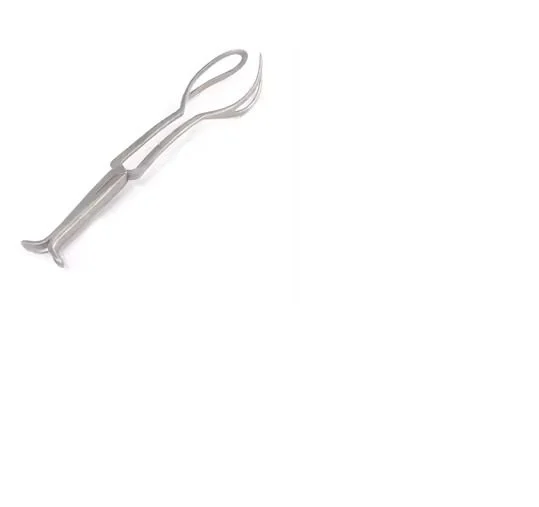
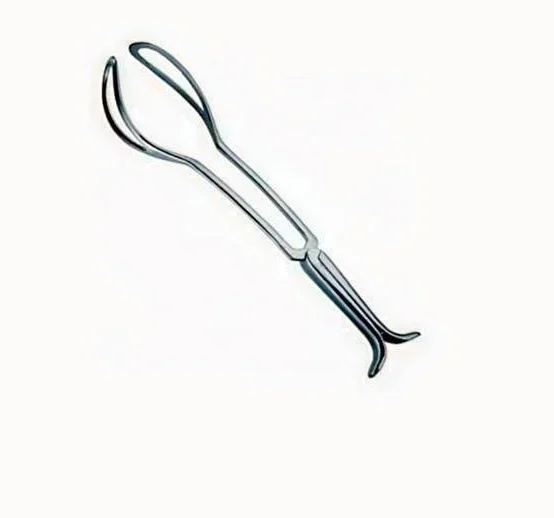
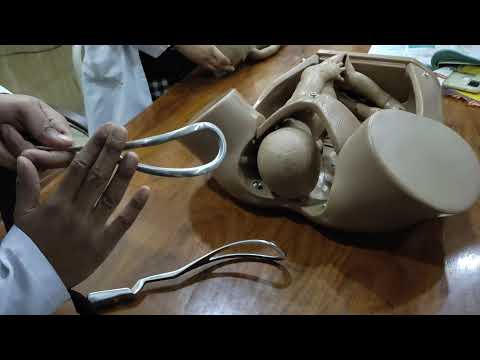
Vaccum Forceps
Drug Name
: NA
Drug Role
: Ventouse Delivery Forceps, are specialized obstetric instruments used to assist in vaginal delivery of a baby by creating suction on the fetal scalp using a cup attached to a vacuum source. This traction aids the mother in the second stage of labour when
NA
No
Ceritifcations:










Please login / register to buy or to get detailed information of the product
SKU:
Stock Available:
Batch / Lot. No:
Shelf life:
Manufacturing Date:
-
Expiry Date:
-
Minimum Pack Size:
Minimum Order Qty:
1
Pharma Categories:
• Obstetric Delivery Instruments • Assisted Vaginal Delivery Tools
Product Form:
• Suction cup with flexible tubing • Handle or pump assembly
Category:
Veterinary
Group:
N/A
Type:
• Type: Vacuum-assisted delivery instrument
Material:
o Stainless steel body o Silicone or metal cups
HSN Code:
9018.90.99
HS Code:
9018.90
Country of Origin:
Imported
TAX:
5%
Qty per Piece:
Weight Of Each Piece(gm):
Piece Dimensions (L×W×H):
Qty per Buffer Box / Shrink Pack:
Weight of Buffer Box / Shrink Pack:
Buffer Dimensions (L×W×H):
Total Qty per Case:
Total Weight per Case:
Case Dimensions (L×W×H):
Weight / Volume:
Dimensions:
Inhouse product
Vacuum Forceps, also known as Ventouse Delivery Forceps, are specialized obstetric instruments used
to assist in vaginal delivery of a baby by creating suction on the fetal scalp using a cup attached to a
vacuum source. This traction aids the mother in the second stage of labour when natural pushing is
insufficient or complications arise.
They are considered less invasive than traditional metal obstetric forceps, and are commonly used in
both human obstetrics and veterinary obstetrics (especially large animals like bovines and equines).
• Type: Vacuum-assisted delivery instrument
• Cup Sizes: 40 mm to 60 mm diameter
• Cup Material: Soft silicone, rigid plastic, or metal
• Handle: Ergonomic, pistol grip or T-shaped handle
• Vacuum Source: Manual pump or electric suction
• Suction Control: Pressure gauge or release valve
• Tube Length: 1 to 1.5 meters (silicone tubing)
• Autoclavable Components: Yes (non-disposable types)
Cup Size (mm) Material Type Application
40 mm Soft silicone Preterm, low-risk deliveries
50 mm Semi-rigid plastic Average term fetal heads
60 mm Rigid metal Difficult deliveries, occiput posterior
• Malmstrom Cup: Rigid metal, deep suction – surgical use
• Soft Cup: Silicone – preferred for reduced scalp trauma
• Bell-shaped or Mushroom Cup: Prevents slippage
• Funnel Cup: Better grip on fetal scalp
• Manual Vacuum Forceps: Uses hand pump
• Electric Vacuum Extractor Set: Hospital-grade machine
• Reusable Forceps: Stainless steel + detachable cup
• Disposable Kits: Pre-assembled sterile sets
• Veterinary Vacuum Extractors: Designed for large animals with longer cups and tubing
• Reusable:
o Stainless steel body
o Silicone or metal cups
• Disposable:
o Polycarbonate or medical-grade plastic tubing and cup
o Pre-sterilized, one-time use
• Obstetric Delivery Instruments
• Assisted Vaginal Delivery Tools
• Vacuum Extraction Devices
• Suction cup with flexible tubing
• Handle or pump assembly
• Vacuum release switch or safety valve
• Complete set comes in sterile packaging or surgical tray
• Assist vaginal delivery when maternal effort is insufficient
• Rotation of fetal head during labour
• Alternative to forceps or C-section in mild fetal distress
• Reduce time in second stage of labour
• Less traumatic to maternal tissue than traditional forceps
• Soft cups reduce risk of scalp injury
• Allows gentle traction with controlled vacuum pressure
• Easy to learn and handle
• Can be used in low-resource settings with manual pump
• Cannot be used if fetal head is not engaged
• Risk of cephalohematoma or scalp enema
• Not suitable for preterm babies or breech presentations
• Vacuum loss can occur if improperly applied
• Requires monitoring of fetal heart rate during use
• Ensure the cervix is fully dilated and membranes ruptured
• Cup must be placed on the flexion point (midline occiput)
• Do not exceed recommended suction pressure (500–600 mmHg)
• Avoid more than 3 traction attempts
• Sterilize reusable components thoroughly after use
• HS Code: 9018.90 – Instruments and appliances for medical/surgical use
• HSN Code (India): 9018.90.99 – Other obstetric and surgical instruments
• Reusable Models:
o Disassemble and wash with enzymatic detergent
o Sterilize by autoclave at 121°C for 15–20 mins
o Dry and store in sterile packaging
• Disposable Sets:
o Use once, discard in biohazard bin
o Pre-assembled and sealed, ready for emergency use
Human and Veterinary Application
Veterinary Application
• Used in assisted parturition in animals like cows, horses, and goats
• Helps in difficult deliveries where traction is needed
• Vacuum cups designed for large fetal heads with flexible tubing for mobility
• Often combined with other obstetric tools like calving jacks or ropes
• Essential for field veterinarians in livestock management
• Used in obstetric units, labour rooms, and maternity hospitals
• Aids in vaginal delivery during maternal exhaustion, fetal distress, or prolonged labour
• Preferred over forceps in many modern obstetric settings
• Used by trained obstetricians under fetal monitoring conditions
• Can reduce the need for emergency cesarean section when used correctly
Q1: What is the primary function of vacuum forceps?
A1: To assist in vaginal delivery by applying suction to the baby’s head for controlled traction.
Q2: Is vacuum delivery safer than forceps?
A2: Generally, yes. It causes less maternal trauma but may have a higher chance of minor scalp injuries.
Q3: Can vacuum forceps be used in veterinary practice?
A3: Yes, especially for assisted delivery in large animals like cows and horses.
Q4: Are there disposable versions available?
A4: Yes, complete sterile vacuum delivery sets are available for one-time use, ideal for emergencies or
mobile clinics.
Q5: How is it sterilized after use?
A5: Reusable vacuum cups and tubing should be disassembled, cleaned with enzymatic solution, and
autoclaved; disposable units are discarded after one use.
Secure Transaction
100% secure payment
Top Brand
Trusted quality
Non Return
Due to hygiene