 +91 88281
11034
+91 88281
11034
 Need Help?




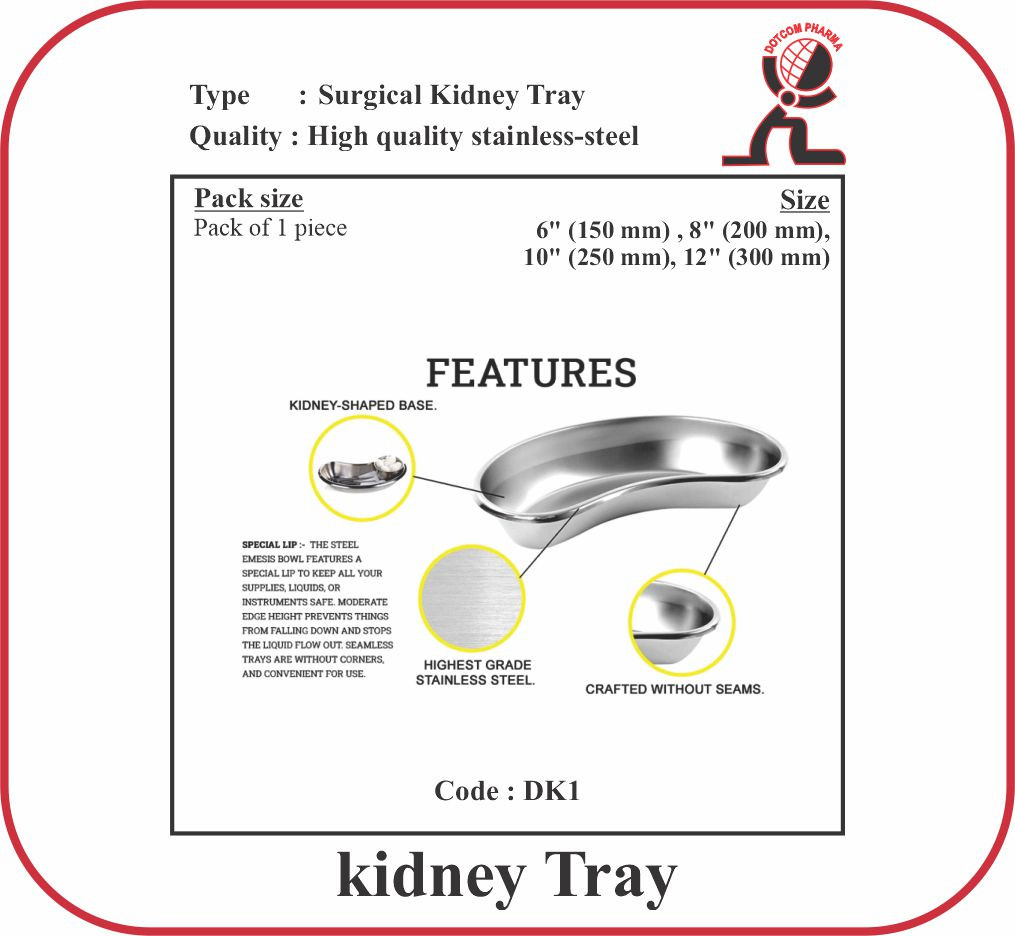
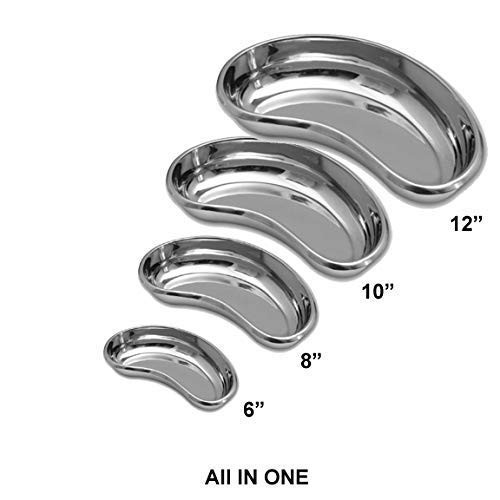


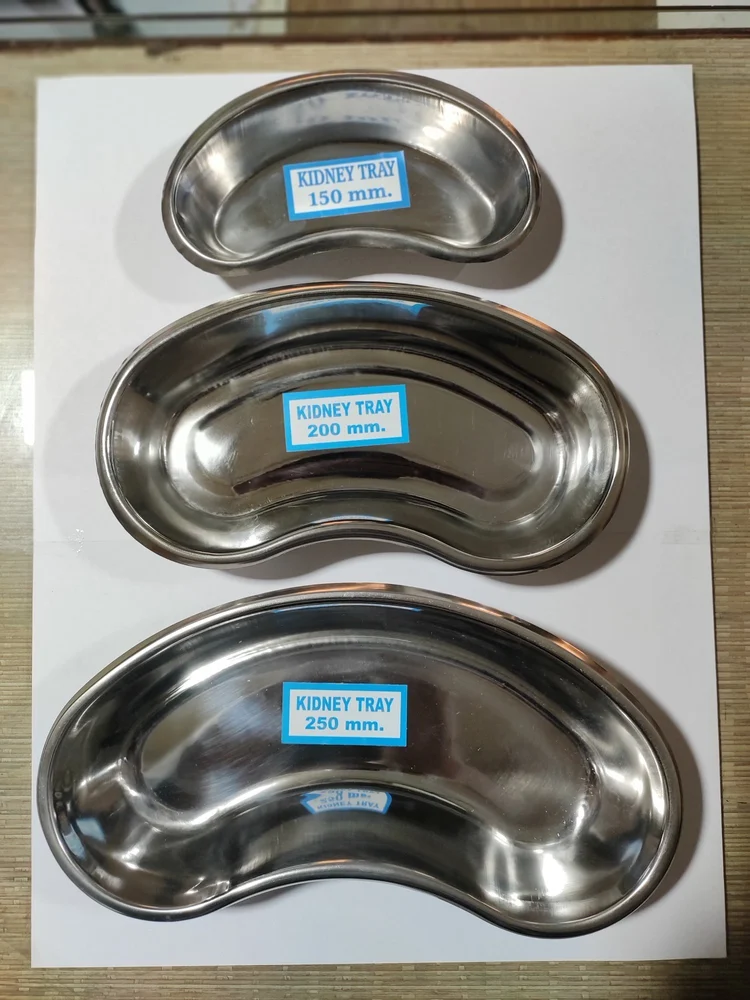

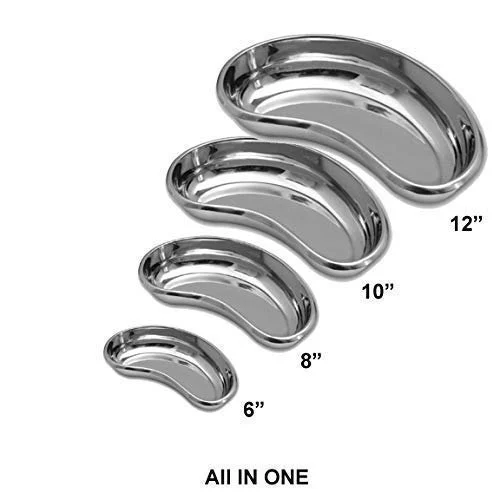
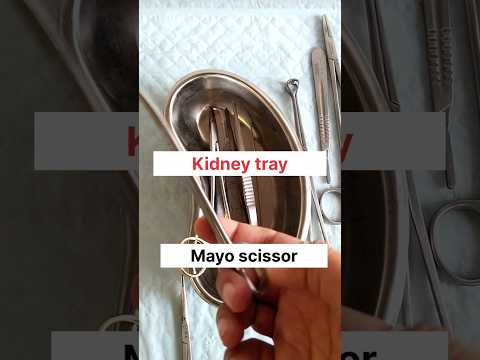
Kidney Tray
Drug Name
: NA
Drug Role
: A Kidney Tray-Heavy is a sturdy, deep, and larger version of the standard kidney tray, designed for use in environments where heavy-duty use is required
NA
No
Ceritifcations:










Please login / register to buy or to get detailed information of the product
SKU:
Stock Available:
Batch / Lot. No:
Shelf life:
Manufacturing Date:
-
Expiry Date:
-
Minimum Pack Size:
Minimum Order Qty:
1
Pharma Categories:
• Medical Waste Containers • Surgical Instrument Trays
Product Form:
• Reusable: Typically, stainless steel trays are designed to be reusable, and are able to be sterilized and used multiple times.
Category:
Instruments
Group:
N/A
Type:
• Heavy Duty Stainless Steel Tray: The most common form, built to withstand heavy usage and repeated sterilization cycles. • Heavy Duty Plastic Tray: A more affordable option, typically used in non-sterile environments or for single-use purposes in some c
Material:
• Stainless Steel: The most durable and common material for heavy-duty kidney trays, capable of withstanding repeated sterilization cycles and heavy use.
HSN Code:
9018.90
HS Code:
9018
Country of Origin:
India
TAX:
5%
Qty per Piece:
Weight Of Each Piece(gm):
Piece Dimensions (L×W×H):
Qty per Buffer Box / Shrink Pack:
Weight of Buffer Box / Shrink Pack:
Buffer Dimensions (L×W×H):
Total Qty per Case:
Total Weight per Case:
Case Dimensions (L×W×H):
Weight / Volume:
Dimensions:
Inhouse product
A Kidney Tray-Heavy is a sturdy, deep, and larger version of the standard kidney tray, designed for use in environments where heavy-duty use is required. Typically constructed from high-quality stainless steel or heavy-duty plastic, these trays are built to withstand rigorous conditions and heavy instruments. The kidney-shaped design allows for easy placement in tight spaces, such as operating tables, patient bedsides, or surgical carts, while providing more capacity for holding larger quantities of surgical waste, tools, or medical disposables.
A Kidney Tray-Light is a small, shallow, kidney-shaped tray used in medical settings for various purposes, including the collection of waste, used surgical items, or for holding sterile instruments during procedures. It is typically made from lightweight materials, such as plastic or stainless steel, and designed to be easily handled and lightweight for ease of transport. The tray's shape and size allow it to be used in compact spaces, making it a common tool in hospitals, clinics, and surgical environments.It is widely used for minor surgical procedures, dressing changes, and patient care, often to hold disposable items, medical gauze, or swabs. The kidney shape allows for easy placement in bedsides, operating tables, or other tight spaces where access to waste or used items is needed
Kidney Tray - PVC Plastic is a kidney-shaped container widely used in medical and surgical settings for holding surgical instruments, dressings, and waste materials. Made from durable, lightweight PVC plastic, these trays are easy to clean, disinfect, and reuse. The kidney shape facilitates comfortable placement against the patient’s body during procedures
• Material: Made of stainless steel (preferred for its durability, rust-resistance, and ability to be
sterilized), or heavy-duty plastic.
• Dimensions: Typically larger than standard trays, ranging from 30-40 cm in length, 12-18 cm in
width, and 5-8 cm in height.
• Shape: Kidney-shaped, providing ample space and ease of access to instruments or disposables.
• Finish: Polished stainless steel finish for durability and easy cleaning; some may have a matte or
textured finish to minimize glare in sterile settings.
• Medium (30x12 cm): Ideal for general procedures, capable of holding a moderate amount of instruments or waste.
• Large (35x15 cm): Designed for major surgeries or to hold a larger number of medical instruments.
• Extra-Large (40x18 cm): Perfect for high-volume surgeries, major procedures, or post-operative care.
• Kidney Shape: The curved kidney shape allows the tray to fit comfortably in tight spaces, such as on surgical tables, patient bedsides, or mobile carts.
• Rounded Edges: Smooth, rounded edges ensure that the tray is easy to handle, and prevent injury to medical staff or patients.
• Heavy Duty Stainless Steel Tray: The most common form, built to withstand heavy usage and repeated sterilization cycles.
• Heavy Duty Plastic Tray: A more affordable option, typically used in non-sterile environments or for single-use purposes in some clinical settings.
• Sterile Kidney Tray: Pre-sterilized for use in surgical procedures where sterility is critical, particularly when handling surgical instruments or waste.
• Stainless Steel: The most durable and common material for heavy-duty kidney trays, capable of withstanding repeated sterilization cycles and heavy use.
• Heavy Duty Plastic (Polypropylene): A more cost-effective option, used in less demanding settings or for single-use applications.
• Medical Waste Containers
• Surgical Instrument Trays
• Patient Care Equipment
• Operating Room Accessories
• Reusable: Typically, stainless steel trays are designed to be reusable, and are able to be sterilized and used multiple times.
• Single-Use: Plastic trays are often used as disposable or single-use trays to maintain hygiene and prevent contamination in non-sterile settings.
• Pre-Sterilized: Some trays come pre-sterilized and are specifically for surgical environments, ensuring that they are free of any contaminants.
• Surgical Waste Collection: Used for the collection of blood-soaked materials, disposable surgical tools, and used gauze during major surgeries.
• Instrument Holding: Ideal for holding surgical instruments such as scalpels, forceps, and sutures during a procedure.
• Post-Operative Care: Used to collect medical waste or hold disposables after surgical procedures in both human and veterinary care.
• Durability: Made from heavy-duty materials such as stainless steel, these trays are built to last and can handle heavy instruments or large quantities of waste without damage.
• Versatile Size: The larger size provides more space, making it suitable for major surgeries and high-volume use.
• Easy to Sterilize: Stainless steel trays can be autoclaved to ensure they are sterile and safe to use in surgical environments.
• Efficiency: Larger capacity means less frequent handling or replacement during long surgeries, improving efficiency in high-stress environments.
• Weight (For Metal Trays): Stainless steel trays can be heavier compared to plastic trays, which may be difficult to handle during extended use.
• Cost: Heavy-duty stainless steel trays are more expensive compared to plastic alternatives.
• Plastic Tray Durability: Heavy-duty plastic trays may not be as durable as metal trays, especially in high-temperature or high-stress environments.
• Check for Damage: Always inspect the tray for any cracks or wear before use, especially plastic trays, which may be prone to cracking.
• Sterilization: If the tray is reusable, ensure that it is properly sterilized after each use to avoid contamination.
• Proper Handling: Handle the tray carefully to avoid spillage or injury to staff or patients.
• HS Code: 9018 (Surgical instruments and parts)
• HSN Code: 9018.90 (For surgical trays and related items)
• Sterile Handling: Use sterile gloves when handling the tray in surgical environments to prevent contamination.
• Safe Transport: Use appropriate carts or trays for transporting and storing to avoid spillage or damage during transit.
• Autoclaving: Stainless steel trays are easily autoclaved to maintain sterility for surgical use.
• Chemical Sterilization: Plastic trays may require chemical sterilization if autoclaving is not suitable due to material limitations.
• Single-Use Plastic Trays: Plastic trays can be used for one-time purposes and disposed of after use to maintain hygiene.
• Veterinary Surgeries: Used in veterinary settings to collect waste or hold instruments during major surgeries, such as spays, neuters, and fracture repairs.
• Small Animal Care: Often used for holding surgical instruments, gauze, or post-operative disposables during veterinary procedures.
• Surgical Procedures: Ideal for major human surgeries, where the tray holds surgical instruments or waste materials during operations like open heart surgeries, organ transplants, or gastrointestinal procedures.
• Post-Operative Care: Used in post-surgical environments to collect used dressings, gauze, or bandages.
• Emergency Care: Common in emergency rooms or trauma centres for waste collection and holding surgical tools during emergency procedures.
Q1: Can the kidney tray be used for both human and veterinary purposes?
A: Yes, the heavy-duty kidney tray can be used in both human and veterinary settings for surgical
waste collection, instrument holding, or patient care.
Q2: How do I clean a heavy-duty kidney tray?
A: Stainless steel trays can be cleaned and sterilized through autoclaving or chemical sterilization.
Plastic trays should be cleaned with appropriate disinfectants and can also be sterilized with chemicals.
Q3: Are plastic kidney trays durable enough for heavy surgical use?
A: Plastic trays are more suitable for minor procedures or single-use purposes. For heavy-duty surgical
use, stainless steel trays are recommended due to their durability and sterilization capabilities.
Q4: What is the weight capacity of a heavy-duty kidney tray?
A: Stainless steel heavy-duty trays can hold a larger amount of instruments or waste without damage,
typically up to several kilograms depending on the tray's size and material strength.
Secure Transaction
100% secure payment
Top Brand
Trusted quality
Non Return
Due to hygiene