 +91 88281
11034
+91 88281
11034
 Need Help?



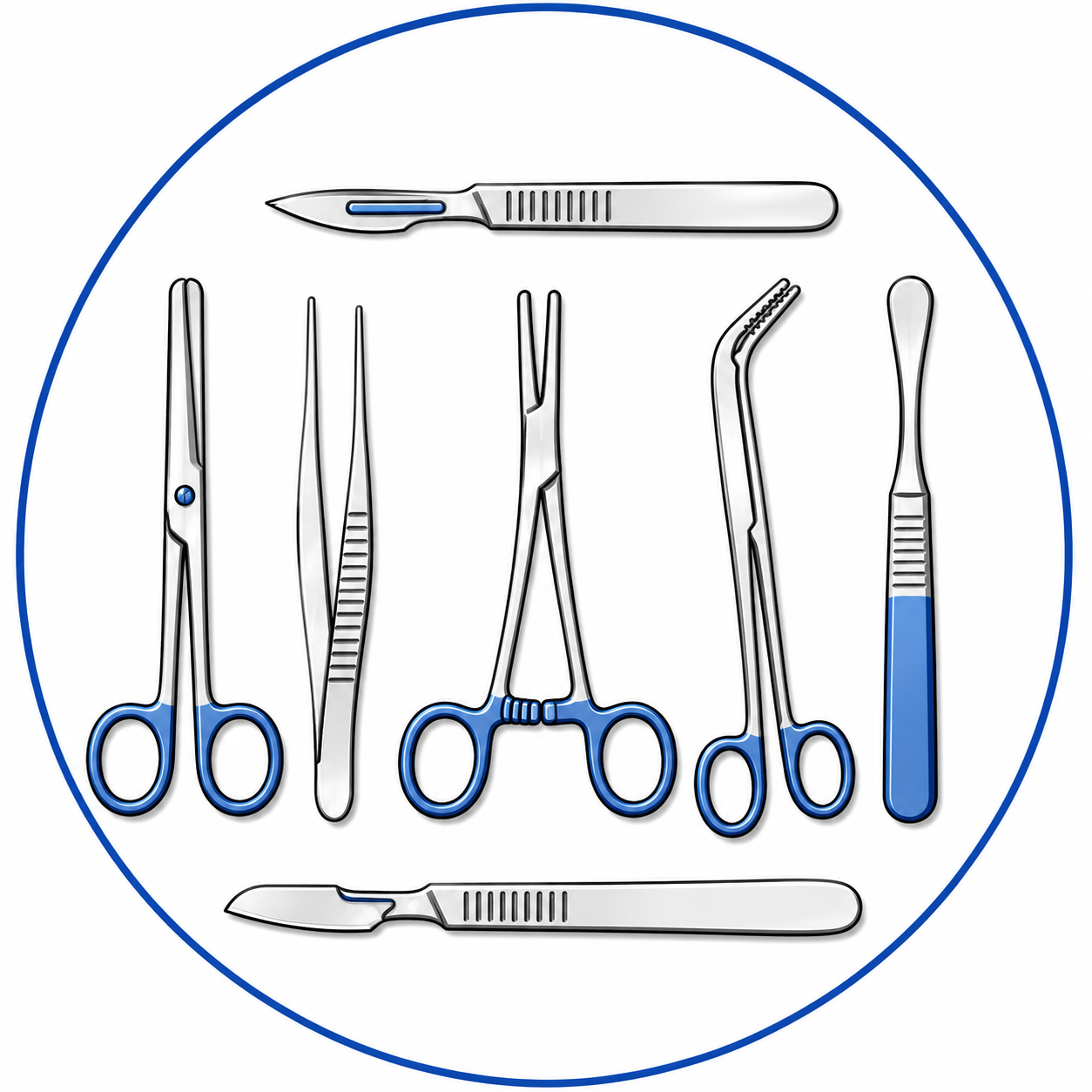
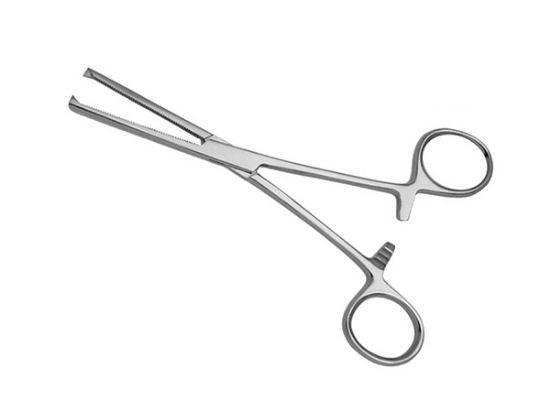
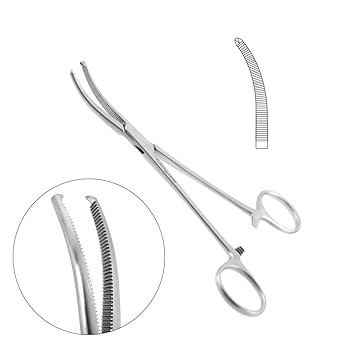
Rochester Ochsner Forceps
Drug Name
: NA
Drug Role
: The Rochester-Ochsner Forceps are robust surgical instruments used for clamping and holding thick tissue or large blood vessels during surgical procedures
NA
No
Ceritifcations:










Please login / register to buy or to get detailed information of the product
SKU:
Stock Available:
Batch / Lot. No:
Shelf life:
Manufacturing Date:
-
Expiry Date:
-
Minimum Pack Size:
Minimum Order Qty:
1
Pharma Categories:
• Category: Surgical Instruments – Forceps / Clamps
Product Form:
• Product Form: Solid stainless steel instrument (non-sterile)
Category:
Veterinary
Group:
N/A
Material:
Surgical-grade stainless steel
HSN Code:
9018.90.29
HS Code:
9018
Country of Origin:
Imported
TAX:
5%
Qty per Piece:
Weight Of Each Piece(gm):
Piece Dimensions (L×W×H):
Qty per Buffer Box / Shrink Pack:
Weight of Buffer Box / Shrink Pack:
Buffer Dimensions (L×W×H):
Total Qty per Case:
Total Weight per Case:
Case Dimensions (L×W×H):
Weight / Volume:
Dimensions:
Inhouse product
The Rochester-Ochsner Forceps are robust surgical instruments used for clamping and holding thicktissue or large blood vessels during surgical procedures. These forceps feature serrated jaws along theirlength and 1 × 2 interlocking teeth at the tip to provide a secure, non-slip grip on dense structures.Their heavy-duty design makes them ideal for surgeries involving deep or fibrous tissue, such asabdominal, orthopaedic, and gynaecological procedures.They are available in straight and curved variants to accommodate various surgical depths andapproaches.
• Material: Surgical-grade stainless steel
• Jaw Design: Full-length serrated jaws with 1 × 2 interlocking teeth at tip
• Locking System: Ratchet (box lock) mechanism
• Lengths Available: Commonly 14 cm, 16 cm, 18 cm, 20 cm, and longer
• Shape Options: Straight and curved
• Sterility: Supplied non-sterile (must be sterilized before use)
• Reusability: Yes – reusable after proper sterilization
• Sizes: Ranges from 140 mm to 200 mm (and above)
• Shapes:
o Straight jaw
o Curved jaw
• Variants:
o Standard reusable models
o Some variants are also referred to as Kocher-type due to the toothed tip
• Category: Surgical Instruments – Forceps / Clamps
• Product Form: Solid stainless steel instrument (non-sterile)
• Usage:
o Clamping and holding dense tissue or large vessels
o Ensuring haemostasis during surgery
o Common in general, abdominal, orthopaedic, and gynaecological surgeries
• Provides extremely secure grip on tough tissue
• Reduces slippage due to serrated jaws and toothed tip
• Locking mechanism allows hands-free clamping
• Available in various sizes for surgical depth flexibility
• Highly durable and suitable for repeated sterilization
• Can damage delicate tissue if misused
• Heavier and bulkier than fine forceps
• May obstruct view in narrow surgical fields
• Ratchet mechanism can wear over time if not maintained
• Avoid using on delicate or friable tissue
• Ensure instruments are properly cleaned and sterilized before each use
• Inspect the teeth and ratchet for alignment and wear
• Use only by trained surgical personnel
• Do not force ratchet if misaligned — risk of mechanical failure
• Handling:
o Rinse and clean thoroughly after use
o Avoid metal scrubbers that can damage the surface
o Inspect teeth and hinges regularly
• Sterilization:
o Autoclave or steam sterilization recommended
o Open the ratchet during sterilization for complete exposure
o Ensure dry storage post-sterilization
HS Code (International): 9018 HSN Code (India): 9018.90.29
Classification: Surgical Instruments – Other Instruments & Appliances
• Human Use:
o Widely used in general surgery, gynaecology, orthopaedics, and trauma care
• Veterinary Use:
o Applicable for large animal surgeries requiring strong tissue control
o May require size adjustment depending on species
Q1: What tissues are best suited for Rochester-Ochsner Forceps?
A: These are ideal for clamping thick, tough, or fibrous tissue and large blood vessels.
Q2: Are these forceps safe for delicate surgical procedures?
A: No, due to their toothed design and strong grip, they are not recommended for fragile tissues.
Q3: What’s the difference between straight and curved versions?
A: Straight versions are for direct access; curved ones are better for deeper or angled access points.
Q4: Can I sterilize this in a standard hospital autoclave?
A: Yes, these are fully autoclave-compatible and reusable.
Q5: Is this instrument reusable or single-use?
A: It is reusable and must be properly cleaned and sterilized after each use
Secure Transaction
100% secure payment
Top Brand
Trusted quality
Non Return
Due to hygiene