 +91 88281
11034
+91 88281
11034
 Need Help?




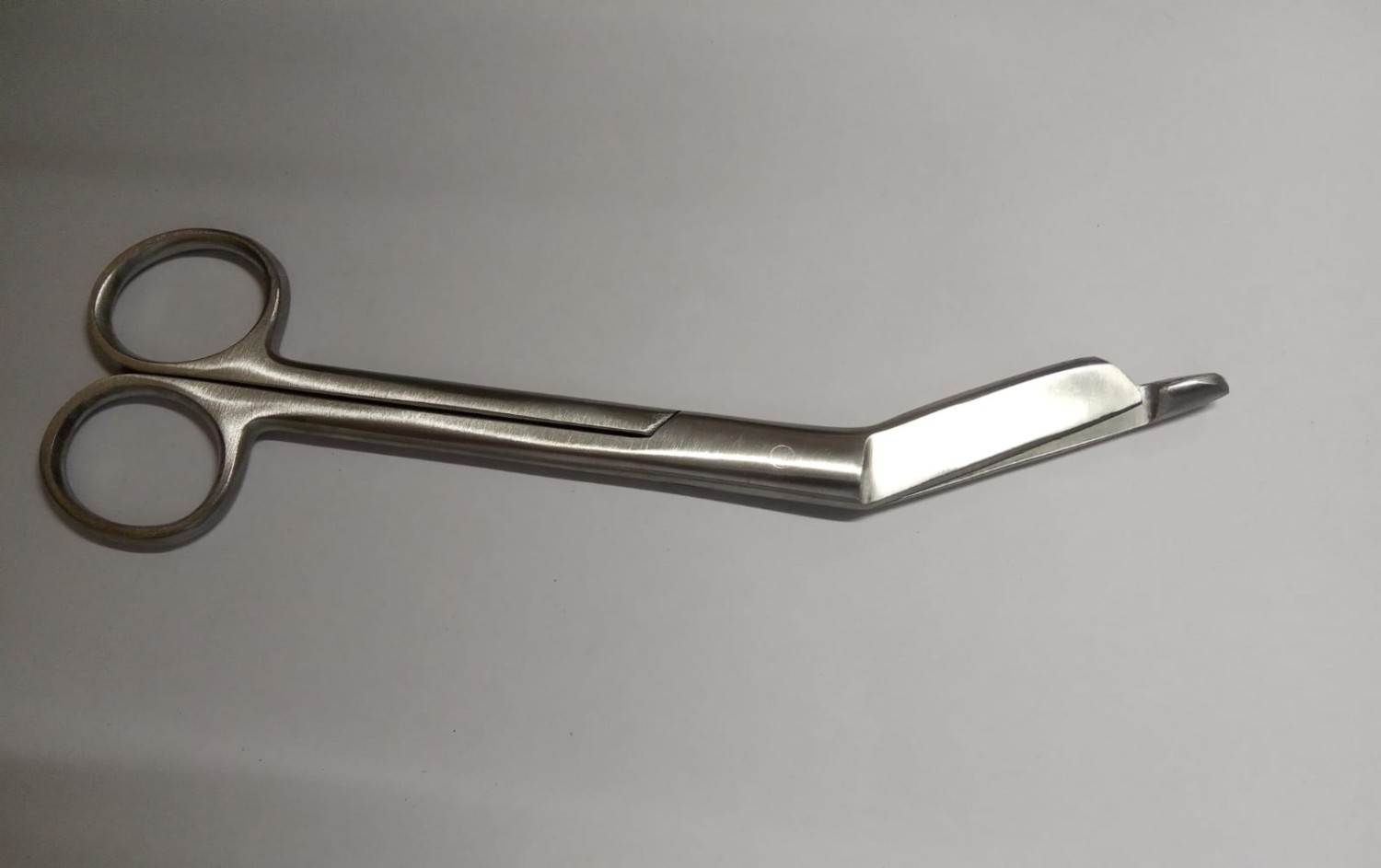
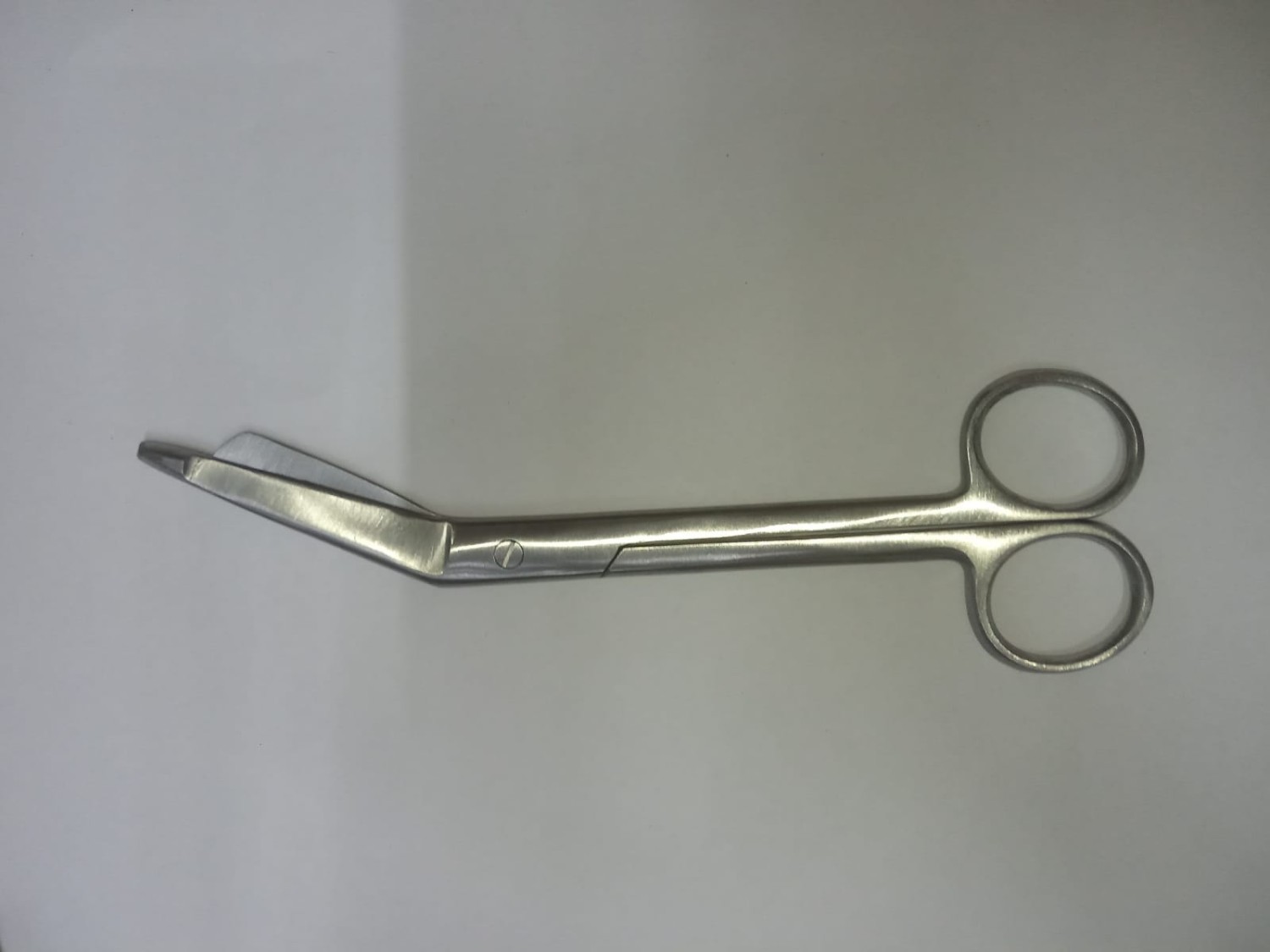
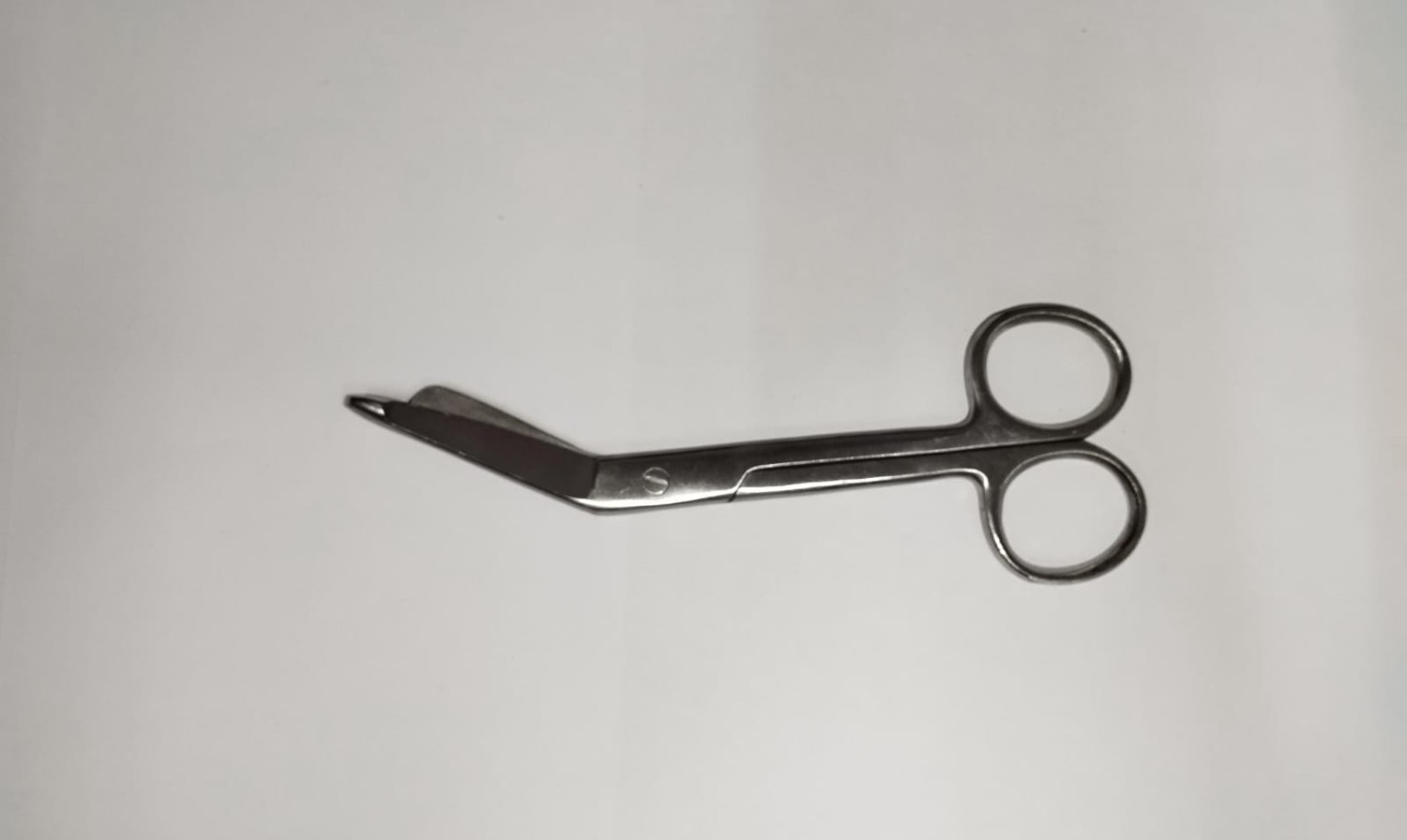
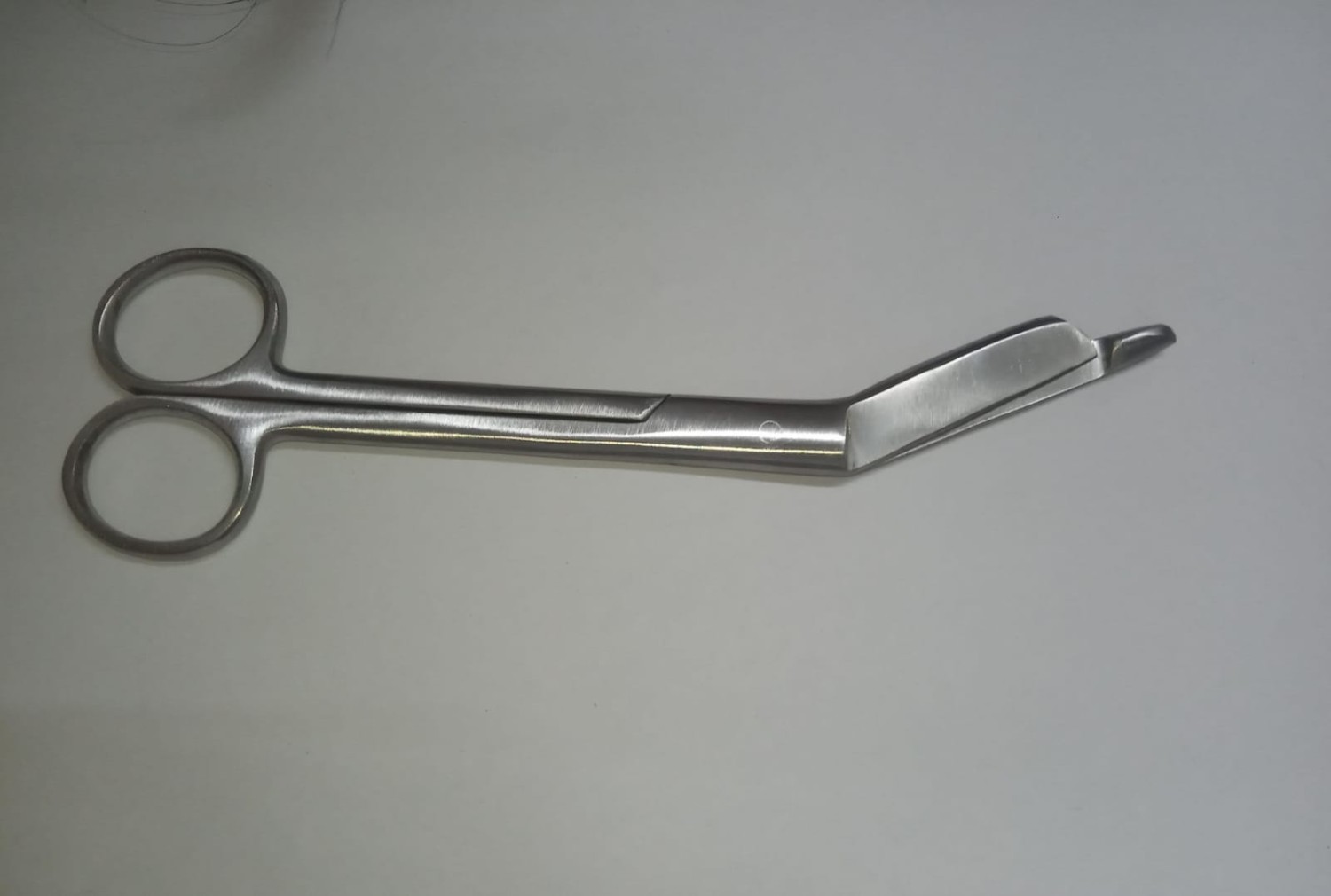
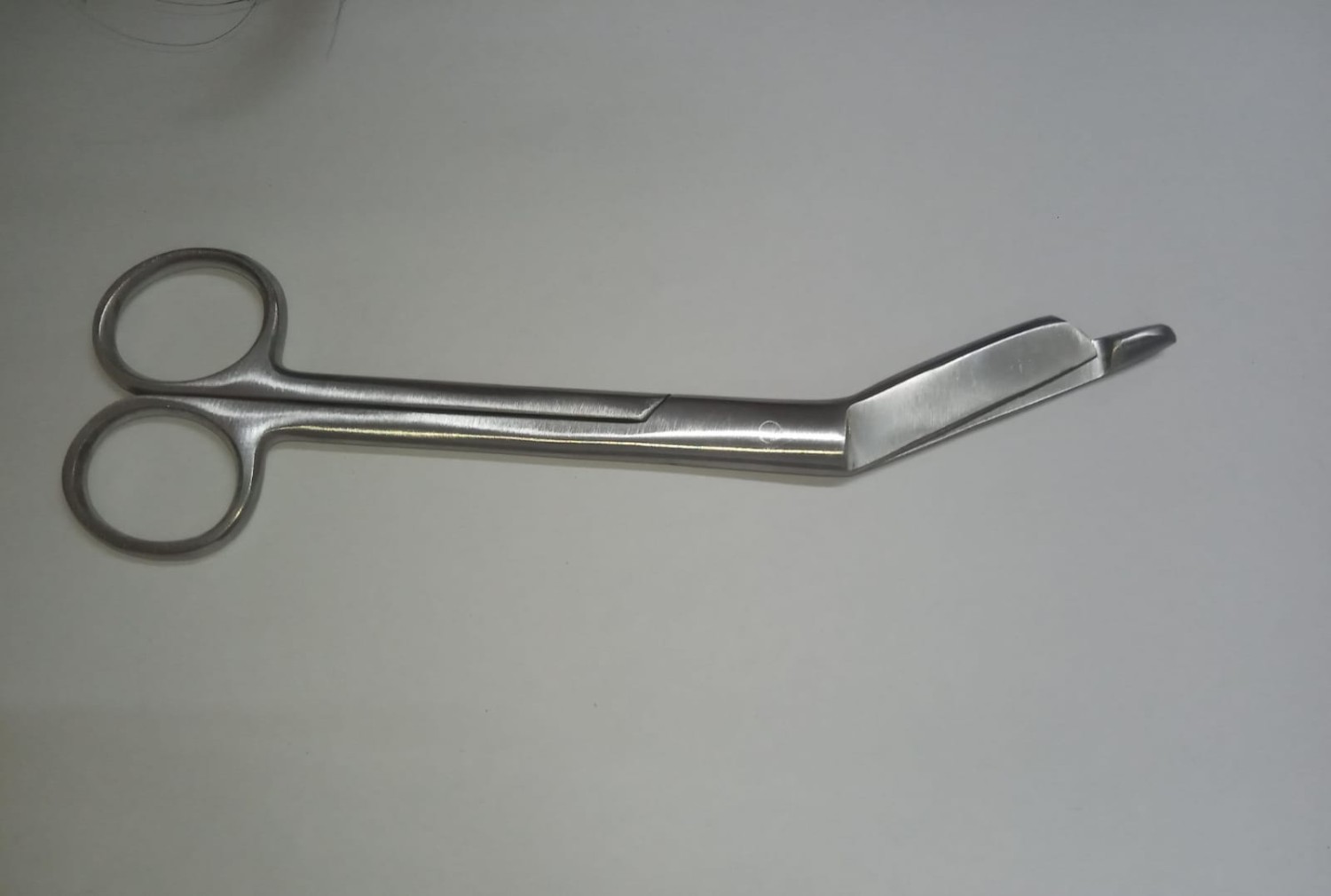
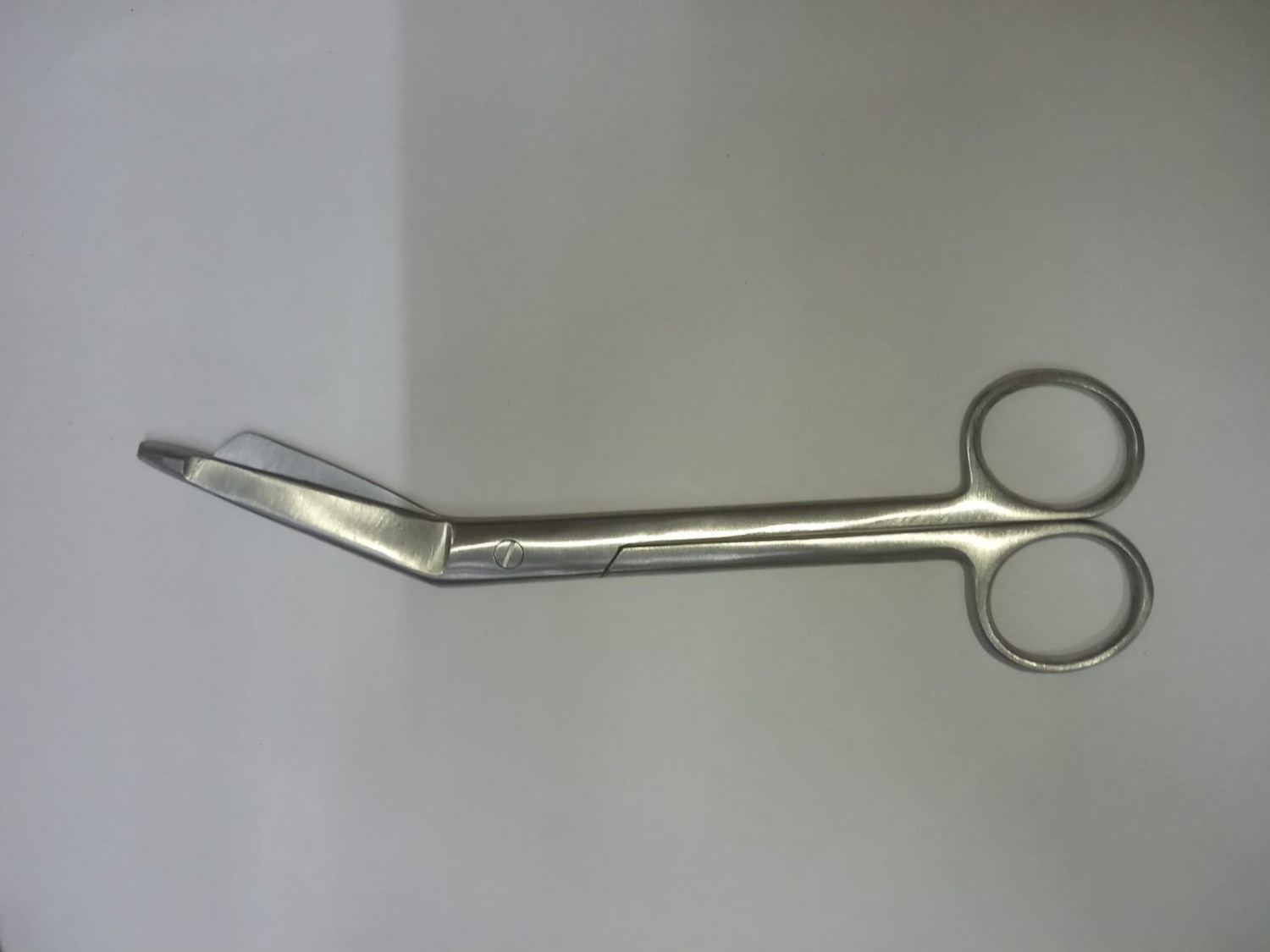
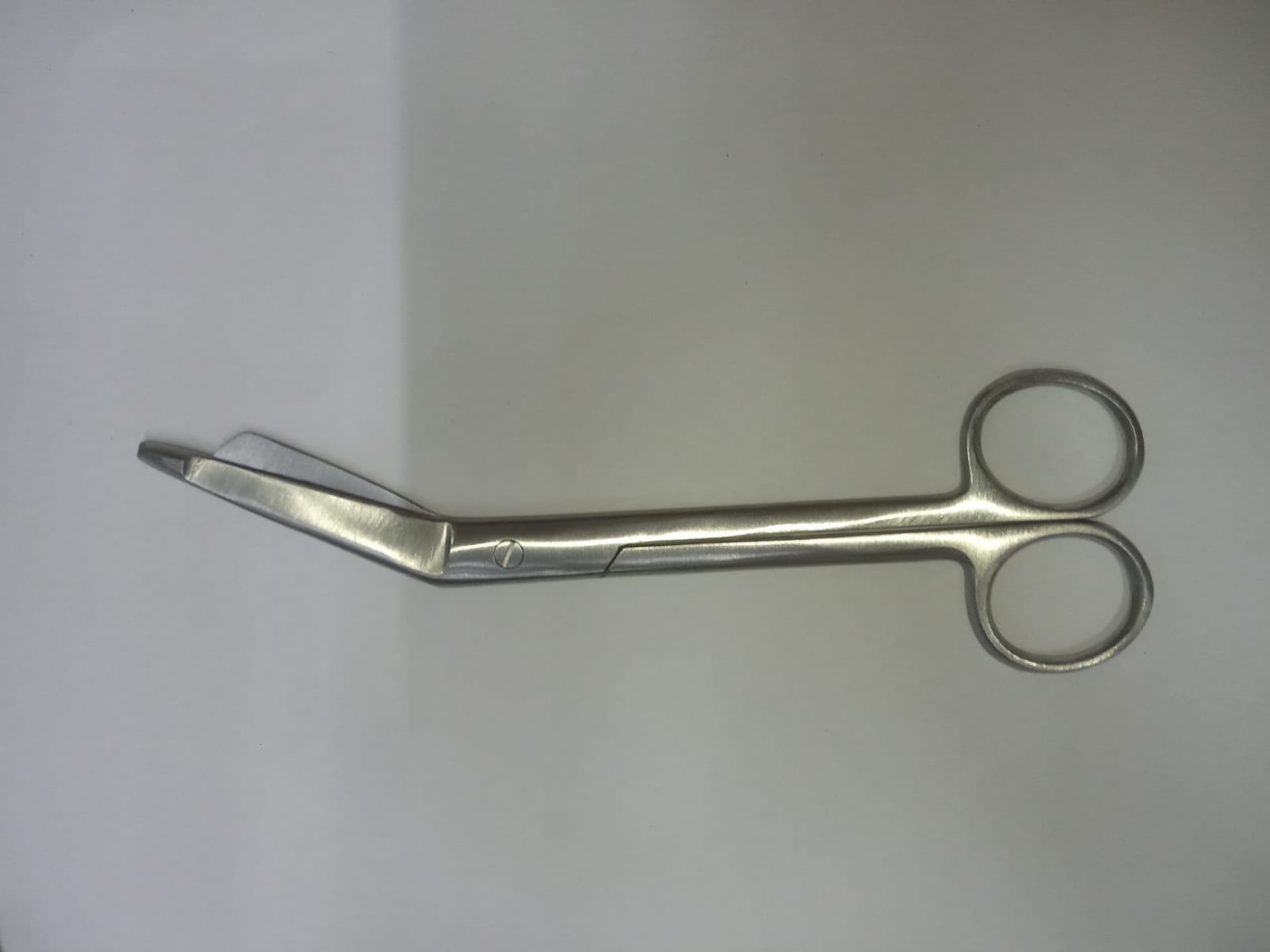
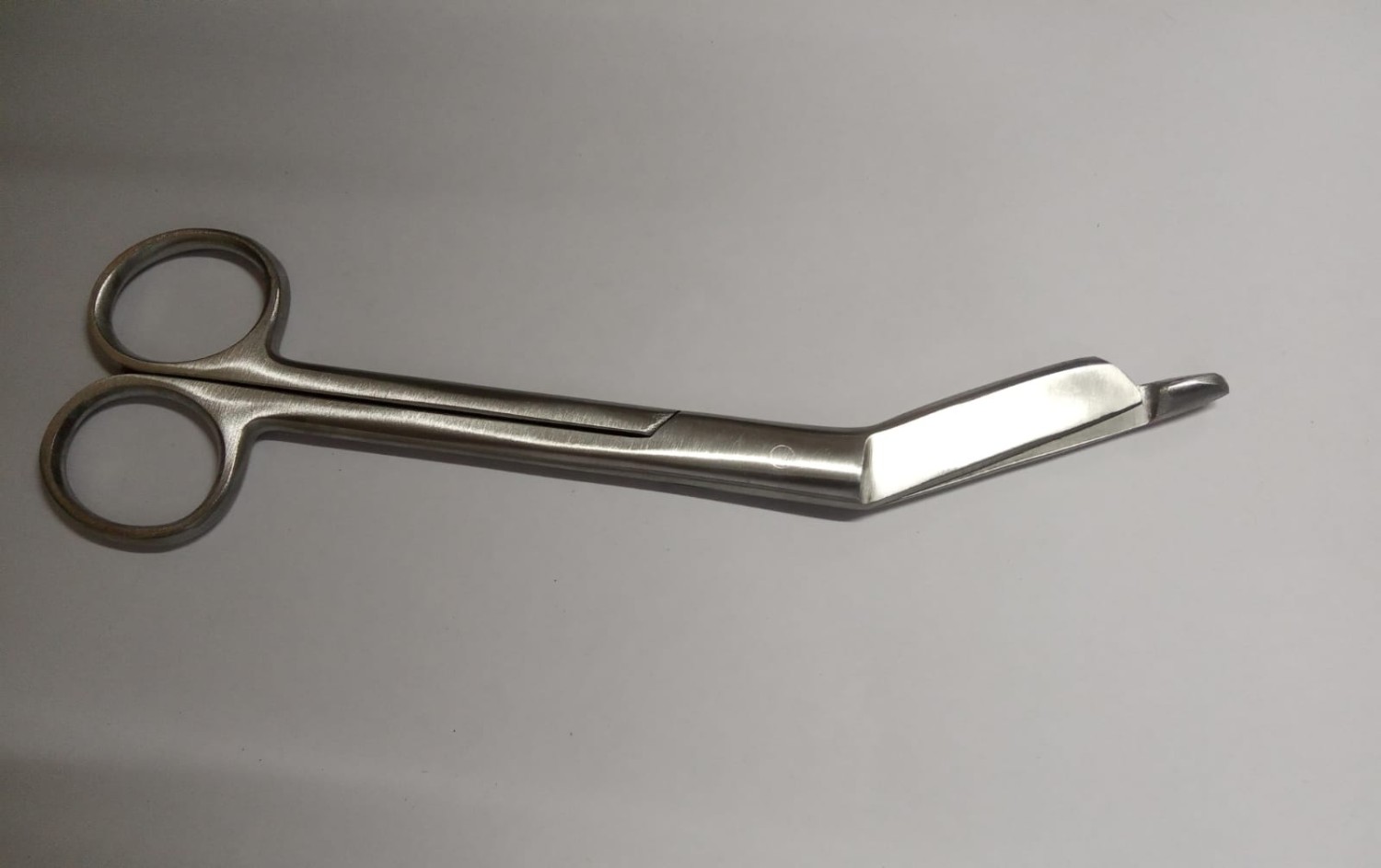
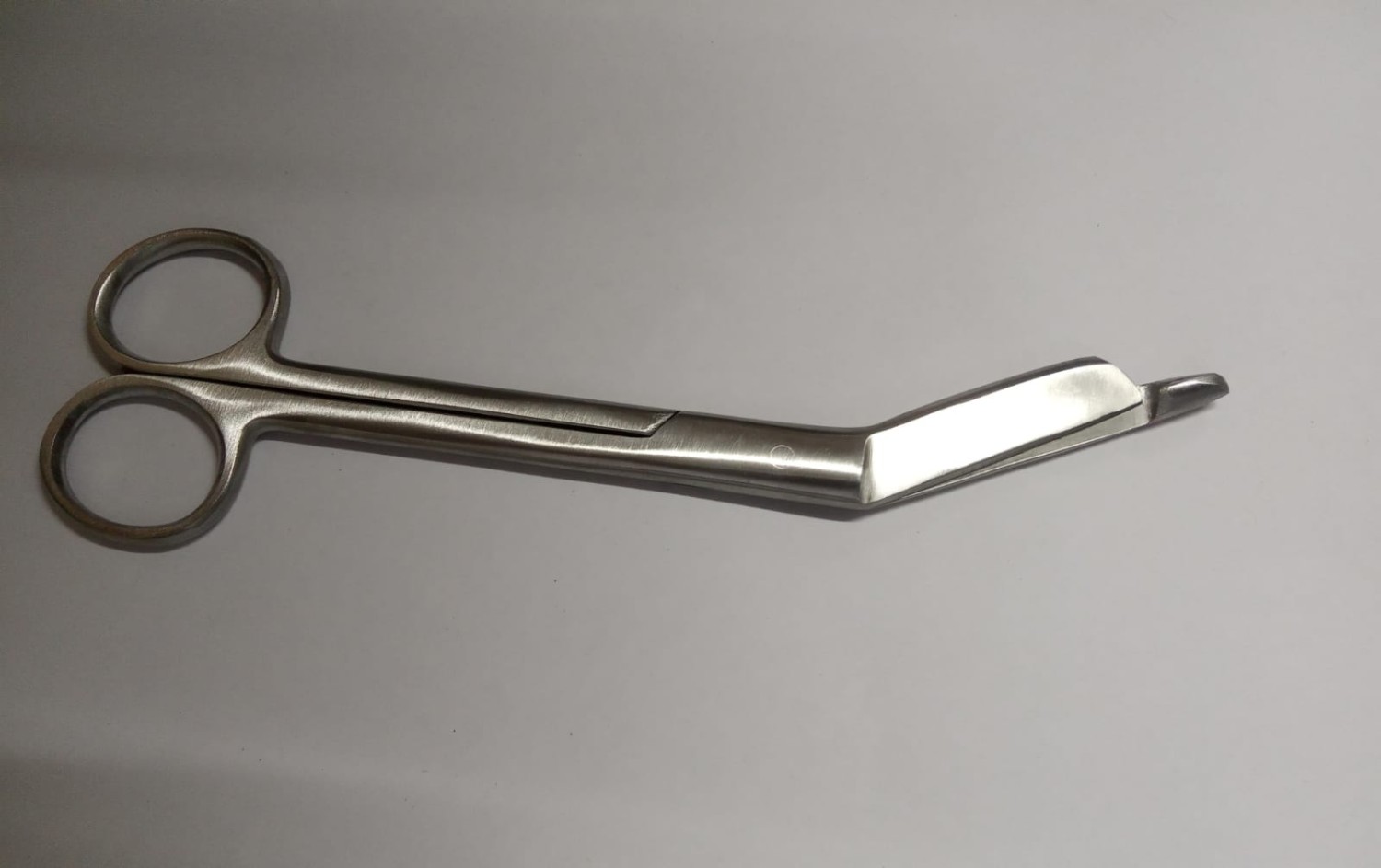
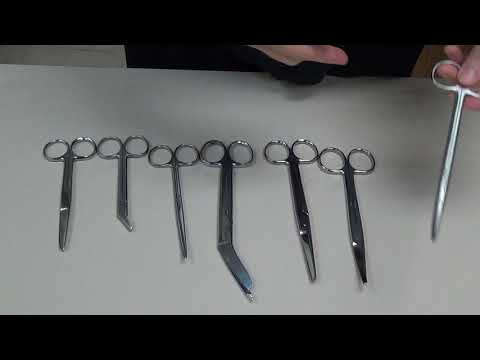
Bandage Scissor Or Gauze Cutting Scissor
Drug Name
: NA
Drug Role
: Bandage Cutting
NA
No
Ceritifcations:










Please login / register to buy or to get detailed information of the product
SKU:
Stock Available:
Batch / Lot. No:
Shelf life:
Manufacturing Date:
-
Expiry Date:
-
Minimum Pack Size:
Minimum Order Qty:
1
Pharma Categories:
Surgical Instruments
Product Form:
Scissors
Category:
Instruments
Group:
N/A
Type:
Surgical Instrument
Material:
SS
Tags
HSN Code:
9018
HS Code:
9018.90
Country of Origin:
Imported
TAX:
5%
Qty per Piece:
Weight Of Each Piece(gm):
Piece Dimensions (L×W×H):
Qty per Buffer Box / Shrink Pack:
Weight of Buffer Box / Shrink Pack:
Buffer Dimensions (L×W×H):
Total Qty per Case:
Total Weight per Case:
Case Dimensions (L×W×H):
Weight / Volume:
Dimensions:
Inhouse product
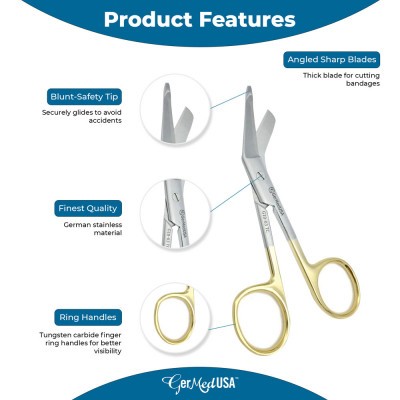
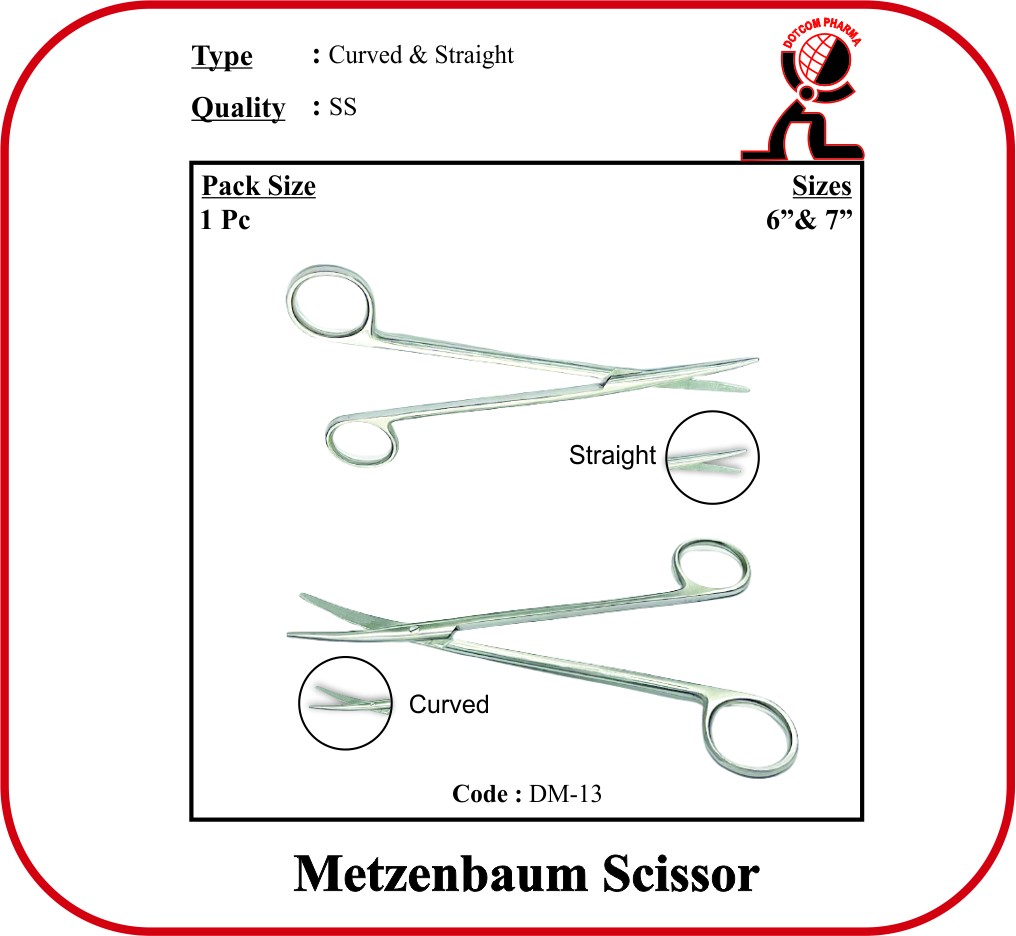
Gauze cutting scissors are surgical-grade scissors specifically designed for cutting gauze, bandages, and dressings during veterinary procedures. These scissors ensure clean and efficient cutting of sterile materials without damaging underlying tissues or dressings.
• Length: Typically ranges from 5 to 7 inches (12.5–18 cm)
• Blade Type: Blunt-tipped or angled for safe cutting
• Cutting Edge: Smooth, sharp-edged blade for precise cutting
• Grip: Finger ring handles; ergonomically designed
• Finish: Matte or satin finish to reduce glare
• Sterilization: Fully autoclavable
• Small: 5 inches – ideal for minor wound dressing
• Medium: 6 inches – commonly used in clinics
• Large: 7 inches – for cutting thick or multiple layers of gauze
• Straight blade
• Angled blade (popular for better visibility and access)
• Curved tip
• Blunt-blunt or blunt-sharp tip combination
• Standard gauze scissors
• Lister-type bandage scissors (angled blade with blunt tip)
• Utility dressing scissors/ Disposable gauze scissors
• Surgical stainless steel (corrosion-resistant and autoclavable)
• Stainless steel with plastic-coated handles (for comfort and grip)
• Disposable plastic + steel tip versions for single-use
• Veterinary Surgical Instruments
• Dressing and Bandaging Tools
• Surgical Scissors
• Individually packed
• Sterile or non-sterile packaging
• Part of wound care or dressing kits
• Available in reusable and disposable forms
• Cutting gauze pads, rolls, and dressing materials
• Trimming bandages during application or removal
• Shaping wound covers for precise fit
• Removing old or soiled gauze with minimal tissue disturbance
• General use in wound dressing and post-operative care
• Provides clean and smooth cuts through gauze materials
• Prevents fraying of bandage edges
• Minimizes risk of injury to patient during dressing changes
• Reusable versions are durable and cost-effective
• Available in various sizes and shapes for different needs
• Can dull over time and require sharpening
• Improper sterilization can lead to contamination
• Disposable types generate more medical waste
• Not intended for cutting sutures or hard materials
• Always sterilize reusable scissors before and after use
• Use scissors only for gauze/dressing to maintain blade sharpness
• Handle with care to avoid injuries
• Check blade alignment before procedures
• Do not mix with tissue scissors to prevent cross-contamination
• HS Code: 9018.90 (Instruments and appliances used in veterinary sciences)
• HSN Code: 9018 (Surgical, medical, dental or veterinary instruments and apparatus)
• Hold with thumb and ring finger through the handles
• Use index finger for control and support
• Cut at an angle for smoother edges
• Store separately to maintain sharpness
• Sharpen periodically if reusable
• Autoclaving: Ideal for reusable stainless steel scissors (121°C – 134°C)
• Chemical Disinfection: Use glutaraldehyde or other approved agents
• Dry Heat Sterilization: Suitable where autoclaves aren't available
• Disposable Types: Use once and discard in biohazard container
• Widely used in wound care, surgical dressing, and post-operative bandaging
• Suitable for companion animals (dogs, cats, rabbits) and large animals (horses, cattle)
• Included in mobile veterinary kits and clinic surgical setups
• Helps ensure sterile and precise dressing in all types of animal care
• Used in hospitals, clinics, and first aid kits for cutting gauze and dressings
• Lister bandage scissors are commonly used for removing bandages safely
• Used in emergency medical services and post-surgery wound care
Q1: What is a gauze cutting scissor?
A gauze cutting scissor is a surgical instrument used for cutting gauze and dressing materials cleanly during medical or veterinary procedures.
Q2: Can gauze cutting scissors be sterilized?
Yes, reusable scissors can be autoclaved or chemically sterilized. Disposable versions are pre-sterilized for single use.
Q3: Are gauze scissors different from tissue scissors?
Yes, gauze scissors are designed for materials like gauze and bandages, while tissue scissors are used for cutting biological tissue.
Q4: What material is used in gauze scissors?
Usually made from high-grade surgical stainless steel for durability and hygiene.
Q5: What is the HS code for gauze cutting scissors?
9018.90 under medical/veterinary instruments.
Secure Transaction
100% secure payment
Top Brand
Trusted quality
Non Return
Due to hygiene