 +91 88281
11034
+91 88281
11034
 Need Help?



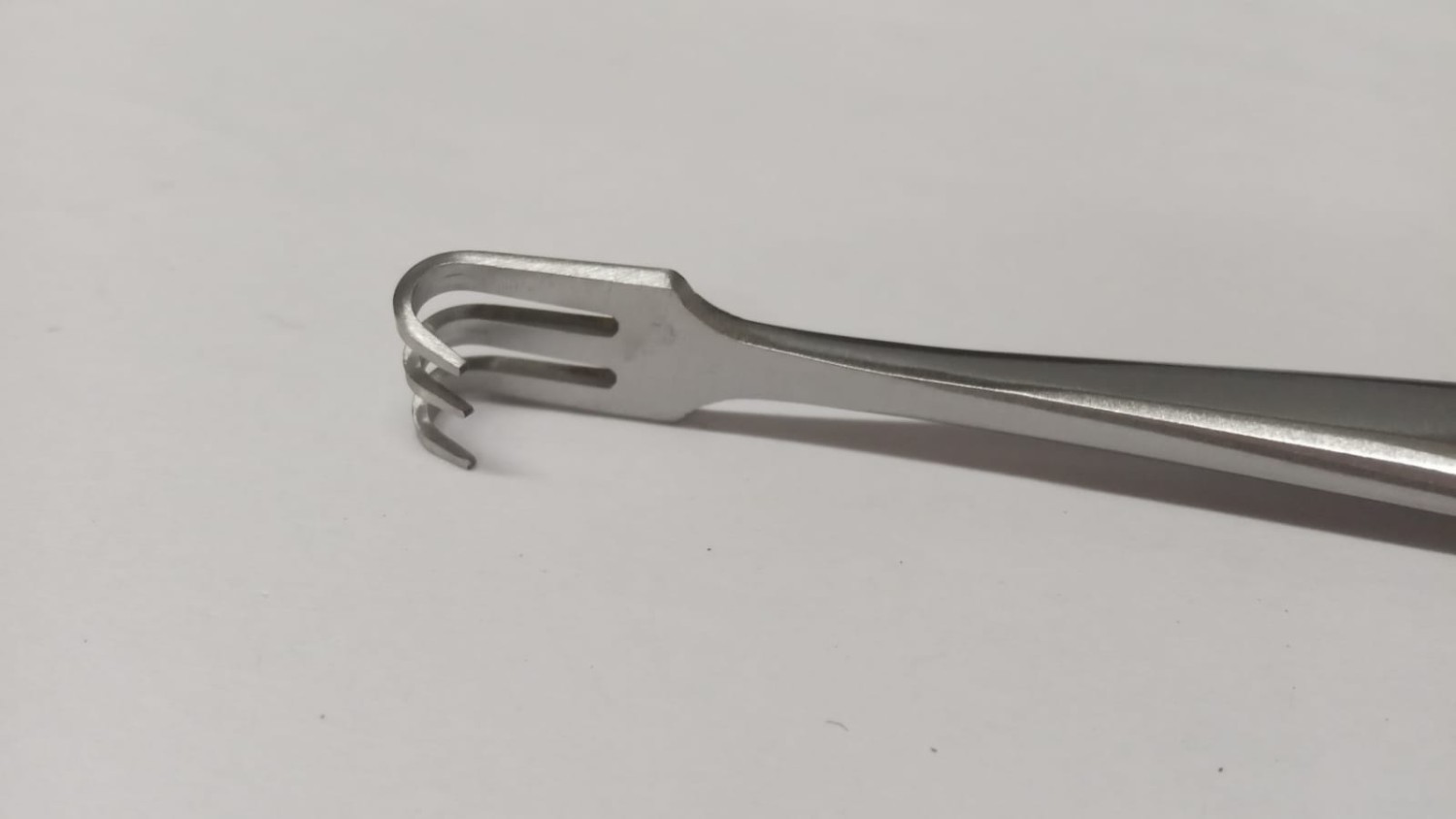
Mc Indoe's FIne Dissecting Forceps
Drug Name
: NA
No
Ceritifcations:










Please login / register to buy or to get detailed information of the product
SKU:
Stock Available:
Batch / Lot. No:
Shelf life:
Manufacturing Date:
-
Expiry Date:
-
Minimum Pack Size:
Minimum Order Qty:
1
Pharma Categories:
Instrument
Product Form:
Veterinary Instruments
Category:
Human
Group:
N/A
Type:
Veterinary Instrument
HSN Code:
9018
HS Code:
9018
Country of Origin:
Indian
TAX:
5%
Qty per Piece:
Weight Of Each Piece(gm):
Piece Dimensions (L×W×H):
Qty per Buffer Box / Shrink Pack:
Weight of Buffer Box / Shrink Pack:
Buffer Dimensions (L×W×H):
Total Qty per Case:
Total Weight per Case:
Case Dimensions (L×W×H):
Weight / Volume:
Dimensions:
Inhouse product
McIndoe’s Fine Dissecting Forceps are precision surgical instruments used primarily in delicate tissue handling during surgical procedures. The 6-inch variant offers a perfect balance of control and manoeuvrability. Available in both plain (smooth tip) and toothed (1x2 teeth) versions, they are ideal for fine dissection, especially in plastic, reconstructive, ENT, ophthalmic, and general surgeries.
• Length: 6 inches (150 mm)
• Variants:
o Plain: Smooth tip for gentle tissue handling
o Toothed: 1x2 teeth for firmer grip on tougher tissues
• Tip Type: Fine, narrow, straight
• Surface Finish: Satin / matte or polished finish (non-reflective optional)
• Grip: Ridged handle for non-slip control
• Sterilization: Autoclavable
• Standard size: 6" (150 mm)
• Some manufacturers may offer other lengths (e.g., 5", 7")
• Available in both fine and extra-fine tip options
• Straight body with fine, pointed tips
• Plain: Smooth jaws for soft tissue
• Toothed: 1x2 teeth for grip (commonly used in skin, fascia handling)
• Spring tension mechanism for precision
• Non-locking thumb-style forceps
• High-quality surgical grade stainless steel (AISI 410/420 or equivalent)
• Rust- and corrosion-resistant
• Reusable and autoclavable
• Surgical Instruments
• Dissecting Instruments
• Fine Tissue Forceps
• General Surgery / Microsurgery / ENT Instruments
• Reusable
• Individually packed or in instrument sets
• Sterile or non-sterile (usually supplied non-sterile)
• Holding and manipulating delicate tissue during dissection
• Grasping fine vessels, nerves, or skin edges
• Used in surgeries requiring precision (plastic, ENT, vascular)
• Commonly used in suturing, skin approximation, or micro dissection
• Excellent precision for fine surgical tasks
• Lightweight and ergonomic for prolonged use
• Available in both smooth and toothed versions for versatility
• Autoclavable and long-lasting
• Satin finish reduces glare in the operating field
• Plain tip may lose grip on tougher tissues
• Toothed version can damage delicate tissues if misused
• Requires careful handling to maintain tip alignment
• Can bend if improperly stored or dropped
• Always inspect tip alignment before use
• Ensure proper cleaning before sterilization
• Do not use toothed version on fragile or vascular tissues
• Store in protective trays to avoid bending
• Avoid prolonged exposure to corrosive chemicals
• HS / HSN Code: 9018.90.99 (Surgical instruments and appliances – others)
• GST Slab (India): 12% (varies based on classification)
• Handle by the body, not by tips
• Clean with soft brush to remove tissue residue
• Dry thoroughly after washing
• Use instrument-safe disinfectants and ultrasonic cleaners
• Fully autoclavable at standard 121°C for 15–20 minutes
• Can also be sterilized using ETO or chemical methods
• Avoid high chloride detergents which may cause corrosion
• Dry completely to prevent spotting or rusting
Used in:
• Small animal surgeries (e.g., feline/dog reconstructive surgery)
• Microsurgery, ophthalmic procedures
• Soft tissue and vascular surgeries in companion animals (Short form: soft tissue, reconstructive, micro-vet surgery)
Used in:
• Plastic and reconstructive surgery
• ENT, ophthalmic, and neuro procedures
• Precise tissue handling during dissection and suturing (Short form: ENT, plastic, micro, neuro, ophthalmic)
Q1. What is the difference between plain and toothed McIndoe’s forceps?
Plain forceps have smooth tips and are used for delicate tissue, while toothed ones have small teeth (1x2) that offer a stronger grip for tougher tissues like skin.
Q2. Are these forceps reusable?
Yes, they are made from high-grade stainless steel and are fully autoclavable for repeated surgical use.
Q3. Can these be used in both human and veterinary procedures?
Absolutely. They are commonly used in both fields for fine dissection, especially in reconstructive and soft tissue surgeries.
Q4. What is the typical lifespan of McIndoe’s forceps?
With proper care and maintenance, they can last many years in clinical settings without loss of performance.
Q5. Can I sterilize them using chemical solutions?
Yes, but it's essential to rinse and dry them thoroughly afterward to prevent corrosion. Autoclaving remains the most reliable method.
Secure Transaction
100% secure payment
Top Brand
Trusted quality
Non Return
Due to hygiene