 +91 88281
11034
+91 88281
11034
 Need Help?




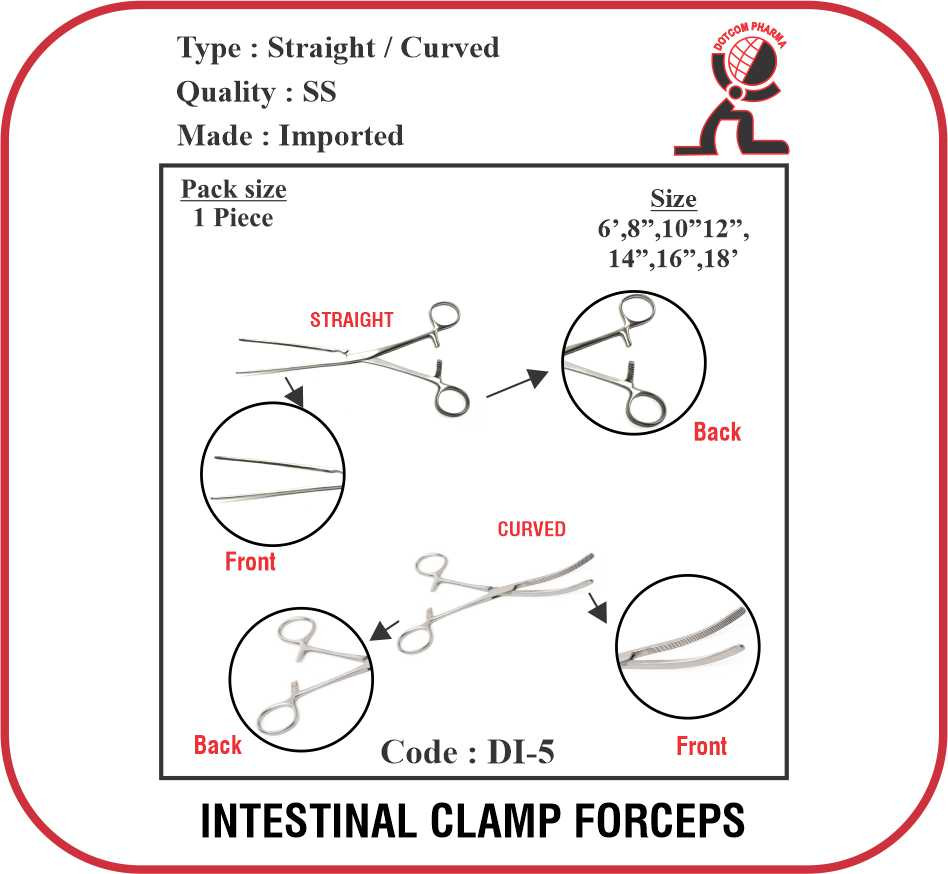
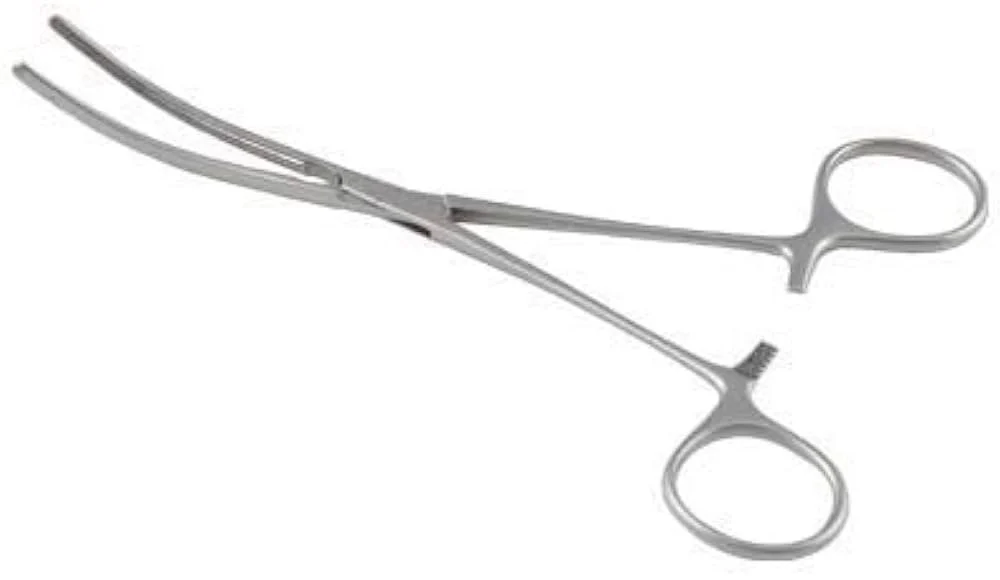
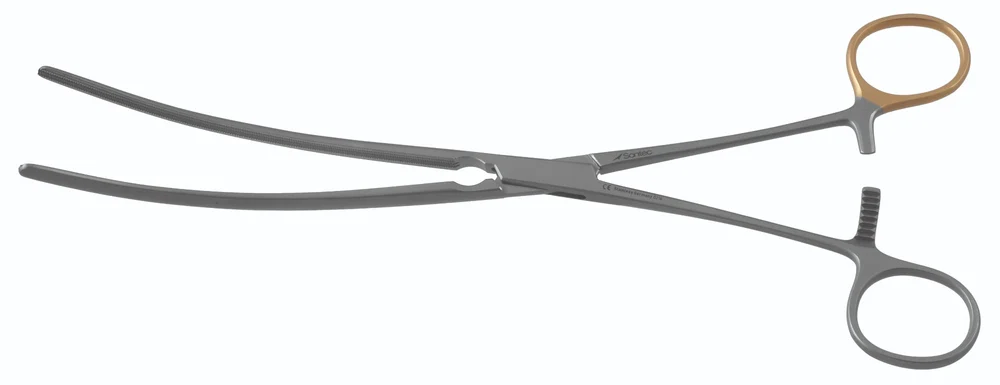
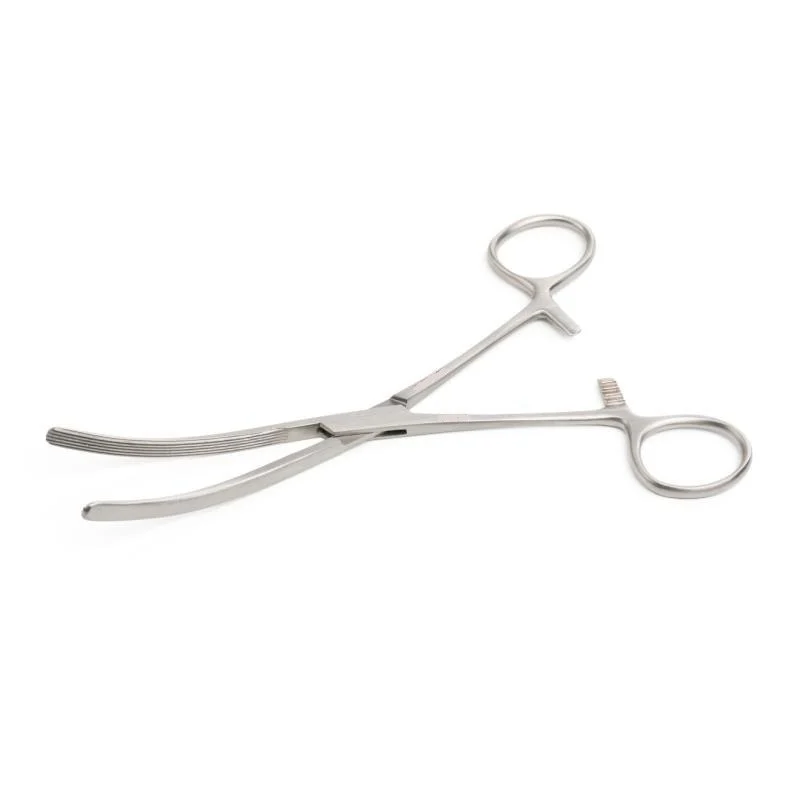
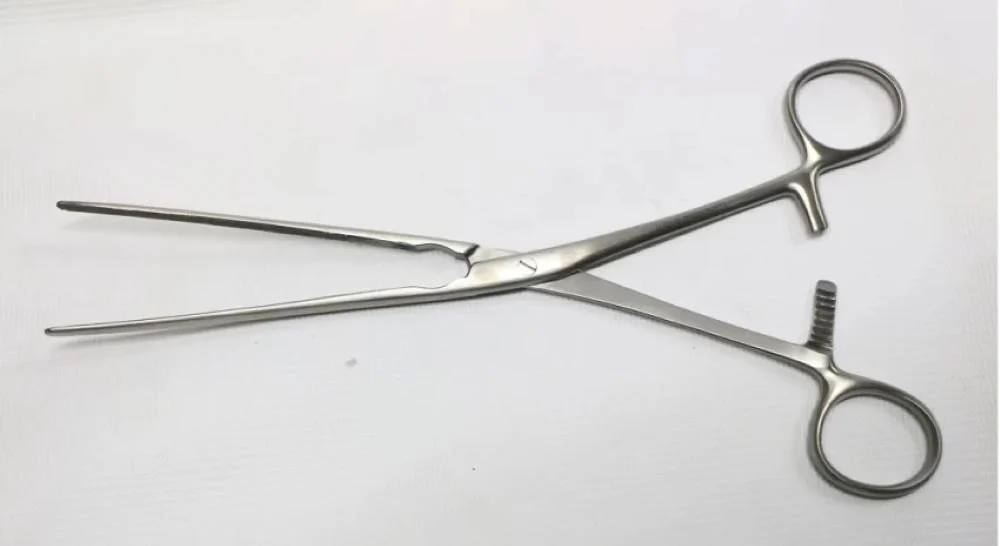
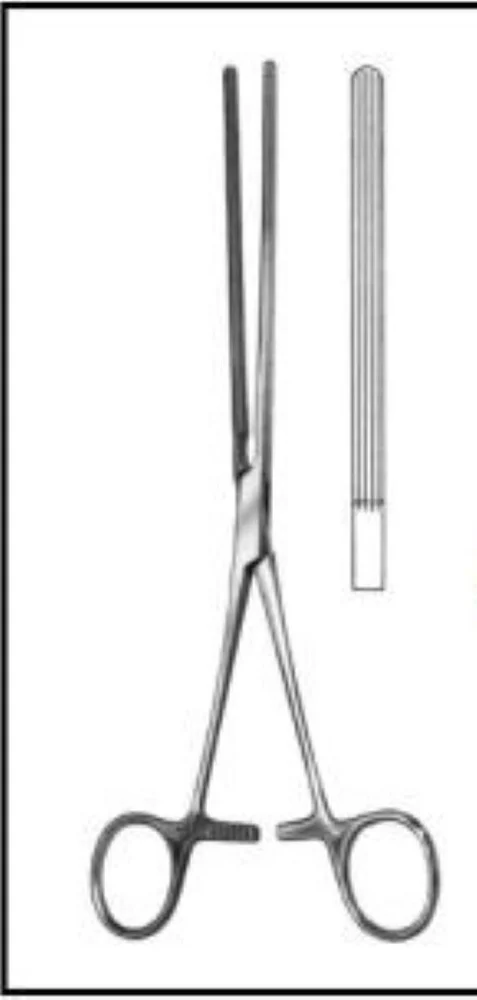
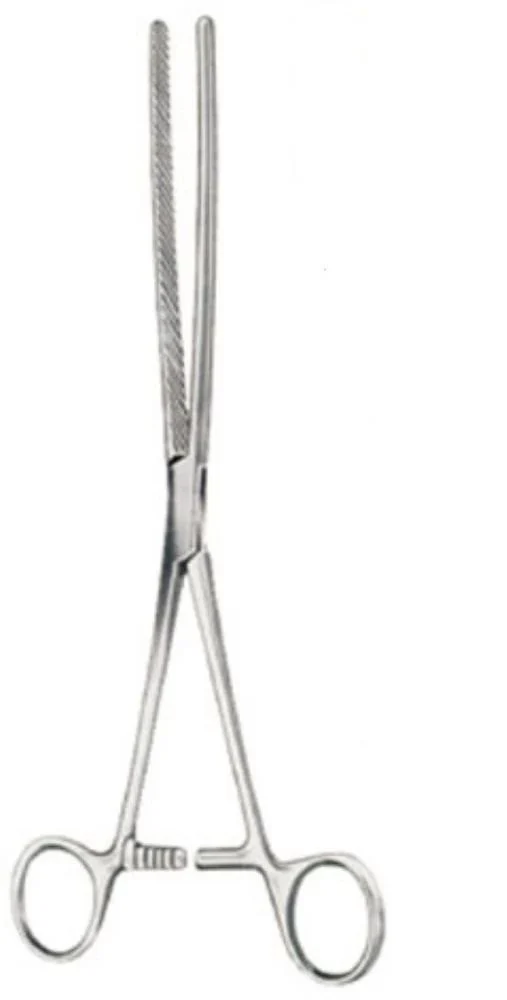
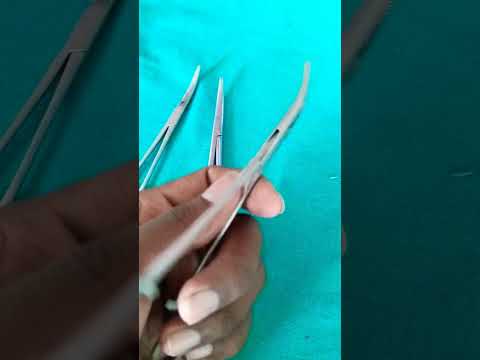
Interstinal Clamp Forceps Doyens Forceps
Drug Name
: NA
Drug Role
: Doyens Forceps are a type of surgical instrument typically used for grasping, holding, or clamping tissues or organs during surgical procedures.
NA
No
Ceritifcations:










Please login / register to buy or to get detailed information of the product
SKU:
Stock Available:
Batch / Lot. No:
Shelf life:
Manufacturing Date:
-
Expiry Date:
-
Minimum Pack Size:
Minimum Order Qty:
1
Pharma Categories:
• Surgical Instruments • Forceps • Gastrointestinal Instruments • Orthopaedic Instruments
Product Form:
• Physical Instrument: Sold as a single unit, designed to be sterilized and reused multiple times. • Sterilization: Non-sterile
Category:
Instruments
Group:
N/A
Type:
• Straight Doyens Forceps • Curved Doyens Forceps
Material:
• Stainless Steel
HSN Code:
9018.90
HS Code:
9018
Country of Origin:
Imported
TAX:
5%
Qty per Piece:
Weight Of Each Piece(gm):
Piece Dimensions (L×W×H):
Qty per Buffer Box / Shrink Pack:
Weight of Buffer Box / Shrink Pack:
Buffer Dimensions (L×W×H):
Total Qty per Case:
Total Weight per Case:
Case Dimensions (L×W×H):
Weight / Volume:
Dimensions:
Inhouse product
Doyens Forceps are a type of surgical instrument typically used for grasping, holding, or clamping tissues or organs during surgical procedures. They are especially common in gastrointestinal, abdominal, and paediatric surgeries, as well as in orthopaedic surgeries. Known for their fine tips and locking mechanism, Doyens forceps allow surgeons to maintain a firm grip on delicate tissues while maintaining precision and control.
• Material: High-quality stainless steel, often hardened for durability and resistance to corrosion.
• Length: Typically ranges from 12 cm to 30 cm (4.7 to 12 inches), depending on the specific model and its intended use.
• Handle Type: Usually features long, slender handles for better leverage and control during procedures.
• Jaws: Narrow, often curved, and serrated to provide a better grip on soft tissues.
• Finish: Can come with a matte or polished finish to reduce glare during surgery.
• Small (12–15 cm): Typically used for paediatric surgeries or smaller incisions where precision is key.
• Medium (18–22 cm): Most common size, used in general abdominal surgeries or intestinal procedures.
• Large (25–30 cm): Used for larger surgical fields, often in abdominal or thoracic surgeries
• Straight Doyens Forceps: Common for general usage where precision and access are required without angles.
• Curved Doyens Forceps: Designed with a slight curvature for better access to deep or confined spaces within the body, commonly used in gastrointestinal surgeries.
• Angled Doyens Forceps: Available with more pronounced curves, making them ideal for surgeries that require deep access or specific angles of insertion.
• Straight Doyens Forceps: Typically used for grasping tissues during general surgery, especially in procedures involving delicate tissues or organs.
• Curved Doyens Forceps: Offers greater flexibility, ideal for areas requiring access around curves, such as the intestines.
• Locking Doyens Forceps: Includes a locking mechanism to maintain a stable grip on tissues for longer durations, reducing the need for continuous manual force.
• Non-locking Doyens Forceps: Typically used in shorter procedures or for temporary tissue manipulation.
• Stainless Steel: The primary material due to its durability, corrosion resistance, and strength under pressure.
• Titanium Coated Versions: Some Doyens forceps come with a titanium coating for extra strength, rust resistance, and a non-reflective surface.
• Gold Plated Tips: Some high-quality models have gold-plated tips for better durability and resistance to corrosion.
• Surgical Instruments
• Forceps
• Gastrointestinal Instruments
• Orthopaedic Instruments
• Physical Instrument: Sold as a single unit, designed to be sterilized and reused multiple times.
• Sterilization: Non-sterile upon purchase, requiring proper sterilization before usage. Some models may come pre-sterilized for single-use procedures.
• Grasping Delicate Tissues: Often used in intestinal surgeries or abdominal surgeries for precise grasping of soft tissues.
• Tissue Clamping: Commonly used in procedures where tissues need to be held securely without damaging them, such as during bowel resections.
• Preventing Bleeding: Can be used to occlude blood vessels temporarily to reduce bleeding during surgery.
• Orthopaedics Applications: Used to hold or manipulate soft tissues in musculoskeletal surgeries, including those involving ligaments and tendons.
• Precision: The narrow tips and ergonomic design allow for precise tissue manipulation, reducing the risk of unintended damage to surrounding tissues.
• Locking Mechanism (in some versions): The locking mechanism allows surgeons to securely clamp tissues without requiring constant manual pressure, offering better control during longer surgeries.
• Versatility: Suitable for use in a wide range of surgical disciplines, including gastrointestinal, abdominal, paediatric, and orthopaedic surgeries.
• Durability: Made from high-quality stainless steel, they offer excellent durability and long term use.
• Size Limitations: Doyens forceps are typically designed for smaller, more delicate tissues, so they may not be suitable for larger incisions or handling heavier tissues.
• Risk of Tissue Damage: If not used properly, the fine tips can cause crushing or tearing of delicate tissues, especially with excessive force.
• Requires Skill: Surgeons need to have high precision and experience to avoid damaging tissues due to the fine design of the forceps.
• Proper Sterilization: Always sterilize the forceps before use to prevent infection.
• Correct Usage: Be mindful of the tissue you are manipulating to prevent unnecessary damage or compression.
• Handle with Care: Doyens forceps should be handled with care to avoid bending, breaking, or dulling the fine tips.
• Avoid Overuse: Prolonged use can cause fatigue to the surgeon’s hands or slippery handling, so it’s best to take breaks during lengthy procedures.
• HS Code: 9018 (Surgical instruments for medical purposes)
• HSN Code: 9018.90 (For forceps and similar instruments)
• Clean and Sterilize: After each use, clean and sterilize the forceps to ensure they are free from contaminants.
• Proper Storage: Store the forceps in a dry, safe place to prevent damage, rust, or contamination.
• Regular Inspection: Check the tips and locking mechanism regularly for wear or damage, as they are critical for the precision and safety of the forceps.
• Autoclaving: Most commonly used to sterilize Doyens forceps using high-pressure steam.
• Chemical Sterilization: In some cases, chemical sterilization may be used for materials sensitive to heat.
• Single-Use Sterilized Models: Some models come pre-sterilized and are intended for single use only, minimizing cross-contamination risks.
• Small Animal Surgeries: Used in veterinary surgeries, especially for intestinal surgeries or soft tissue dissection in small animals.
• Grasping Delicate Tissue: Commonly used in veterinary microsurgeries, where precision is essential.
• Orthopaedics Use: May be used in certain veterinary orthopaedic procedures to manipulate or hold soft tissue structures.
• Abdominal and Gastrointestinal Surgery: Used in intestinal resections, bowel surgeries, and other procedures where fine tissue manipulation is crucial.
• Paediatric Surgery: Employed in paediatric surgeries where precision is paramount, especially in procedures involving small organs or tissues.
• orthopaedic Surgery: Often used in musculoskeletal procedures for precise tissue handling and clamping.
• Urology: Can be used for delicate tissue manipulation during urological surgeries involving the bladder, kidneys, or other organs.
Q1: What are Doyens Forceps used for?
A: Doyens forceps are primarily used for grasping, holding, or clamping delicate tissues, often in gastrointestinal, paediatric, or orthopaedic surgeries.
Q2: Are Doyens Forceps reusable?
A: Yes, Doyens forceps are typically reusable and made from high-quality stainless steel, requiring sterilization after each use.
Q3: What types of Doyens Forceps are available?
A: Doyens forceps come in various shapes, including straight, curved, and locking versions, designed for different surgical applications.
Q4: Can Doyens Forceps be used for other than abdominal surgeries?
A: Yes, Doyens forceps are versatile and can be used in various surgical fields, including paediatric, orthopaedic, and urological surgeries.
Q5: How should Doyens Forceps be sterilized?
A: Doyens forceps can be sterilized using autoclaving (steam sterilization) or chemical sterilization, depending on the type of material they are made from.
Secure Transaction
100% secure payment
Top Brand
Trusted quality
Non Return
Due to hygiene