Lactometer

Drug Name

: NA

Drug Role

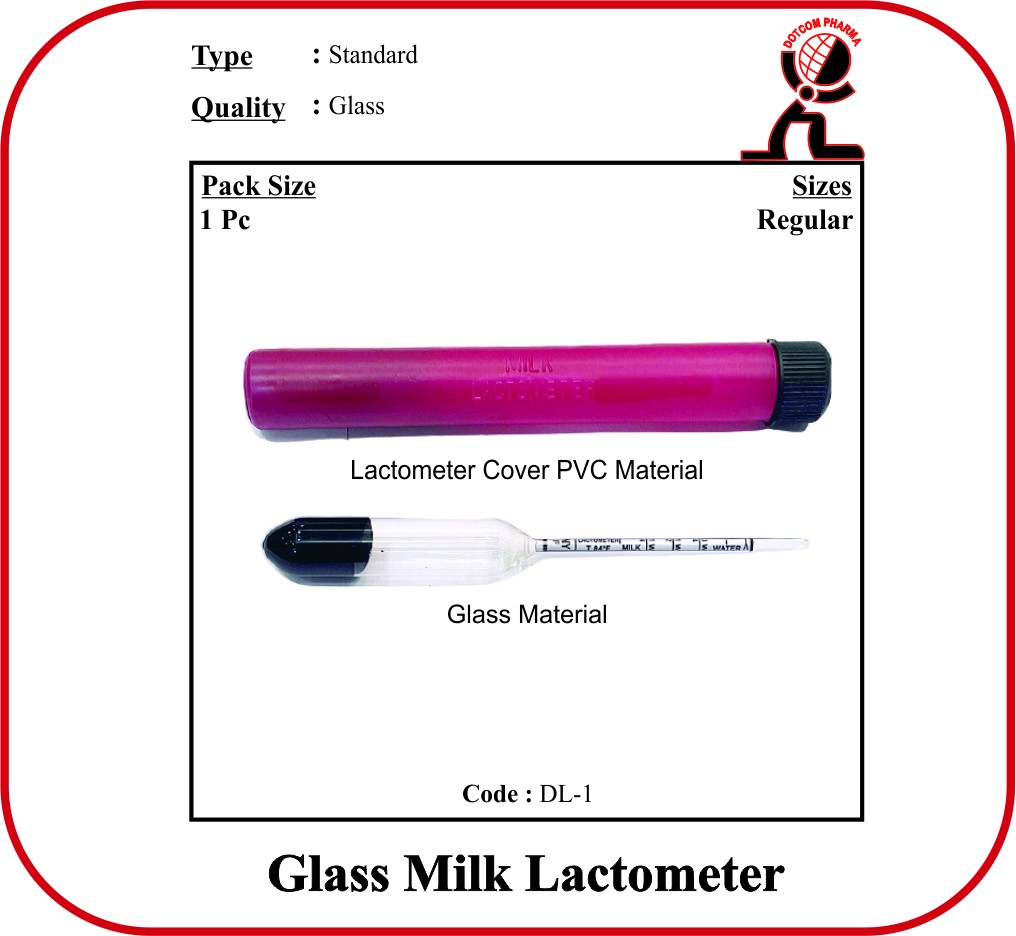
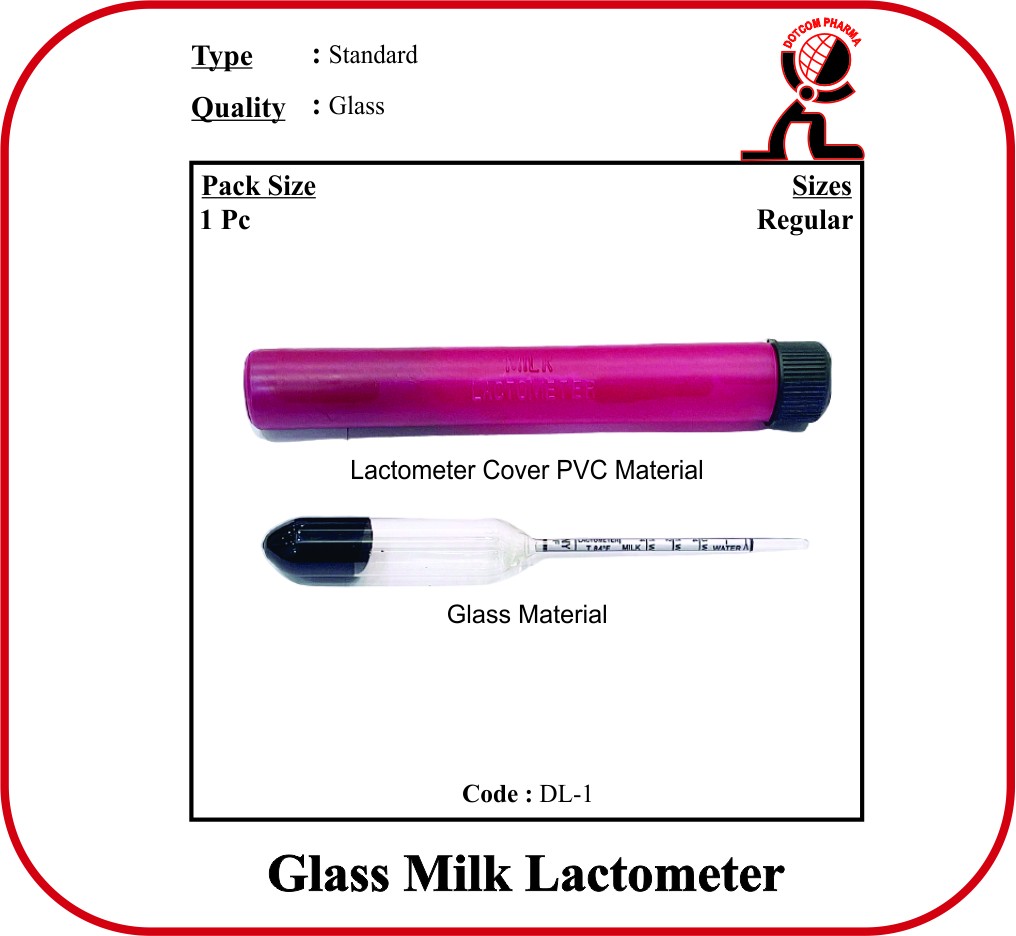
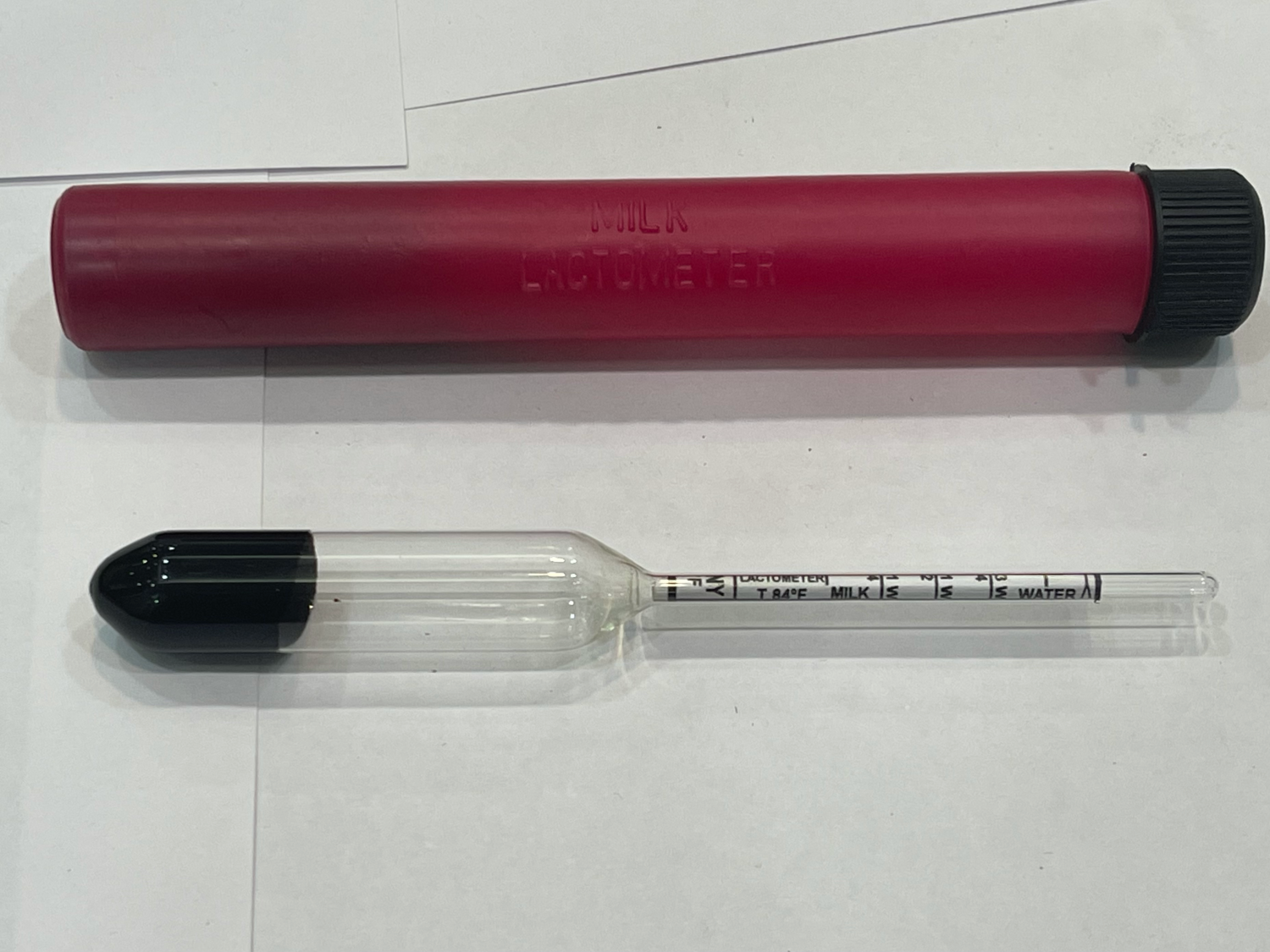
: A Lactometer is a specialized instrument used to measure the specific gravity of milk, determining its quality and fat content.

Schedule:
NA
Prescription Required:
No
Brand / Mfg:
DOTCOM PHARMA
/ Piece
MRP: Inclusive of all taxes
Discount Applied:
MRP
-
Price
-
-
Discount
-
-
+ Tax
-
-
Total You Save
-
You Save:
Type
Size
Quality
Made
Quantity
(10 available)
Total Amount Product Wise:

Ceritifcations:

Certificate
Certificate
Certificate
Certificate
Certificate
Certificate
Certificate
Certificate
Certificate
Certificate

Please login / register to buy or to get detailed information of the product

SKU:

Stock Available:

Batch / Lot. No:

Shelf life:

Manufacturing Date:

-

Expiry Date:

-

Minimum Pack Size:

Minimum Order Qty:

1

Pharma Categories:

• Milk Testing Instruments • Dairy Equipment • Milk Quality Control Devices • Veterinary Instruments

Product Form:

• Reusable: Lactometers are typically reusable after cleaning and sterilization. • Single-Use: Rare, but in some settings, single-use plastic lactometers might be used to prevent contamination.

Category:

Veterinary

Group:

N/A

Type:

• Glass Lactometer: The traditional version, made of glass and more fragile, but highly accurate. • Plastic Lactometer: A more modern version, made of plastic, which is more durable and less prone to breakage, though sometimes less accurate than glass. •

Material:

• Glass: The traditional, highly accurate, and fragile material often used for lactometers. • Plastic: Durable and shatterproof, though sometimes less precise compared to glass. • Plastic-coated Glass: A hybrid material that provides durability while main

HSN Code:

9027.90

HS Code:

9027

Country of Origin:

India

TAX:

5%

Qty per Piece:

Weight Of Each Piece:

Piece Dimensions (L×W×H):

Qty per Buffer Box / Shrink Pack:

Weight of Buffer Box / Shrink Pack:

Buffer Dimensions (L×W×H):

Total Qty per Case:

Total Weight per Case:

Case Dimensions (L×W×H):

Weight / Volume:

Dimensions:

Estimate Shipping Time: 10 Days

Inhouse product

A Lactometer is a specialized instrument used to measure the specific gravity of milk, determining its quality and fat content. It operates on the principle of buoyancy: the device floats in the liquid, and the level at which it floats indicates the density or specific gravity of the milk. A higher specific gravity generally indicates higher fat content in the milk, and conversely, a lower specific gravity may suggest adulteration or watered-down milk.

•  Material: Made from glass (traditional) or plastic (more durable and break-resistant).

•  Graduated Scale: Usually marked in specific gravity or percent fat content.

•  Range: Typically has a range from 1.010 to 1.050, indicating the density range of different milk types.

•  Calibration: Calibrated for milk and may require recalibration for different temperatures or milk types.

•  Standard Size (Length): Generally 20-25 cm in length, depending on the design.

•  Diameter: Typically between 1-2 cm wide for the cylindrical body.

•  Cylindrical Shape: Traditional glass lactometers have a slender, cylindrical shape.

•  Tapered Tip: The tip is usually tapered to allow the lactometer to float properly and give an accurate reading.

•  Glass Lactometer: The traditional version, made of glass and more fragile, but highly accurate.

•  Plastic Lactometer: A more modern version, made of plastic, which is more durable and less prone to breakage, though sometimes less accurate than glass.

•  Digital Lactometer: A battery-operated device that gives digital readings, offering greater precision and ease of use.

•  Glass: The traditional, highly accurate, and fragile material often used for lactometers.

•  Plastic: Durable and shatterproof, though sometimes less precise compared to glass.

•  Plastic-coated Glass: A hybrid material that provides durability while maintaining some level of precision.

•  Milk Testing Instruments

•  Dairy Equipment

•  Milk Quality Control Devices

•  Veterinary Instruments

•  Reusable: Lactometers are typically reusable after cleaning and sterilization.

•  Single-Use: Rare, but in some settings, single-use plastic lactometers might be used to prevent contamination.

•  Milk Quality Testing: The primary use is to check the fat content or specific gravity of milk, which indicates its quality.

•  Milk Adulteration Detection: Lactometers help to detect adulteration or watering-down of milk, which lowers the specific gravity.

•  Veterinary Applications: Often used in veterinary practices to assess the quality of milk from cows, buffaloes, and goats.

•  Dairy Industry: Used in dairies for ensuring the quality of milk before processing or selling.

•  Simple to Use: The lactometer is easy to operate and requires no special training or technology to read.

•  Affordable: Compared to other milk testing devices, lactometers are cost-effective.

•  Quick Results: Provides an immediate reading, allowing for real-time assessment of milk quality.

•  Fragility (Glass Version): Glass lactometers can break easily if dropped or mishandled.

•  Limited by Temperature: Lactometers are often affected by the temperature of the milk, which may require temperature adjustments to get accurate readings.

•  Accuracy (Plastic Version): Plastic lactometers may have slightly less accuracy compared to glass models, especially with higher-fat milks.

•  Handle with Care: If using a glass lactometer, ensure it is handled with care to avoid breakage.

•  Temperature Control: Ensure the milk temperature is around 15-20°C (59-68°F) for the most accurate readings.

•  Clean Thoroughly: Always clean the lactometer after use to prevent milk residue and bacterial growth.

•  Proper Calibration: Calibrate the lactometer if necessary, particularly if the device is moved between different environments or milk types.

•  HS Code: 9027 (Instruments and apparatus for physical or chemical analysis)

•  HSN Code: 9027.90 (For other measuring instruments, including lactometers)

•  Handle Carefully: Always hold the lactometer by its thick end and avoid any hard drops or impacts.

•  Proper Storage: Store the lactometer in a safe container to prevent breakage or damage, especially if it's made of glass.

•  Avoid Contamination: When using the lactometer, ensure that it doesn't come in contact with any foreign materials that could affect readings.

•  Rinse Thoroughly: Always rinse the lactometer with clean water after each use.

•  Disinfection: For thorough cleaning, soak in mild disinfectant solution to ensure any milk residue or bacteria are removed.

•  Air Dry: Allow the lactometer to air dry before storing to prevent any moisture buildup inside the device.

•  Milk Quality Testing in Livestock: Used to check the quality of milk from dairy cows, goats, and buffaloes.

•  Milk Adulteration Detection in Animals: Veterinarians use lactometers to ensure animals are producing good quality milk and detect milk adulteration.

•  Health Monitoring: Can be used in veterinary settings to ensure that lactating animals are producing high-quality milk without contaminants.

•  Human Milk Testing: Lactometers are also used in the human milk industry to assess the fat content and specific gravity of breast milk for donation purposes in milk banks.

•  Breastfeeding: Can be used in breastfeeding clinics to check if breast milk meets the quality standards for infants.

Q1: How does a lactometer measure the quality of milk?

A: The lactometer measures the specific gravity of the milk, which is an indicator of its fat content. Higher specific gravity generally means higher fat content.

Q2: Can lactometers be used to detect adulterated milk?

A: Yes, a lower specific gravity in milk can suggest that it has been diluted with water or adulterated with other substances.

Q3: Does the temperature affect the lactometer reading?

A: Yes, temperature can affect the reading. Cold milk can cause the lactometer to float higher, and warm milk can cause it to float lower. Temperature adjustments may be necessary.

Q4: How do you clean a lactometer?

A: Rinse the lactometer with warm water after each use. For thorough cleaning, soak in a mild disinfectant and air dry.

Secure Transaction

100% secure payment

Top Brand

Trusted quality

Non Return

Due to hygiene
Refund
Not Applicable
Share
Top Selling Products
0 out of 5.0
(0 reviews)
There have been no reviews for this product yet.

A Lactometer is a specialized instrument used to measure the specific gravity of milk, determining its quality and fat content. It operates on the principle of buoyancy: the device floats in the liquid, and the level at which it floats indicates the density or specific gravity of the milk. A higher specific gravity generally indicates higher fat content in the milk, and conversely, a lower specific gravity may suggest adulteration or watered-down milk.

•  Material: Made from glass (traditional) or plastic (more durable and break-resistant).

•  Graduated Scale: Usually marked in specific gravity or percent fat content.

•  Range: Typically has a range from 1.010 to 1.050, indicating the density range of different milk types.

•  Calibration: Calibrated for milk and may require recalibration for different temperatures or milk types.

•  Standard Size (Length): Generally 20-25 cm in length, depending on the design.

•  Diameter: Typically between 1-2 cm wide for the cylindrical body.

•  Cylindrical Shape: Traditional glass lactometers have a slender, cylindrical shape.

•  Tapered Tip: The tip is usually tapered to allow the lactometer to float properly and give an accurate reading.

•  Glass Lactometer: The traditional version, made of glass and more fragile, but highly accurate.

•  Plastic Lactometer: A more modern version, made of plastic, which is more durable and less prone to breakage, though sometimes less accurate than glass.

•  Digital Lactometer: A battery-operated device that gives digital readings, offering greater precision and ease of use.

•  Glass: The traditional, highly accurate, and fragile material often used for lactometers.

•  Plastic: Durable and shatterproof, though sometimes less precise compared to glass.

•  Plastic-coated Glass: A hybrid material that provides durability while maintaining some level of precision.

•  Milk Testing Instruments

•  Dairy Equipment

•  Milk Quality Control Devices

•  Veterinary Instruments

•  Reusable: Lactometers are typically reusable after cleaning and sterilization.

•  Single-Use: Rare, but in some settings, single-use plastic lactometers might be used to prevent contamination.

•  Milk Quality Testing: The primary use is to check the fat content or specific gravity of milk, which indicates its quality.

•  Milk Adulteration Detection: Lactometers help to detect adulteration or watering-down of milk, which lowers the specific gravity.

•  Veterinary Applications: Often used in veterinary practices to assess the quality of milk from cows, buffaloes, and goats.

•  Dairy Industry: Used in dairies for ensuring the quality of milk before processing or selling.

•  Simple to Use: The lactometer is easy to operate and requires no special training or technology to read.

•  Affordable: Compared to other milk testing devices, lactometers are cost-effective.

•  Quick Results: Provides an immediate reading, allowing for real-time assessment of milk quality.

•  Fragility (Glass Version): Glass lactometers can break easily if dropped or mishandled.

•  Limited by Temperature: Lactometers are often affected by the temperature of the milk, which may require temperature adjustments to get accurate readings.

•  Accuracy (Plastic Version): Plastic lactometers may have slightly less accuracy compared to glass models, especially with higher-fat milks.

•  Handle with Care: If using a glass lactometer, ensure it is handled with care to avoid breakage.

•  Temperature Control: Ensure the milk temperature is around 15-20°C (59-68°F) for the most accurate readings.

•  Clean Thoroughly: Always clean the lactometer after use to prevent milk residue and bacterial growth.

•  Proper Calibration: Calibrate the lactometer if necessary, particularly if the device is moved between different environments or milk types.

•  HS Code: 9027 (Instruments and apparatus for physical or chemical analysis)

•  HSN Code: 9027.90 (For other measuring instruments, including lactometers)

•  Handle Carefully: Always hold the lactometer by its thick end and avoid any hard drops or impacts.

•  Proper Storage: Store the lactometer in a safe container to prevent breakage or damage, especially if it's made of glass.

•  Avoid Contamination: When using the lactometer, ensure that it doesn't come in contact with any foreign materials that could affect readings.

•  Rinse Thoroughly: Always rinse the lactometer with clean water after each use.

•  Disinfection: For thorough cleaning, soak in mild disinfectant solution to ensure any milk residue or bacteria are removed.

•  Air Dry: Allow the lactometer to air dry before storing to prevent any moisture buildup inside the device.

•  Milk Quality Testing in Livestock: Used to check the quality of milk from dairy cows, goats, and buffaloes.

•  Milk Adulteration Detection in Animals: Veterinarians use lactometers to ensure animals are producing good quality milk and detect milk adulteration.

•  Health Monitoring: Can be used in veterinary settings to ensure that lactating animals are producing high-quality milk without contaminants.

•  Human Milk Testing: Lactometers are also used in the human milk industry to assess the fat content and specific gravity of breast milk for donation purposes in milk banks.

•  Breastfeeding: Can be used in breastfeeding clinics to check if breast milk meets the quality standards for infants.

Q1: How does a lactometer measure the quality of milk?

A: The lactometer measures the specific gravity of the milk, which is an indicator of its fat content. Higher specific gravity generally means higher fat content.

Q2: Can lactometers be used to detect adulterated milk?

A: Yes, a lower specific gravity in milk can suggest that it has been diluted with water or adulterated with other substances.

Q3: Does the temperature affect the lactometer reading?

A: Yes, temperature can affect the reading. Cold milk can cause the lactometer to float higher, and warm milk can cause it to float lower. Temperature adjustments may be necessary.

Q4: How do you clean a lactometer?

A: Rinse the lactometer with warm water after each use. For thorough cleaning, soak in a mild disinfectant and air dry.

0 out of 5.0
(0 reviews)
There have been no reviews for this product yet.

More From Instruments

Top Selling Products
Search any image
Drag an image here or upload a file
Or