 +91 88281
11034
+91 88281
11034
 Need Help?


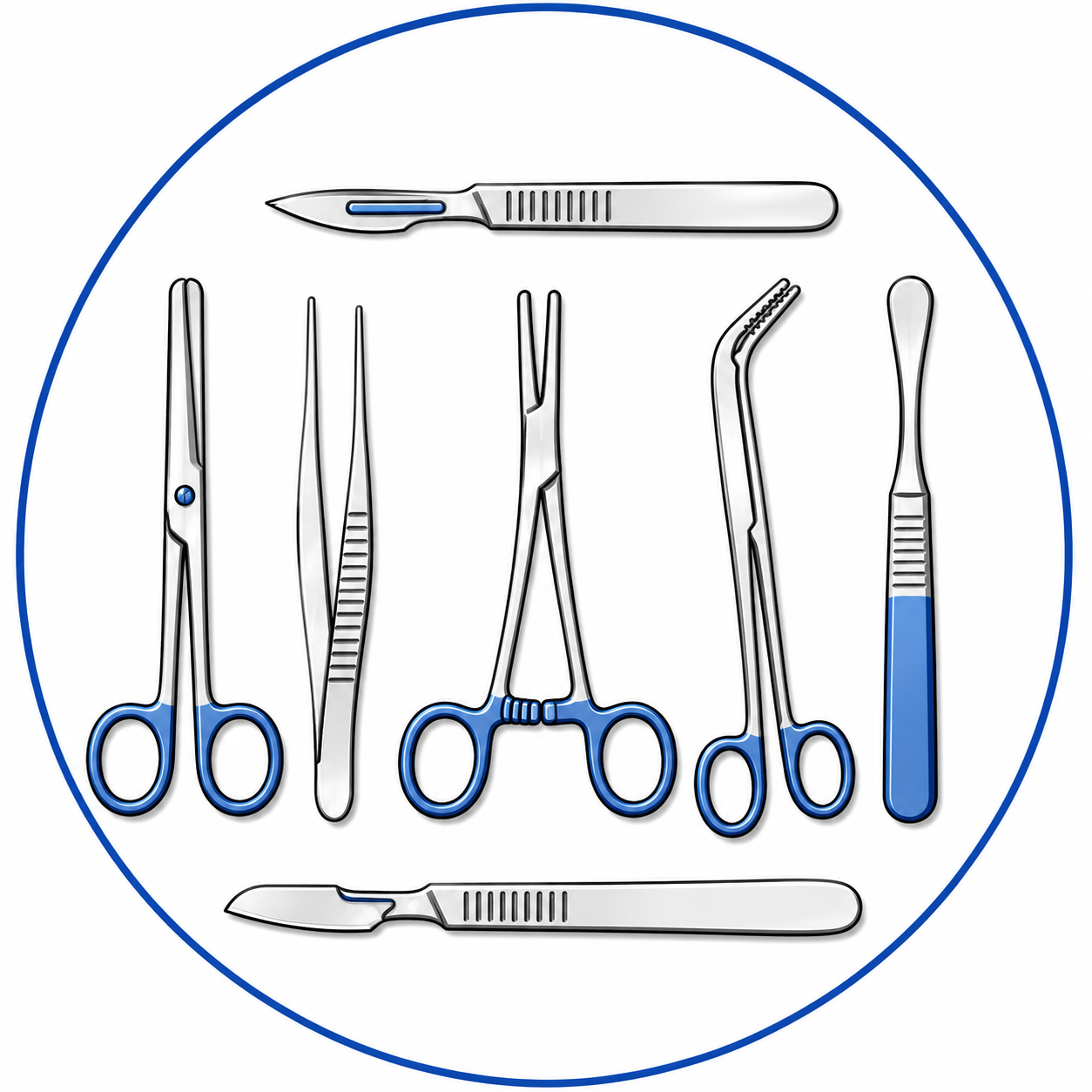
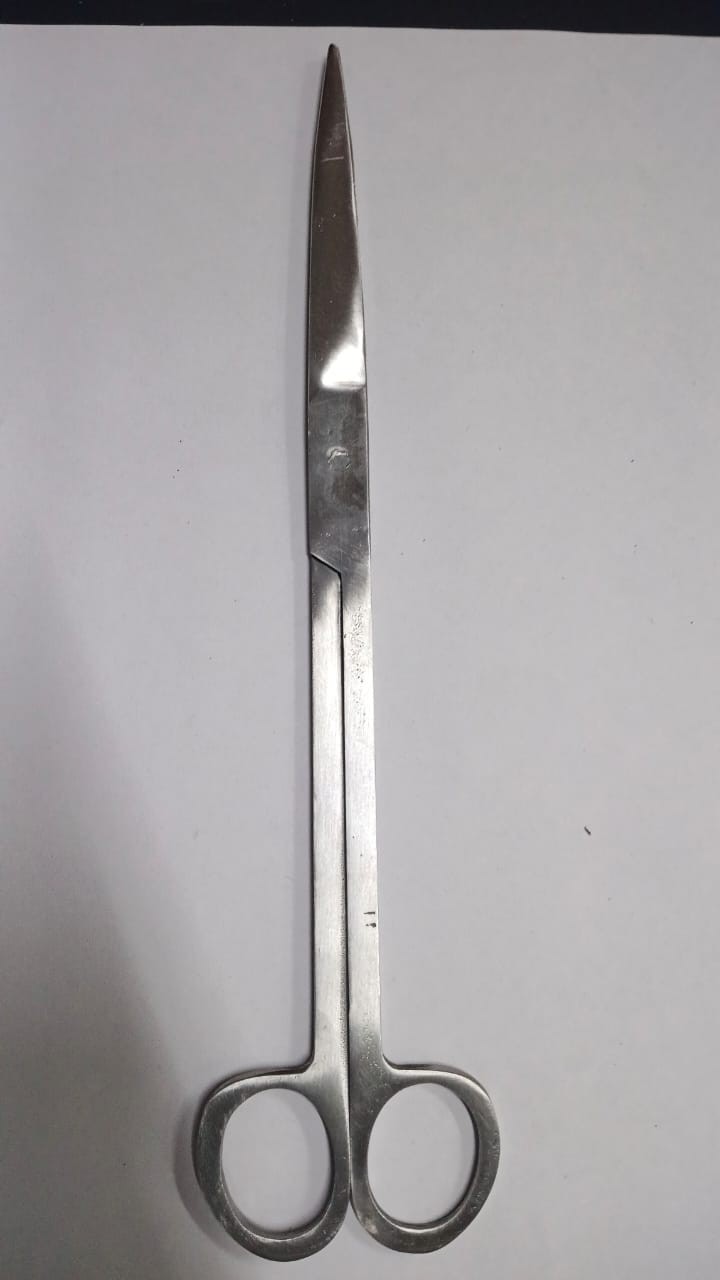
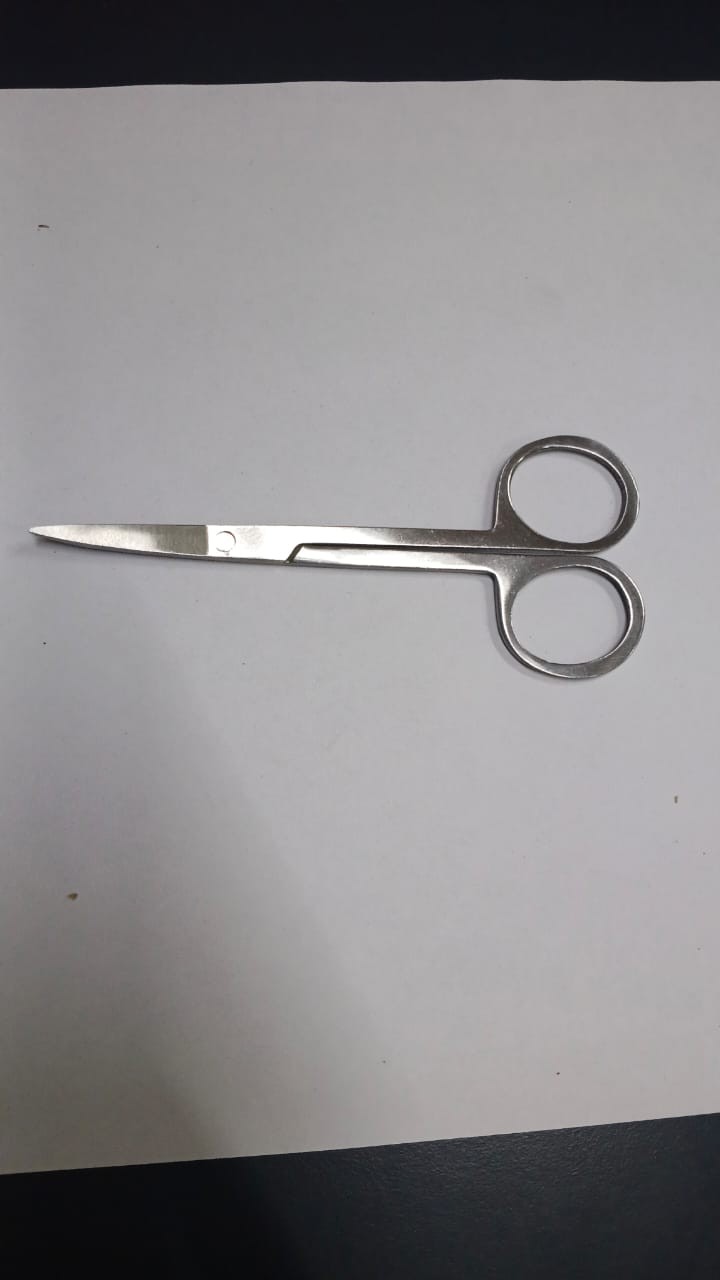
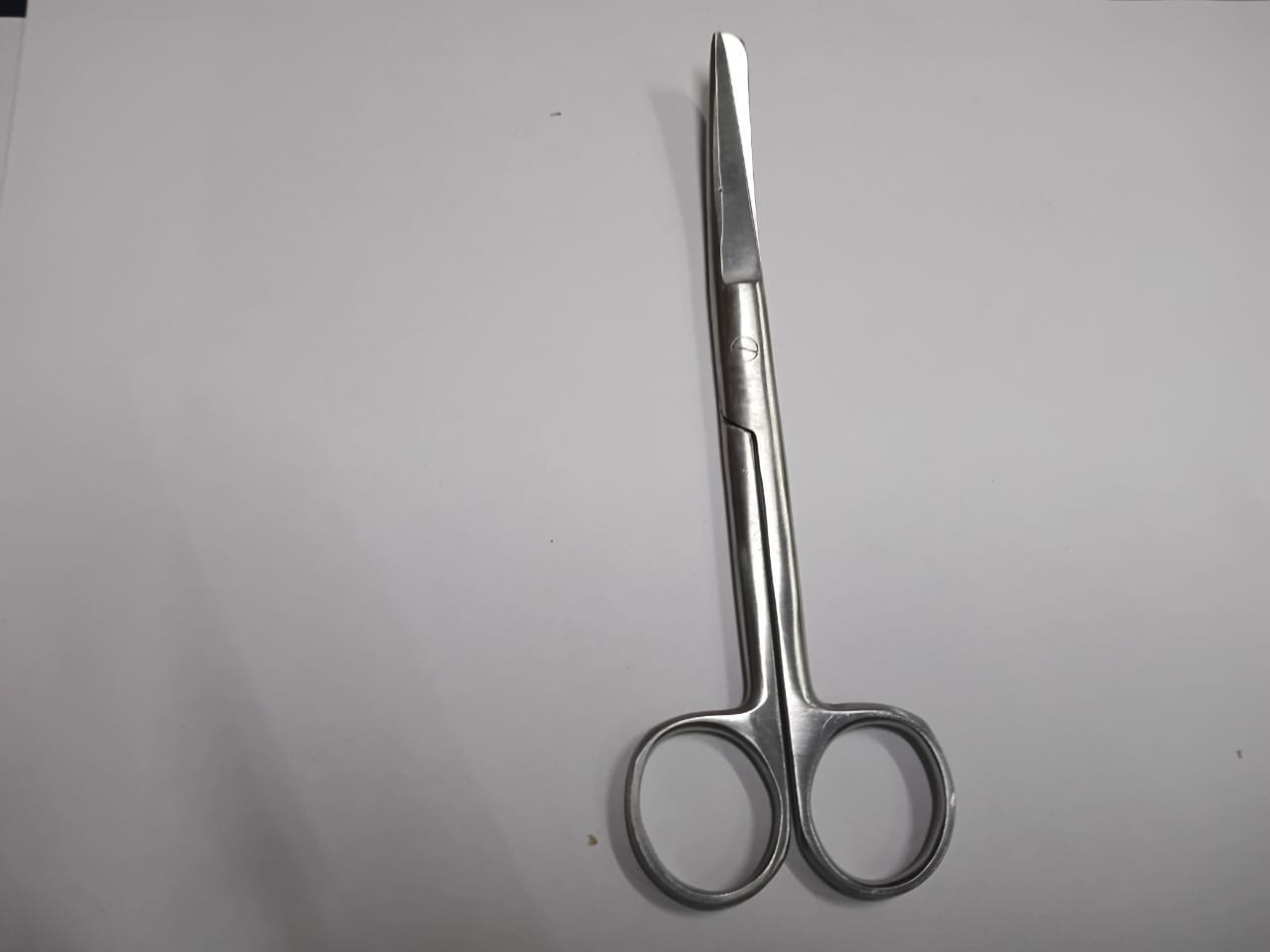
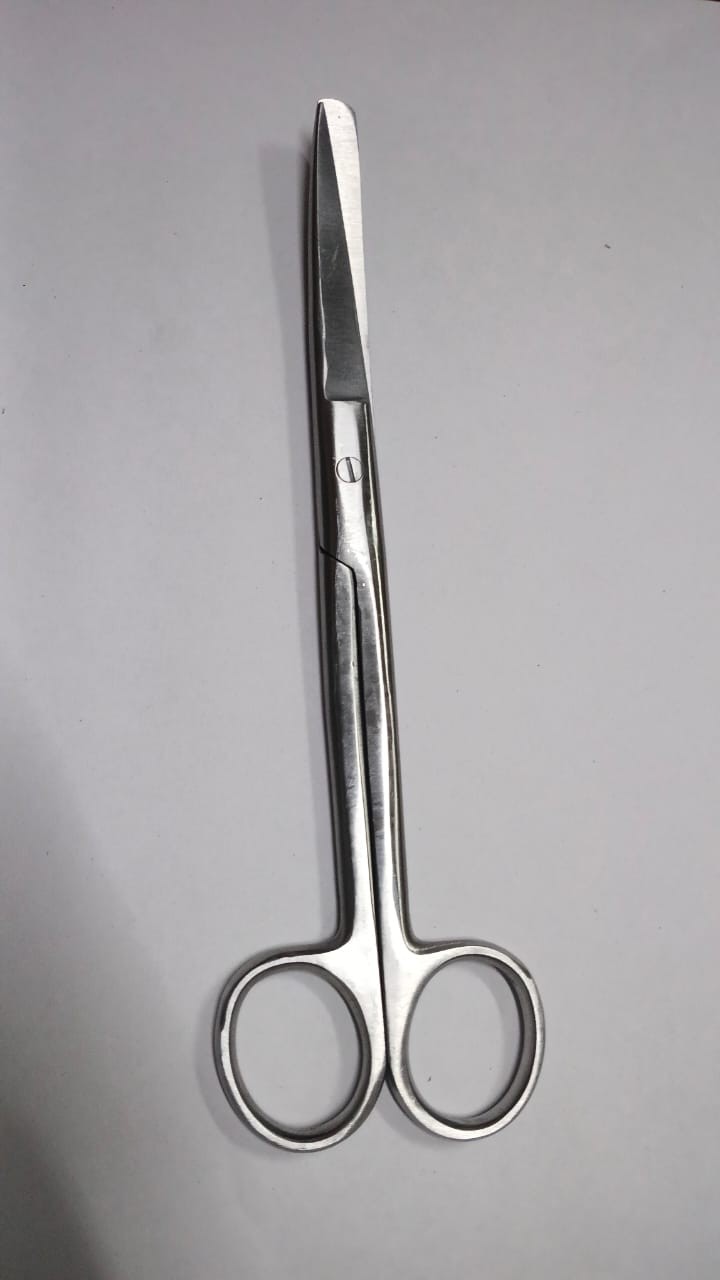
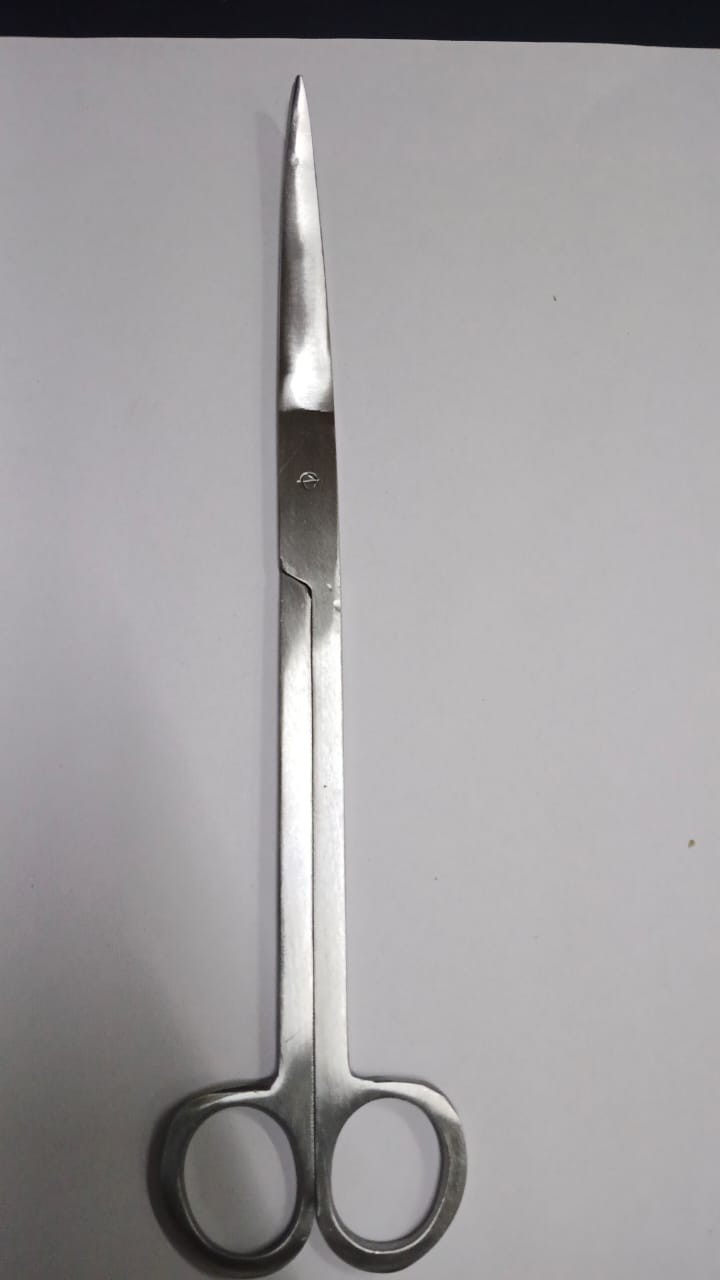
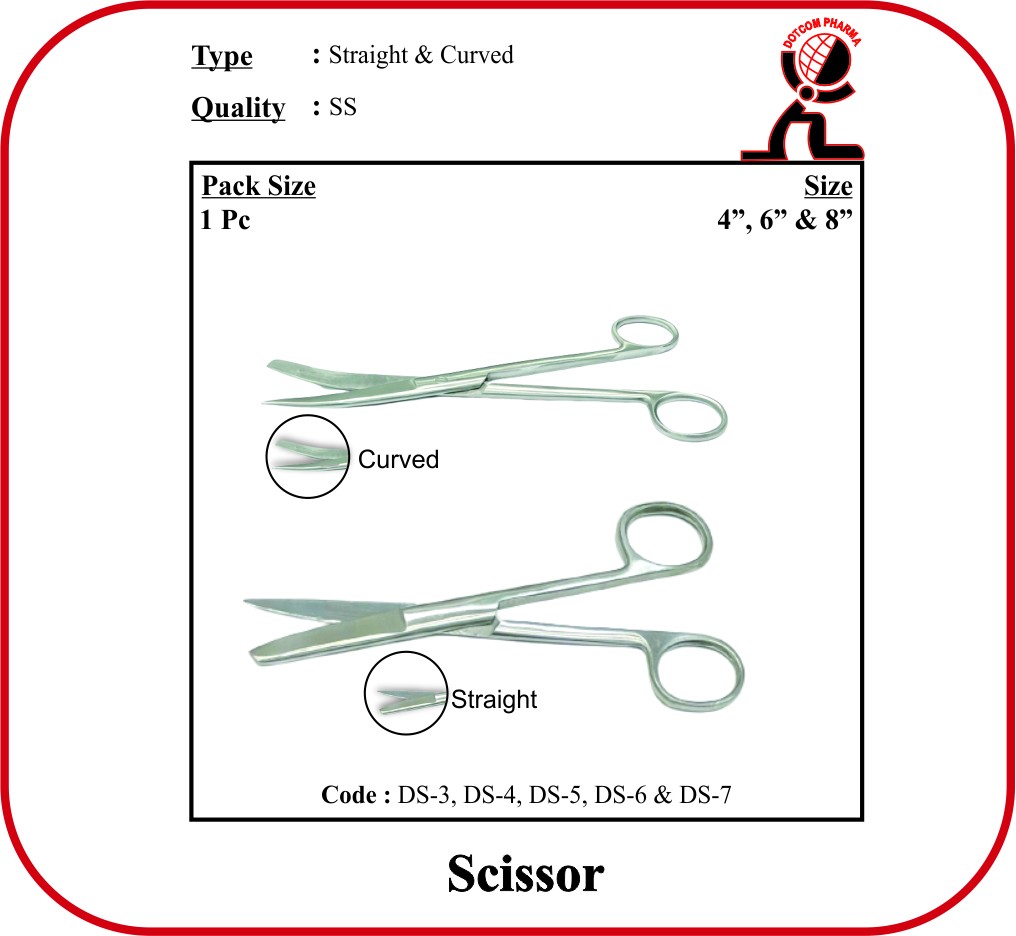
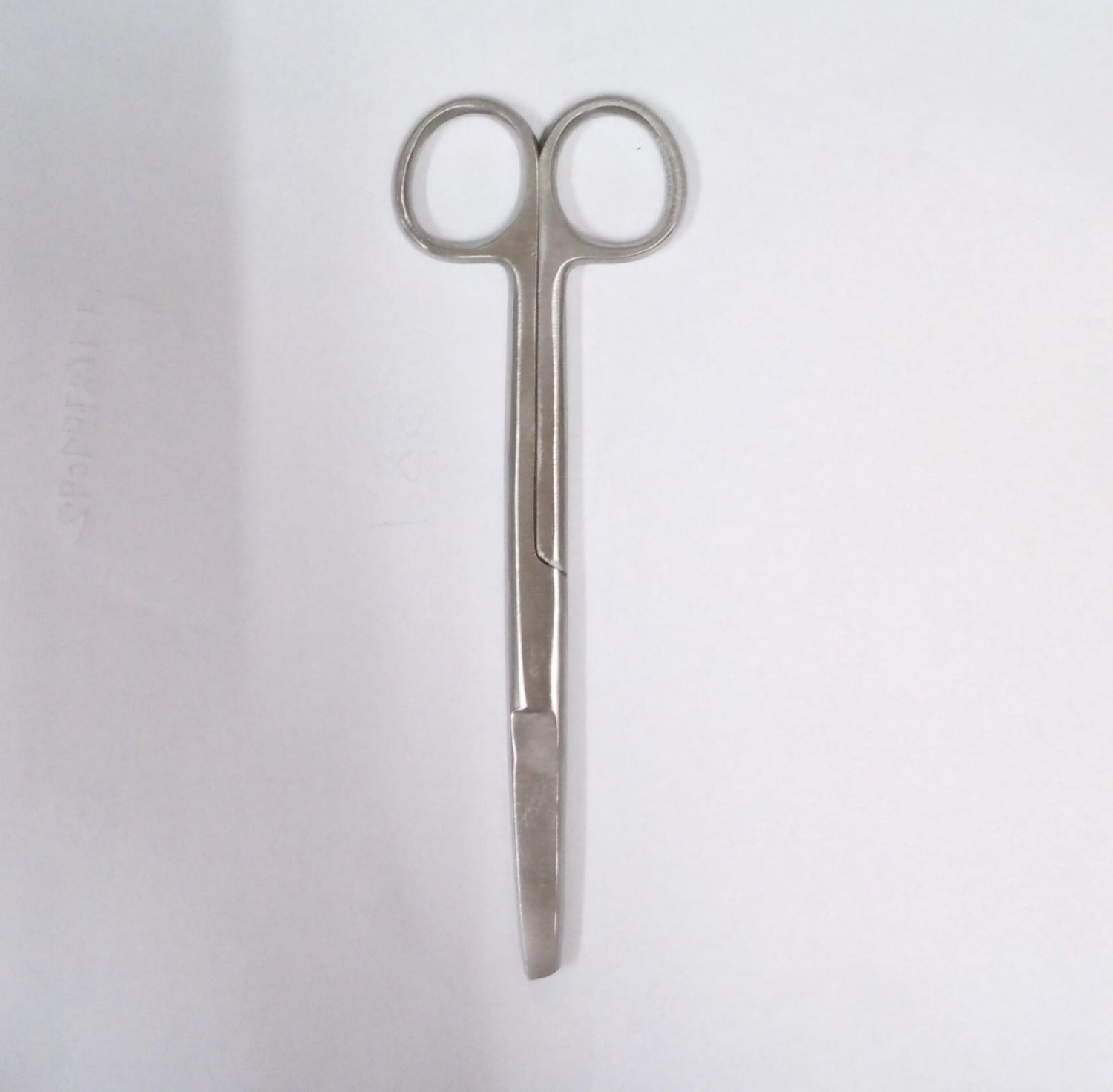
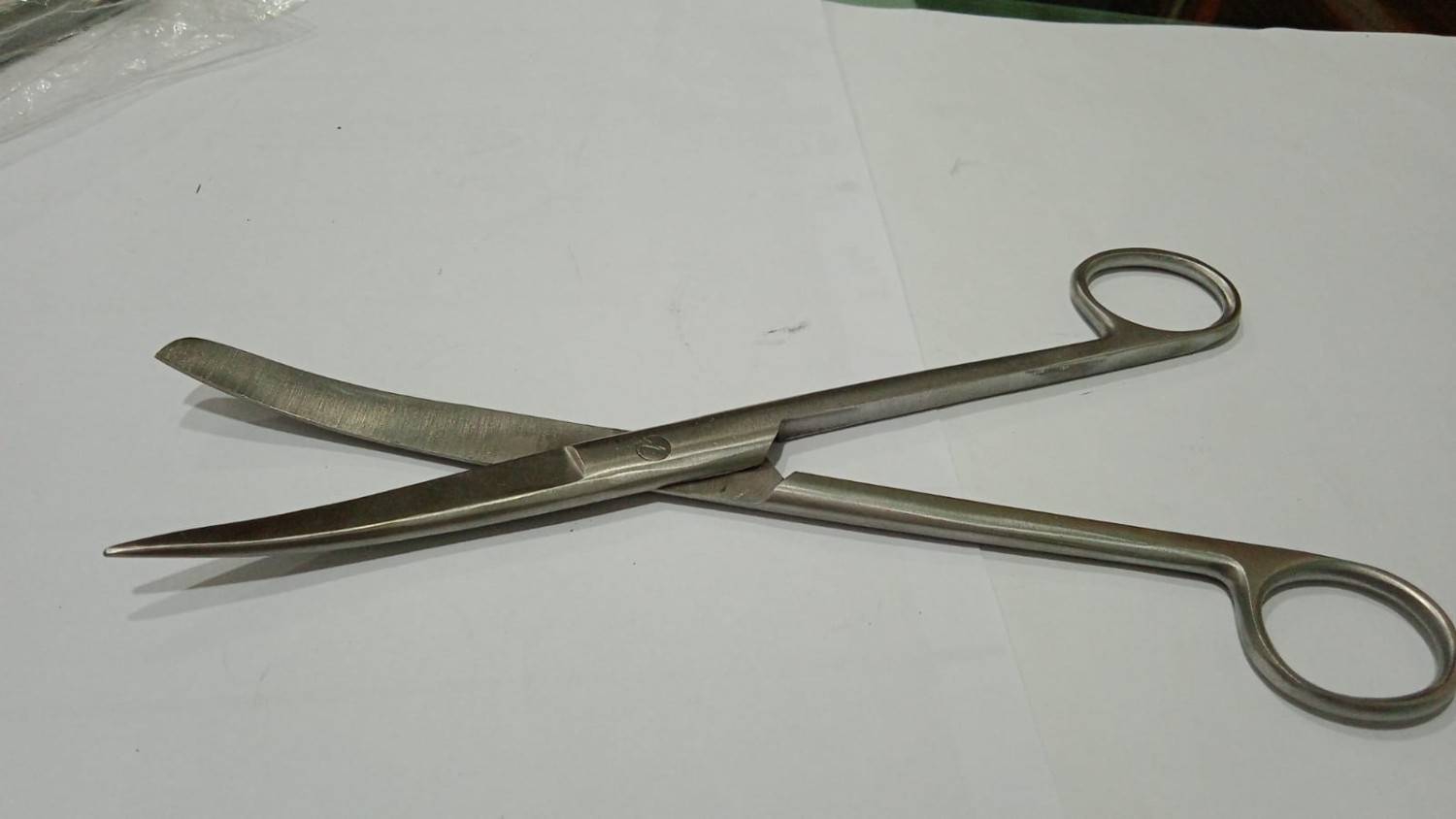
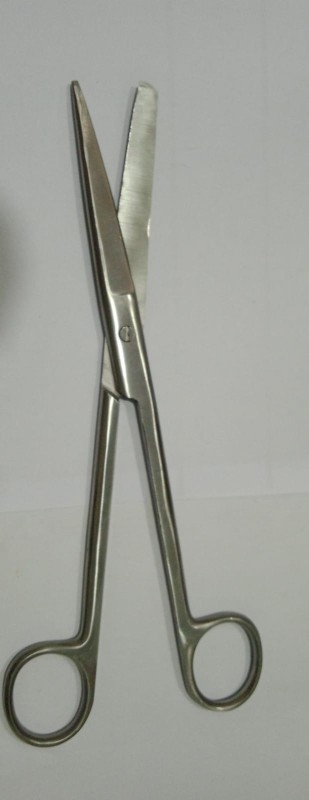
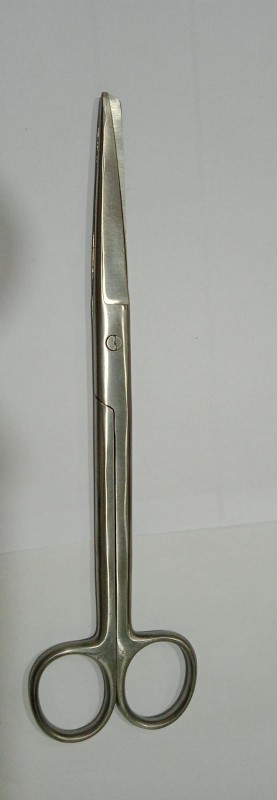
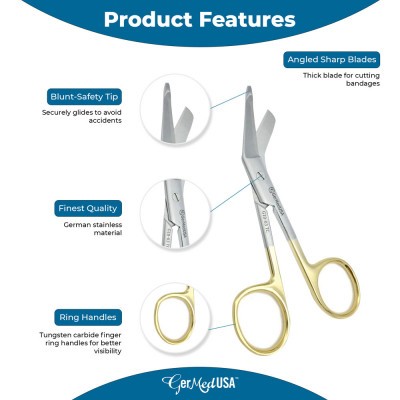
Dressing Scissor
Drug Name
: NA
Drug Role
: Bandage Cutting
NA
No
Ceritifcations:










Please login / register to buy or to get detailed information of the product
SKU:
Stock Available:
Batch / Lot. No:
Shelf life:
Manufacturing Date:
-
Expiry Date:
-
Minimum Pack Size:
Minimum Order Qty:
1
Pharma Categories:
Surgical Instruments
Product Form:
Dressing Scissor
Category:
Veterinary
Group:
N/A
Type:
Surgical Instrument
Material:
SS
Tags
HSN Code:
90189022
Country of Origin:
Imported
TAX:
5%
Qty per Piece:
Weight Of Each Piece(gm):
Piece Dimensions (L×W×H):
Qty per Buffer Box / Shrink Pack:
Weight of Buffer Box / Shrink Pack:
Buffer Dimensions (L×W×H):
Total Qty per Case:
Total Weight per Case:
Case Dimensions (L×W×H):
Weight / Volume:
Dimensions:
Inhouse product
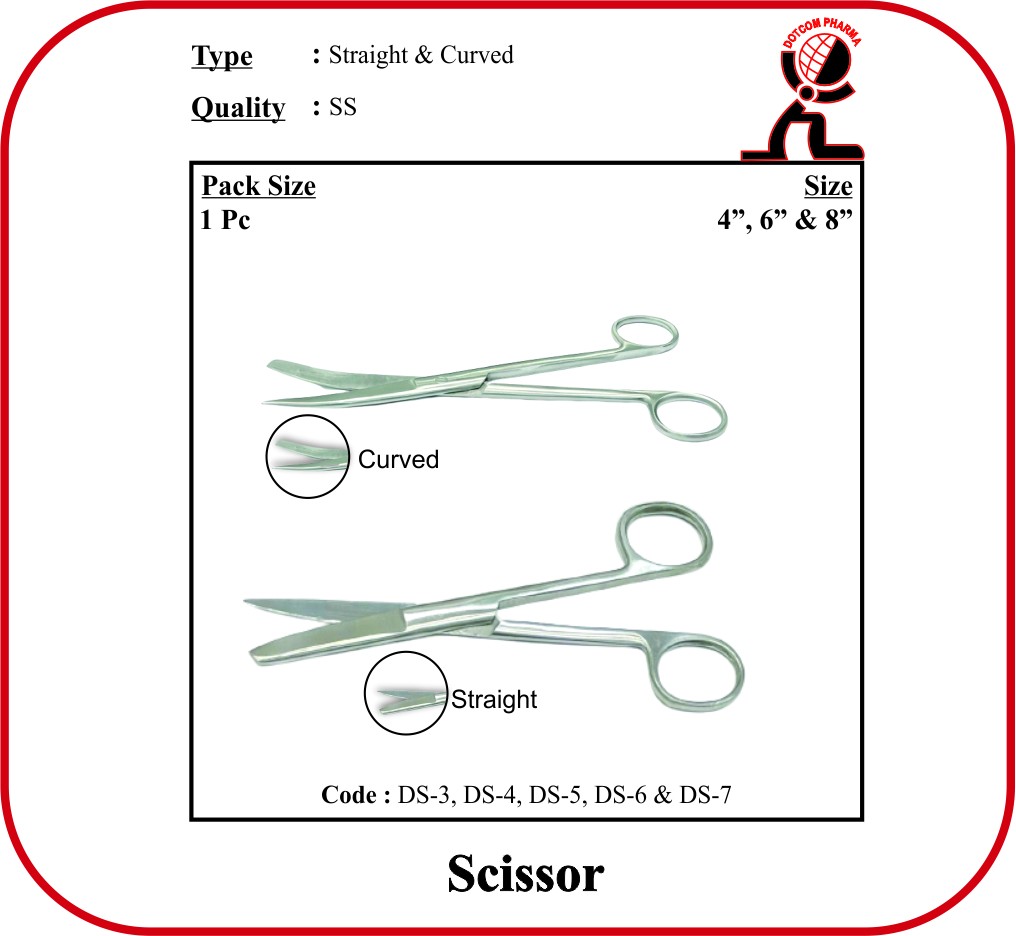
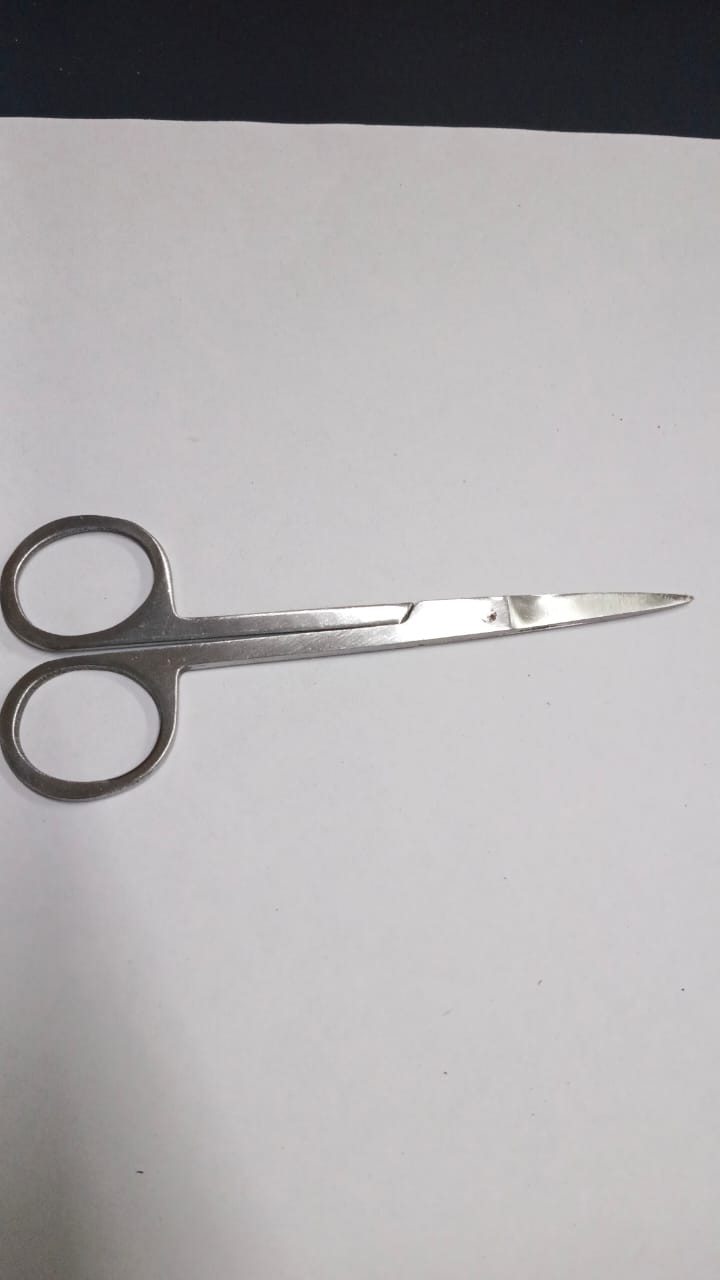
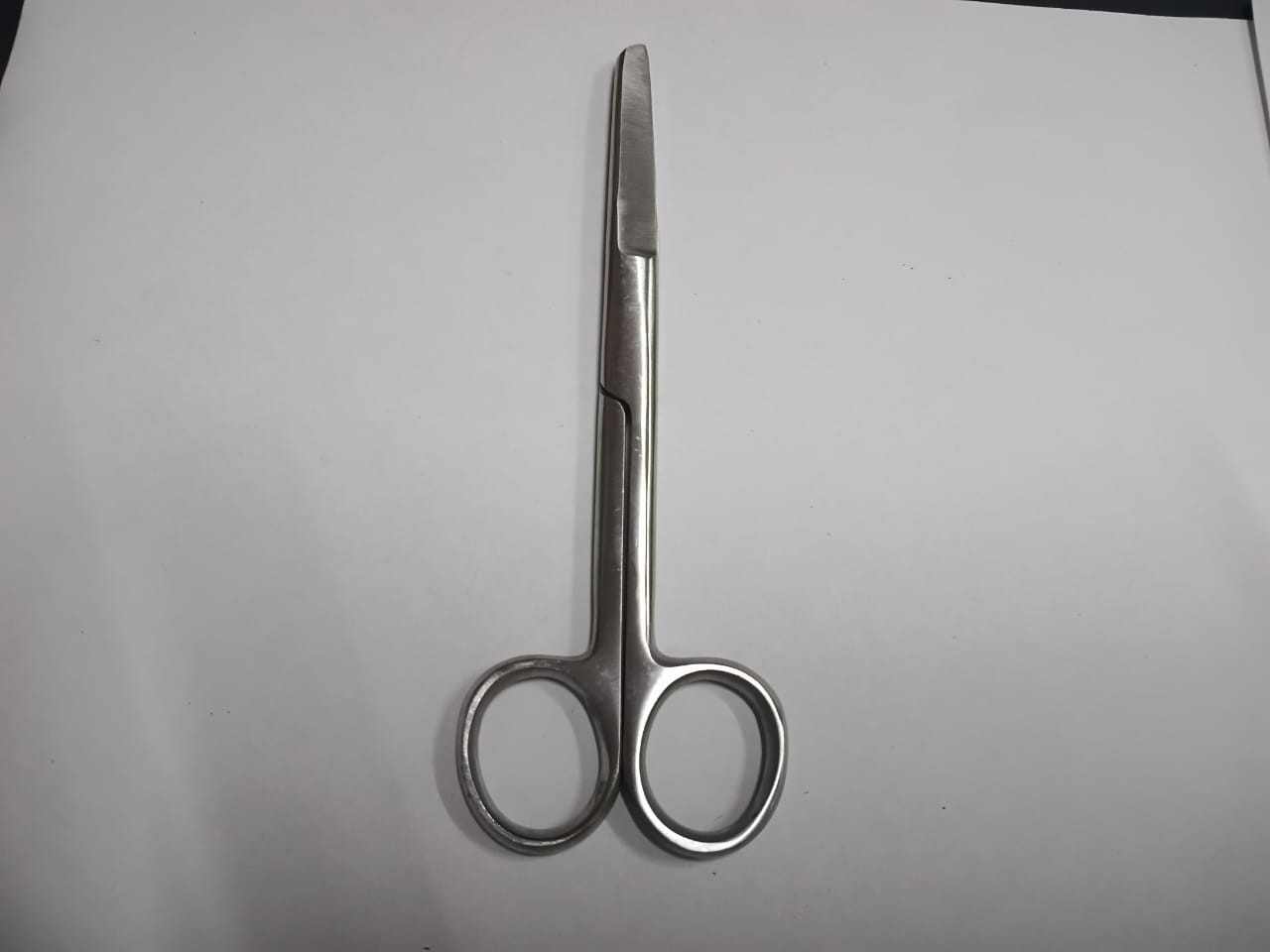
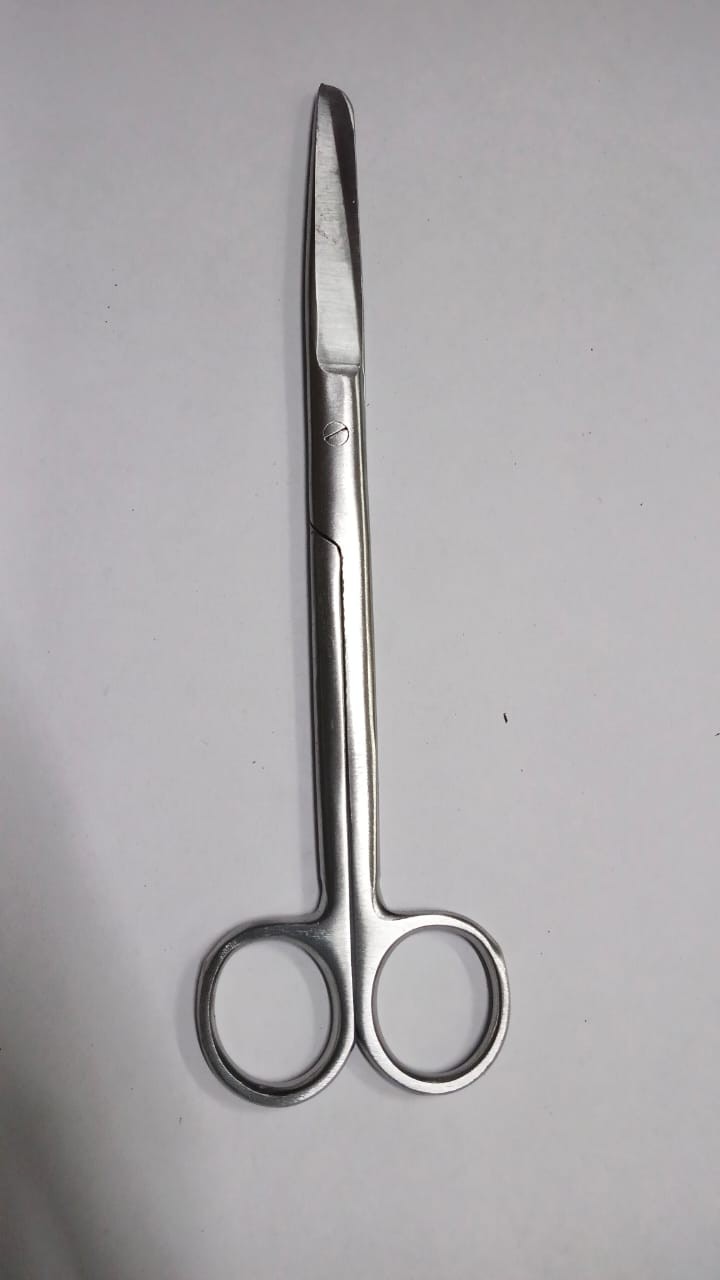
Dressing Scissors are precision cutting instruments designed for veterinary and medical use.
• Blade Type: Available in Straight and Curved
• Sizes: 4", 5", 6", 8", 10" (length in inches)
• Material: High-quality stainless steel, corrosion-resistant
• Handle: Ring handle design for secure grip
• Finish: Polished or matte finish
• Tip: Blunt tip or sharp tip options available
• Cutting bandages, dressings, and surgical tapes
• Trimming wounds and removing dead tissue gently
• Used in both veterinary and human medical applications
• Curved scissors offer better access in tight or awkward areas
• Versatile: Suitable for various cutting tasks in medical and veterinary settings
• Durable: Made from stainless steel for longevity and resistance to corrosion
• Precise: Sharp blades ensure clean cuts without tearing tissues or dressings
• Ergonomic: Comfortable handles reduce hand fatigue during use
• Requires regular sharpening to maintain blade efficiency
• Can cause injury if mishandled due to sharp edges
• Not suitable for cutting very tough materials
• Always sterilize before and after use
• Handle with care to avoid accidental cuts
• Store in a safe place away from children
• Use only for intended purposes to prolong tool life
• Clean and sterilize with appropriate disinfectants after use
• Dry thoroughly to prevent rusting
• Sharpen blades regularly to maintain cutting quality
• Inspect before each use for damage or dullness
• Autoclaving recommended for sterilization
• Can be disinfected using chemical sterilant approved for surgical instruments
• Ensure thorough drying after sterilization to prevent corrosion
• HSN Code: 9018.31
• HS Code: 9018.31.90 Surgical scissors for medical and veterinary use
Widely used in hospitals, clinics, and surgical centers for cutting dressings and tissues
1. What is the difference between straight and curved dressing scissors?
Straight scissors are ideal for general cutting, while curved scissors allow better access to hard-to-reach areas and provide precision in curved cuts.
2. Which size dressing scissors should I choose?
Size depends on the application—smaller sizes (4-6 inches) are for delicate work; larger sizes (8-10 inches) are for bigger animals or tougher dressings.
3. How do I sterilize dressing scissors?
They can be sterilized using an autoclave or chemical disinfectants suitable for surgical instruments.
4. Can dressing scissors be used for human and veterinary purposes?
Yes, these scissors are designed for both human medical and veterinary use.
5. How often should I sharpen the scissors?
Sharpen blades as soon as you notice any dullness affecting the cutting quality to maintain efficiency.
Secure Transaction
100% secure payment
Top Brand
Trusted quality
Non Return
Due to hygiene