 +91 88281
11034
+91 88281
11034
 Need Help?



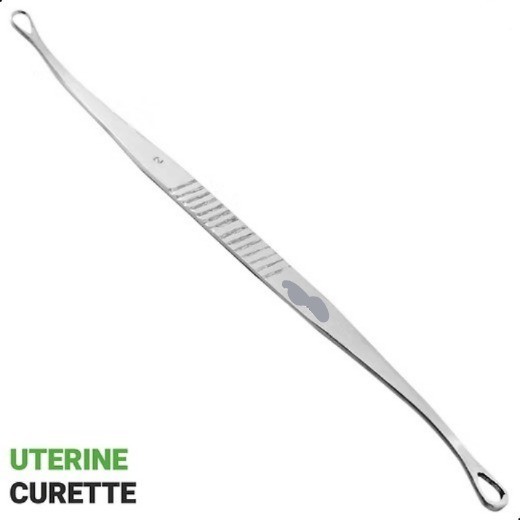
Uterine Curette
Drug Name
: NA
Drug Role
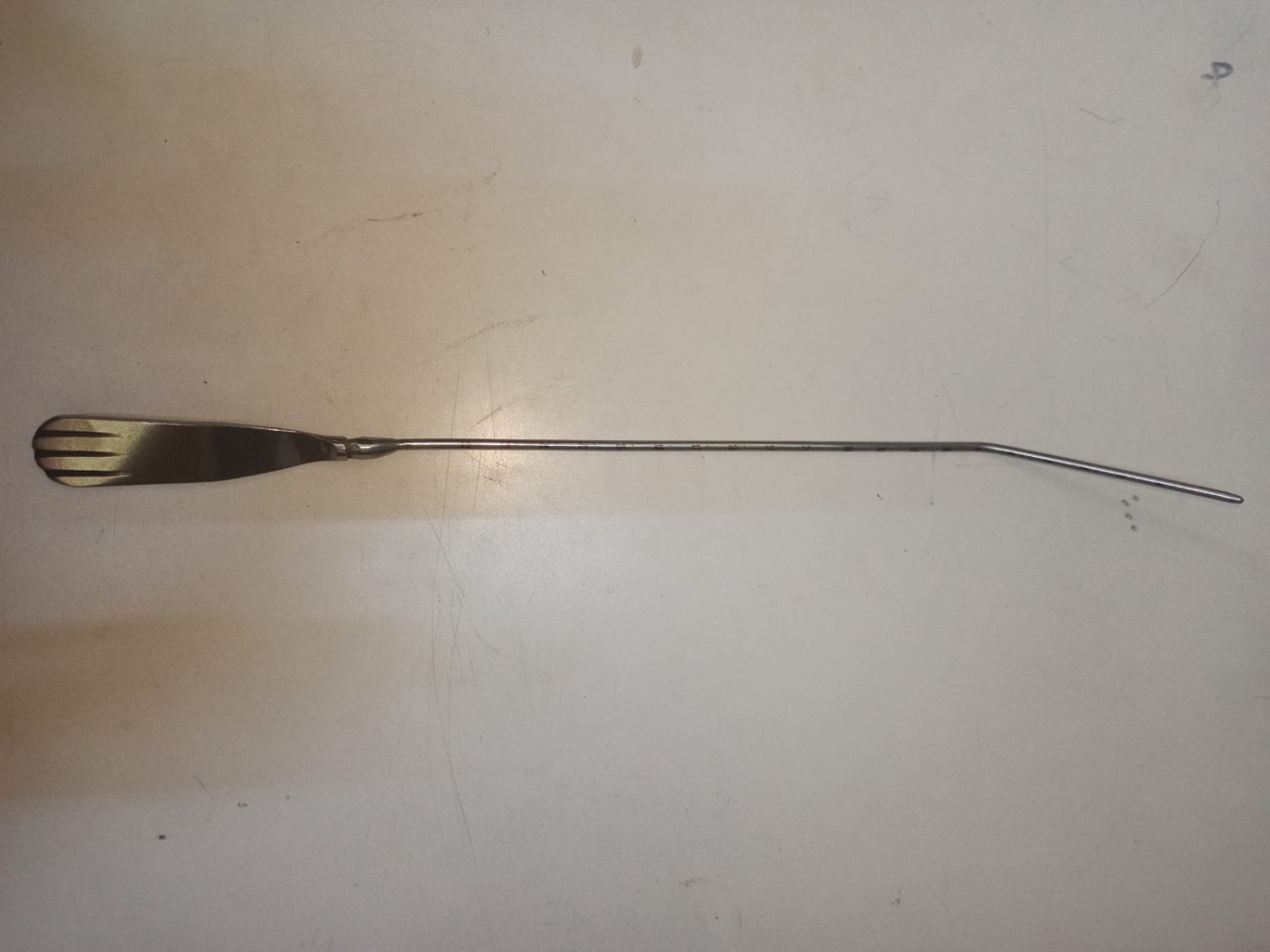
: A Uterine Curette is a gynaecological surgical instrument used for scraping or debriding the lining of the uterus (endometrium). It is commonly used in procedures such as dilation and curettage (D&C) for diagnostic or therapeutic purposes.
NA
No
Ceritifcations:










Please login / register to buy or to get detailed information of the product
SKU:
Stock Available:
Batch / Lot. No:
Shelf life:
Manufacturing Date:
-
Expiry Date:
-
Minimum Pack Size:
Minimum Order Qty:
1
Pharma Categories:
• Gynaecology Instruments • Veterinary Surgical Instruments
Product Form:
• Long, cylindrical instrument • Loop or spoon-shaped scraping tip • Textured or plain handle for grip
Category:
Veterinary
Group:
N/A
Type:
• Sharp Curette • Blunt Curette • Sims Uterine Curette • Kevorkian-Younge Endometrial Curette
Material:
• Reusable: High-grade surgical stainless steel (non-corrosive, rust-resistant)
HSN Code:
9018.90.99
HS Code:
9018.90
Country of Origin:
Imported
TAX:
5%
Qty per Piece:
Weight Of Each Piece(gm):
Piece Dimensions (L×W×H):
Qty per Buffer Box / Shrink Pack:
Weight of Buffer Box / Shrink Pack:
Buffer Dimensions (L×W×H):
Total Qty per Case:
Total Weight per Case:
Case Dimensions (L×W×H):
Weight / Volume:
Dimensions:
Inhouse product
A Uterine Curette is a gynaecological surgical instrument used for scraping or debriding the lining of the uterus (endometrium). It is commonly used in procedures such as dilation and curettage (D&C) for diagnostic or therapeutic purposes. Uterine curettes are also utilized in veterinary medicine for reproductive treatments and uterine examinations in animals. It may come in sharp or blunt designs, and can be flexible or rigid, depending on the procedure and patient.
• Type: Sharp or Blunt Curette
• Material: Surgical-grade stainless steel
• Length: Typically 20 cm – 30 cm
• Shaft: Straight or slightly curved
• Handle: Knurled or plain
• End Type: Loop, oval, or spoon-shaped curette tip
• Sterilization Compatibility: Autoclavable
• Sizes (by tip diameter):
o Small: 2 mm – 4 mm (used in paediatrics or small animals)
o Medium: 5 mm – 8 mm (standard adult size)
o Large: 9 mm – 12 mm (used in post-partum or veterinary cases)
• Shapes: o Single-ended (one curette tip)
o Double-ended (different sizes or types on each end)
o Round, oval, or spoon-shaped curetting head
• Sharp Curette: For precise removal or biopsy of endometrial tissue
• Blunt Curette: For gentle tissue removal or uterine cleaning
• Sims Uterine Curette
• Kevorkian-Younge Endometrial Curette (biopsy-specific)
• Disposable Curette: Sterile, plastic, single-use
• Reusable Metal Curette: Stainless steel, sterilizable
• Reusable: High-grade surgical stainless steel (non-corrosive, rust-resistant)
• Disposable: Medical-grade plastic with flexible shaft (sterile)
• Gynaecology Instruments
• Obstetrics & Reproductive Surgery Tools
• Veterinary Surgical Instruments
• Diagnostic Instruments
• Long, cylindrical instrument
• Loop or spoon-shaped scraping tip
• Textured or plain handle for grip
• Available as:
o Reusable (metal)
o Disposable (plastic, sterile-packed)
• Gynaecological Procedures:
o Dilation and Curettage (D&C)
o Endometrial biopsy/ Diagnosis of abnormal uterine bleeding
o Removal of retained products of conception (RPOC)
• Veterinary Use:
o Uterine cleaning in large animals post-calving or post-abortion
o Uterine biopsy or scraping in reproductive exams
o Managing endometritis in cows or mares
• Available in a wide range of sizes and shapes
• Reusable models are highly durable and cost-effective
• Disposable models reduce infection risk
• Precision design allows effective and safe curettage
• Sterilization-friendly for clinical environments
• Risk of uterine perforation if misused
• Requires trained personnel to avoid injury
• Single-use curettes may be less rigid/stable
• Must be sterilized properly to avoid infection
• Use only by trained gynaecologists or veterinarians
• Choose appropriate size/type based on patient condition
• Always check instrument integrity before use
• Sterilize before and after use (for reusable instruments)
• Discard properly if using disposable version
• HS Code: 9018.90 (Instruments and appliances used in medical or veterinary sciences)
• HSN Code (India): 9018.90.99 (Other instruments – including curettes)
• Cleaning: Immediately rinse with enzymatic solution after use
• Sterilization: Autoclave at 121°C for 15–20 minutes
• Storage: Keep in a sterile surgical tray or pouch
• Handling: Avoid bending or dropping to maintain tip shape
Veterinary Application
• Used in large animal practices (cattle, horses) for postpartum uterine care
• Helps remove retained placenta, debris, or perform endometrial biopsies
• Assists in treatment of metritis, pyometra, and infertility management
• Important tool for field vets and animal reproductive specialists
Human Application
• Used by gynaecologists in D&C procedures
• Key instrument for endometrial sampling, removal of uterine polyps, or RPOC
• Helps diagnose abnormal uterine bleeding, endometrial cancer, or infertility causes
• Available in outpatient clinics and surgical theatres
Q1: What is the main function of a uterine curette?
A1: It is used to scrape or remove the endometrial lining of the uterus for diagnostic or therapeutic purposes.
Q2: What’s the difference between sharp and blunt curettes?
A2: Sharp curettes are for precise tissue removal or biopsy, while blunt curettes are for gentle uterine cleaning.
Q3: Can uterine curettes be reused?
A3: Yes, stainless steel versions are reusable after proper sterilization; plastic ones are single-use.
Q4: Is it safe to use a curette on animals?
A4: Yes, uterine curettes are used in veterinary medicine, especially for large animals, under proper veterinary supervision.
Q5: How is a uterine curette sterilized?
A5: Reusable curettes are autoclaved at 121°C for 15–20 minutes after cleaning with enzymatic detergents.
Secure Transaction
100% secure payment
Top Brand
Trusted quality
Non Return
Due to hygiene