 +91 88281
11034
+91 88281
11034
 Need Help?



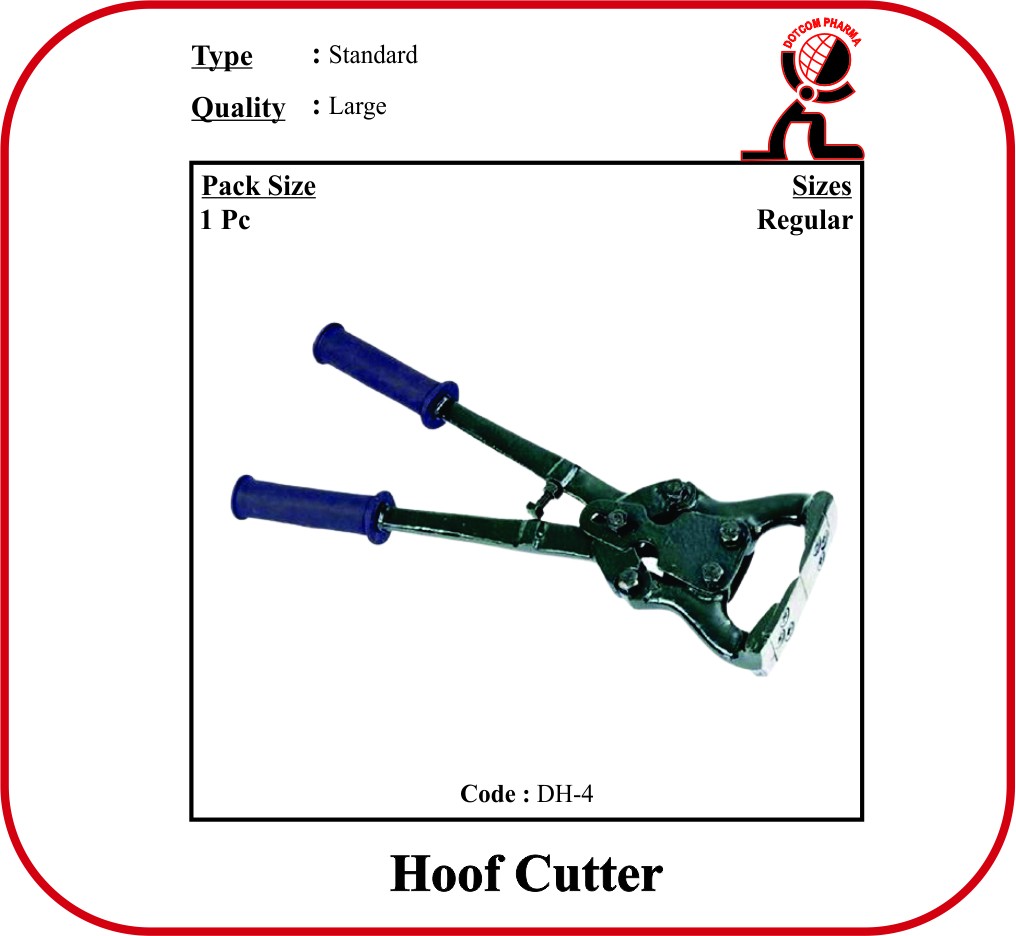
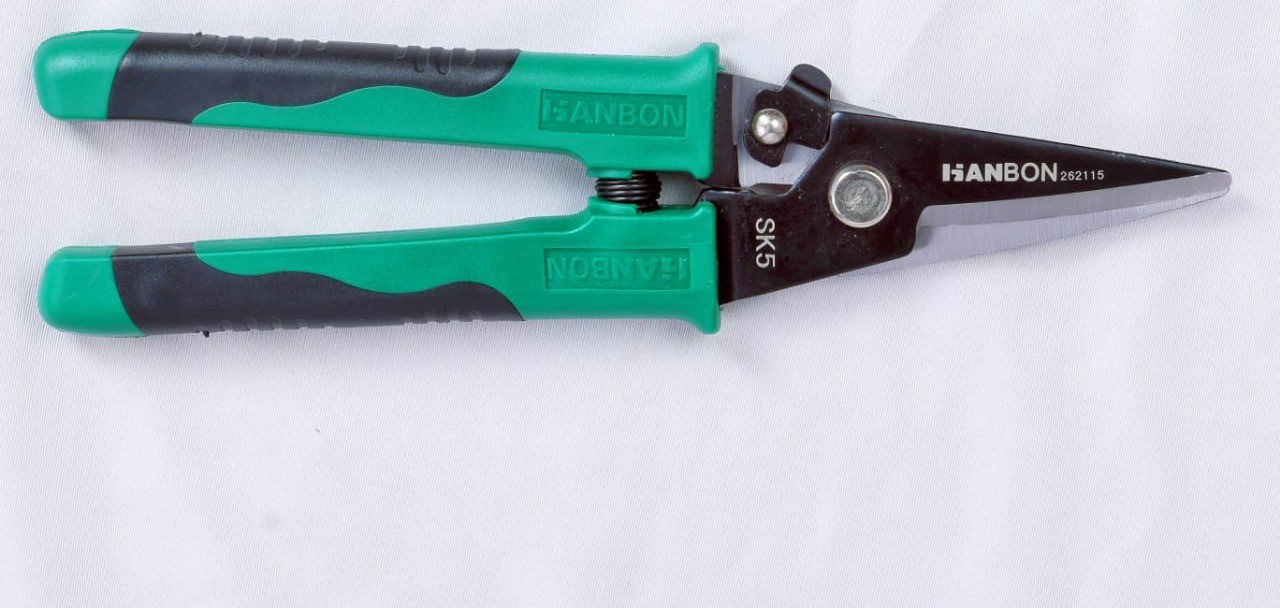
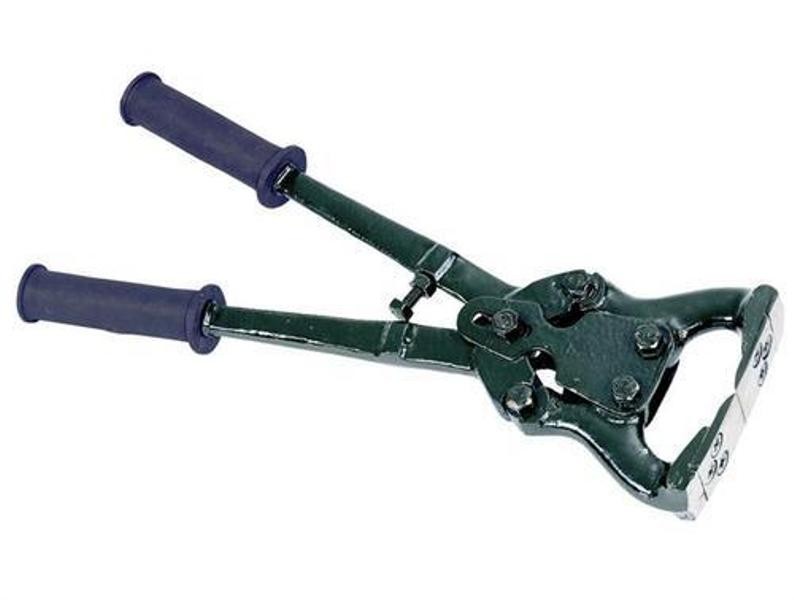
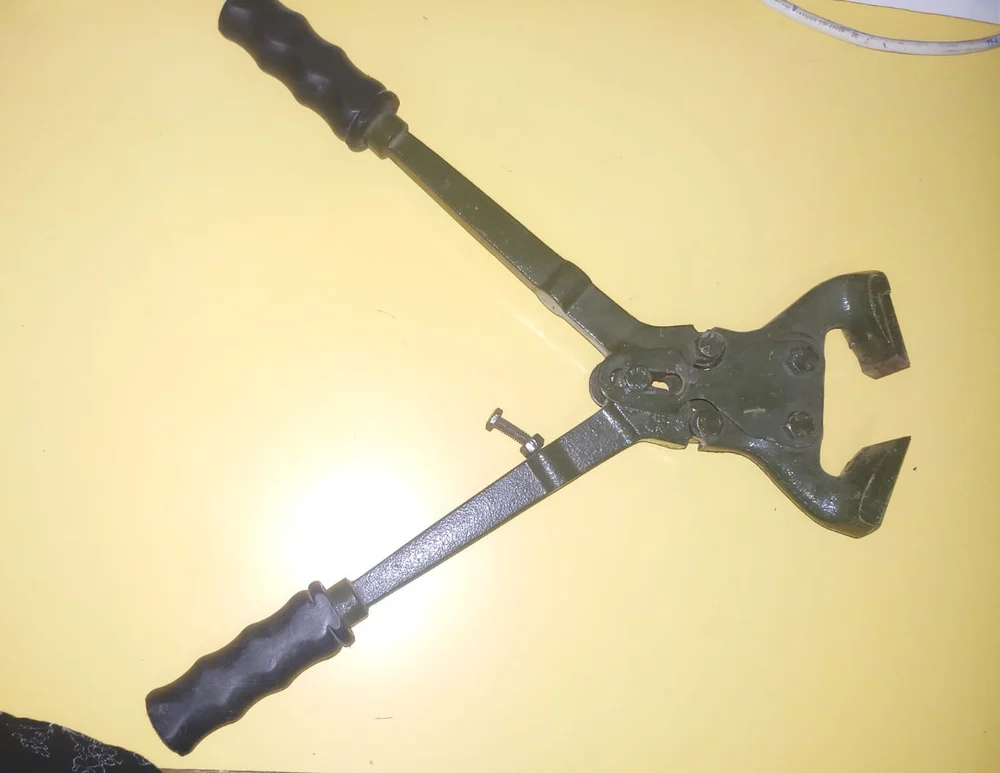
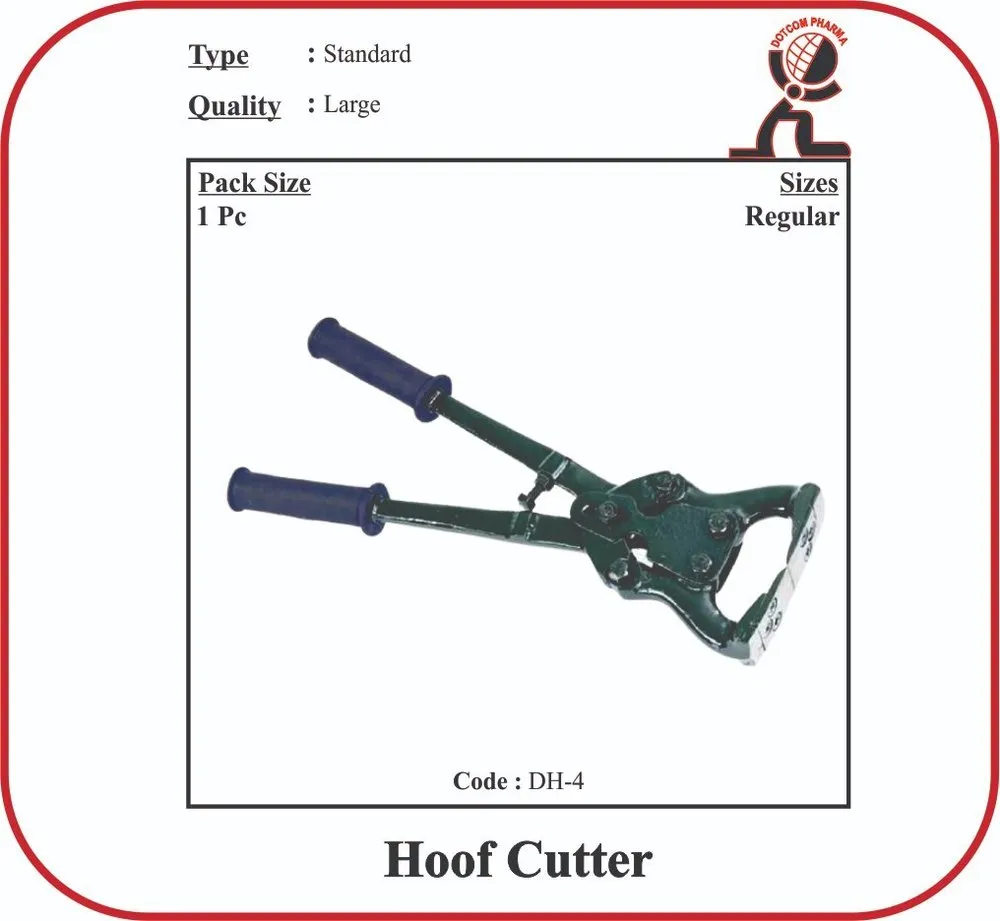
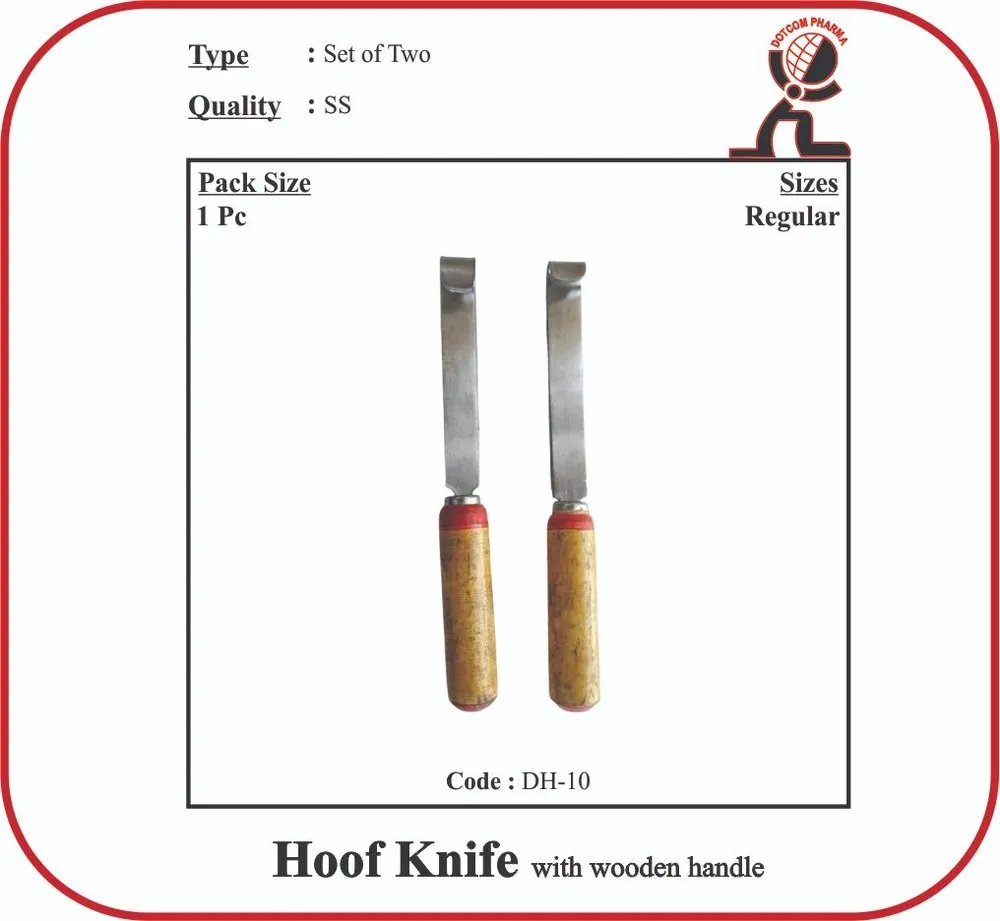
Hoof Cutter
Drug Name
: NA
Drug Role
: The Hoof Cutter is a robust, precision-designed instrument used to trim and shape the hooves of animals.
NA
No
Ceritifcations:










Please login / register to buy or to get detailed information of the product
SKU:
Stock Available:
Batch / Lot. No:
Shelf life:
Manufacturing Date:
-
Expiry Date:
-
Minimum Pack Size:
Minimum Order Qty:
1
Pharma Categories:
• Hoof care instruments
Product Form:
• Supplied as a single piece or as part of a hoof care kit • Some versions available with replacement blades or repair kits
Category:
Veterinary
Group:
N/A
Type:
• Standard Manual Hoof Cutter • Compound Action Hoof Cutter (with mechanical leverage assist) • Spring-Loaded Cutter (auto-return handles)
Material:
High-carbon steel or stainless steel (rust-resistant, razor sharp)
Tags
HSN Code:
82015000
HS Code:
9018
Country of Origin:
India
TAX:
5%
Qty per Piece:
Weight Of Each Piece(gm):
Piece Dimensions (L×W×H):
Qty per Buffer Box / Shrink Pack:
Weight of Buffer Box / Shrink Pack:
Buffer Dimensions (L×W×H):
Total Qty per Case:
Total Weight per Case:
Case Dimensions (L×W×H):
Weight / Volume:
Dimensions:
Inhouse product
The Hoof Cutter is a robust, precision-designed instrument used to trim and shape the hooves of animals, primarily livestock like cattle, horses, goats, and sheep. It ensures proper hoof health, prevents overgrowth, and helps manage conditions like lameness and hoof rot. These cutters are built to handle tough hoof material with minimal effort and maximum control.
• Cutting Mechanism: Heavy-duty scissor or pincer-style action
• Blade Type: Sharp, hardened steel with smooth or serrated edge
• Handle Type: Long lever handles for extra cutting force
• Operation: Manual, with or without spring return
• Total Length: 30 – 45 cm depending on model
• Weight: Approximately 800g to 1.5 kg
• Grip: Rubber-coated or contoured anti-slip grips for comfort and control
• Small: 30–35 cm (for small ruminants and close trimming)
• Medium: 36–40 cm (standard farm use)
• Large: 41–45 cm (for heavy-duty or large animal hoofs)
• Head: o Straight cutter head o Curved head for better reach and angled trimming
• Handles: o Straight or slightly contoured for ergonomic handling
• Standard Manual Hoof Cutter
• Compound Action Hoof Cutter (with mechanical leverage assist)
• Spring-Loaded Cutter (auto-return handles)
• Curved Blade Cutter (for precision edge work)
• Veterinary Grade vs. Farrier Grade: Based on usage intensity
• Blades:
o High-carbon steel or stainless steel (rust-resistant, razor sharp)
o Heat-treated for durability • Handles:
o Forged steel, powder-coated
o Rubber or plastic-coated grips for better control
• Hoof care instruments
• Large animal tools
• Veterinary orthopaedic and maintenance instruments
• Farrier tools
• Supplied as a single piece or as part of a hoof care kit
• Some versions available with replacement blades or repair kits
• Packed in rust-protective wrapping or cases for longevity
Used to trim and maintain hoof shape by removing overgrown, cracked, or infected horn tissue. Essential for hoof health, balanced posture, and mobility in livestock and large animals.
• Strong cutting force with minimal effort
• Improves animal movement and hoof hygiene
• Available in various sizes and blade styles
• Long-lasting and low maintenance
• Helps prevent hoof diseases when used regularly
• Improper use can cause hoof injury or bleeding
• Heavy models may be tiring to use over time
• Requires regular sharpening or blade replacement
• Not suitable for small pets or fine trimming
• Always wear gloves and restrain the animal properly
• Avoid cutting too deep into the hoof tissue
• Check alignment of blades regularly to ensure accurate cuts
• Disinfect after each use to prevent disease transmission
• Store in a dry place to prevent rusting
• HSN 9018: Instruments for medical, surgical, dental, or veterinary use
• HSN 82015000: Cutting tools with base metal blades — including hoof trimmers
• Use both hands for better control and leverage
• Keep blades aligned and sharpened for smooth operation
• Apply light oil after use to prevent rusting
• Store in a protective case or tool rack
• Clean thoroughly after use
• Wipe blades with disinfectant or veterinary-grade antiseptic
• Not autoclavable — dry sterilization only
• Use rust-inhibitor if stored long-term
Used widely by veterinarians, farmers, and livestock handlers for hoof trimming in cattle, buffaloes, horses, sheep, and goats. Prevents lameness, improves posture, and supports overall herd health.
Not used directly for human procedures — but essential in human-managed livestock care, farm operations, veterinary clinical practices, and research.
1.What is a hoof cutter used for?
It's used to trim overgrown or unhealthy hooves in livestock to maintain hoof shape and prevent diseases.
2.Can I use one cutter for all animals?
Not ideally. Choose cutter size and type based on the species and hoof size.
3.How often should hooves be trimmed?
Typically every 6–8 weeks depending on species, activity, and environment.
4.Can I sharpen the blades?
Yes, use a file or sharpening stone — or replace blades if detachable.
5.Is it safe for beginners to use?
Yes, but only under supervision or after proper training, as incorrect use can injure the animal.
Secure Transaction
100% secure payment
Top Brand
Trusted quality
Non Return
Due to hygiene