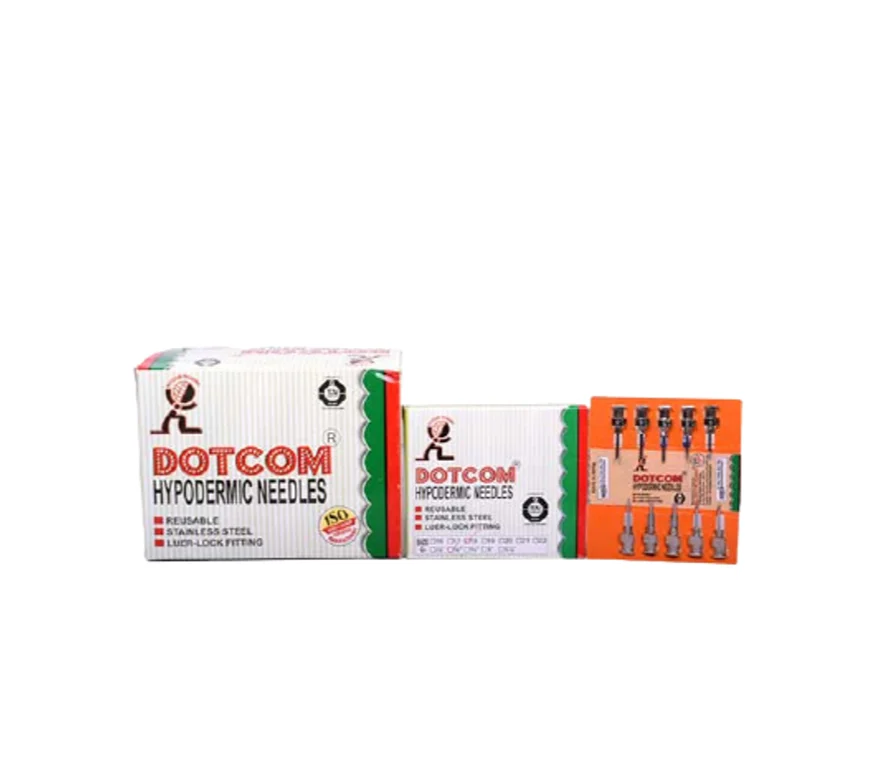
Hypodermic Needle

Drug Name

: NA

Drug Role

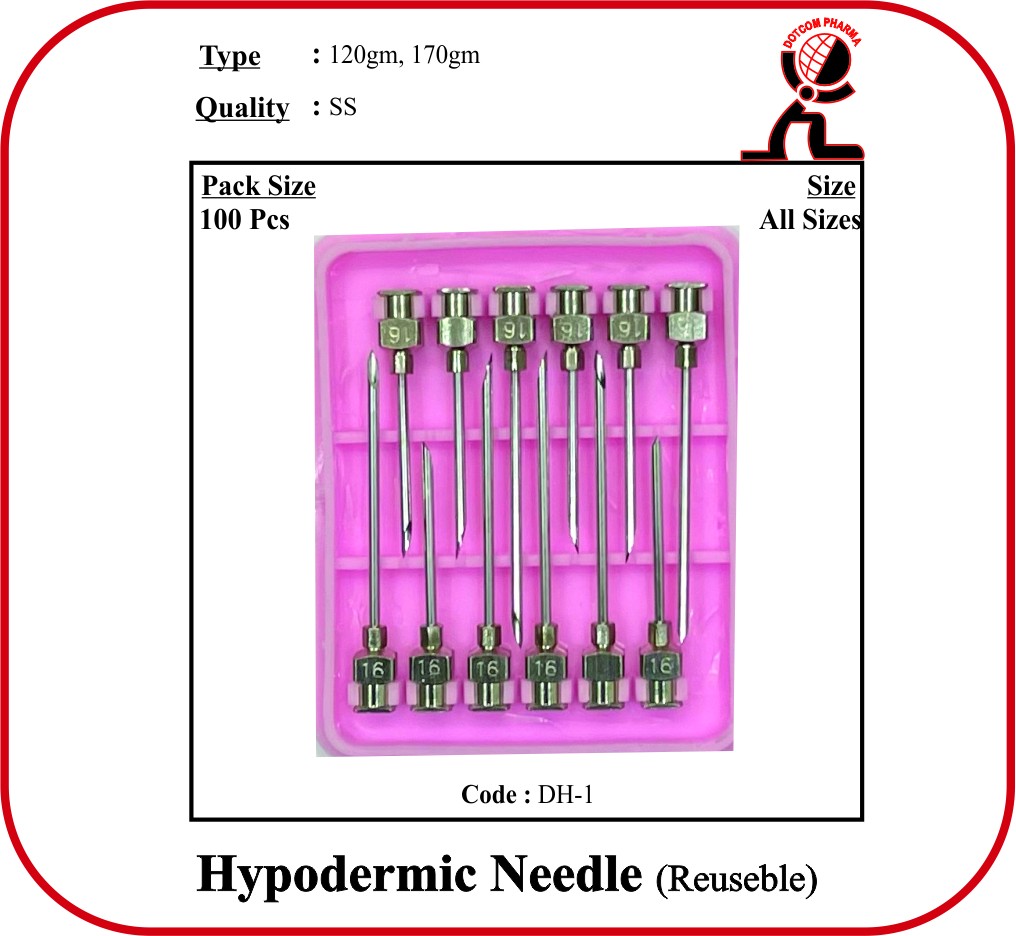
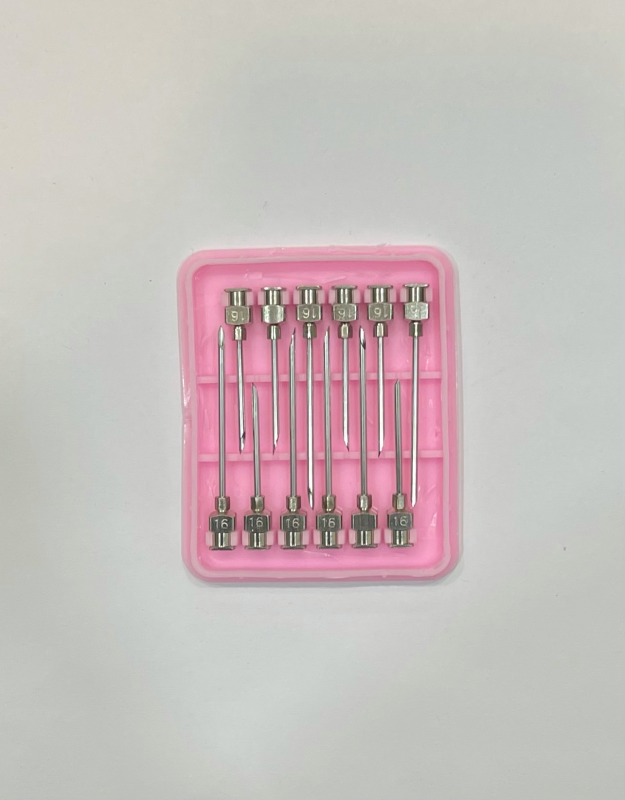
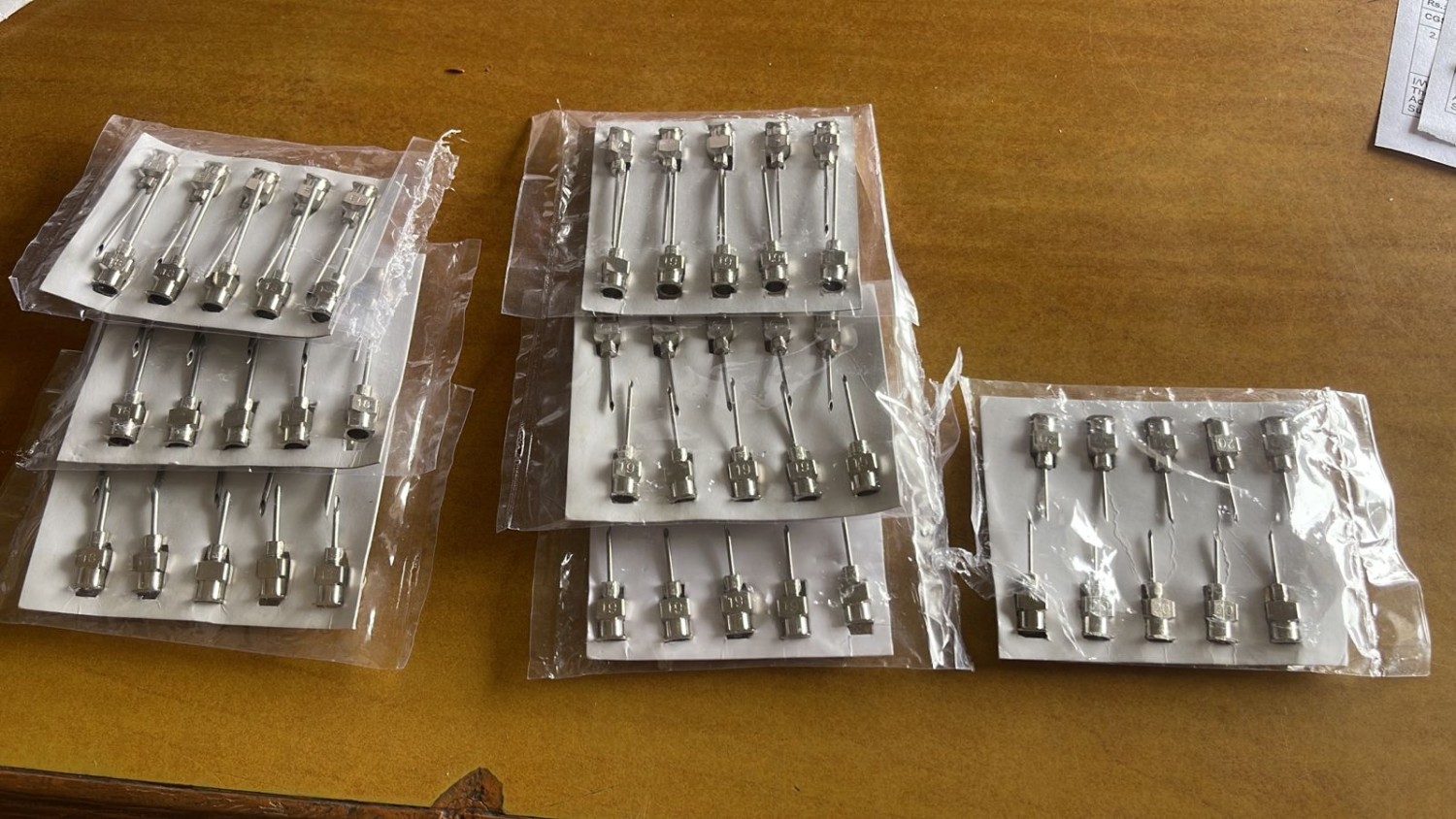
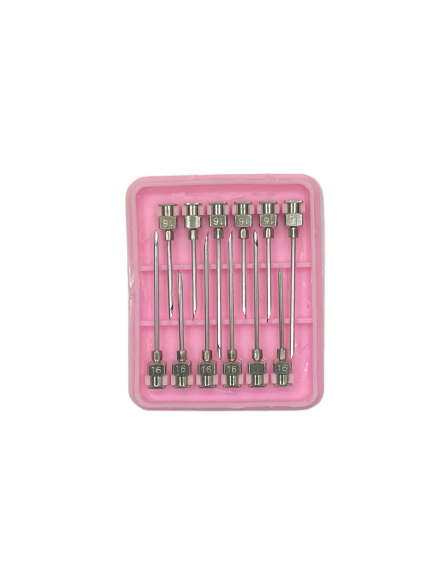
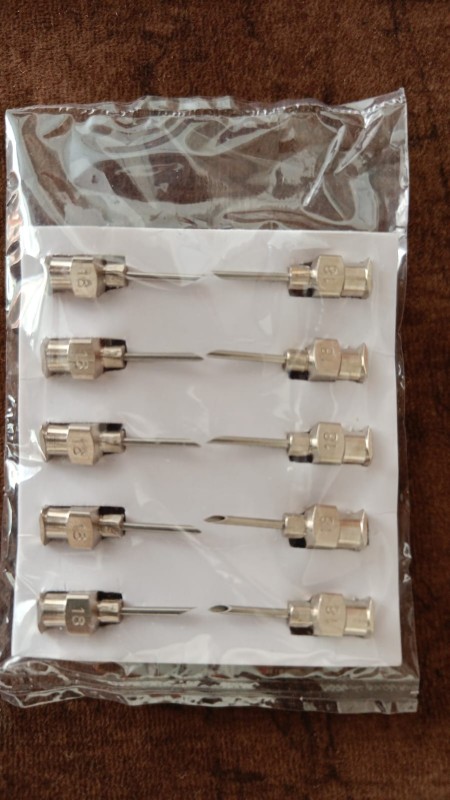
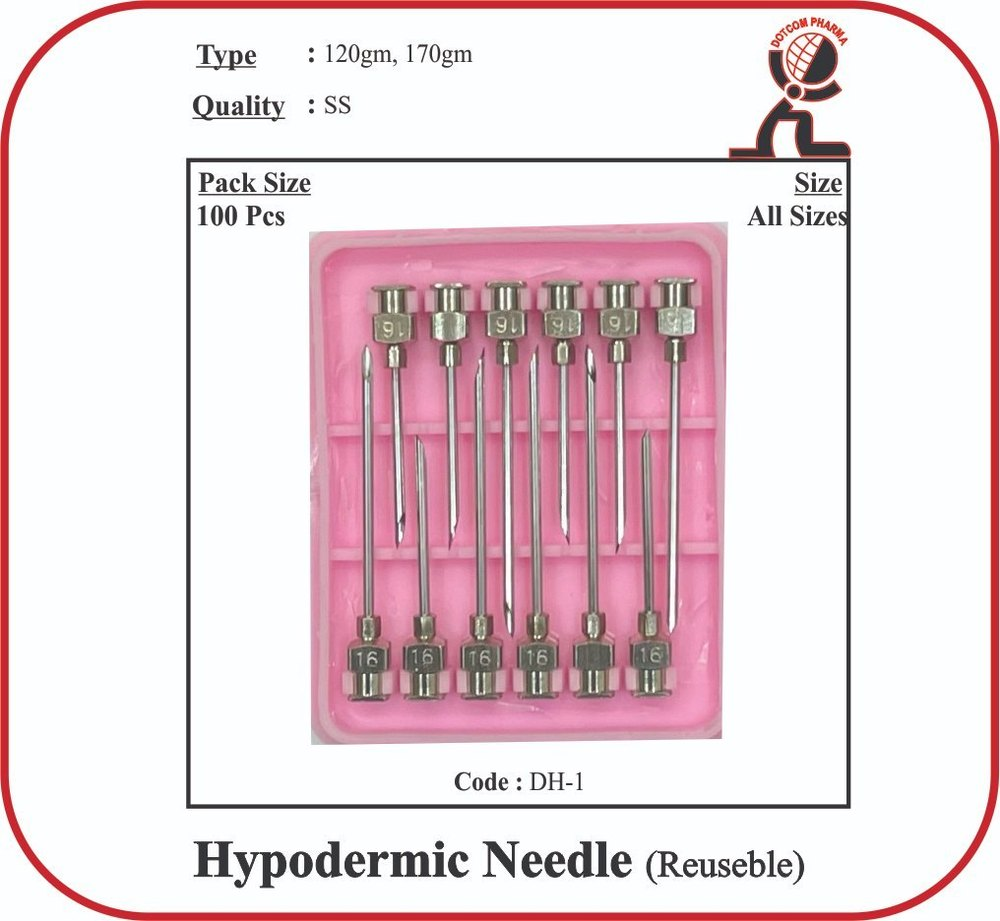
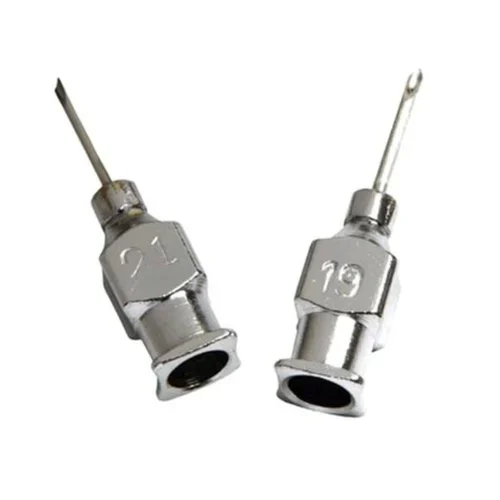
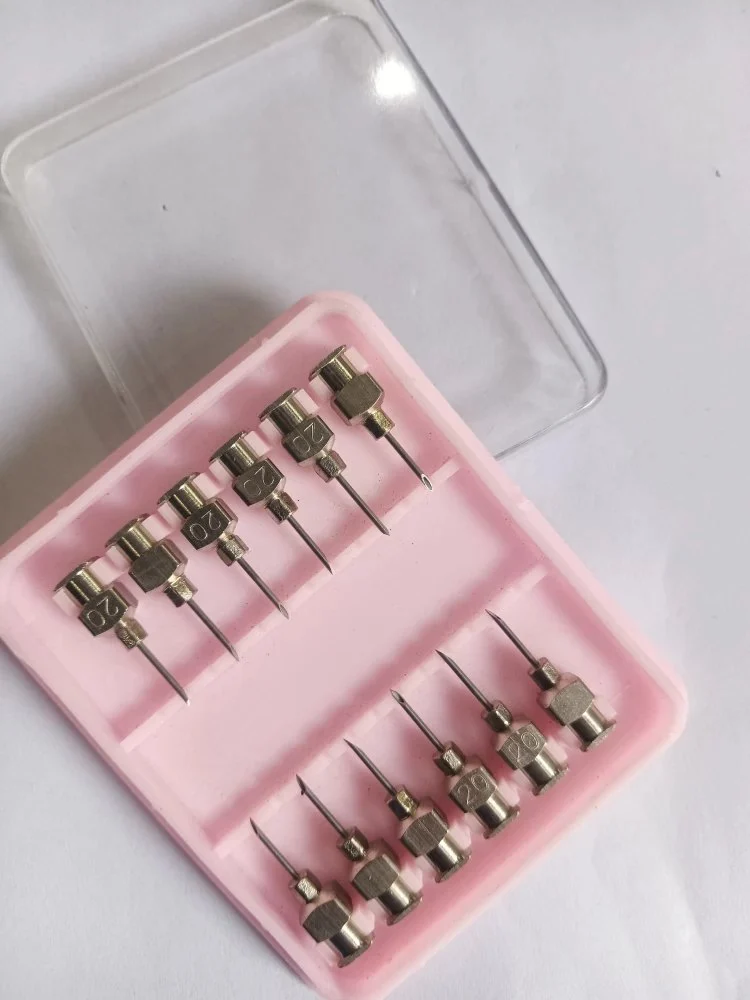
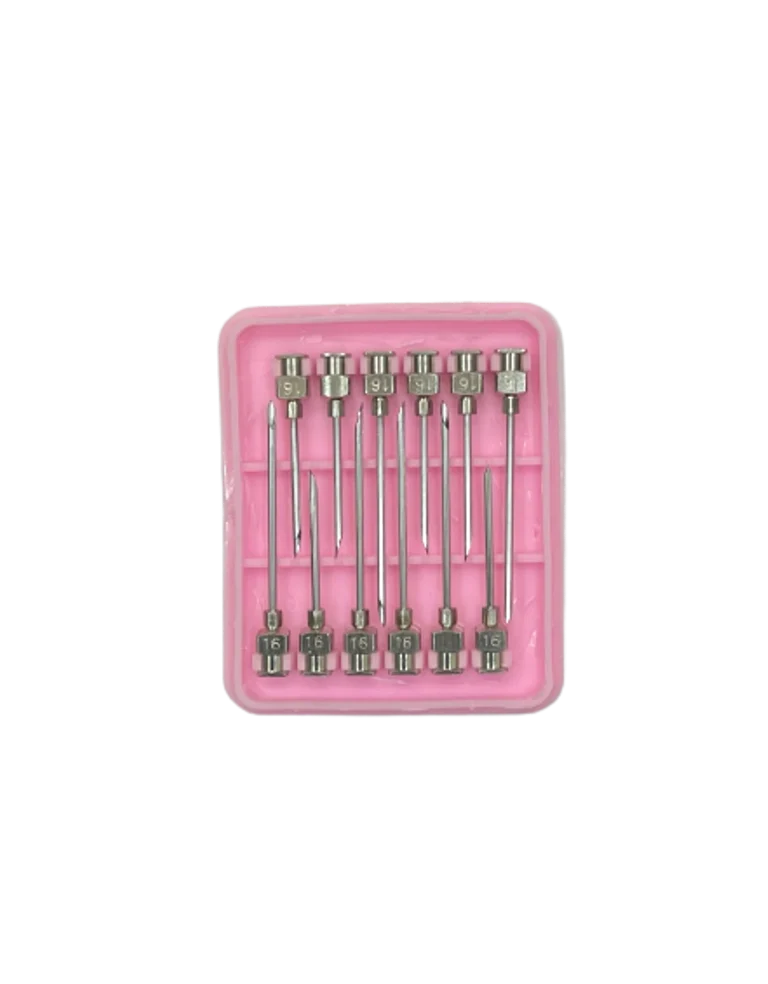
: A hypodermic needle is a slender, hollow needle used to inject substances into the body or extract fluids from the body. This version is non-sterile and reusable, typically made from durable materials like stainless steel

Schedule:
NA
Prescription Required:
No
Brand / Mfg:
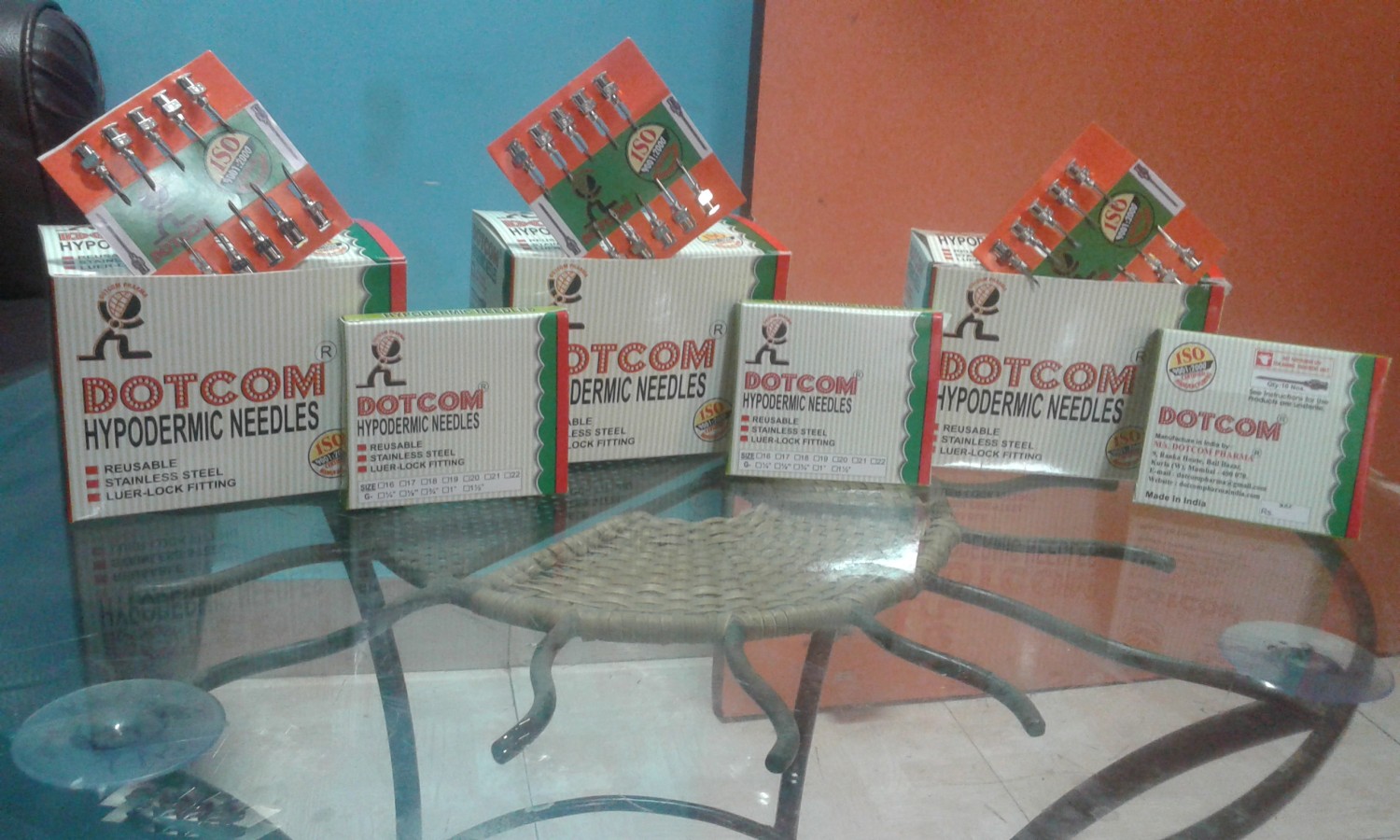
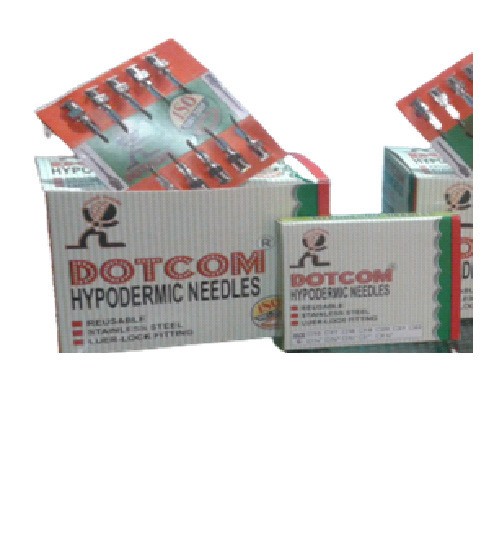
DOTCOM PHARMA
/ Piece
MRP: Inclusive of all taxes
Discount Applied:
MRP
-
Price
-
-
Discount
-
-
+ Tax
-
-
Total You Save
-
You Save:
Type
Size
Quality
Made
Quantity
(220 available)
Total Amount Product Wise:

Ceritifcations:

Certificate
Certificate
Certificate
Certificate
Certificate
Certificate
Certificate
Certificate
Certificate
Certificate

Please login / register to buy or to get detailed information of the product

SKU:

Stock Available:

Batch / Lot. No:

Shelf life:

Manufacturing Date:

-

Expiry Date:

-

Minimum Pack Size:

Minimum Order Qty:

1

Pharma Categories:

• Medical Instruments • Injection & Infusion Equipment • Veterinary Tools

Product Form:

• Physical Branding Irons • Customizable Sets with Multiple Branding Designs

Category:

Veterinary

Group:

N/A

Type:

• Standard Hypodermic Needle: Used for general purposes, such as vaccines, medications, and extractions.

Material:

Needle: Typically made from stainless steel, known for its resistance to rust and corrosion.

HSN Code:

9018.31.00

HS Code:

9018

Country of Origin:

India

TAX:

5%

Qty per Piece:

Weight Of Each Piece:

Piece Dimensions (L×W×H):

Qty per Buffer Box / Shrink Pack:

Weight of Buffer Box / Shrink Pack:

Buffer Dimensions (L×W×H):

Total Qty per Case:

Total Weight per Case:

Case Dimensions (L×W×H):

Weight / Volume:

Dimensions:

Estimate Shipping Time: 10 Days

Inhouse product

A hypodermic needle is a slender, hollow needle used to inject substances into the body or extract fluids from the body. This version is non-sterile and reusable, typically made from durable materials like stainless steel. It is commonly used in medical practices, veterinary applications, and research settings. Reusable needles are typically designed for repeated use, with proper cleaning and sterilization procedures between uses.

•   Needle Material: Stainless Steel • Needle Gauge: Common gauges range from 18G (larger) to 30G (smaller)

•   Needle Length: 0.5 to 1.5 inches, depending on the application • Hub Material: Plastic or metal

•   Sterility: Non-sterile (requires sterilization before use)

•   Colour: Typically color-coded based on gauge size for easy identification

•   Packaging: Usually sold in bulk, not individually sterile wrapped  

•   Short (0.5–0.75 inches): For shallow injections or skin applications.

•   Medium (1 inch): Most commonly used for general subcutaneous or intramuscular injections.

•   Long (1.5 inches): Used for deeper intramuscular injections or veterinary applications.  

•   Straight Needle: The most common shape for general injections.

•   Curved Needle: Used for specific medical or veterinary applications, such as injections in certain areas of the body.

•   Standard Hypodermic Needle: Used for general purposes, such as vaccines, medications, and extractions.

•   Specialty Hypodermic Needle: Designed for specific injections like insulin or other medication administration.

•   Needle: Typically made from stainless steel, known for its resistance to rust and corrosion.

•   Hub (Connector): Can be made of plastic or metal, depending on the type and intended use.    

•   Medical Instruments

•   Injection & Infusion Equipment

•   Veterinary Tools 

 •   Physical Needle

•   Non-Sterile (requires cleaning and sterilization before use)

•   Medical Use: Administering injections of medications, vaccines, or fluids into patients.

•   Veterinary Use: Commonly used for administering vaccines, medications, and fluids to animals.

•   Research & Laboratory: Extracting or injecting samples for testing purposes.    

•   Cost-Effective: Since the needle is reusable, it reduces waste and costs in the long run.

•   Durable: Made from high-quality materials, reusable needles can withstand multiple uses if properly sterilized.

•   Precision: Hypodermic needles allow for accurate delivery of medication into tissues.

•   Environmentally Friendly: Reduces waste compared to single-use needles, making it a more eco friendly option.

•   Risk of Infection: Non-sterile needles can lead to infection if not properly sterilized between uses.

•   Maintenance Required: Needs to be cleaned and sterilized after each use, adding to the preparation time.

•   Wear and Tear: Over time, the needle can become dull or damaged, affecting the effectiveness of the injection.

 •   Sterilization: Always ensure that the needle is properly cleaned and sterilized before each use to prevent infections.

•   Inspection: Check the needle for any damage, rust, or dullness before use.

•   Use with Caution: Do not reuse the needle without proper sterilization to avoid cross contamination.

 •   HS Code: 9018

•   HSN Code: 9018.31.00 (for hypodermic needles)   

 •   Handle with Care: Always wear gloves when handling non-sterile needles to prevent accidental injury.

•   Proper Cleaning: Clean the needle thoroughly with disinfectants and sterilize in an autoclave or using other sterilization methods before reuse.

•   Storage: Store the needles in a clean, dry, and sterile environment to prevent contamination.  

•   Methods:

o   Autoclave (steam sterilization) is the most common and effective method for sterilizing reusable needles.

o   Chemical sterilization with an appropriate disinfectant solution is another method.

•   Frequency: Clean and sterilize the needle after each use to maintain hygiene and prevent infection    

•   For Livestock (Cattle, Horses, Sheep, Goats): Used for administering vaccines, medications, and fluids.

•   For Companion Animals (Dogs, Cats): Common for injections such as vaccinations or insulin administration.

•   For Exotic Animals: Depending on the animal, hypodermic needles are essential for administering required doses of medication.

•   For Other Animals: Reusable hypodermic needles are widely used for veterinary care in zoos, research, and farms.

•   For Adults and Children: Used in medical settings to inject vaccines, medications, or fluids into human patients.

•   Insulin Administration: Often used for administering insulin for diabetic patients.

•   Intravenous or Intramuscular Injections: Commonly used for various medical treatments, including anaesthesia, vitamins, and pain relief.

 Q1: Can a non-sterile hypodermic needle be reused?

  A: Yes, a non-sterile hypodermic needle can be reused as long as it is properly sterilized between uses.

Q2: How do I sterilize a hypodermic needle?

  A: The most common sterilization method is autoclaving (steam sterilization), or you can use chemical disinfectants.

Q3: Can a non-sterile needle cause infections?

  A: Yes, if not sterilized properly, non-sterile needles can lead to infections.

Q4: What are the different gauges of hypodermic needles?

  A: Hypodermic needles come in various gauges, typically ranging from 18G (thicker) to 30G (finer), with smaller gauges used for thicker medications and larger gauges for more viscous fluids.

Q5: Are reusable hypodermic needles environmentally friendly?

  A: Yes, by reducing waste and offering multiple uses with proper sterilization, reusable needles are more eco-friendly compared to single-use needles.

Secure Transaction

100% secure payment

Top Brand

Trusted quality

Non Return

Due to hygiene
Refund
Not Applicable
Share
Top Selling Products
0 out of 5.0
(0 reviews)
There have been no reviews for this product yet.

A hypodermic needle is a slender, hollow needle used to inject substances into the body or extract fluids from the body. This version is non-sterile and reusable, typically made from durable materials like stainless steel. It is commonly used in medical practices, veterinary applications, and research settings. Reusable needles are typically designed for repeated use, with proper cleaning and sterilization procedures between uses.

•   Needle Material: Stainless Steel • Needle Gauge: Common gauges range from 18G (larger) to 30G (smaller)

•   Needle Length: 0.5 to 1.5 inches, depending on the application • Hub Material: Plastic or metal

•   Sterility: Non-sterile (requires sterilization before use)

•   Colour: Typically color-coded based on gauge size for easy identification

•   Packaging: Usually sold in bulk, not individually sterile wrapped  

•   Short (0.5–0.75 inches): For shallow injections or skin applications.

•   Medium (1 inch): Most commonly used for general subcutaneous or intramuscular injections.

•   Long (1.5 inches): Used for deeper intramuscular injections or veterinary applications.  

•   Straight Needle: The most common shape for general injections.

•   Curved Needle: Used for specific medical or veterinary applications, such as injections in certain areas of the body.

•   Standard Hypodermic Needle: Used for general purposes, such as vaccines, medications, and extractions.

•   Specialty Hypodermic Needle: Designed for specific injections like insulin or other medication administration.

•   Needle: Typically made from stainless steel, known for its resistance to rust and corrosion.

•   Hub (Connector): Can be made of plastic or metal, depending on the type and intended use.    

•   Medical Instruments

•   Injection & Infusion Equipment

•   Veterinary Tools 

 •   Physical Needle

•   Non-Sterile (requires cleaning and sterilization before use)

•   Medical Use: Administering injections of medications, vaccines, or fluids into patients.

•   Veterinary Use: Commonly used for administering vaccines, medications, and fluids to animals.

•   Research & Laboratory: Extracting or injecting samples for testing purposes.    

•   Cost-Effective: Since the needle is reusable, it reduces waste and costs in the long run.

•   Durable: Made from high-quality materials, reusable needles can withstand multiple uses if properly sterilized.

•   Precision: Hypodermic needles allow for accurate delivery of medication into tissues.

•   Environmentally Friendly: Reduces waste compared to single-use needles, making it a more eco friendly option.

•   Risk of Infection: Non-sterile needles can lead to infection if not properly sterilized between uses.

•   Maintenance Required: Needs to be cleaned and sterilized after each use, adding to the preparation time.

•   Wear and Tear: Over time, the needle can become dull or damaged, affecting the effectiveness of the injection.

 •   Sterilization: Always ensure that the needle is properly cleaned and sterilized before each use to prevent infections.

•   Inspection: Check the needle for any damage, rust, or dullness before use.

•   Use with Caution: Do not reuse the needle without proper sterilization to avoid cross contamination.

 •   HS Code: 9018

•   HSN Code: 9018.31.00 (for hypodermic needles)   

 •   Handle with Care: Always wear gloves when handling non-sterile needles to prevent accidental injury.

•   Proper Cleaning: Clean the needle thoroughly with disinfectants and sterilize in an autoclave or using other sterilization methods before reuse.

•   Storage: Store the needles in a clean, dry, and sterile environment to prevent contamination.  

•   Methods:

o   Autoclave (steam sterilization) is the most common and effective method for sterilizing reusable needles.

o   Chemical sterilization with an appropriate disinfectant solution is another method.

•   Frequency: Clean and sterilize the needle after each use to maintain hygiene and prevent infection    

•   For Livestock (Cattle, Horses, Sheep, Goats): Used for administering vaccines, medications, and fluids.

•   For Companion Animals (Dogs, Cats): Common for injections such as vaccinations or insulin administration.

•   For Exotic Animals: Depending on the animal, hypodermic needles are essential for administering required doses of medication.

•   For Other Animals: Reusable hypodermic needles are widely used for veterinary care in zoos, research, and farms.

•   For Adults and Children: Used in medical settings to inject vaccines, medications, or fluids into human patients.

•   Insulin Administration: Often used for administering insulin for diabetic patients.

•   Intravenous or Intramuscular Injections: Commonly used for various medical treatments, including anaesthesia, vitamins, and pain relief.

 Q1: Can a non-sterile hypodermic needle be reused?

  A: Yes, a non-sterile hypodermic needle can be reused as long as it is properly sterilized between uses.

Q2: How do I sterilize a hypodermic needle?

  A: The most common sterilization method is autoclaving (steam sterilization), or you can use chemical disinfectants.

Q3: Can a non-sterile needle cause infections?

  A: Yes, if not sterilized properly, non-sterile needles can lead to infections.

Q4: What are the different gauges of hypodermic needles?

  A: Hypodermic needles come in various gauges, typically ranging from 18G (thicker) to 30G (finer), with smaller gauges used for thicker medications and larger gauges for more viscous fluids.

Q5: Are reusable hypodermic needles environmentally friendly?

  A: Yes, by reducing waste and offering multiple uses with proper sterilization, reusable needles are more eco-friendly compared to single-use needles.

0 out of 5.0
(0 reviews)
There have been no reviews for this product yet.

More From Instruments

Top Selling Products
Search any image
Drag an image here or upload a file
Or