 +91 88281
11034
+91 88281
11034
 Need Help?




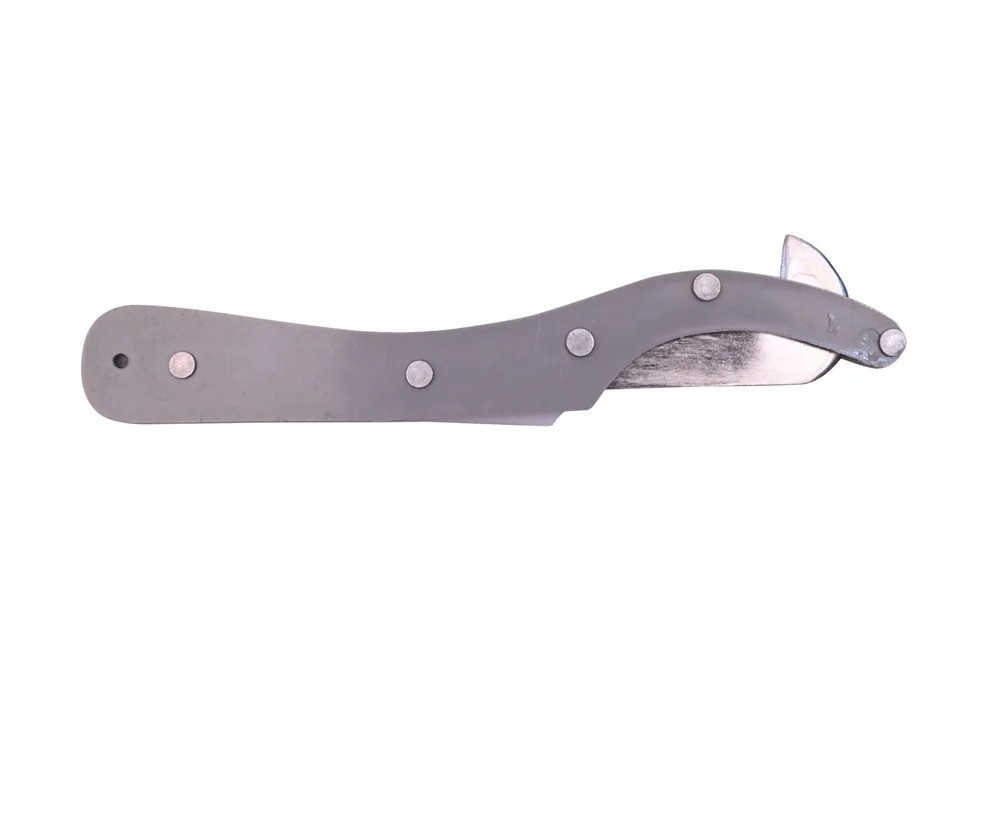
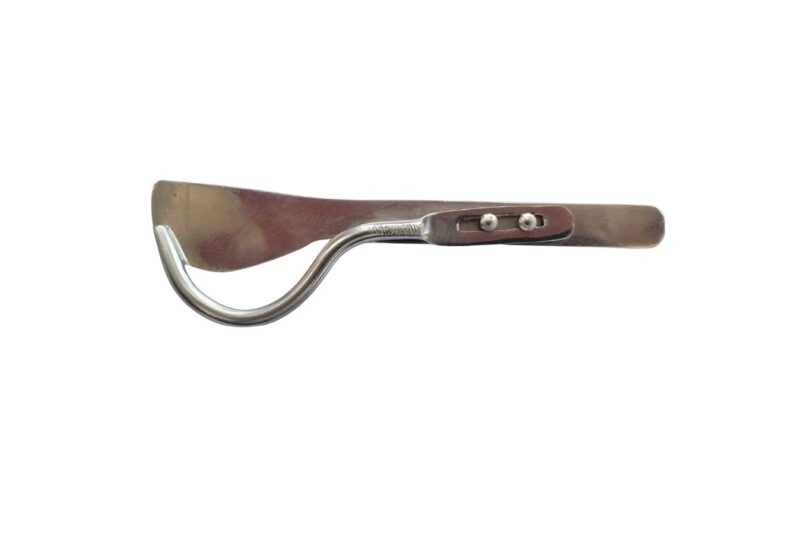
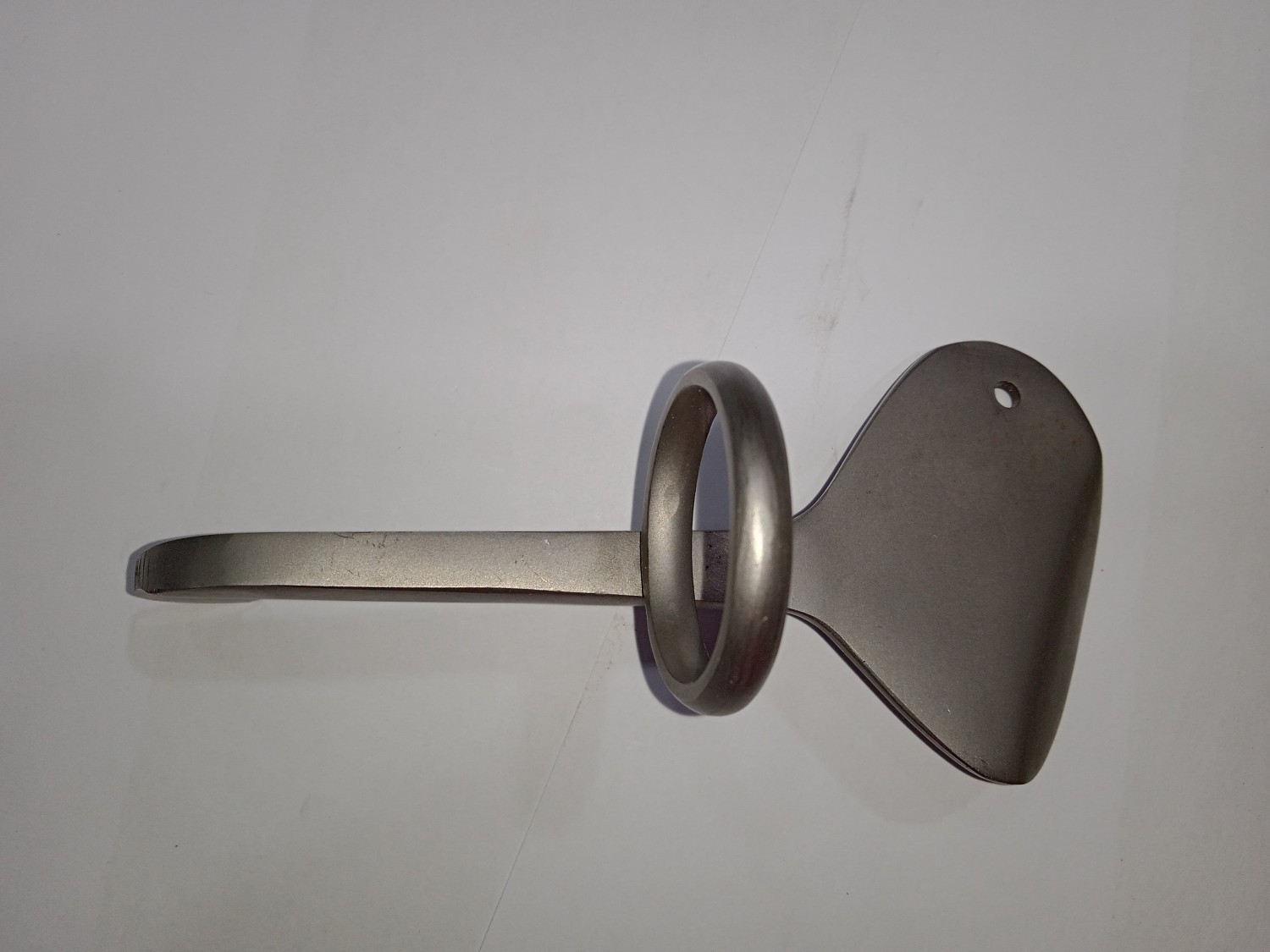
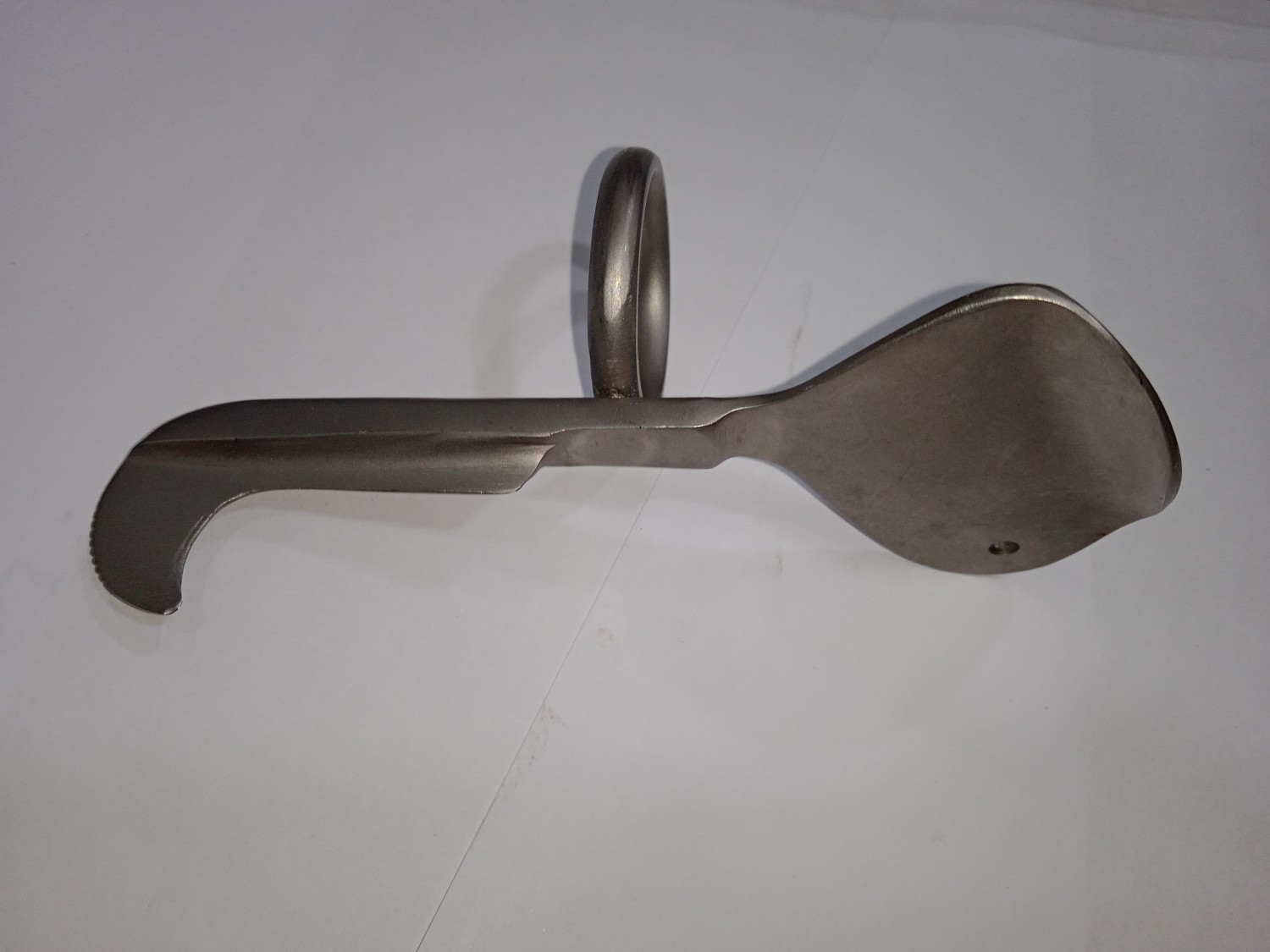
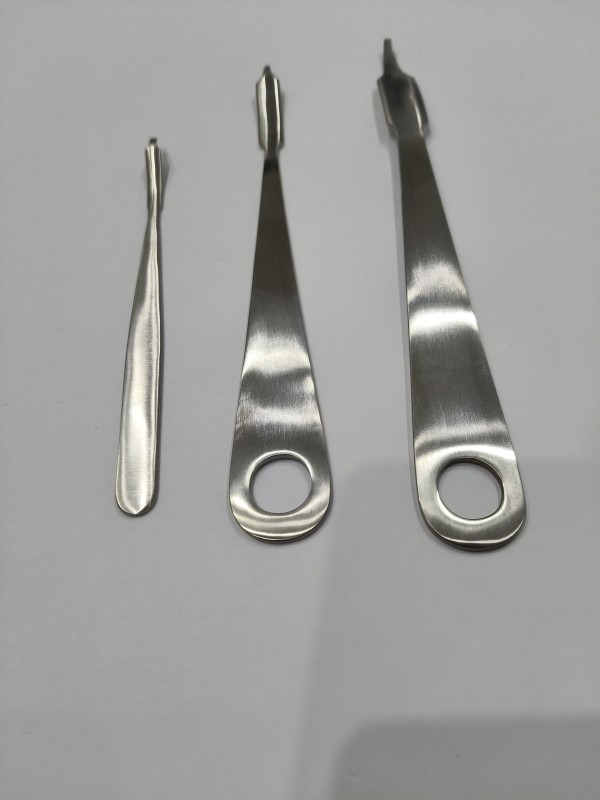
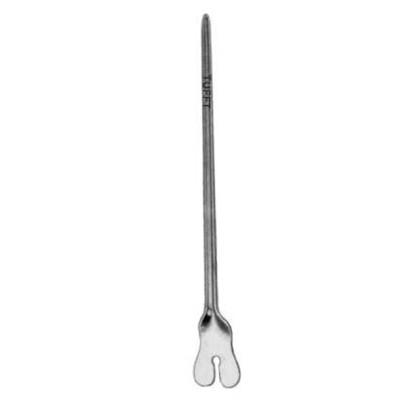
Embryotomy Knife
Drug Name
: NA
Drug Role
: The Embryotomy Knife with Finger Ring is a precision surgical instrument designed for use in obstetric procedures, primarily during complicated deliveries where fetal dissection is required.
NA
No
Ceritifcations:










Please login / register to buy or to get detailed information of the product
SKU:
Stock Available:
Batch / Lot. No:
Shelf life:
Manufacturing Date:
-
Expiry Date:
-
Minimum Pack Size:
Minimum Order Qty:
1
Pharma Categories:
• Obstetric Surgical Instruments • Veterinary Instruments • Surgical Cutting Tools
Product Form:
• Surgical Knife (Manual)
Category:
Veterinary
Group:
N/A
Type:
1. Single Blade Embryotomy Knife: Standard knife with one curved or straight blade. 2. Double Blade Embryotomy Knife: Features two blades to allow for more flexibility during surgery.
Material:
• Stainless Steel: Durable, resistant to corrosion, and ensures the knife maintains its sharpness. • Titanium Coating: Provides additional durability and corrosion resistance.
HSN Code:
9018.90
HS Code:
9018.90.30
Country of Origin:
Imported
TAX:
5%
Qty per Piece:
Weight Of Each Piece(gm):
Piece Dimensions (L×W×H):
Qty per Buffer Box / Shrink Pack:
Weight of Buffer Box / Shrink Pack:
Buffer Dimensions (L×W×H):
Total Qty per Case:
Total Weight per Case:
Case Dimensions (L×W×H):
Weight / Volume:
Dimensions:
Inhouse product
The Embryotomy Knife with Finger Ring is a precision surgical instrument designed for use in obstetric procedures, primarily during complicated deliveries where fetal dissection is required. It enables controlled and safe removal of fetal parts to facilitate delivery in situations such as dystocia or fetal demise. The integrated finger ring enhances grip and provides superior control, allowing surgeons or veterinarians to perform delicate cuts with accuracy while minimizing trauma to surrounding tissues..
• Material: Medical-grade stainless steel
• Finish: High-polish or satin finish for rust resistance
• Handle Type: Ergonomic design for a secure and comfortable grip
• Blade Type: Curved, sharp blade for controlled cutting
• Size: Available in various lengths and blade sizes
• 6" (Medium): Most commonly used size for general obstetric procedures.
• 7" (Large): Suitable for larger animals or more complex cases.
• 8" (Extra Large): For difficult cases requiring more reach.
• Curved Blade: Designed to follow the natural contours of the fetus or surrounding tissue for easier dissection and removal.
• Straight Blade: Used in some cases for a more direct incision.
1. Single Blade Embryotomy Knife: Standard knife with one curved or straight blade.
2. Double Blade Embryotomy Knife: Features two blades to allow for more flexibility during surgery.
• Stainless Steel: Durable, resistant to corrosion, and ensures the knife maintains its sharpness.
• Titanium Coating: Provides additional durability and corrosion resistance.
• Obstetric Surgical Instruments
• Veterinary Instruments
• Surgical Cutting Tools
• Surgical Knife (Manual)
• Human Applications: Primarily used in obstetrics during difficult labour to perform embryotomy, especially in cases where a Caesarean section is not possible.
• Veterinary Applications: Commonly used in large animal veterinary surgeries, especially in cases of dystocia in livestock.
• Precision Cutting: The blade’s sharpness ensures a clean, controlled incision to minimize damage.
• Ergonomic Handle: Provides comfort during prolonged surgeries.
• Multiple Sizes: Offers different sizes to cater to different surgical requirements.
• Sterilizable: Easily sterilized for repeated use.
• Requires Skill: A high degree of skill is needed to use this knife effectively, especially to avoid unnecessary injury to the mother or fetus.
• Limited Use: Used specifically for embryotomy and not applicable in other general surgeries.
• Cost: Depending on the material and brand, it can be a more expensive tool.
• Always ensure the knife is sterile before use.
• Handle with care to avoid accidental cuts during the procedure.
• Inspect for any dullness or corrosion before each use.
• Regularly check for any structural issues with the handle or blade.
• HS Code: 9018.90.30 (Surgical Instruments)
• HSN Code: 9018.90 (Surgical instruments for obstetrics and gynaecology)
• Clean thoroughly after each use with medical-grade disinfectants.
• Ensure the knife is sterilized after every use.
• Store in a dry, clean, and safe location to avoid corrosion.
• Can be sterilized using autoclave (steam sterilization) or chemical sterilization.
• Autoclave settings: 121°C to 134°C for 15-20 minutes.
• Ensure that the knife is completely dry before storing.
• Obstetric Surgeries: Used during difficult deliveries, particularly in cases of fetal death or mispositioning, where embryotomy becomes necessary.
• Large Animal Surgeries: Frequently used in livestock (e.g., cows, horses) when there is a case of dystocia that cannot be resolved through normal birth methods.
1.What is an Embryotomy Knife used for?
ANS: An Embryotomy Knife is used to perform embryotomy during difficult deliveries (dystocia) in both humans and animals. It helps to cut the fetus when it cannot be delivered naturally.
2.Can an Embryotomy Knife be used in all types of deliveries?
ANS: No, the Embryotomy Knife is specifically for difficult deliveries (dystocia). It's not used in normal, uncomplicated births.
3.How do I sterilize the Embryotomy Knife?
ANS: The Embryotomy Knife can be sterilized using autoclaving at 121°C to 134°C for 15-20 minutes, or through chemical sterilization methods.
4.What sizes are available for the Embryotomy Knife?
ANS: Embryotomy knives typically come in 6" (medium), 7" (large), and 8" (extra large) sizes, depending on the complexity of the procedure.
5.Is the Embryotomy Knife used in veterinary medicine?
ANS: Yes, it is frequently used in veterinary procedures, particularly during dystocia in large animals such as cows or horses.
Secure Transaction
100% secure payment
Top Brand
Trusted quality
Non Return
Due to hygiene