 +91 88281
11034
+91 88281
11034
 Need Help?



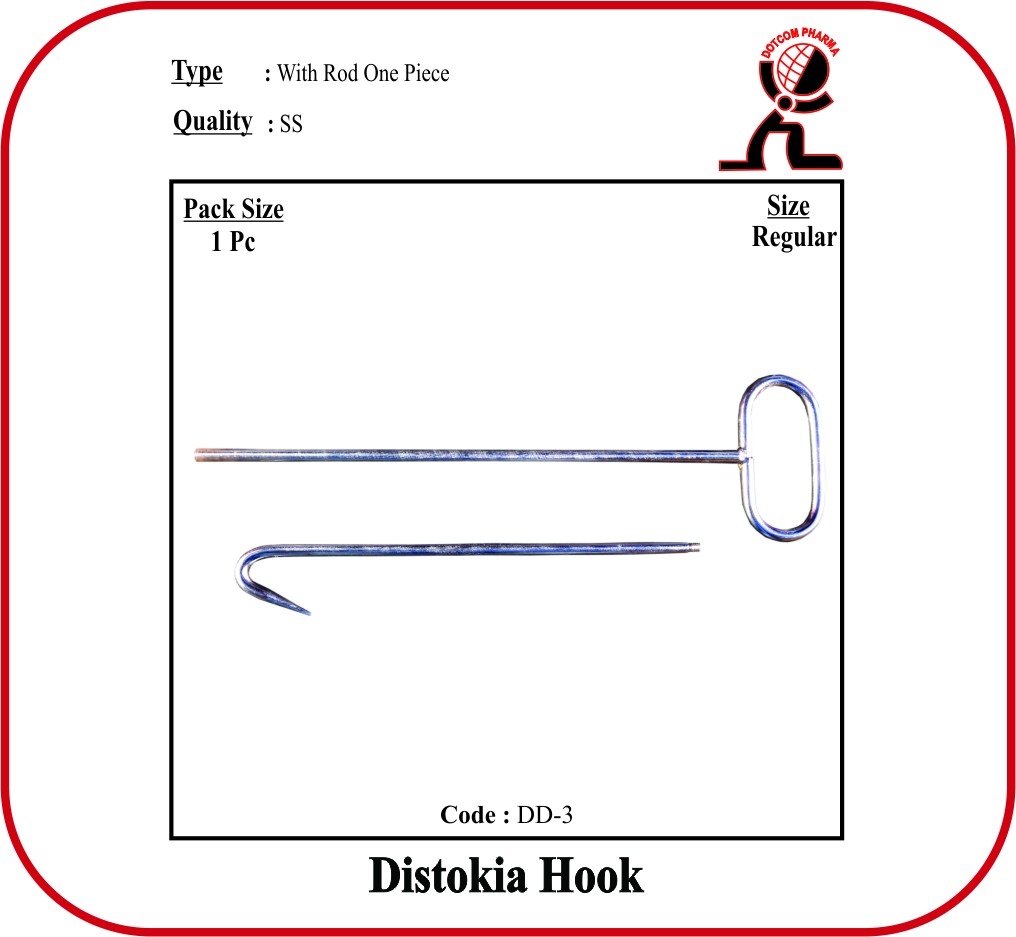
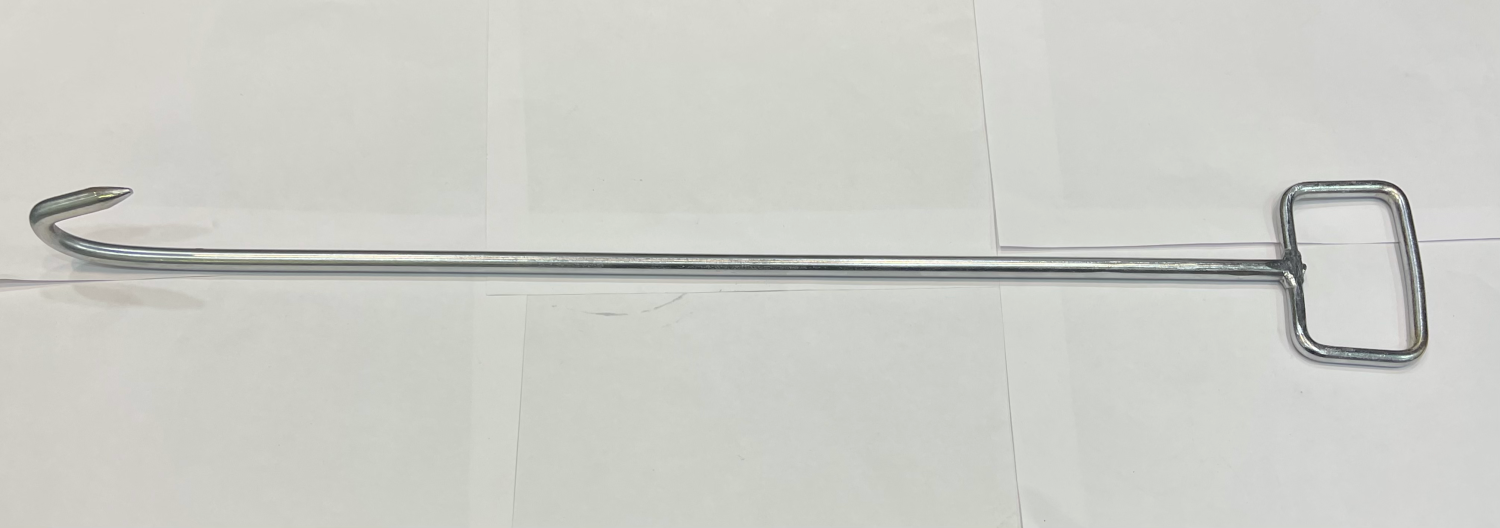
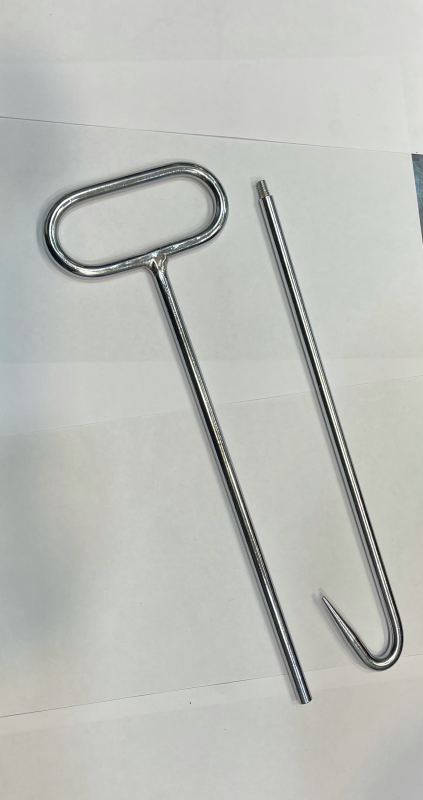
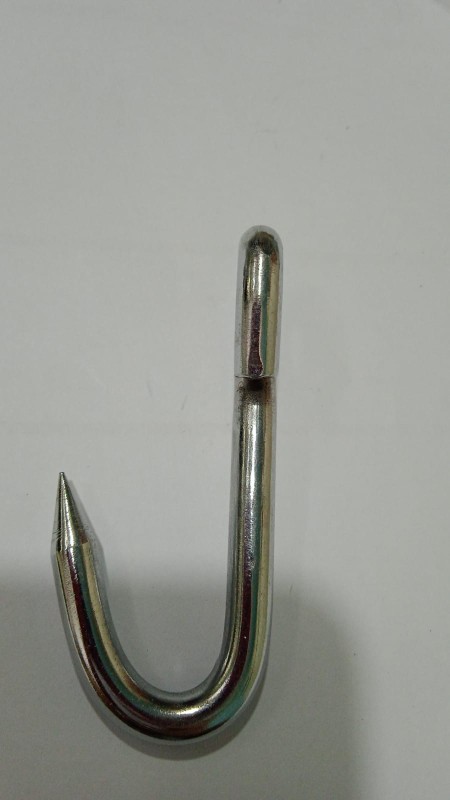
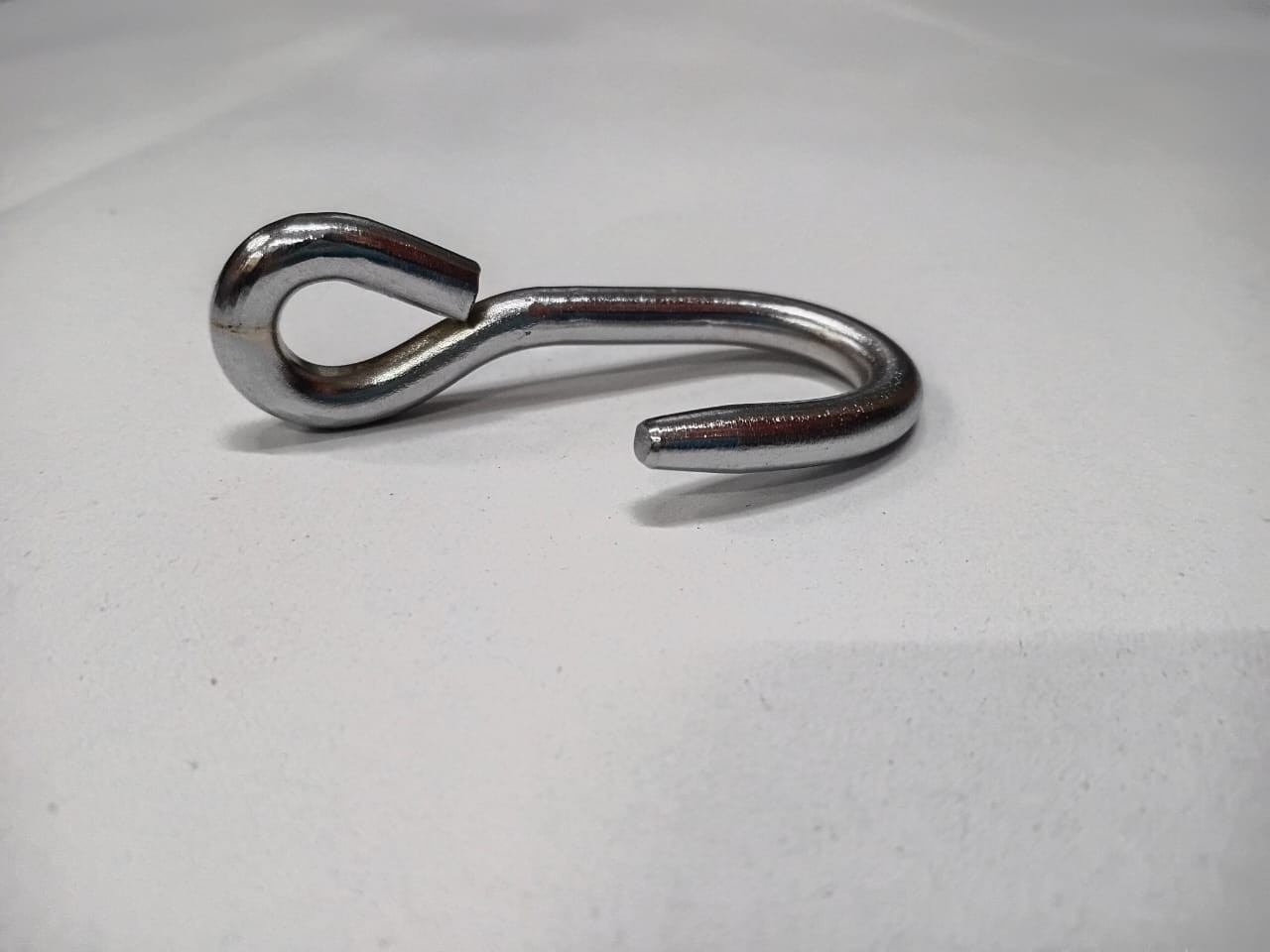
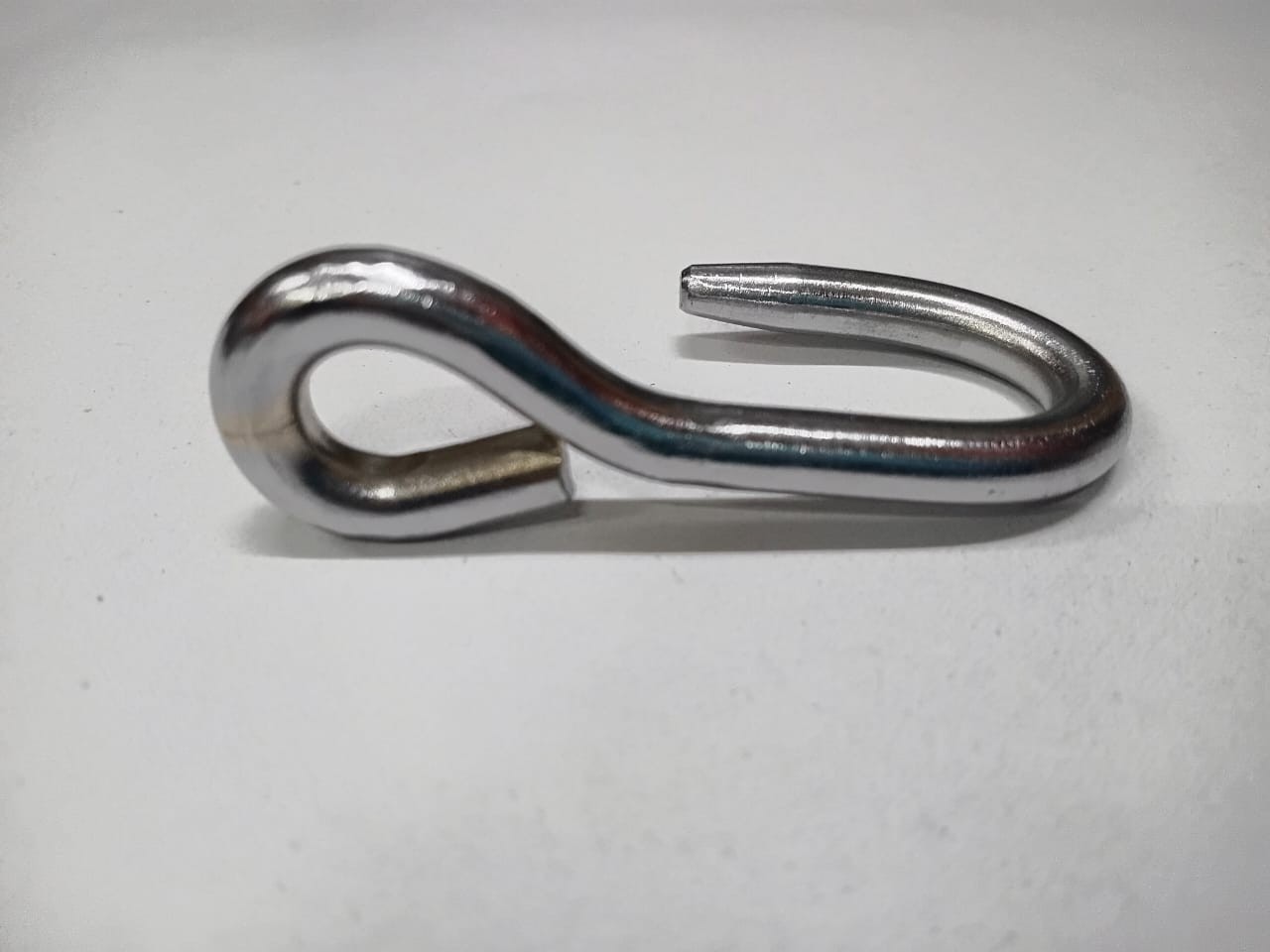
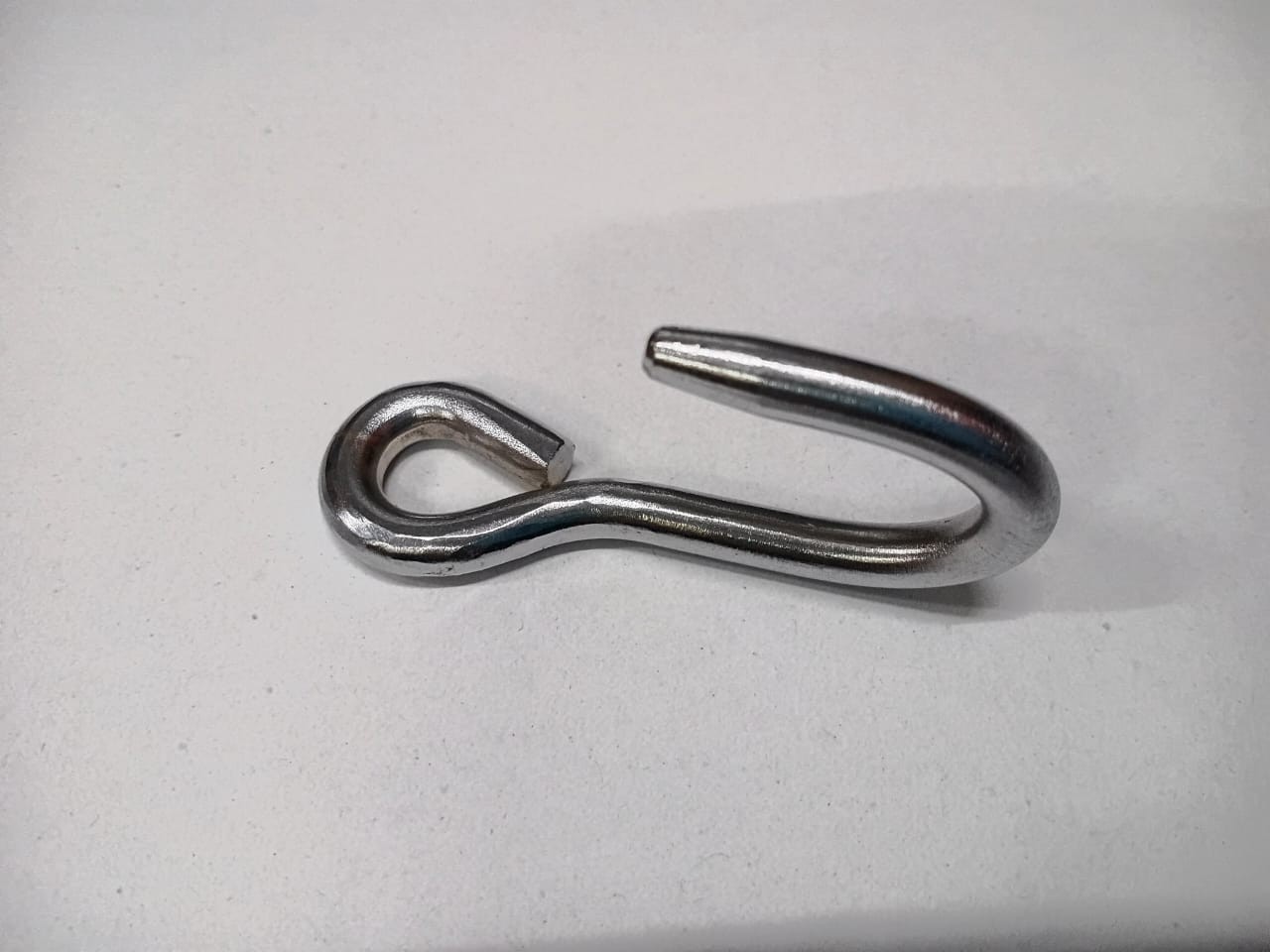
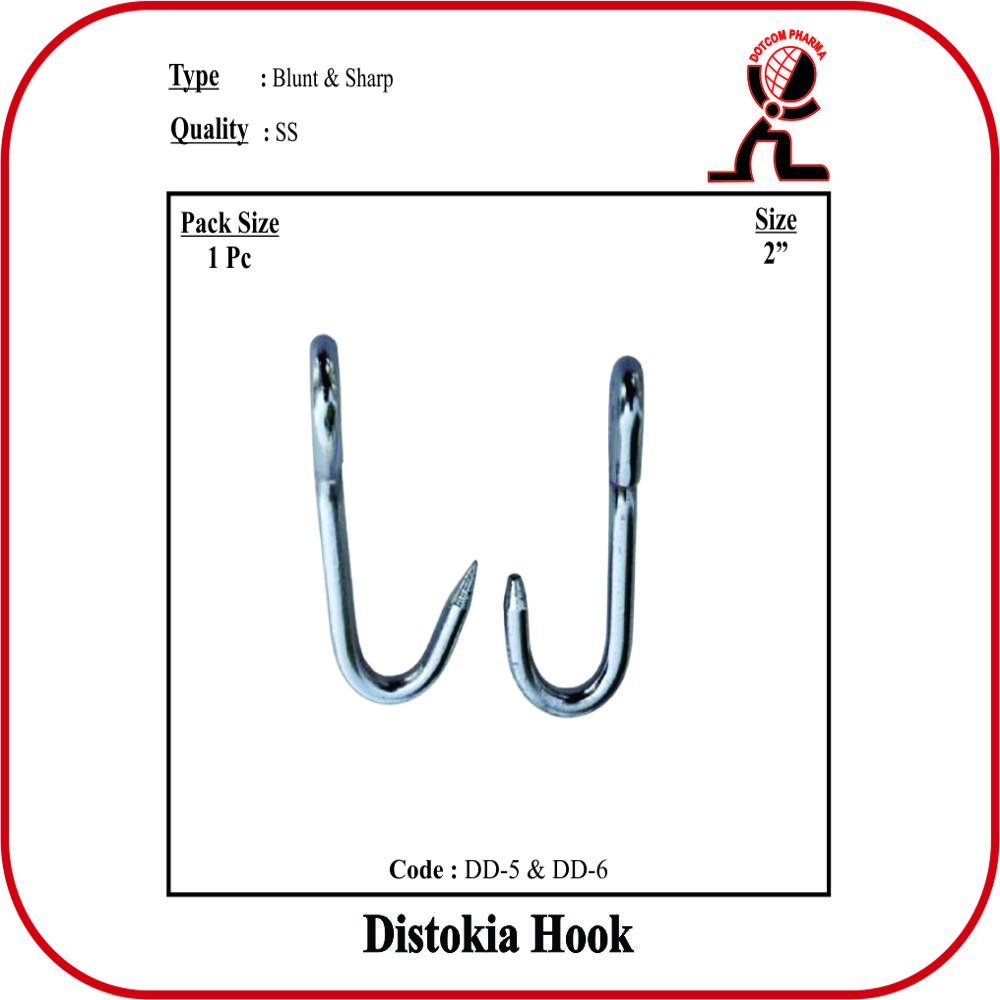
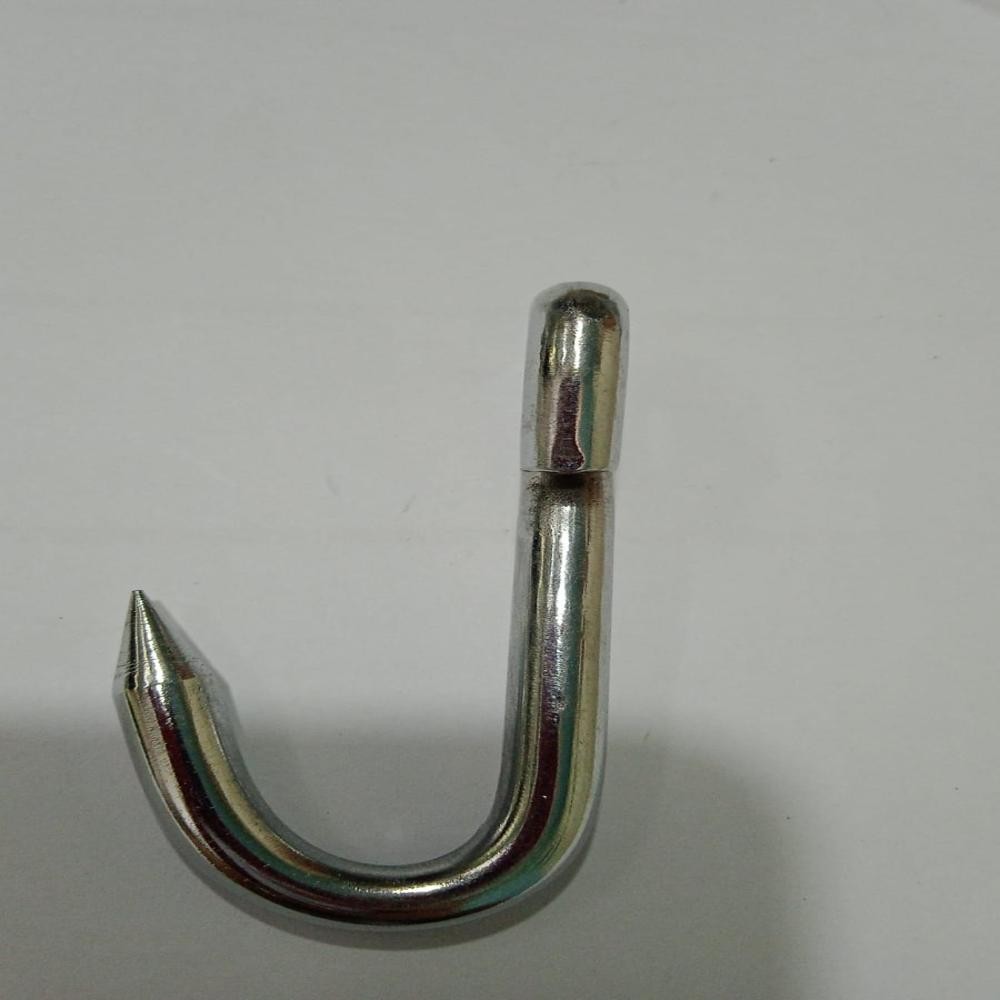
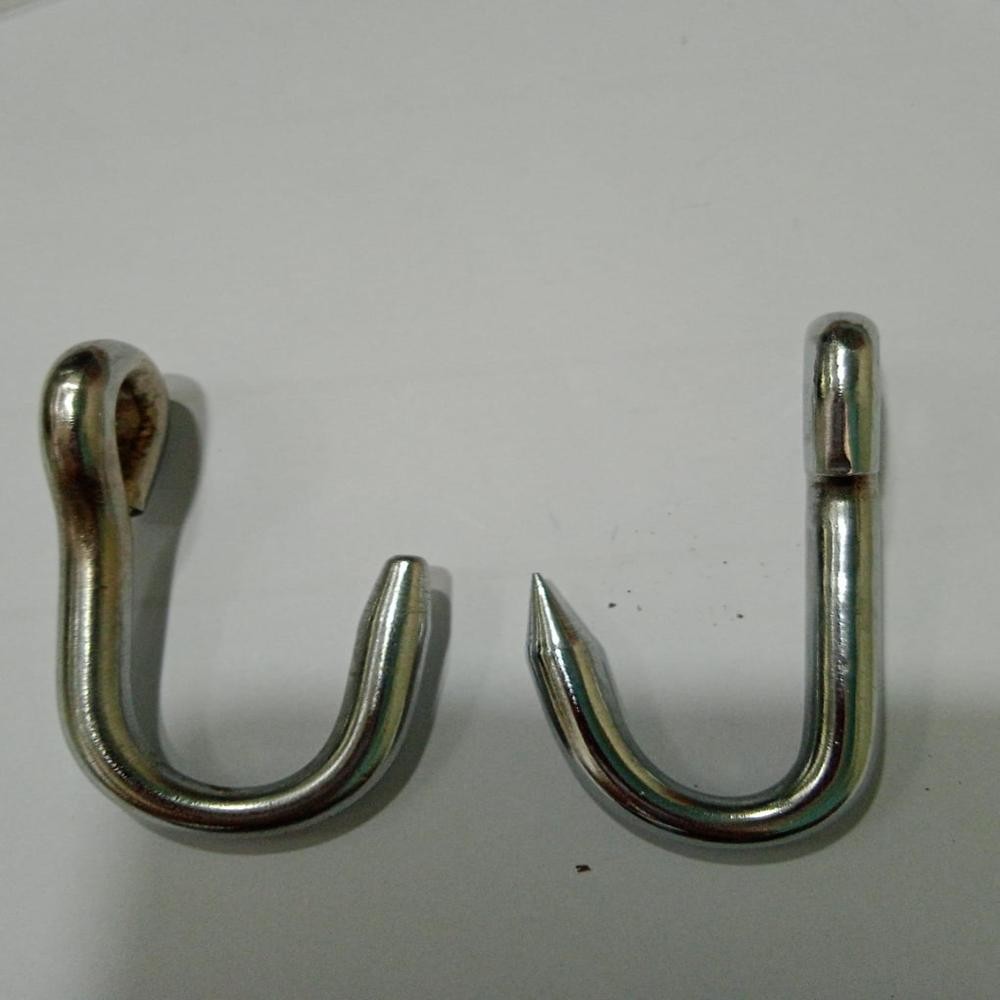
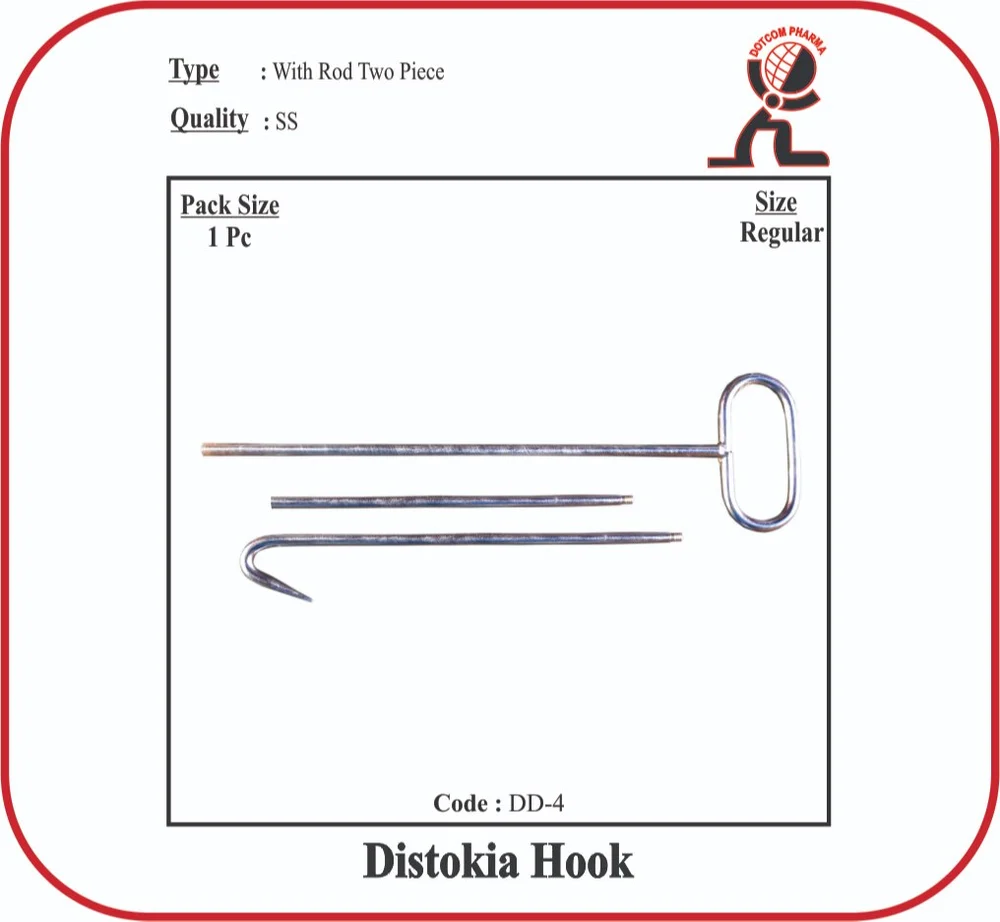
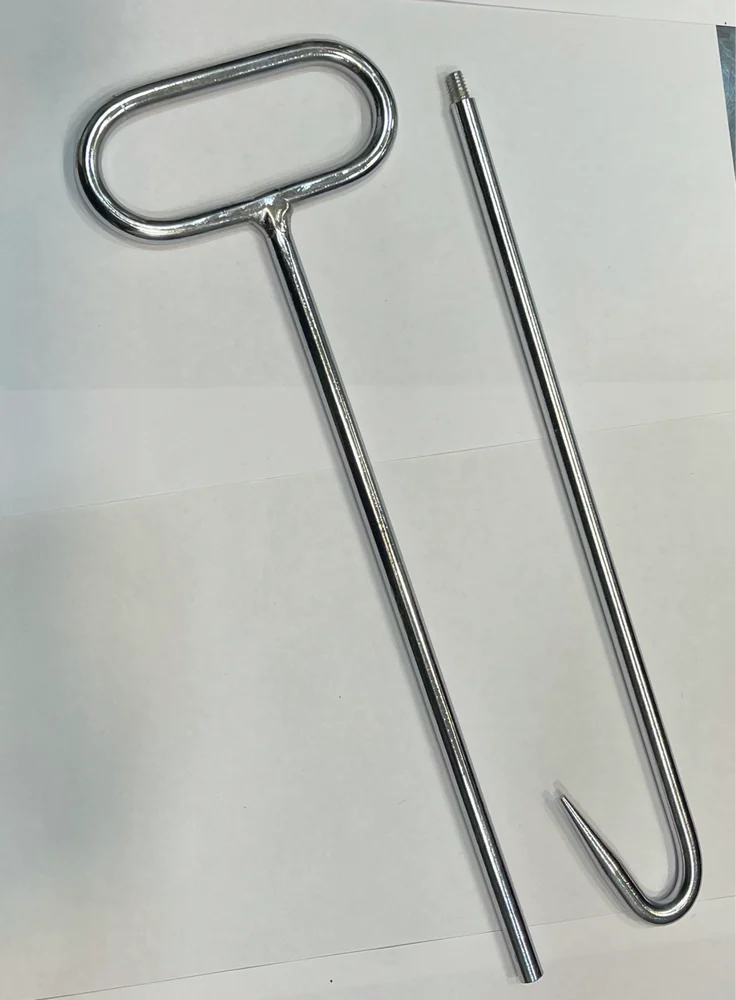
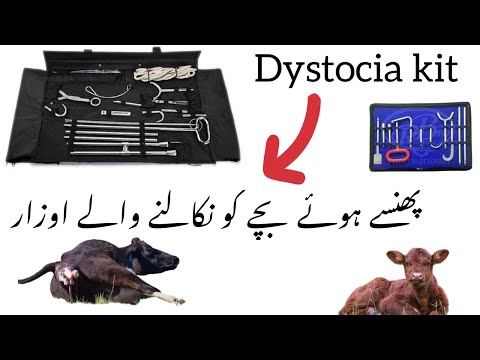
Dystocia Hook
Drug Name
: NA
Drug Role
: Fetal Traction
NA
No
Ceritifcations:










Please login / register to buy or to get detailed information of the product
SKU:
Stock Available:
Batch / Lot. No:
Shelf life:
Manufacturing Date:
-
Expiry Date:
-
Minimum Pack Size:
Minimum Order Qty:
1
Pharma Categories:
Veterinary Reproductive Instruments
Product Form:
Hook
Category:
Veterinary
Group:
N/A
Type:
Veterinary Obstetrical Instrument
Material:
Stainlees Steel
Tags
HSN Code:
9018.90
HS Code:
901890.99
Country of Origin:
India
TAX:
5%
Qty per Piece:
Weight Of Each Piece(gm):
Piece Dimensions (L×W×H):
Qty per Buffer Box / Shrink Pack:
Weight of Buffer Box / Shrink Pack:
Buffer Dimensions (L×W×H):
Total Qty per Case:
Total Weight per Case:
Case Dimensions (L×W×H):
Weight / Volume:
Dimensions:
Inhouse product
• Material: Medical-grade stainless steel or chrome-plated brass
• Length: Typically 20 cm to 35 cm
• Hook End: Rounded, blunt, or rubber-coated to avoid injury
• Handle: Non-slip grip or loop handle for control
• Design: Single hook or double-ended depending on use
• Single blunt hook
• Double-ended dystocia hook
• Rubber-coated dystocia hook for sensitive manoeuvres
• Long-handled variants for deep uterine reach
• Used during difficult labour (dystocia) to grasp and reposition fetal limbs
• Aids in guided traction or rotation during assisted delivery
• Minimizes stress and injury for both mother and fetus when used correctly
• Reduces trauma to the reproductive tract
• Provides controlled handling of fetal parts
• Lightweight and easy to sterilize/ Enhances success in complicated birthing cases
• Requires experienced handling to prevent injury
• Improper use can cause internal damage
• Limited use — specific to obstetric scenarios
• Use only under supervision of a trained veterinary professional
• Ensure hook is smooth and sanitized before insertion
• Apply minimal traction to avoid internal injuries
• Monitor animal closely post-delivery for complications
• Rinse immediately after use to remove organic materia
• Disinfect thoroughly with veterinary-grade antiseptics
• Store in clean, dry environment
• Inspect before use for rust, bending, or damage
• Autoclavable at 121–134°C
• Can be soaked in disinfectants (glutaraldehyde or chlorhexidine-based solutions)
• HSN Code: 9018.90
• HS Code: 901890.99 .
Category : Veterinary obstetric instruments, not specified elsewhere
Not applicable
Used in large and small animal obstetrics to assist delivery during dystocia situations
Commonly used in cattle, sheep, goats, and horses
1. What is a dystocia hook used for?
To grasp and guide fetal limbs during complicated deliveries in animals.
2. Is it safe for the animal?
Yes, if used properly by a trained individual with care and hygiene.
3. Can the hook cause injury?
If misused or too much force is applied, yes — that's why proper handling is essential.
4. How is the hook cleaned?
Cleaned with antiseptics or sterilized in an autoclave after each use.
5. Is this used for all animals?
Mostly used in large animals like cows and sheep, but also in goats and mares during obstetric emergencies.
Secure Transaction
100% secure payment
Top Brand
Trusted quality
Non Return
Due to hygiene