 +91 88281
11034
+91 88281
11034
 Need Help?




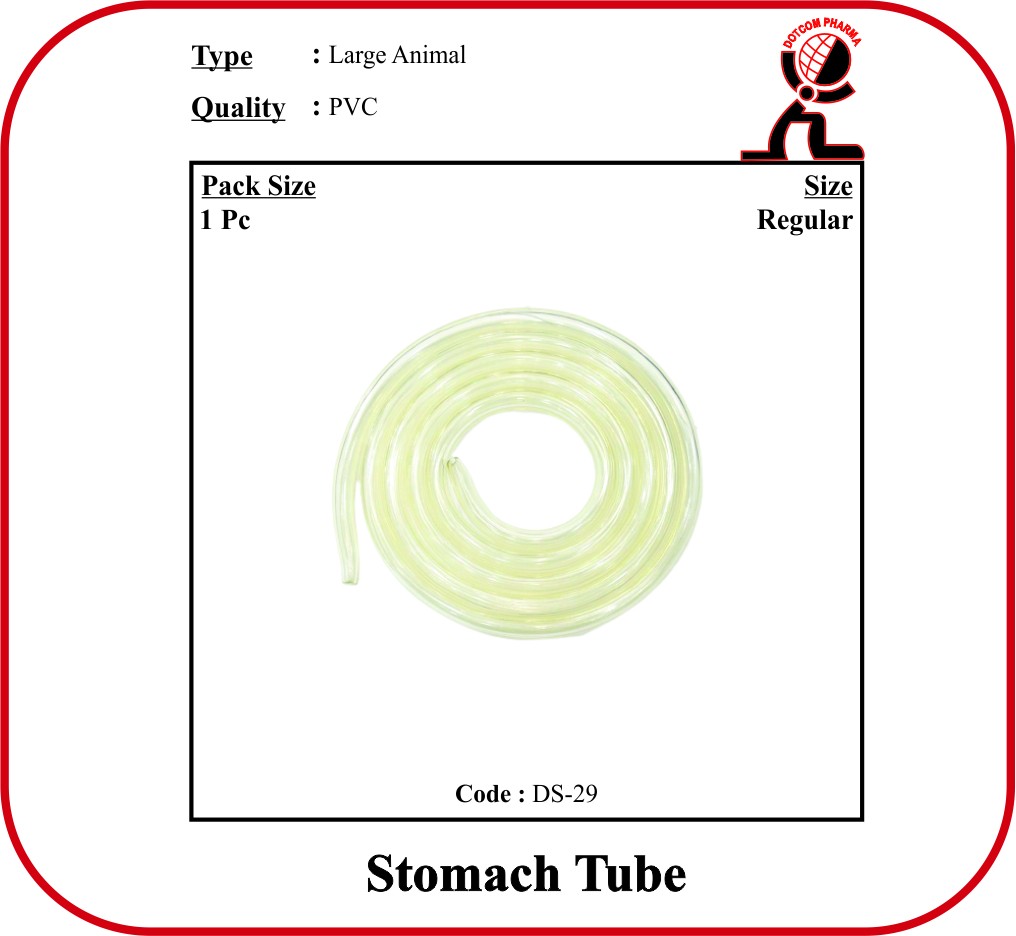
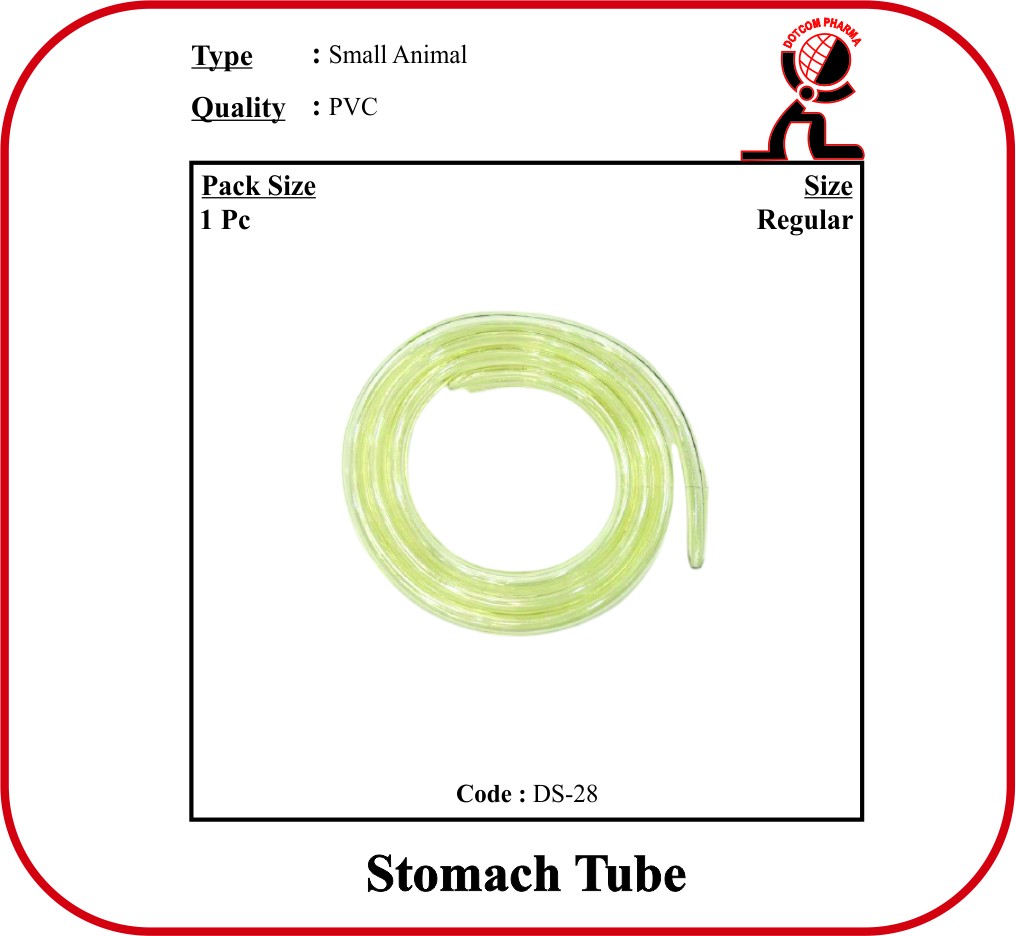
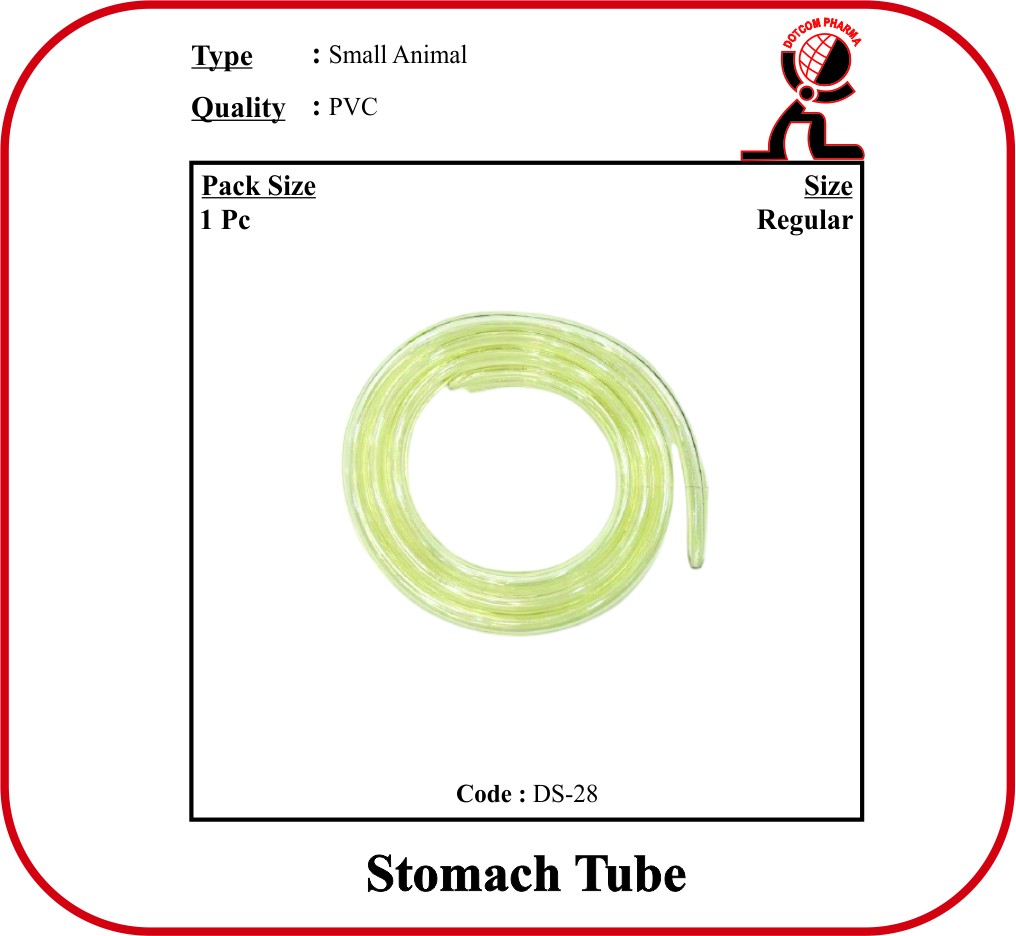
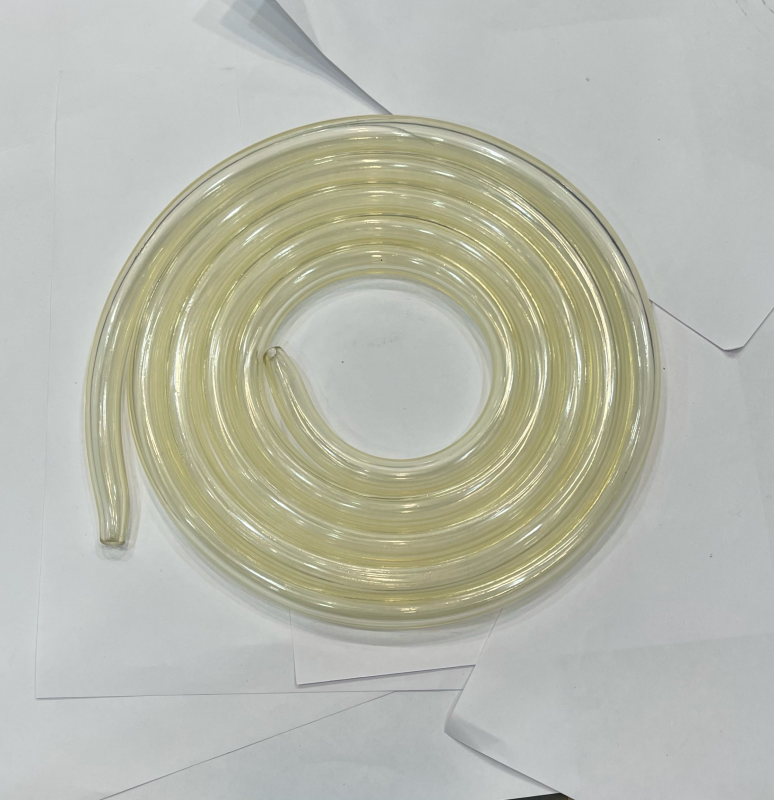
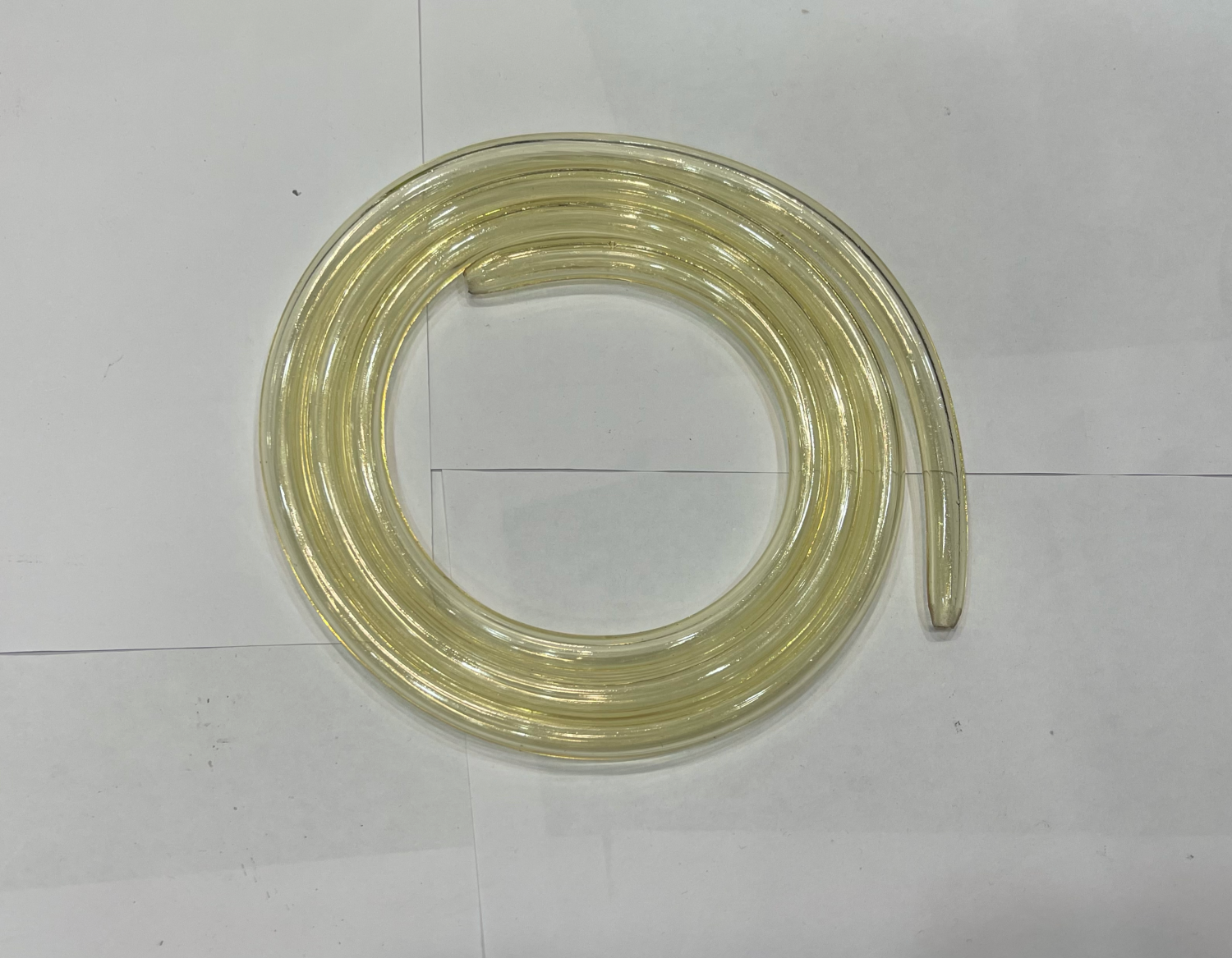
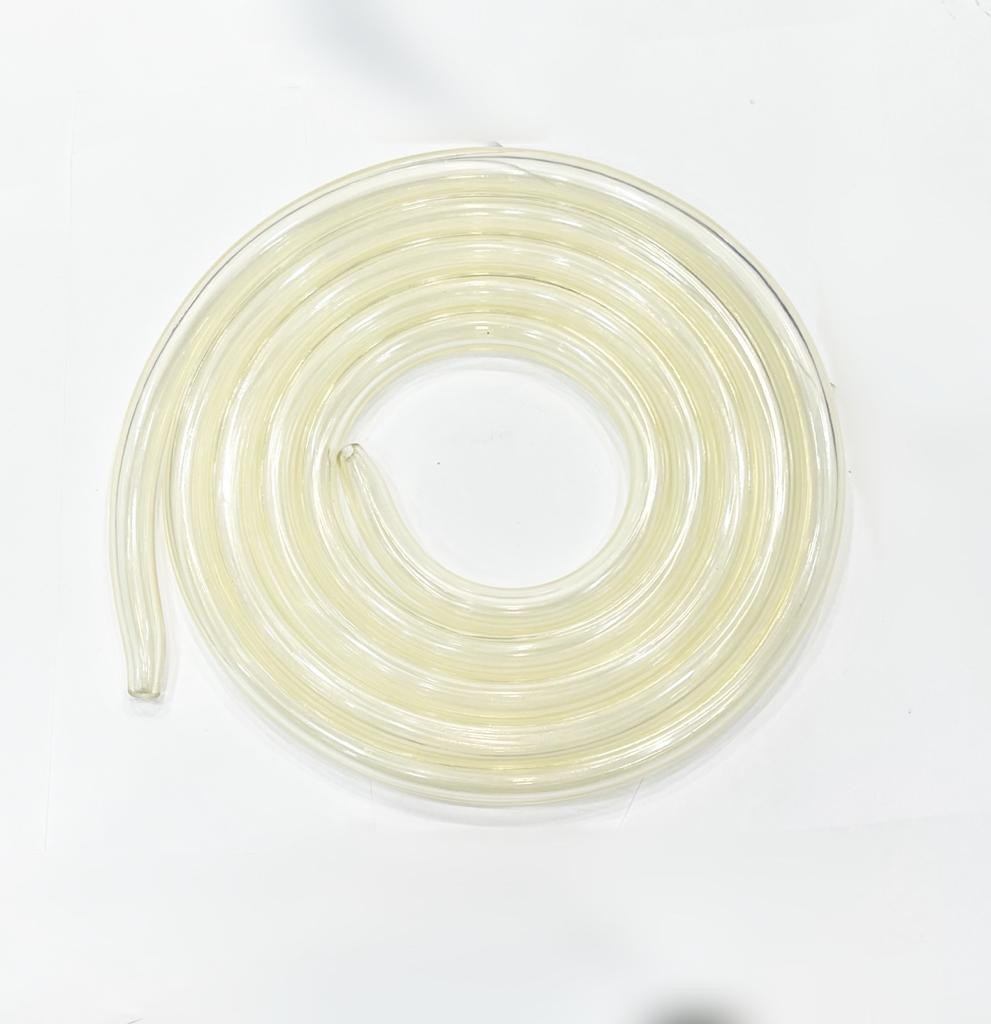
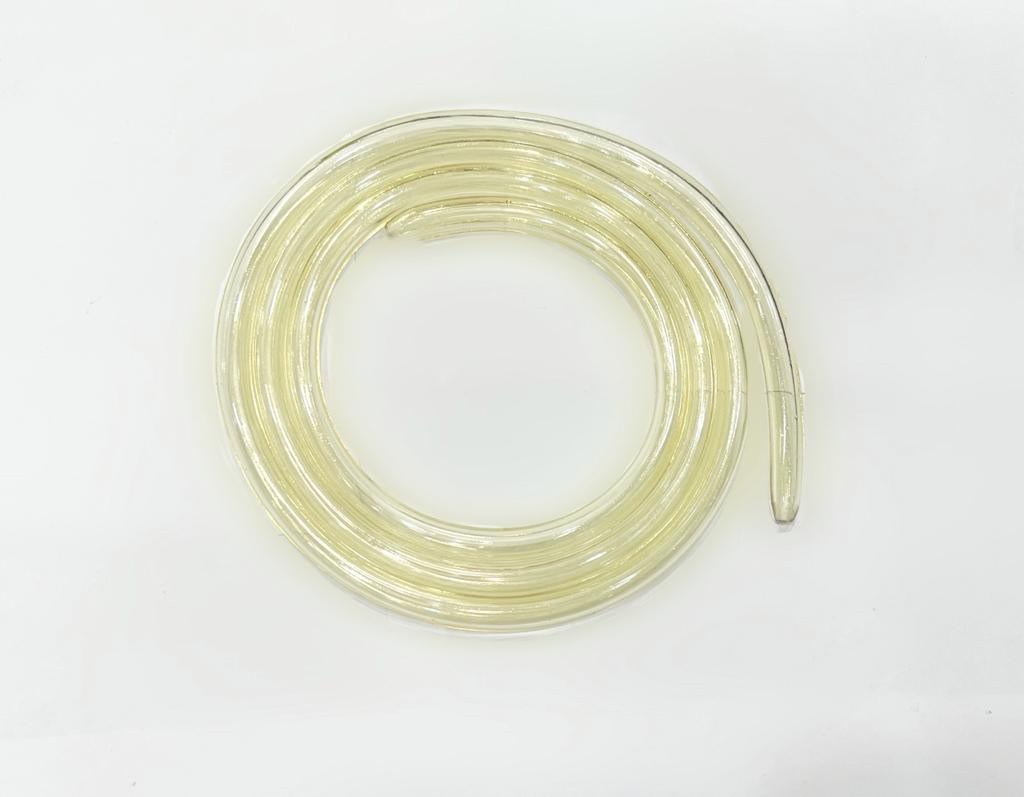
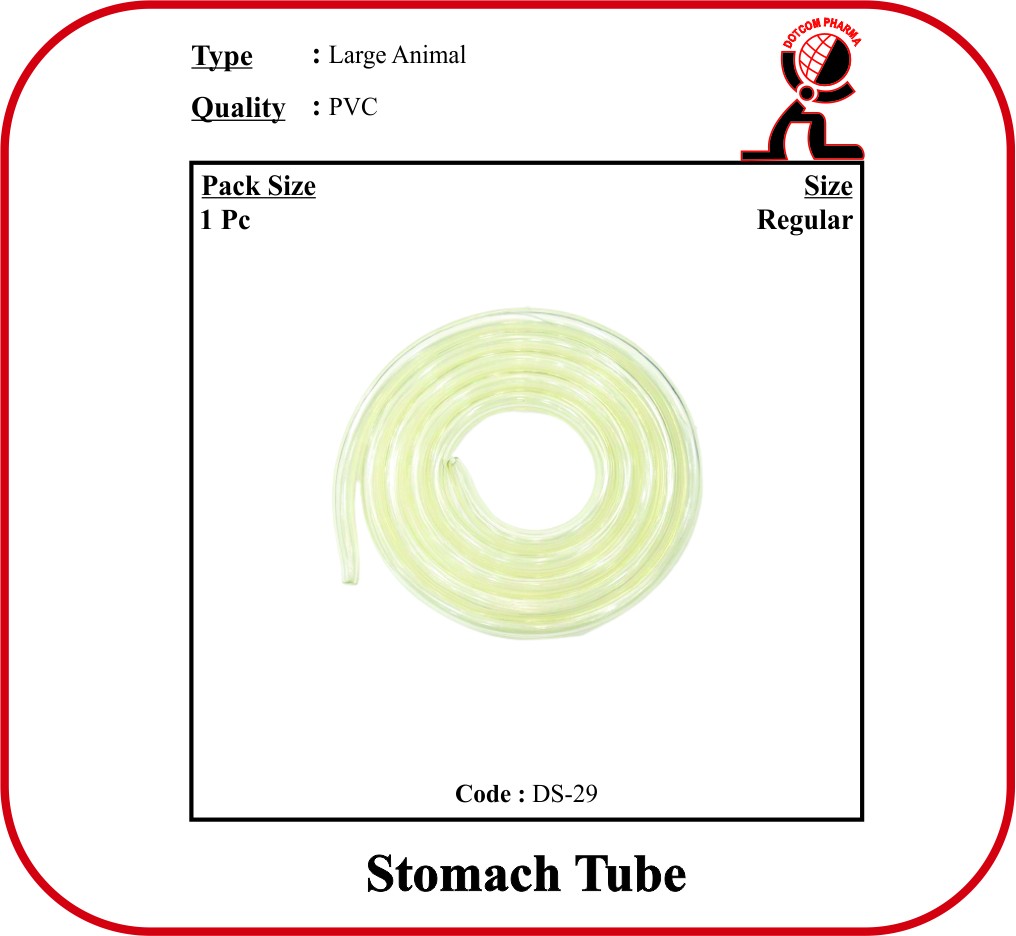
Stomach Tube
Drug Name
: NA
Drug Role
: The Stomach Tube is a flexible medical instrument designed for insertion into the stomach via the oesophagus or nasal passage.
NA
No
Ceritifcations:










Please login / register to buy or to get detailed information of the product
SKU:
Stock Available:
Batch / Lot. No:
Shelf life:
Manufacturing Date:
-
Expiry Date:
-
Minimum Pack Size:
Minimum Order Qty:
1
Pharma Categories:
• Surgical & Medical Tubes / Feeding & Drainage Equipment
Product Form:
• Available as reusable or disposable tubes, sterilized or non-sterilized packaging
Category:
Veterinary
Group:
N/A
Type:
VETERINARY INSTRUMENT
Material:
• Flexible, biocompatible, non-toxic medical silicone or PVC for patient comfort and safety • Resistant to kinking and easy to sterilize or dispose of (single-use variants available)
HSN Code:
90189099
HS Code:
9018.90
Country of Origin:
India
TAX:
5%
Qty per Piece:
Weight Of Each Piece(gm):
Piece Dimensions (L×W×H):
Qty per Buffer Box / Shrink Pack:
Weight of Buffer Box / Shrink Pack:
Buffer Dimensions (L×W×H):
Total Qty per Case:
Total Weight per Case:
Case Dimensions (L×W×H):
Weight / Volume:
Dimensions:
Inhouse product
The Stomach Tube is a flexible medical instrument designed for insertion into the stomach via the oesophagus or nasal passage. It is primarily used for gastric decompression, feeding, or administering medication directly into the stomach. Widely used in both veterinary and human medical practices, the stomach tube plays a critical role in managing patients with feeding difficulties or gastrointestinal issues.
• Material: Medical-grade silicone or PVC (polyvinyl chloride)
• Sizes: Available in multiple French sizes (6 Fr to 40 Fr) to accommodate different species and patient sizes
• Length: Various lengths available to suit different animals or human patients (typically 40 cm to 150 cm)
• Features: Smooth, rounded tip to minimize mucosal trauma; multiple side holes for drainage or feeding
• Flexible, biocompatible, non-toxic medical silicone or PVC for patient comfort and safety
• Resistant to kinking and easy to sterilize or dispose of (single-use variants available)
• Surgical & Medical Tubes / Feeding & Drainage Equipment
• Available as reusable or disposable tubes, sterilized or non-sterilized packaging
• Gastric decompression to remove gas or fluid from the stomach
• Enteral feeding for patients unable to swallow or eat normally
• Administration of medication directly into the stomach
• Provides direct access to the stomach for feeding or decompression
• Flexible material reduces patient discomfort
• Multiple sizes make it versatile for different patient types
• Can be used in emergency situations or routine care
• Requires careful insertion technique to avoid trauma or misplacement
• Risk of infection if not properly sterilized (for reusable types)
• Discomfort may be experienced by the patient during placement
• Always confirm correct placement by aspiration or imaging before use
• Maintain sterile technique during insertion to prevent infections
• Monitor patient for signs of distress or complications during use
• Disposable tubes are pre-sterilized; reusable tubes should be sterilized via autoclave or chemical sterilant
• Clean thoroughly after use if reusable, and inspect for any damage before next use
• Commonly used in large animals (e.g., cattle, horses) for gastric decompression and feeding
• Used in small animals for feeding, medication, or relief of bloat and gas
• Used in hospitals for patients with swallowing difficulties or gastric decompression needs
• Essential in critical care, surgery, and long-term feeding management
• HS Code: 9018.90
• HSN Code: 9018
Q: What is the primary use of a stomach tube? A: It is used for gastric decompression, feeding, or medication administration directly into the stomach.
Q: Are stomach tubes reusable?
A: Some are reusable with proper sterilization, while others are disposable for single use.
Q: How do you ensure the stomach tube is correctly placed?
A: Correct placement is confirmed by aspiration of stomach contents, imaging, or specific markings on the tube.
Q: Can stomach tubes be used on both humans and animals?
A: Yes, they are designed for use in both veterinary and human medical fields.
Q: What precautions should be taken during stomach tube use?
A: Use sterile technique, confirm placement, and monitor the patient closely for any complications.
Secure Transaction
100% secure payment
Top Brand
Trusted quality
Non Return
Due to hygiene