Eye Hook

Drug Name

: NA

Drug Role

: An Eye Hook is a surgical instrument primarily used in ophthalmology for manipulating the eye during surgery. It is designed to hold the eye in a specific position while the surgeon performs delicate procedures.

Schedule:
NA
Prescription Required:
No
Brand / Mfg:
DOTCOM PHARMA
/ Piece
MRP: Inclusive of all taxes
Discount Applied:
MRP
-
Price
-
-
Discount
-
-
+ Tax
-
-
Total You Save
-
You Save:
Type
Size
Quantity
(60 available)
Total Amount Product Wise:

Ceritifcations:

Certificate
Certificate
Certificate
Certificate
Certificate
Certificate
Certificate
Certificate
Certificate
Certificate

Please login / register to buy or to get detailed information of the product

SKU:

Stock Available:

Batch / Lot. No:

Shelf life:

Manufacturing Date:

-

Expiry Date:

-

Minimum Pack Size:

Minimum Order Qty:

1

Pharma Categories:

• Ophthalmic Instruments • Surgical Hooks

Product Form:

• Surgical Hook (Manual Tool)

Category:

Veterinary

Group:

N/A

Type:

1. Single End Eye Hook: One hook, typically used for specific manipulation of the eye. 2. Double End Eye Hook: Two hooks of different sizes or tip types for versatile use in the same procedure.

Material:

• Stainless Steel: High durability and corrosion resistance, ensures the hook remains sharp. • Titanium Coated: For added durability and resistance to rust and wear

HSN Code:

9018.90

HS Code:

9018.90.30

Country of Origin:

India

TAX:

5%

Qty per Piece:

Weight Of Each Piece:

Piece Dimensions (L×W×H):

Qty per Buffer Box / Shrink Pack:

Weight of Buffer Box / Shrink Pack:

Buffer Dimensions (L×W×H):

Total Qty per Case:

Total Weight per Case:

Case Dimensions (L×W×H):

Weight / Volume:

Dimensions:

Estimate Shipping Time: 10 Days

Inhouse product

An Eye Hook is a surgical instrument primarily used in ophthalmology for manipulating the eye during surgery. It is designed to hold the eye in a specific position while the surgeon performs delicate procedures. The hook is especially useful for handling the eye in cataract surgery, glaucoma surgery, and other ocular surgeries.

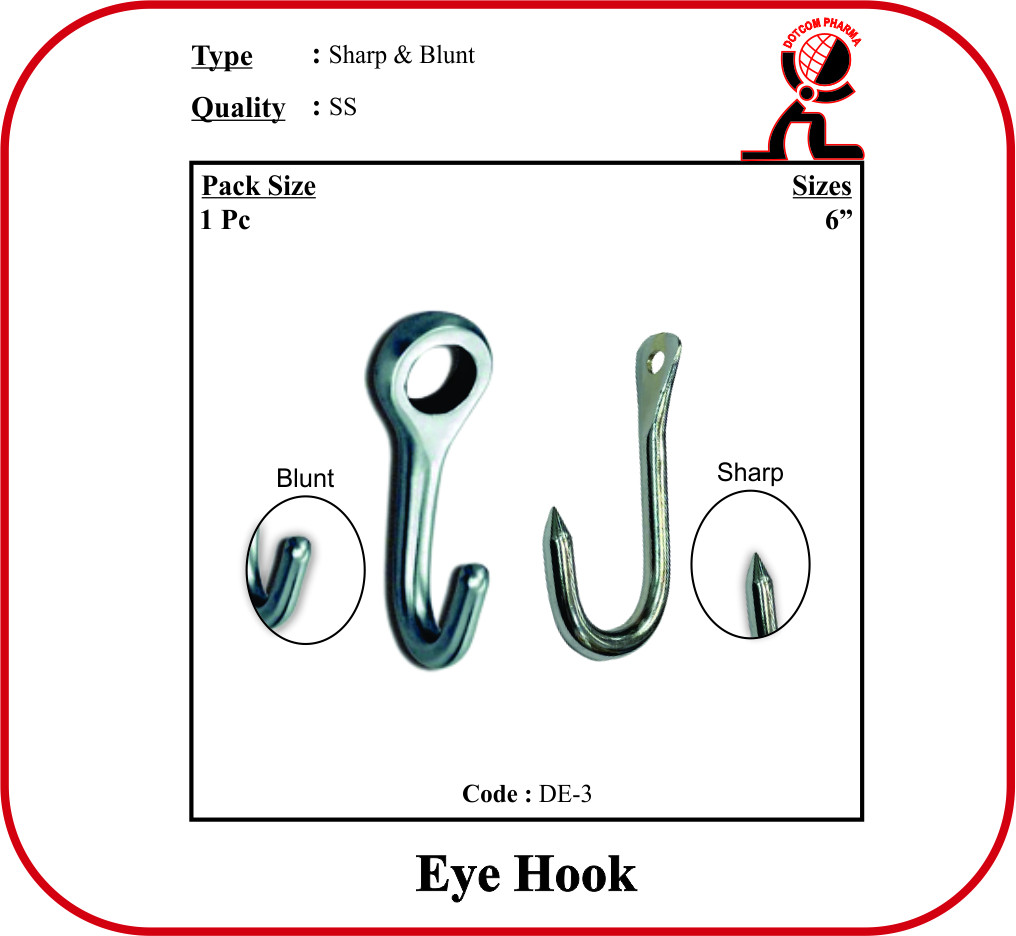
The Eye Hook is available in different sizes, and can have either sharp or blunt tips depending on the surgical needs. Sharp tips are used for more precise manipulation, while blunt tips are typically preferred for softer, less invasive manoeuvres.

•  Material: Stainless Steel or Titanium (for superior strength and corrosion resistance)

•  Finish: Satin or Mirror finish for easy cleaning and rust resistance

•  Handle Type: Ergonomically designed for a firm grip

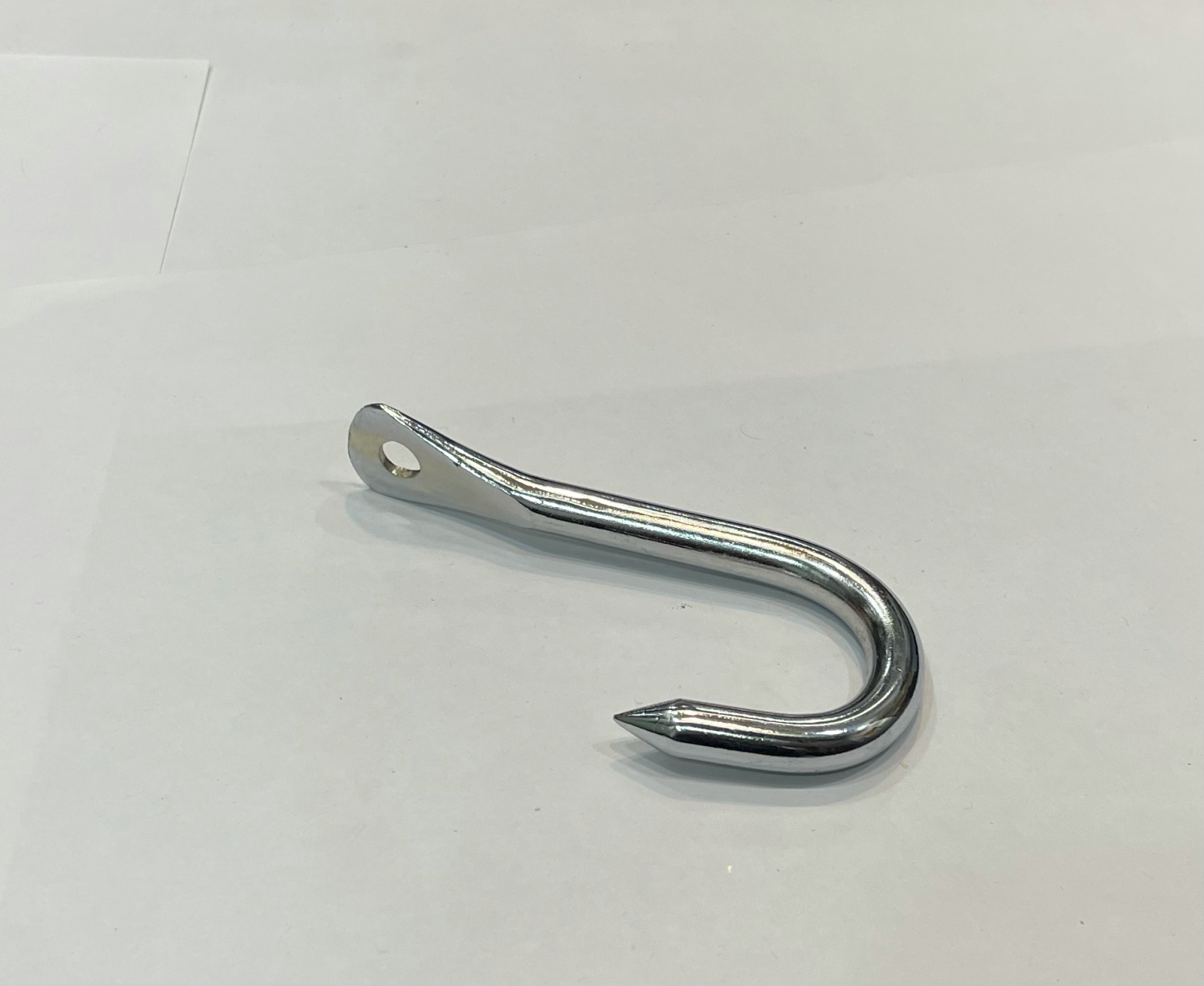
•  Hook Shape: Slight curve, designed to fit securely around the eye

•  Size 2: Small size, ideal for paediatric or delicate surgeries.

•  Size 4: Medium size, for general ophthalmic use.

•  Size 6: Larger size, used in more invasive procedures or in adult patients with larger eyes.

•  Sharp: For precision, often used for holding tissues or making delicate adjustments.

•  Blunt: Less invasive, used when gentler manipulation is needed to avoid trauma to the eye.

1.  Single End Eye Hook: One hook, typically used for specific manipulation of the eye.

2.  Double End Eye Hook: Two hooks of different sizes or tip types for versatile use in the same procedure.

•  Stainless Steel: High durability and corrosion resistance, ensures the hook remains sharp.

•  Titanium Coated: For added durability and resistance to rust and wear.

•  Ophthalmic Instruments

•  Surgical Hooks

•  Surgical Hook (Manual Tool)

•  Human Applications: Used in ophthalmic surgeries such as cataract removal, glaucoma surgery, and retinal surgeries.

•  Veterinary Applications: Used in animal eye surgeries, particularly in larger animals where more precision is needed.

•  Precision: Offers controlled manipulation of delicate eye tissues.

•  Versatility: Available in multiple sizes and tip configurations for different needs.

•  Ergonomic Handle: Designed for ease of use during long surgeries.

•  Skill Required: Precise handling is necessary to avoid causing injury to the eye.

•  Limited Use: Primarily used in ophthalmic surgeries, not suitable for general surgeries.

•  Can be Expensive: Depending on the material and brand, these instruments can be costly.

•  Always ensure the hook is sterilized properly before use.

•  Use gentle pressure to avoid causing trauma to the eye.

•  Check for any wear or damage before each use.

•  HS Code: 9018.90.30 (Medical and Surgical Instruments)

•  HSN Code: 9018.90 (Surgical Instruments for Ophthalmology)

•  Clean thoroughly after each use with a medical-grade disinfectant.

• Sterilize the Eye Hook after each procedure to ensure patient safety.

•  Store in a secure, dry place to prevent damage.

•  Can be sterilized using autoclaving (steam sterilization) or chemical sterilization.

•  Recommended autoclave temperature: 121°C to 134°C for 15-20 minutes.

•  Ensure the instrument is fully dry before storing to prevent rust.

•  Ophthalmic Surgeries: Used in various eye surgeries, including cataract and retinal surgery.

•  Glaucoma Surgery: Helps in the repositioning of the eye during surgery.

•  Corneal Procedures: Assists with manipulating and holding the eye in delicate procedures.

•  Animal Eye Surgeries: Used in procedures requiring fine control of the eye, such as in veterinary ophthalmology for pets and larger animals like horses and cattle.

1.  What is an Eye Hook used for?

ANS: An Eye Hook is used in ophthalmic surgeries to manipulate and hold the eye in place during delicate procedures such as cataract surgery, retinal surgery, and glaucoma surgery.

2.  What are the different sizes of Eye Hooks?

ANS: Eye Hooks come in Size 2, Size 4, and Size 6, with each size designed for different types of surgeries and eye sizes.

3. What is the difference between a sharp and blunt Eye Hook?

ANS: A sharp Eye Hook is used for precise tissue manipulation and holding, while a blunt Eye Hook is gentler and is used to avoid trauma to the eye.

4.  Can Eye Hooks be used in veterinary medicine?
 ANS: Yes, Eye Hooks are used in veterinary ophthalmic surgeries, especially for larger animals such as horses and cattle, where precision is required.

5.  How do I sterilize an Eye Hook?
ANS: Eye Hooks can be sterilized using autoclaving at 121°C to 134°C for 15-20 minutes or through chemical sterilization methods.

Secure Transaction

100% secure payment

Top Brand

Trusted quality

Non Return

Due to hygiene
Refund
Not Applicable
Share
Top Selling Products
0 out of 5.0
(0 reviews)
There have been no reviews for this product yet.

An Eye Hook is a surgical instrument primarily used in ophthalmology for manipulating the eye during surgery. It is designed to hold the eye in a specific position while the surgeon performs delicate procedures. The hook is especially useful for handling the eye in cataract surgery, glaucoma surgery, and other ocular surgeries.

The Eye Hook is available in different sizes, and can have either sharp or blunt tips depending on the surgical needs. Sharp tips are used for more precise manipulation, while blunt tips are typically preferred for softer, less invasive manoeuvres.

•  Material: Stainless Steel or Titanium (for superior strength and corrosion resistance)

•  Finish: Satin or Mirror finish for easy cleaning and rust resistance

•  Handle Type: Ergonomically designed for a firm grip

•  Hook Shape: Slight curve, designed to fit securely around the eye

•  Size 2: Small size, ideal for paediatric or delicate surgeries.

•  Size 4: Medium size, for general ophthalmic use.

•  Size 6: Larger size, used in more invasive procedures or in adult patients with larger eyes.

•  Sharp: For precision, often used for holding tissues or making delicate adjustments.

•  Blunt: Less invasive, used when gentler manipulation is needed to avoid trauma to the eye.

1.  Single End Eye Hook: One hook, typically used for specific manipulation of the eye.

2.  Double End Eye Hook: Two hooks of different sizes or tip types for versatile use in the same procedure.

•  Stainless Steel: High durability and corrosion resistance, ensures the hook remains sharp.

•  Titanium Coated: For added durability and resistance to rust and wear.

•  Ophthalmic Instruments

•  Surgical Hooks

•  Surgical Hook (Manual Tool)

•  Human Applications: Used in ophthalmic surgeries such as cataract removal, glaucoma surgery, and retinal surgeries.

•  Veterinary Applications: Used in animal eye surgeries, particularly in larger animals where more precision is needed.

•  Precision: Offers controlled manipulation of delicate eye tissues.

•  Versatility: Available in multiple sizes and tip configurations for different needs.

•  Ergonomic Handle: Designed for ease of use during long surgeries.

•  Skill Required: Precise handling is necessary to avoid causing injury to the eye.

•  Limited Use: Primarily used in ophthalmic surgeries, not suitable for general surgeries.

•  Can be Expensive: Depending on the material and brand, these instruments can be costly.

•  Always ensure the hook is sterilized properly before use.

•  Use gentle pressure to avoid causing trauma to the eye.

•  Check for any wear or damage before each use.

•  HS Code: 9018.90.30 (Medical and Surgical Instruments)

•  HSN Code: 9018.90 (Surgical Instruments for Ophthalmology)

•  Clean thoroughly after each use with a medical-grade disinfectant.

• Sterilize the Eye Hook after each procedure to ensure patient safety.

•  Store in a secure, dry place to prevent damage.

•  Can be sterilized using autoclaving (steam sterilization) or chemical sterilization.

•  Recommended autoclave temperature: 121°C to 134°C for 15-20 minutes.

•  Ensure the instrument is fully dry before storing to prevent rust.

•  Ophthalmic Surgeries: Used in various eye surgeries, including cataract and retinal surgery.

•  Glaucoma Surgery: Helps in the repositioning of the eye during surgery.

•  Corneal Procedures: Assists with manipulating and holding the eye in delicate procedures.

•  Animal Eye Surgeries: Used in procedures requiring fine control of the eye, such as in veterinary ophthalmology for pets and larger animals like horses and cattle.

1.  What is an Eye Hook used for?

ANS: An Eye Hook is used in ophthalmic surgeries to manipulate and hold the eye in place during delicate procedures such as cataract surgery, retinal surgery, and glaucoma surgery.

2.  What are the different sizes of Eye Hooks?

ANS: Eye Hooks come in Size 2, Size 4, and Size 6, with each size designed for different types of surgeries and eye sizes.

3. What is the difference between a sharp and blunt Eye Hook?

ANS: A sharp Eye Hook is used for precise tissue manipulation and holding, while a blunt Eye Hook is gentler and is used to avoid trauma to the eye.

4.  Can Eye Hooks be used in veterinary medicine?
 ANS: Yes, Eye Hooks are used in veterinary ophthalmic surgeries, especially for larger animals such as horses and cattle, where precision is required.

5.  How do I sterilize an Eye Hook?
ANS: Eye Hooks can be sterilized using autoclaving at 121°C to 134°C for 15-20 minutes or through chemical sterilization methods.

0 out of 5.0
(0 reviews)
There have been no reviews for this product yet.

More From Instruments

Top Selling Products
Search any image
Drag an image here or upload a file
Or