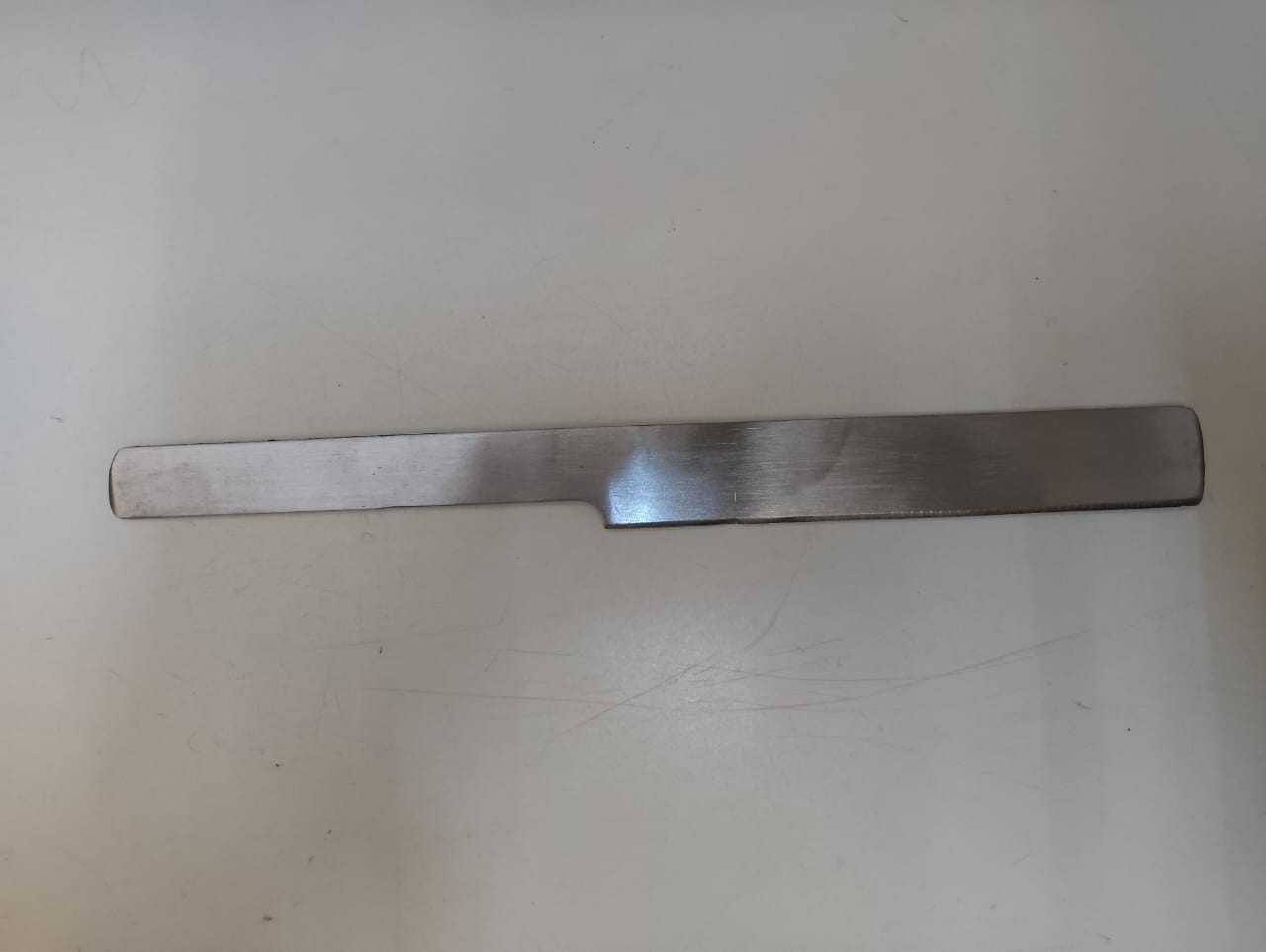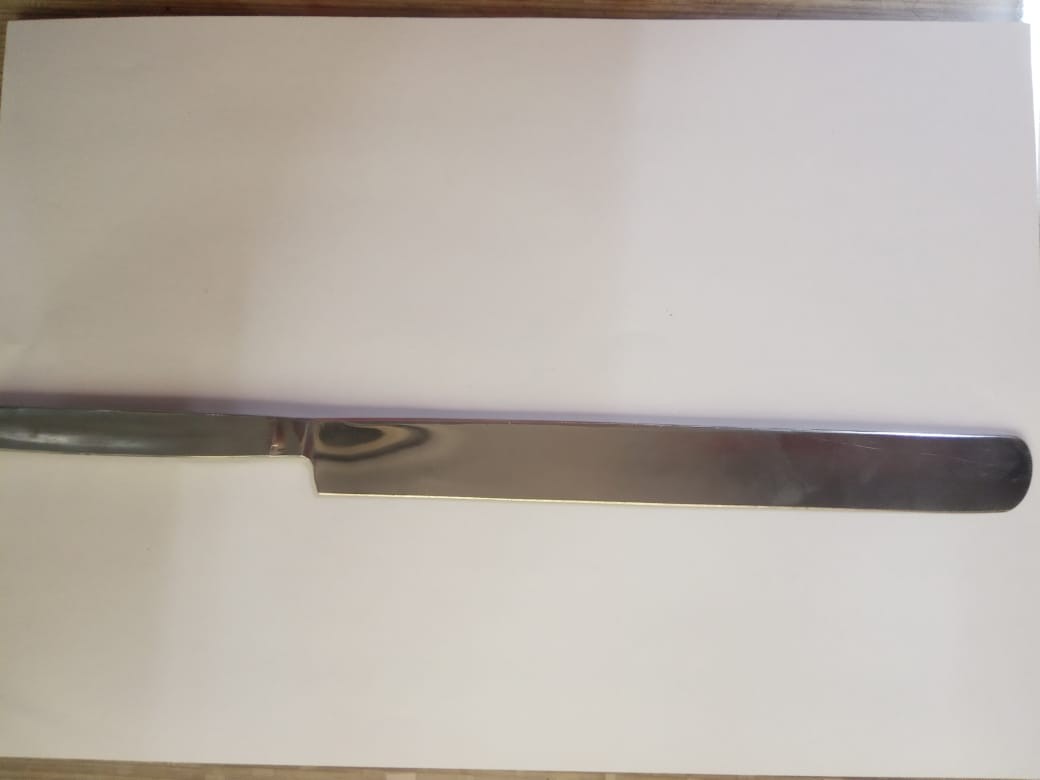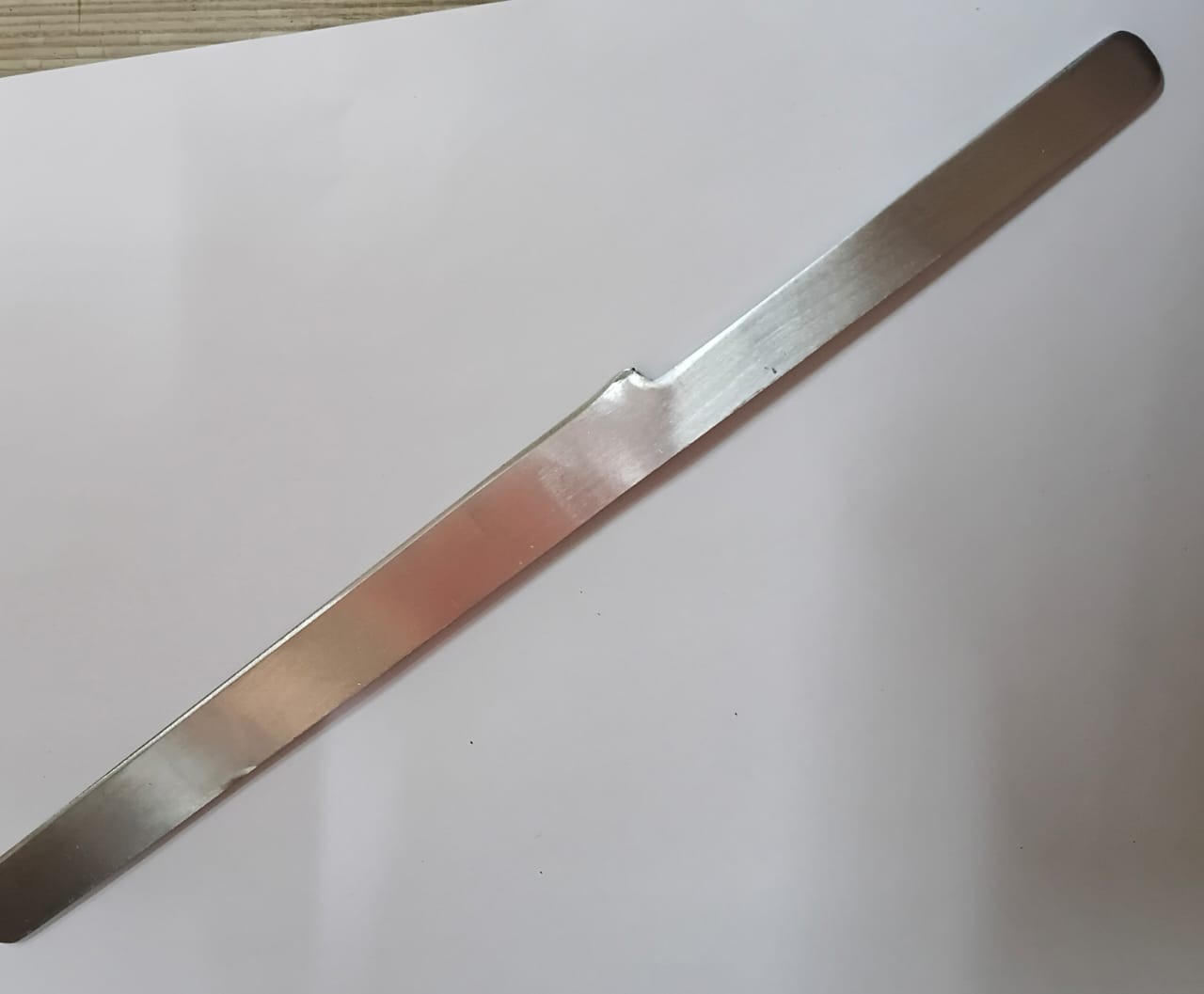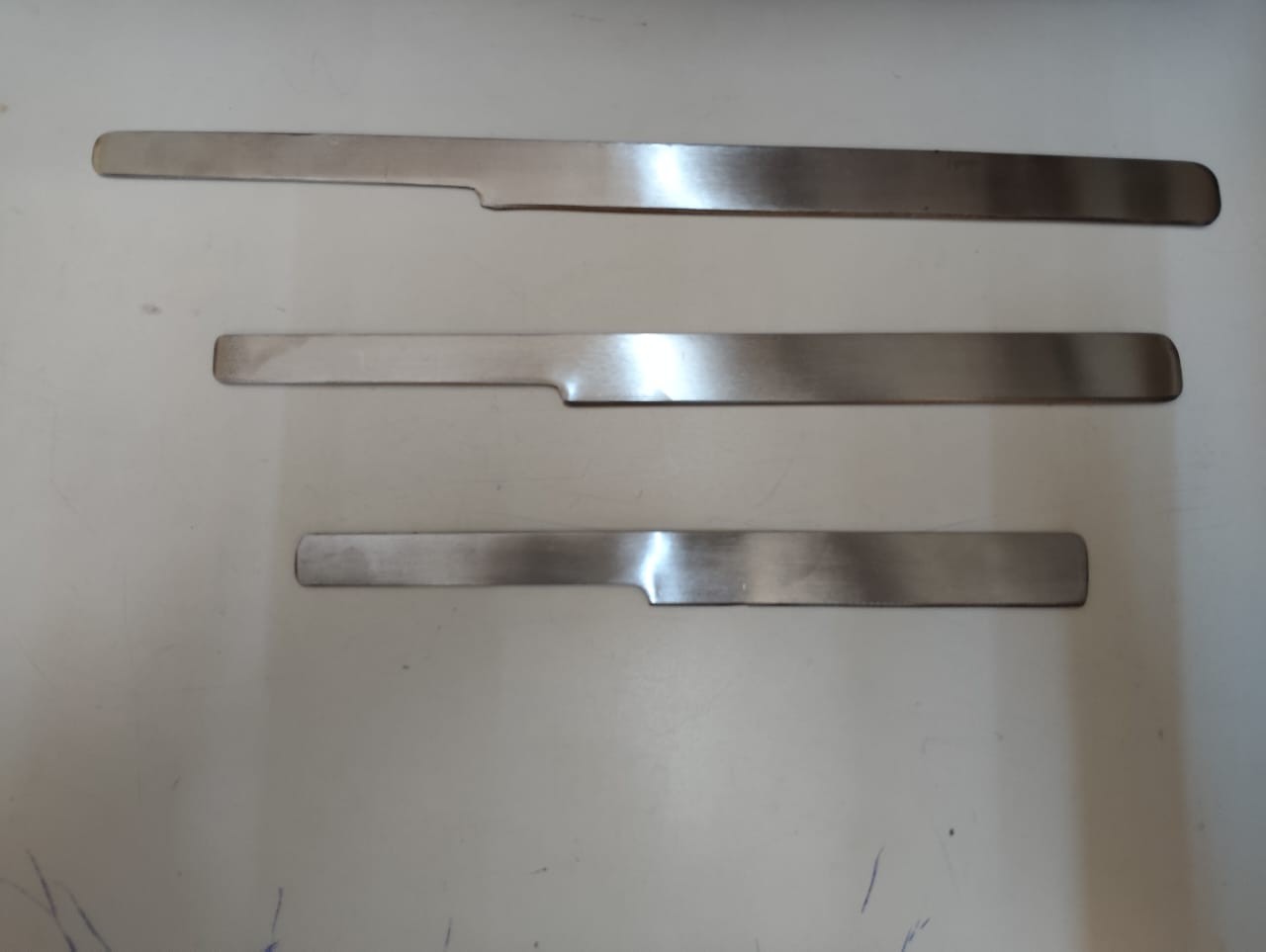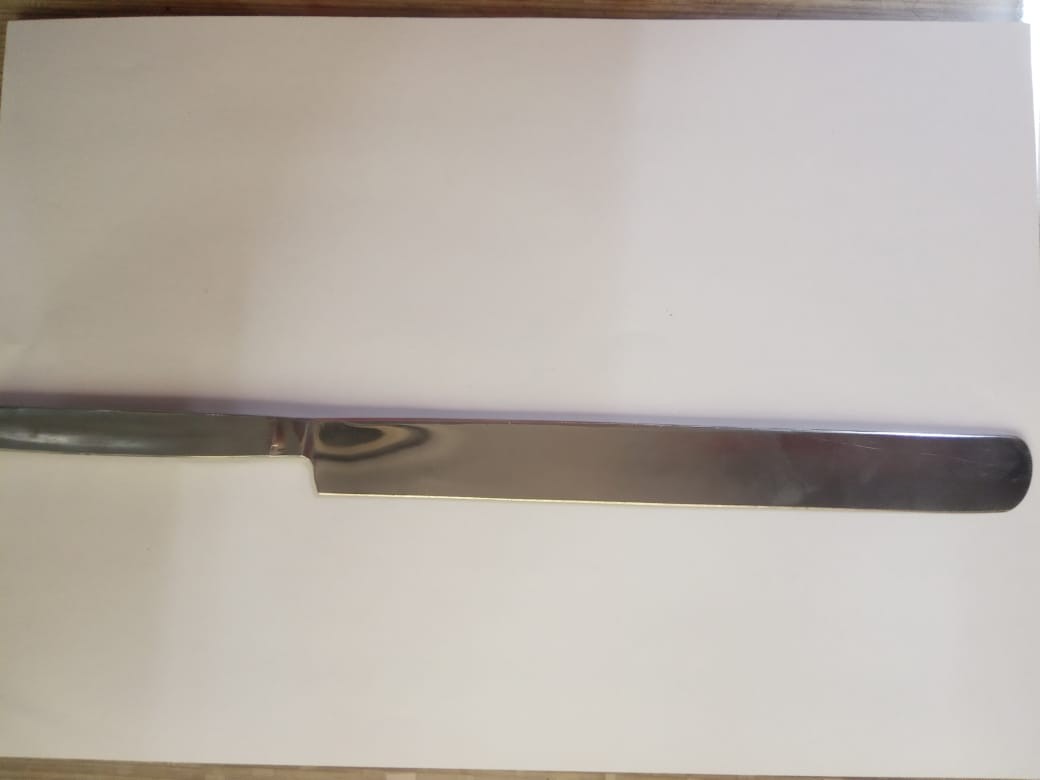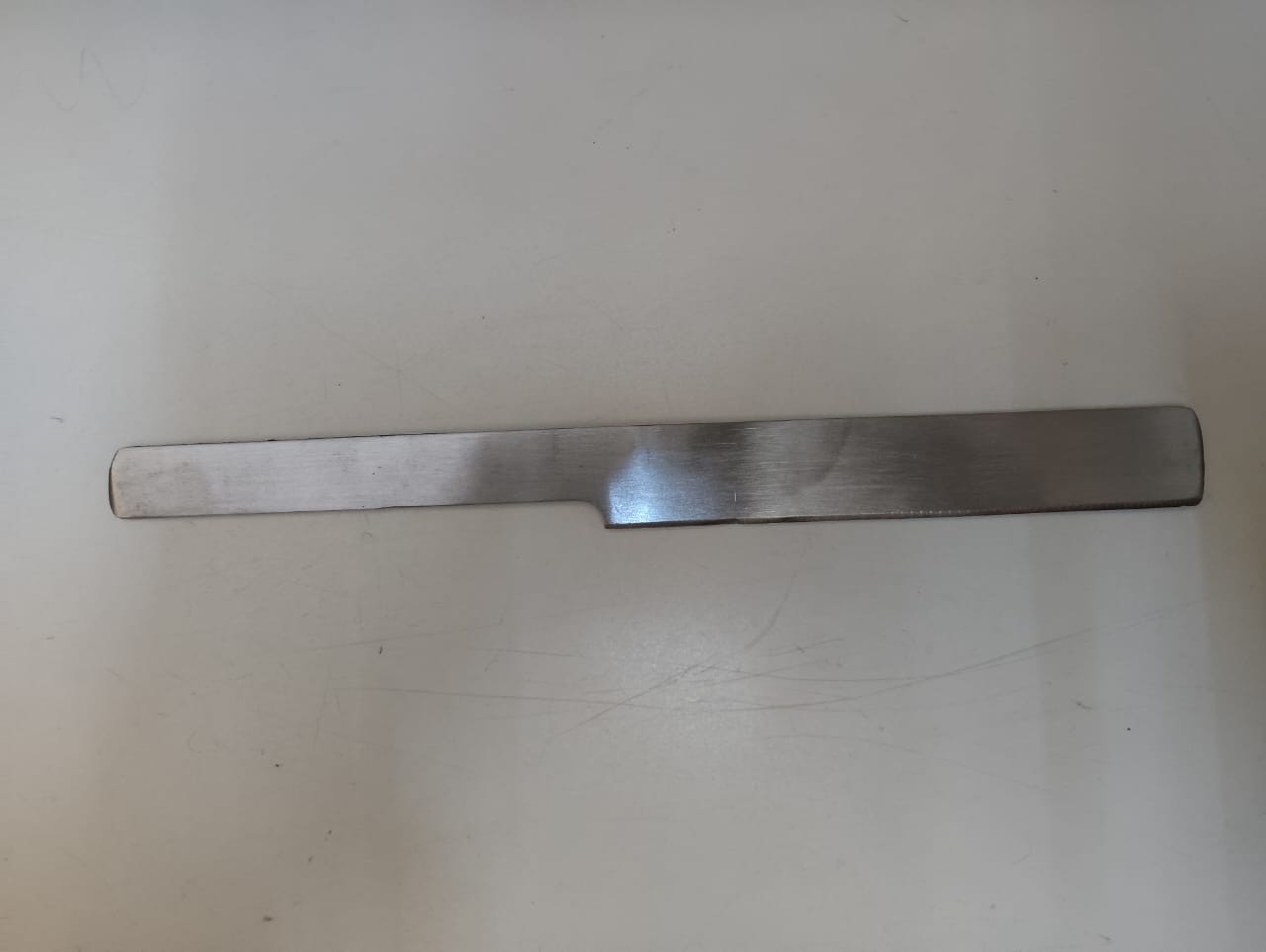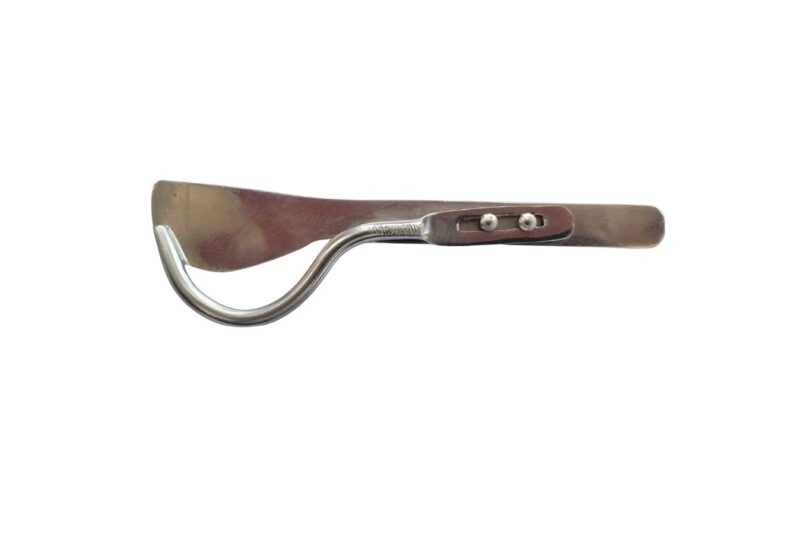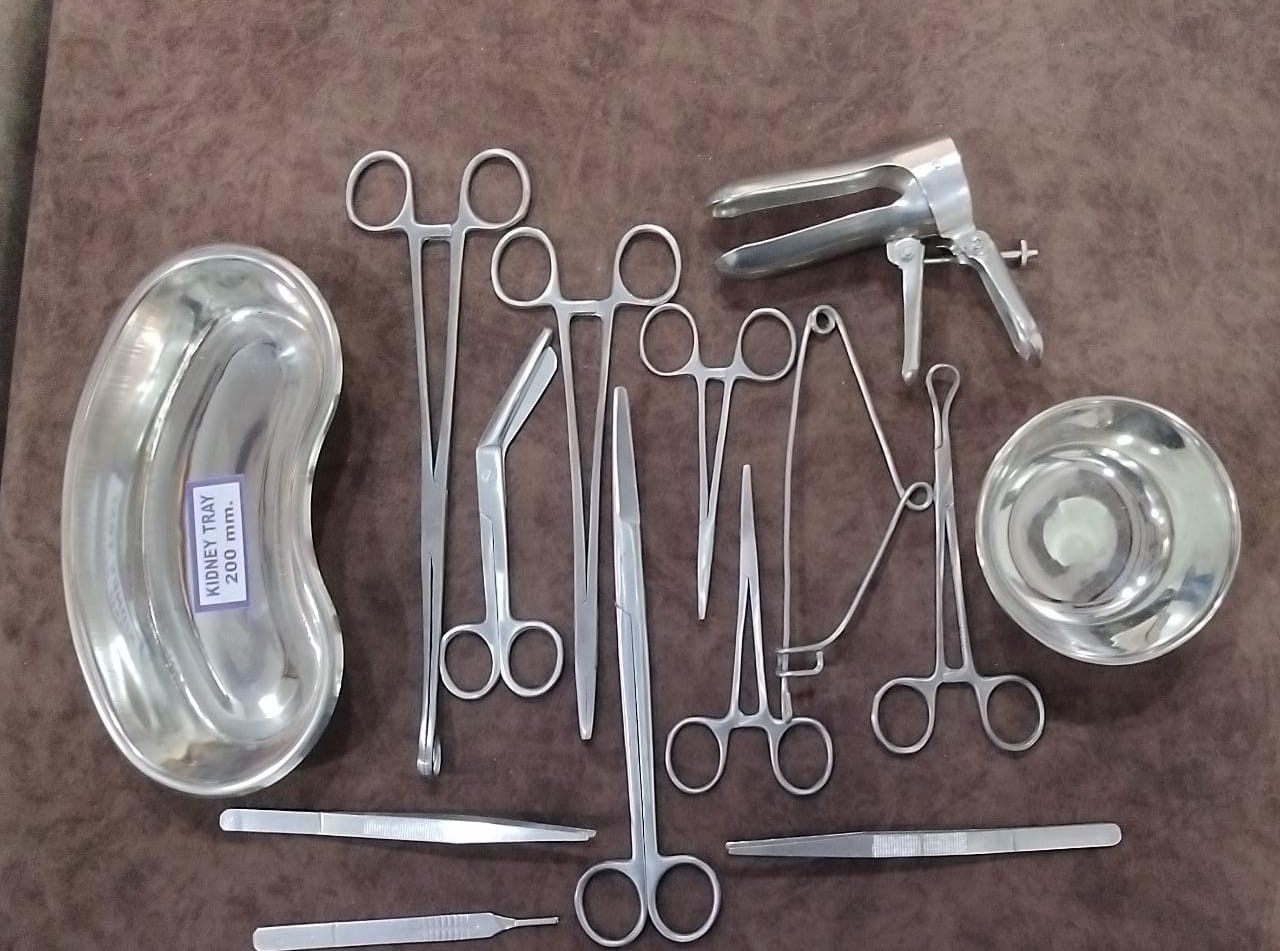
Brain Knife

Drug Name

: NA

Drug Role

: The Brain Knife is a neurosurgical dissection instrument designed to cut soft brain tissue during postmortem examination or surgical procedures. It typically features a long, thin, flat, stainless steel blade for precise slicing, and is used in autopsy su

Schedule:
NA
Prescription Required:
No
Brand / Mfg:
DOTCOM PHARMA
/ Piece
MRP: Inclusive of all taxes
Discount Applied:
MRP
-
Price
-
-
Discount
-
-
+ Tax
-
-
Total You Save
-
You Save:
Type
Size
Quality
Made
Quantity
(300 available)
Total Amount Product Wise:

Ceritifcations:

Certificate
Certificate
Certificate
Certificate
Certificate
Certificate
Certificate
Certificate
Certificate
Certificate

Please login / register to buy or to get detailed information of the product

SKU:

Stock Available:

Batch / Lot. No:

Shelf life:

Manufacturing Date:

-

Expiry Date:

-

Minimum Pack Size:

Minimum Order Qty:

1

HSN Code:

9018.90

HS Code:

9018

Country of Origin:

Imported

TAX:

5%

Qty per Piece:

Weight Of Each Piece:

Piece Dimensions (L×W×H):

Qty per Buffer Box / Shrink Pack:

Weight of Buffer Box / Shrink Pack:

Buffer Dimensions (L×W×H):

Total Qty per Case:

Total Weight per Case:

Case Dimensions (L×W×H):

Weight / Volume:

Dimensions:

Estimate Shipping Time: 7 Days

Inhouse product

The Brain Knife is a neurosurgical dissection instrument designed to cut soft brain tissue during postmortem examination or surgical procedures.

           Feature                                                                                                                                                         Description

   Instrument Name                                                                                                                                        Brain Knife / Brain Dissection Knife

   Blade Type                                                                                                                                                   Straight, smooth-edged Blade

   Length                                                                                                                                                           10″ – 14″ (250 – 360 mm)

  Blade Width                                                                                                                                                  Approx. 1–1.5 cm Handle Integral or attached (plastic or metal)

  Edge Type                                                                                                                                                      Non-serrated, razor-sharp

  Weight                                                                                                                                                            Lightweight (60–150 grams approx.)

  Construction                                                                                                                                                 One-piece or jointed (blade + handle)


         Size                                   Blade Length                               Total Length                                      Common Use

 Standard                                10" – 12"                                           ~14"                                          General postmortem use

 Long Blade                             13" – 14"                                           ~16"                                         Deep tissue slicing

               Shape:  Flat, elongated rectangular blade with blunt or rounded tip.

•   Blade: Surgical-grade stainless steel (corrosion-resistant)

•  Handle:

o  Stainless steel (one-piece)

o  High-grade plastic (ergonomic, non-slip grip)

o  Wood (rare, traditional use)

•  Category: Surgical / Postmortem Instruments → Cutting Instruments

•  Form: Manual handheld precision cutting tool

•  Subcategory: Autopsy Knife / Pathology Knife

Used In:

•   Postmortem/autopsy labs

•   Neuropathology

•   Forensic medicine

•   Surgical histopathology (tissue sectioning)

Applications:

•   Slicing brain hemispheres for examination

•   Creating even cross-sections of cerebrum, cerebellum

•   Sampling brain tissues for pathology

•    Precise dissection in academic labs

•   Long blade allows full cross-section cuts of brain tissue

•   Sharp edge delivers clean, smooth slices for microscopic study

•   Stainless steel is non-corrosive and easy to sterilize

•   Ergonomic grip (in plastic/metal handle models) improves control

•   Lightweight for repetitive precision slicing

 •   Not suitable for hard tissue (skull, bone)

•   Requires regular sharpening or replacement

•   Improper handling can cause accidental lacerations

•   Limited to soft tissue – not multipurpose

•   Manual force needed; not automated

•   Always wear cut-resistant gloves while handling

•   Sterilize before and after each use

•   Store in sheath or instrument tray to avoid injuries

•   Use only for brain or soft tissue; avoid contact with bone

•   Check for any nicks or dullness in blade before use

   Material Type                                                               Sterilization Method

Stainless Steel                                                 Autoclave (121°C, 15–20 min) or chemical soak

Plastic Handle Type Autoclave-compatible or cold sterilization

After Use Wash with enzymatic cleaner; dry thoroughly

Storage Keep in dry tray or blade guard case

          Field                                                                                     Application Example

Human Pathology                                                               Brain cross-sectioning in autopsies

Forensic Medicine                                                              Neurological forensics; brain trauma assessment

 Veterinary Pathology                                                  Animal necropsy and tissue examination

 Academic Research                                                    Lab dissections for educational purposes  

         Region                                                  HS/HSN Code                                          Description

         India                                                      9018.90                                               Surgical instruments, others

         International                                       9018                                                     Medical or veterinary instruments

Q1. What is the difference between a brain knife and a regular scalpel?

  Brain knives have longer, broader blades designed for smooth slicing of brain tissue, whereas scalpels are for short, sharp             incisions.

Q2. Can brain knives be sterilized in an autoclave?

  Yes, stainless steel brain knives are fully autoclavable.

Q3. Are disposable brain knives available?

  Most are reusable, but some manufacturers may offer disposable variants (plastic/steel hybrid).

Q4. Is it used only in postmortem exams?

  Primarily, but also used in neurological research, forensics, and educational dissections.

Q5. What is the ideal length for standard use?

  Around 10"–12" blade with a total length of 14"–16" is common in pathology.

Secure Transaction

100% secure payment

Top Brand

Trusted quality

Non Return

Due to hygiene
Refund
Not Applicable
Share
Top Selling Products
0 out of 5.0
(0 reviews)
There have been no reviews for this product yet.

The Brain Knife is a neurosurgical dissection instrument designed to cut soft brain tissue during postmortem examination or surgical procedures.

           Feature                                                                                                                                                         Description

   Instrument Name                                                                                                                                        Brain Knife / Brain Dissection Knife

   Blade Type                                                                                                                                                   Straight, smooth-edged Blade

   Length                                                                                                                                                           10″ – 14″ (250 – 360 mm)

  Blade Width                                                                                                                                                  Approx. 1–1.5 cm Handle Integral or attached (plastic or metal)

  Edge Type                                                                                                                                                      Non-serrated, razor-sharp

  Weight                                                                                                                                                            Lightweight (60–150 grams approx.)

  Construction                                                                                                                                                 One-piece or jointed (blade + handle)


         Size                                   Blade Length                               Total Length                                      Common Use

 Standard                                10" – 12"                                           ~14"                                          General postmortem use

 Long Blade                             13" – 14"                                           ~16"                                         Deep tissue slicing

               Shape:  Flat, elongated rectangular blade with blunt or rounded tip.

•   Blade: Surgical-grade stainless steel (corrosion-resistant)

•  Handle:

o  Stainless steel (one-piece)

o  High-grade plastic (ergonomic, non-slip grip)

o  Wood (rare, traditional use)

•  Category: Surgical / Postmortem Instruments → Cutting Instruments

•  Form: Manual handheld precision cutting tool

•  Subcategory: Autopsy Knife / Pathology Knife

Used In:

•   Postmortem/autopsy labs

•   Neuropathology

•   Forensic medicine

•   Surgical histopathology (tissue sectioning)

Applications:

•   Slicing brain hemispheres for examination

•   Creating even cross-sections of cerebrum, cerebellum

•   Sampling brain tissues for pathology

•    Precise dissection in academic labs

•   Long blade allows full cross-section cuts of brain tissue

•   Sharp edge delivers clean, smooth slices for microscopic study

•   Stainless steel is non-corrosive and easy to sterilize

•   Ergonomic grip (in plastic/metal handle models) improves control

•   Lightweight for repetitive precision slicing

 •   Not suitable for hard tissue (skull, bone)

•   Requires regular sharpening or replacement

•   Improper handling can cause accidental lacerations

•   Limited to soft tissue – not multipurpose

•   Manual force needed; not automated

•   Always wear cut-resistant gloves while handling

•   Sterilize before and after each use

•   Store in sheath or instrument tray to avoid injuries

•   Use only for brain or soft tissue; avoid contact with bone

•   Check for any nicks or dullness in blade before use

   Material Type                                                               Sterilization Method

Stainless Steel                                                 Autoclave (121°C, 15–20 min) or chemical soak

Plastic Handle Type Autoclave-compatible or cold sterilization

After Use Wash with enzymatic cleaner; dry thoroughly

Storage Keep in dry tray or blade guard case

          Field                                                                                     Application Example

Human Pathology                                                               Brain cross-sectioning in autopsies

Forensic Medicine                                                              Neurological forensics; brain trauma assessment

 Veterinary Pathology                                                  Animal necropsy and tissue examination

 Academic Research                                                    Lab dissections for educational purposes  

         Region                                                  HS/HSN Code                                          Description

         India                                                      9018.90                                               Surgical instruments, others

         International                                       9018                                                     Medical or veterinary instruments

Q1. What is the difference between a brain knife and a regular scalpel?

  Brain knives have longer, broader blades designed for smooth slicing of brain tissue, whereas scalpels are for short, sharp             incisions.

Q2. Can brain knives be sterilized in an autoclave?

  Yes, stainless steel brain knives are fully autoclavable.

Q3. Are disposable brain knives available?

  Most are reusable, but some manufacturers may offer disposable variants (plastic/steel hybrid).

Q4. Is it used only in postmortem exams?

  Primarily, but also used in neurological research, forensics, and educational dissections.

Q5. What is the ideal length for standard use?

  Around 10"–12" blade with a total length of 14"–16" is common in pathology.

0 out of 5.0
(0 reviews)
There have been no reviews for this product yet.

More From Instruments

Top Selling Products
Search any image
Drag an image here or upload a file
Or