 +91 88281
11034
+91 88281
11034
 Need Help?



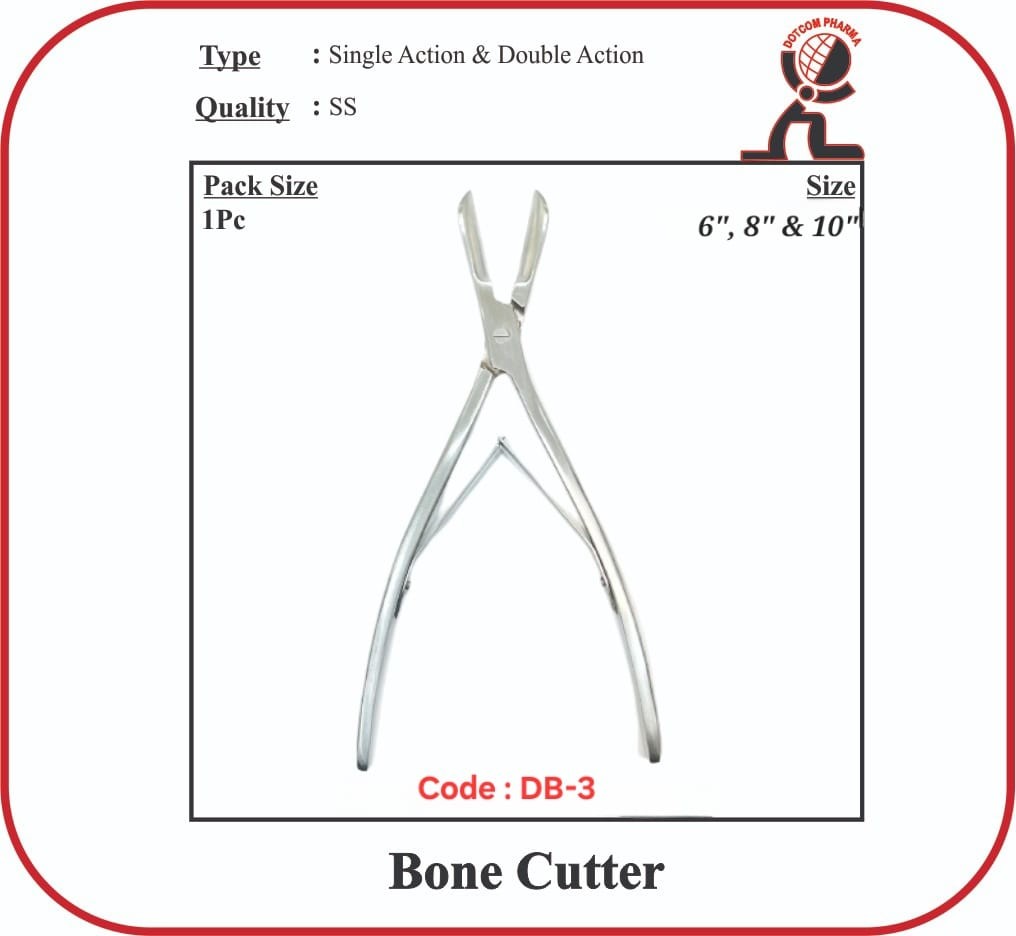
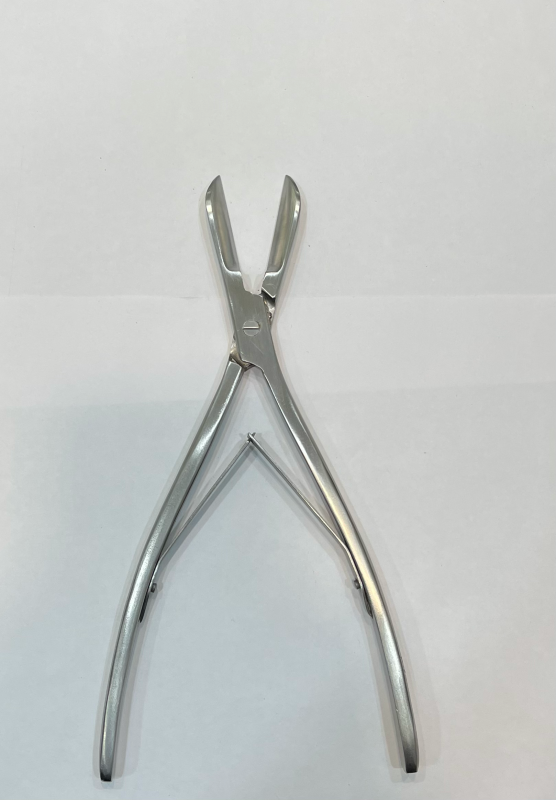
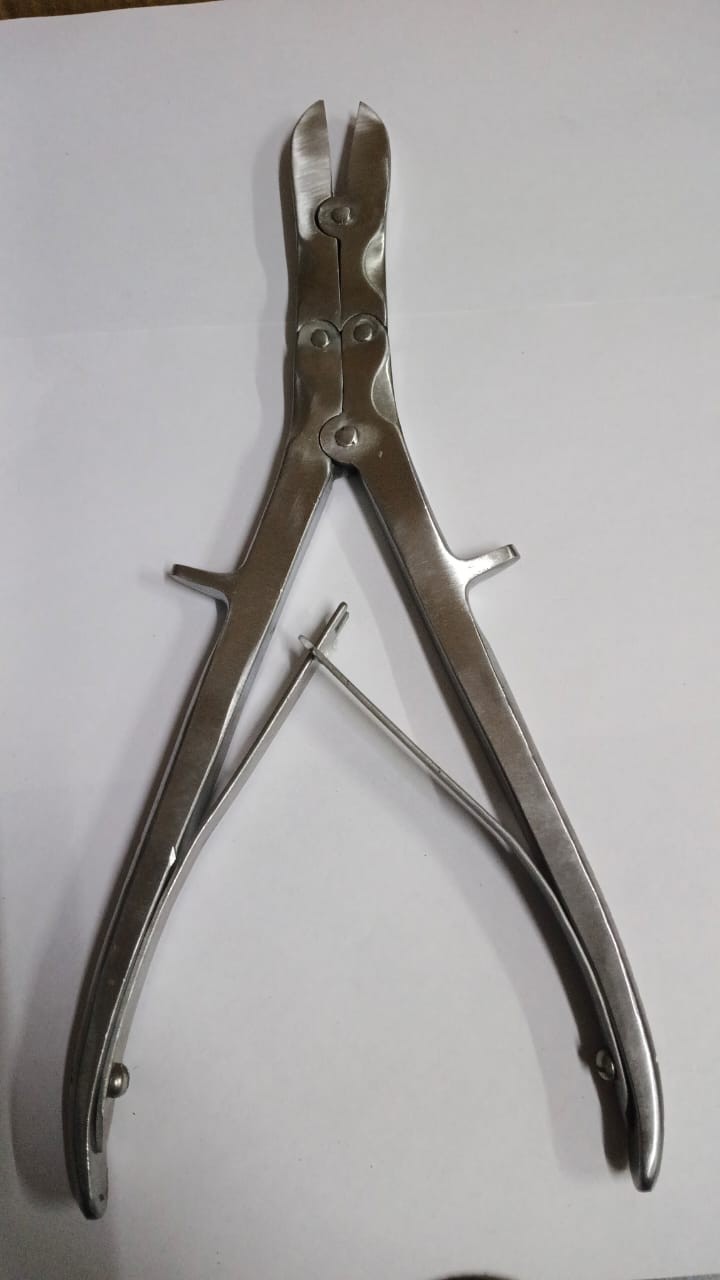
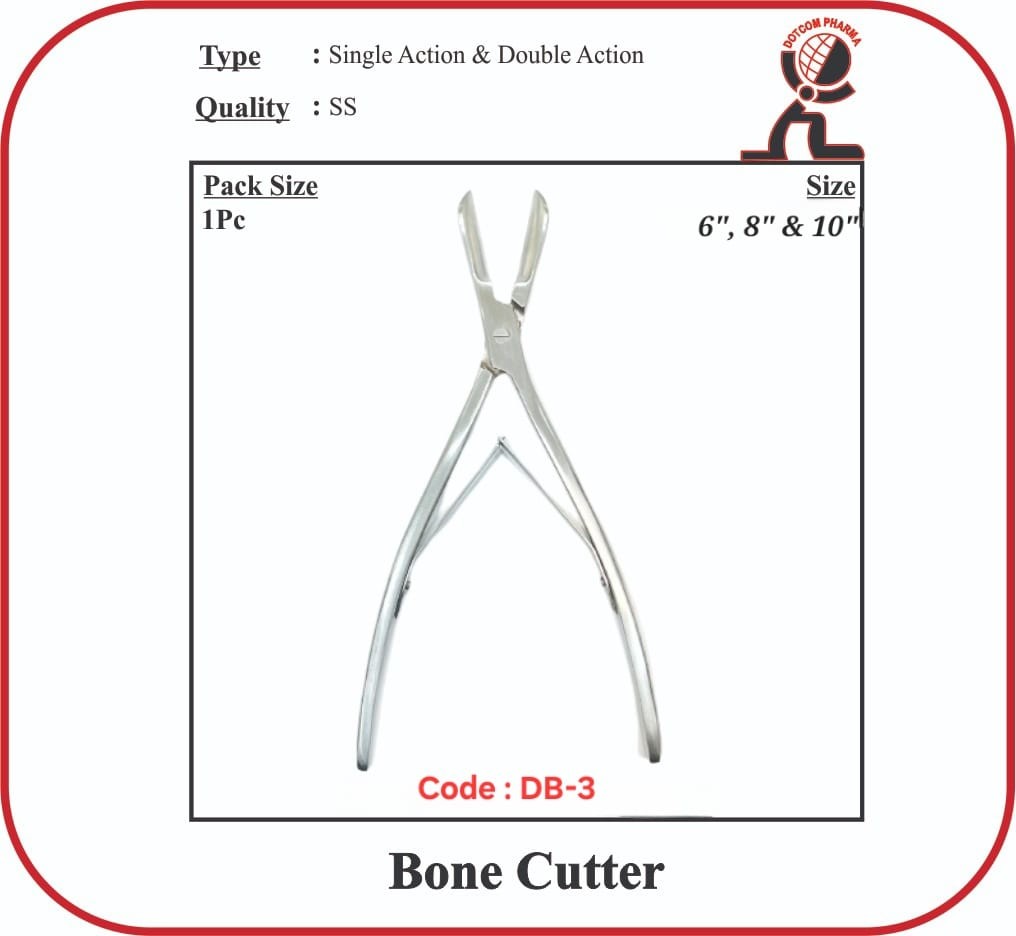
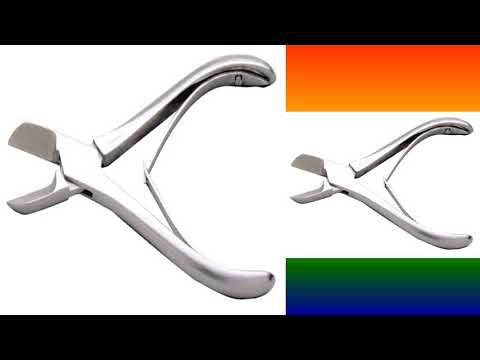
Bone Cutter
Drug Name
: NA
Drug Role
: Bone Cutting
NA
No
Ceritifcations:









Please login / register to buy or to get detailed information of the product
SKU:
Stock Available:
Batch / Lot. No:
Shelf life:
Manufacturing Date:
-
Expiry Date:
-
Minimum Pack Size:
Minimum Order Qty:
1
Pharma Categories:
Surgical Instruments
Product Form:
Bone Cutter
Category:
Instruments
Group:
N/A
Type:
Surgical Instrument
Material:
Stainless Steel
Tags
HSN Code:
90189024
HS Code:
8202.39
Country of Origin:
Imported
TAX:
5%
Qty per Piece:
Weight Of Each Piece(gm):
Piece Dimensions (L×W×H):
Qty per Buffer Box / Shrink Pack:
Weight of Buffer Box / Shrink Pack:
Buffer Dimensions (L×W×H):
Total Qty per Case:
Total Weight per Case:
Case Dimensions (L×W×H):
Weight / Volume:
Dimensions:
Inhouse product
A bone cutter is a specialized surgical instrument designed to cut or trim bones during orthopaedic surgeries in humans and animals. It provides clean, precise cuts with minimal trauma to surrounding tissues
Parameter Typical Details Material High-grade stainless steel (Surgical SS 304/316)
Length 15 cm to 30 cm (varies by model and purpose) Blade
Type Straight or curved cutting edges
Handle Ergonomic, non-slip grip (metal or plastic coated)
Cutting Capacity Up to 12 mm bone thickness (depends on model)
Weight Approx. 150–400 grams
Sterilization Autoclavable and corrosion-resistant
• Double-action bone cutter: Two handles with strong leverage for powerful cuts
• Single-action bone cutter: Simpler, smaller cutter for finer bone cuts
• Heavy-duty bone cutter: For thick or large bones, often in large animals
• Orthopaedic wire bone cutter: Specialized for cutting orthopaedic wires
• Stainless steel 304 or 316 for strength, durability, and sterilization compatibilit
• Handles sometimes coated with plastic or rubber for grip
• Handheld instrument
• Single-piece or multi-part assembly (some have replaceable blades)
• Available sterile or for sterilization
• Orthopaedic surgeries for fracture repair in animals
• Trimming bones for corrective surgeries
• Removal of bone spurs or diseased bone segments
• Preparation of bone for grafting procedures
• Bone cutting in orthopaedic surgeries
• Dental surgeries for cutting jaw bones
• Neurosurgical bone access
• Precise and clean bone cuts reducing trauma
• Ergonomic design reduces surgeon fatigue
• Durable and reusable after proper sterilization
• Available in different sizes for various surgical needs
• Requires skilled handling to avoid accidental injury
• Risk of contamination if not properly sterilized
• Heavy-duty cutters may be bulky for small procedure
• Sterilize instrument before and after use (autoclave recommended)
• Handle carefully to avoid damage to cutting edges
• Use appropriate cutter type based on bone size and location
• Wear protective gloves and follow surgical aseptic techniques
• Inspect for damage or wear before each use
• Autoclave at 121°C for 15-30 minutes is standard
• Chemical sterilization (e.g., glutaraldehyde) if autoclave unavailable
• Dry and store in sterile conditions
• Clean thoroughly immediately after use to remove blood and tissue
• Lubricate joints (if double-action) to maintain smooth operation
• Check cutting edges regularly for sharpness and damage
• Store in dedicated sterile instrument trays or cases
Code Type Code Descriptio
HS Code 8202.39 Hand tools, cutting blades used in surgery, including bone cutters
HSN Code (India) 82023900 Surgical cutting tools including bone cutters
Frequently Asked Questions (FAQs)
Q1: What is a bone cutter used for?
It is used to cut or trim bones during surgical procedures.
Q2: Are bone cutters reusable?
Yes, after proper sterilization.
Q3: Can bone cutters be used in veterinary surgeries?
Absolutely, they are essential tools in veterinary orthopaedics.
Q4: How to sterilize bone cutters?
Autoclaving at 121°C for 15-30 minutes is standard practice.
Q5: What types of bone cutters exist?
Single-action, double-action, heavy-duty, and wire cutters among others
Secure Transaction
100% secure payment
Top Brand
Trusted quality
Non Return
Due to hygiene