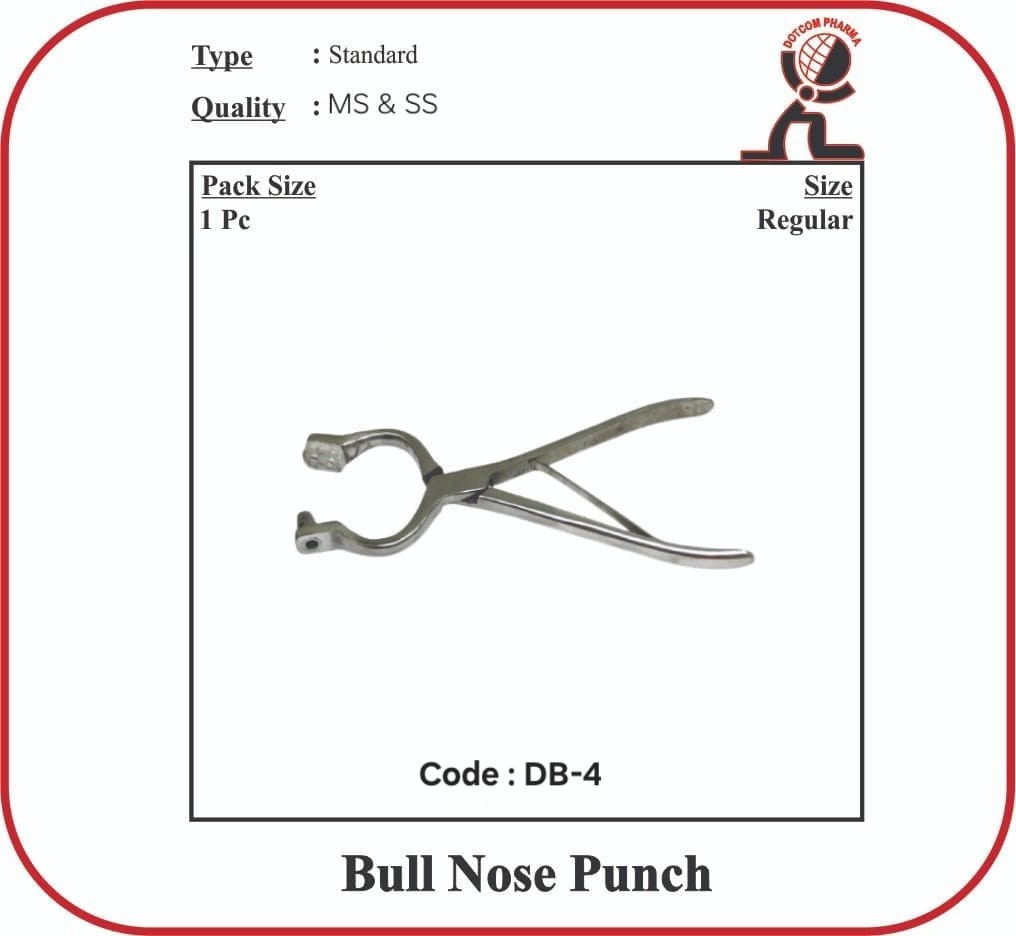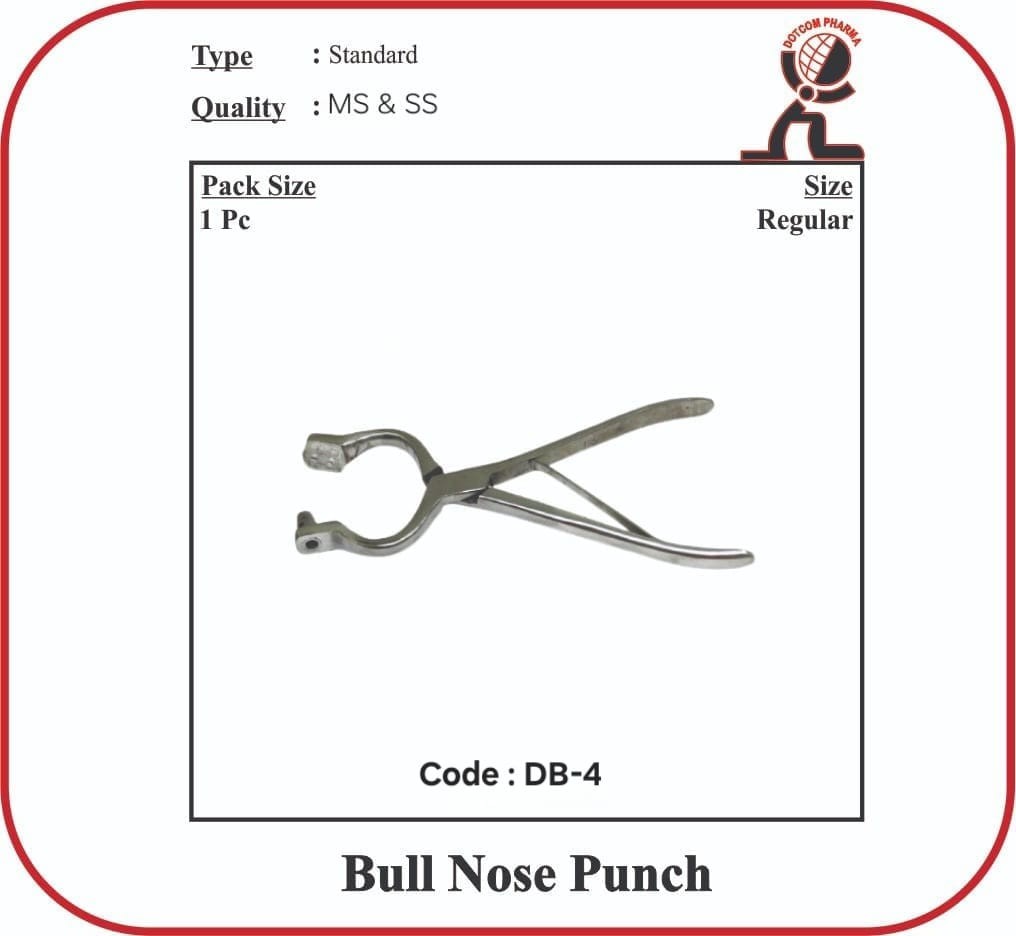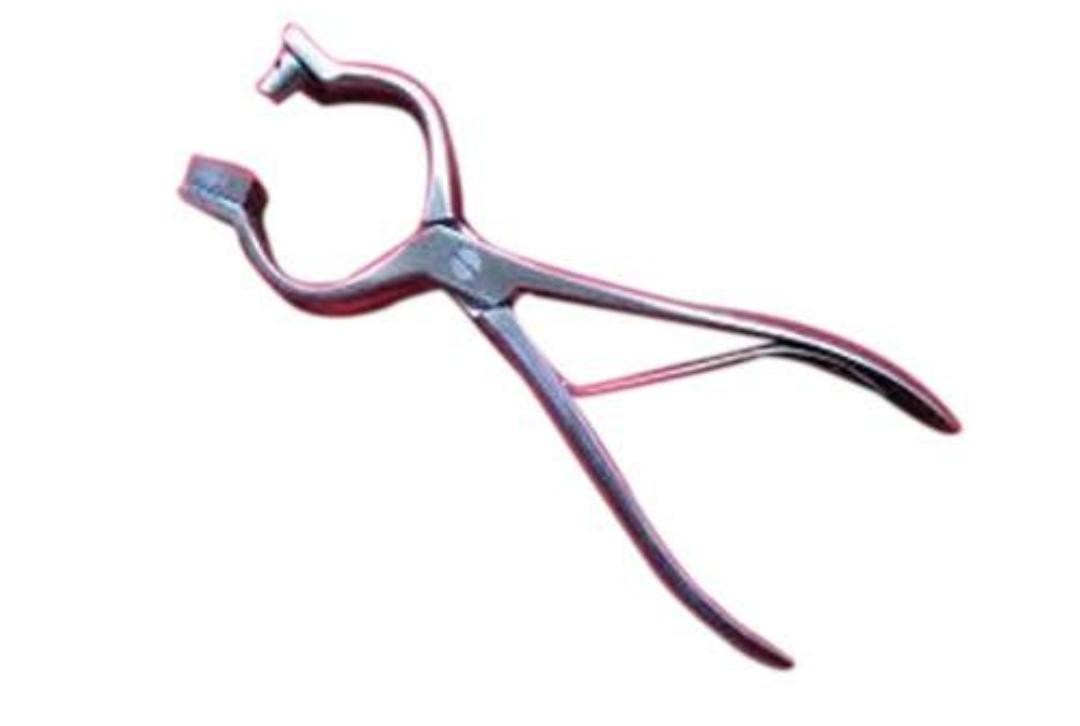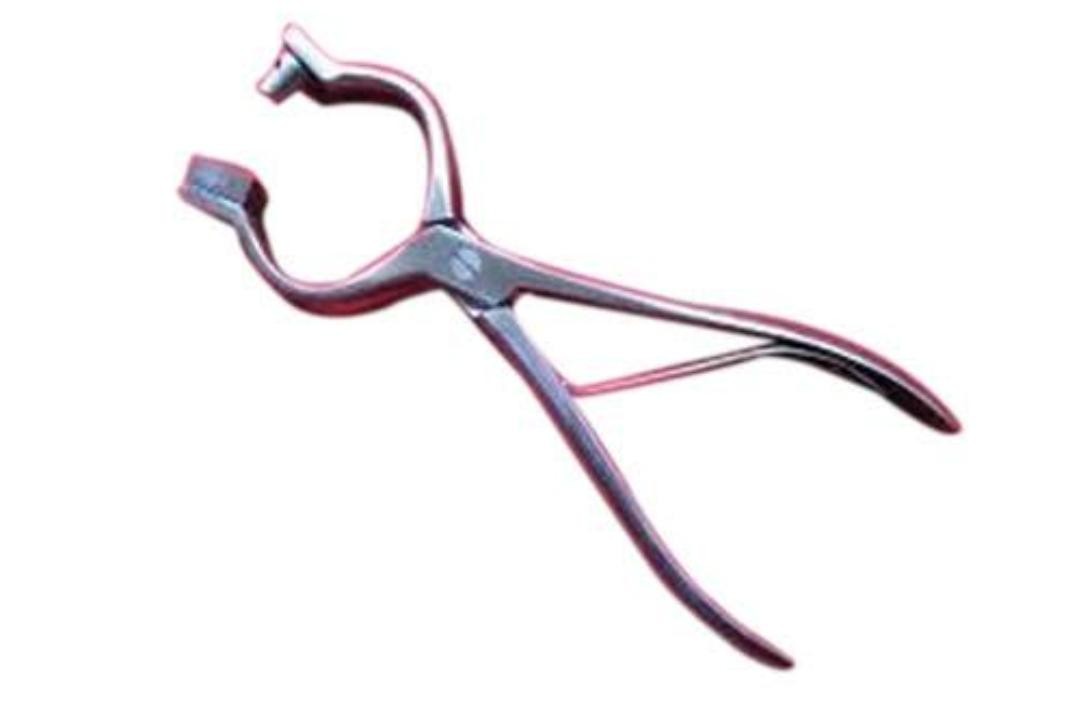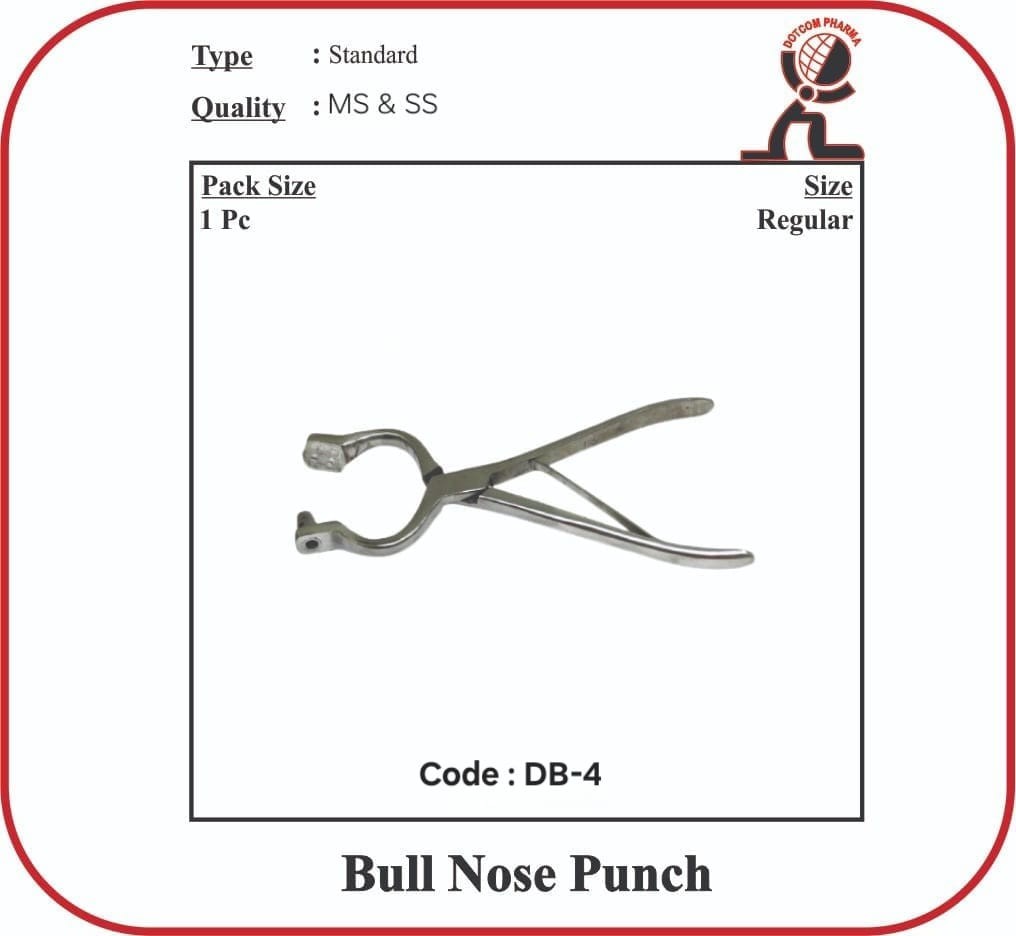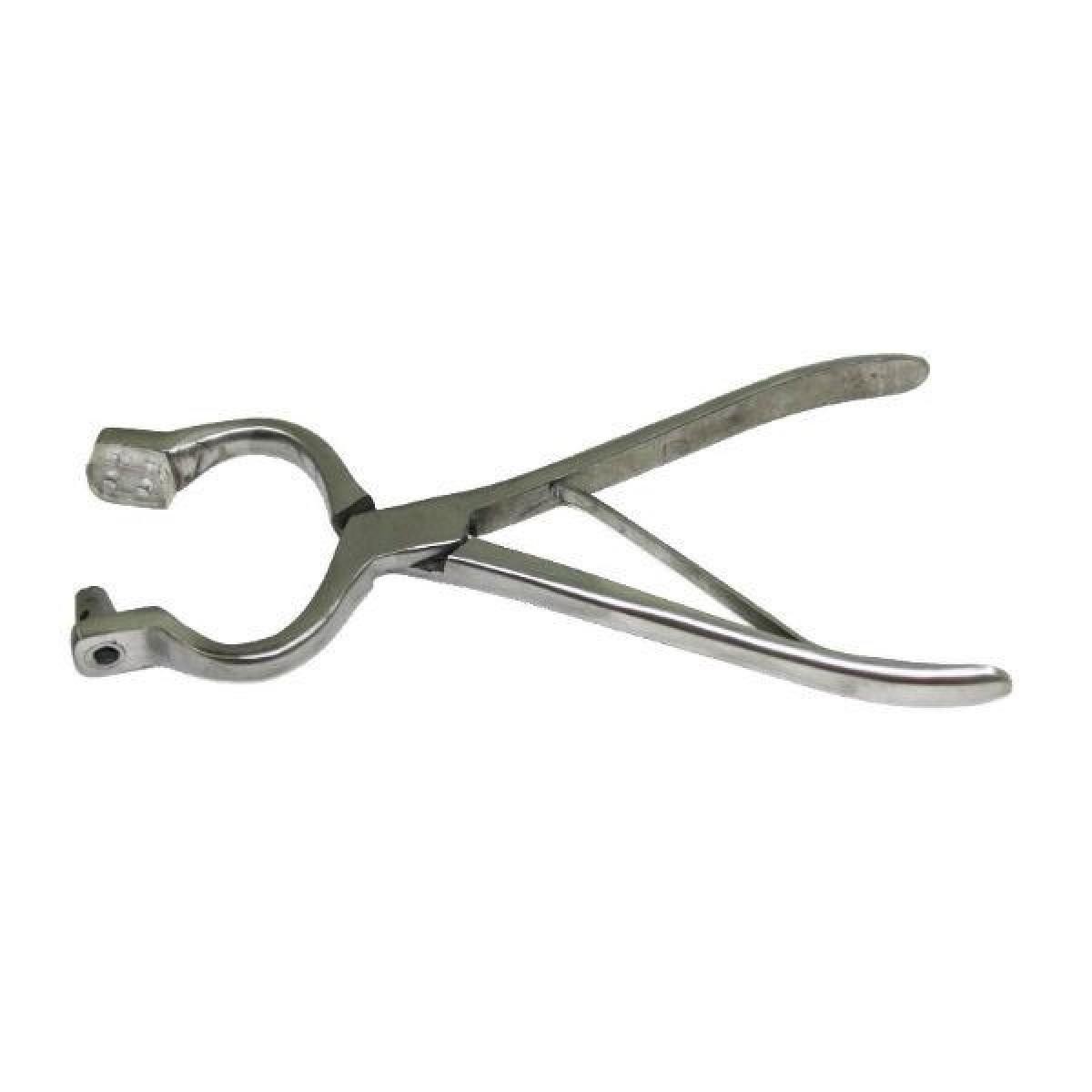
Bull Nose Punch

Drug Name

: NA

Drug Role

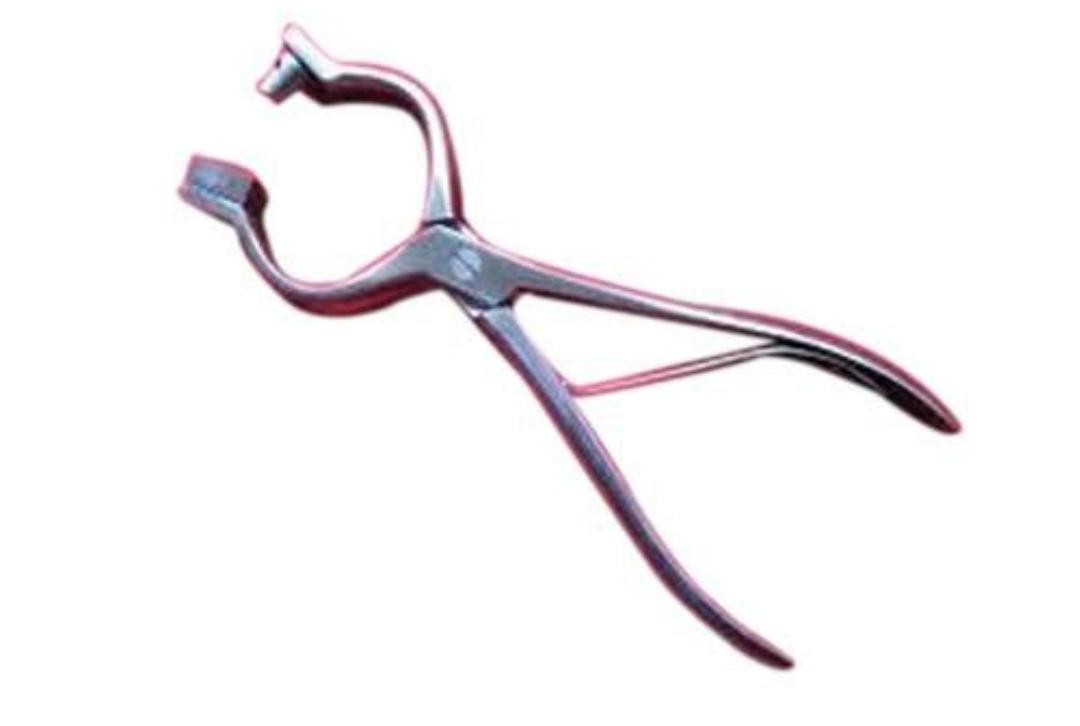
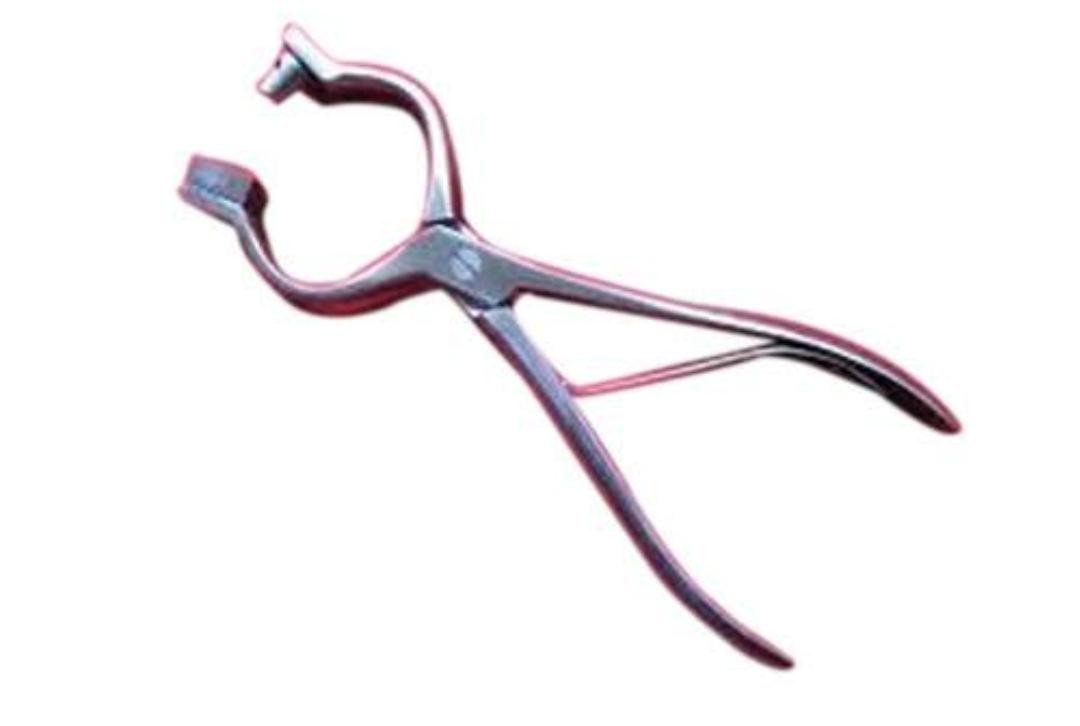
: The Bull Nose Punch is a heavy-duty, handheld surgical instrument designed to punch or cut through dense bone, typically in the nasal region. It’s most commonly used in rhinoplasty, nasal bone resection, orthopaedic surgeries, and veterinary dehorning or

Schedule:
NA
Prescription Required:
No
Brand / Mfg:
DOTCOM PHARMA
/ Piece
MRP: Inclusive of all taxes
Discount Applied:
MRP
-
Price
-
-
Discount
-
-
+ Tax
-
-
Total You Save
-
You Save:
Quality
Made
Size
Type
Quantity
(310 available)
Total Amount Product Wise:

Ceritifcations:

Certificate
Certificate
Certificate
Certificate
Certificate
Certificate
Certificate
Certificate
Certificate
Certificate

Please login / register to buy or to get detailed information of the product

SKU:

Stock Available:

Batch / Lot. No:

Shelf life:

Manufacturing Date:

-

Expiry Date:

-

Minimum Pack Size:

Minimum Order Qty:

1

Pharma Categories:

Veterinary Instrument

Product Form:

• Single-piece, reusable instrument • Sterile or autoclavable form • Available with straight or curved jaws

Category:

Veterinary

Group:

N/A

Type:

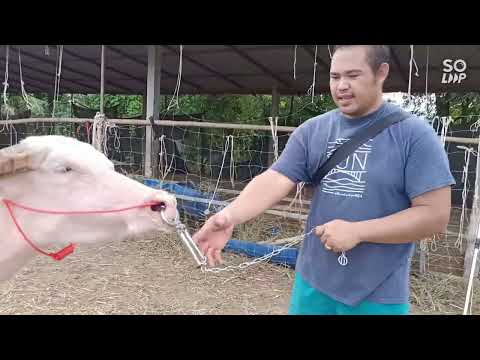
• Plier/Nose tong length: ~6–8 inches • Chain/lead length: ~16–24 inches

Material:

• Stainless Steel – Durable, rust-resistant (for pliers and tongs)

HSN Code:

90189099

HS Code:

9018.49

Country of Origin:

Indian

TAX:

5%

Qty per Piece:

Weight Of Each Piece:

Piece Dimensions (L×W×H):

Qty per Buffer Box / Shrink Pack:

Weight of Buffer Box / Shrink Pack:

Buffer Dimensions (L×W×H):

Total Qty per Case:

Total Weight per Case:

Case Dimensions (L×W×H):

Weight / Volume:

Dimensions:

Estimate Shipping Time: 7 Days

Inhouse product

The Bull Nose Punch is a heavy-duty, handheld surgical instrument designed to punch or cut through dense bone, typically in the nasal region. It’s most commonly used in rhinoplasty, nasal bone resection, orthopaedic surgeries, and veterinary dehorning or sinus access procedures.


Parameter                                            Typical Details

Material                                         Surgical-grade stainless steel (SS 410/420 or 316)

Length                                          18 cm to 25 cm

Jaw Width                                    3 mm to 6 mm

Cutting Tip Shape                    Rounded “bull-nose” or slightly curved tip

Handle Style                             Spring-loaded or manual grip

Mechanism                               Lever-action or double-action for added force Weight 250 g – 500 g

Sterilization                             Fully autoclavable

•   Blunt rounded cutting jaws – prevent excess tissue trauma

•   Heavy-duty jaw action – allows controlled force for bone punching

•   Double-action models – increase cutting power with minimal effort

•   Ergonomic grip – reduces hand fatigue during prolonged surgeries

•   Standard Bull Nose Punch – straight shaft, regular bone cutting

•   Curved Bull Nose Punch – allows angled access in deep cavities

•   Double-action Bull Nose Punch – for increased power and precision

•  Surgical stainless steel (typically hardened SS 420 or SS 316)

•  Optional tungsten carbide insert tips (for extended durability)

•  Non-slip ridged handles for secure grip

•   Single-piece, reusable instrument

•   Sterile or autoclavable form

•   Available with straight or curved jaws

•   ENT surgeries (e.g., nasal bone reduction in rhinoplasty)

•   Maxillofacial procedures

•   Sinus surgery access

•   Small orthopaedic bone removal

•  Dehorning procedures in calves and goats

•   Nasal sinus drainage or access surgeries

•  Used in field settings for livestock treatment

•   Orthopaedic bone work in small/medium animals

•  High mechanical advantage for clean bone removal

•  Durable and robust for repeated surgical use

•   Atraumatic tip reduces collateral tissue damage

•   Double-action models reduce hand strain

•  Suitable for both field and operating room use

•   Requires skill to prevent over-cutting or accidental injury

•   Not suitable for fine or delicate bone work

•   Larger size may limit precision in tight anatomical areas

•   Incorrect sterilization can dull cutting edges

•  Ensure the instrument is sterilized before use

•  Check blade edges for dullness or chipping

•  Use with controlled pressure to avoid over-punching

•  Avoid using on soft tissue to prevent trauma

•  Wear protective eyewear when using in dehorning (bone fragments risk)

•   Autoclave at 121°C for 15–30 minutes

•  Clean thoroughly after each use to remove bone debris

•  Dry completely to avoid rust or joint seizure

•   Lubricate hinge points with surgical-grade lubricant regularly

•   Clean immediately post-surgery to avoid residue build-up

•  Sharpen or service cutting edges periodically

•   Inspect for joint looseness or misalignment

•   Store in padded trays to avoid blade contact or damage

Code Type                                 Code                                    Description

HS Code                                9018.49                               Surgical instruments (bone instruments incl. punches)

HSN Code (India)                90184900                           Surgical bone instruments including bone punches

Q1: What is a Bull Nose Punch used for?

   It's used to punch/remove bone, especially in nasal or dehorning surgeries.

Q2: Is it reusable?

   Yes, if properly cleaned and sterilized.

Q3: Can it be used on animals?

   Absolutely—commonly used in veterinary dehorning and sinus procedures.

Q4: What’s the difference between a regular bone punch and a bull nose punch?

   The bull nose punch has a rounded cutting jaw designed for safe and targeted bone removal.

Q5: How is it sterilized?

  It’s autoclavable—standard steam sterilization applies.

Secure Transaction

100% secure payment

Top Brand

Trusted quality

Non Return

Due to hygiene
Refund
Not Applicable
Share
Top Selling Products
0 out of 5.0
(0 reviews)
There have been no reviews for this product yet.

The Bull Nose Punch is a heavy-duty, handheld surgical instrument designed to punch or cut through dense bone, typically in the nasal region. It’s most commonly used in rhinoplasty, nasal bone resection, orthopaedic surgeries, and veterinary dehorning or sinus access procedures.


Parameter                                            Typical Details

Material                                         Surgical-grade stainless steel (SS 410/420 or 316)

Length                                          18 cm to 25 cm

Jaw Width                                    3 mm to 6 mm

Cutting Tip Shape                    Rounded “bull-nose” or slightly curved tip

Handle Style                             Spring-loaded or manual grip

Mechanism                               Lever-action or double-action for added force Weight 250 g – 500 g

Sterilization                             Fully autoclavable

•   Blunt rounded cutting jaws – prevent excess tissue trauma

•   Heavy-duty jaw action – allows controlled force for bone punching

•   Double-action models – increase cutting power with minimal effort

•   Ergonomic grip – reduces hand fatigue during prolonged surgeries

•   Standard Bull Nose Punch – straight shaft, regular bone cutting

•   Curved Bull Nose Punch – allows angled access in deep cavities

•   Double-action Bull Nose Punch – for increased power and precision

•  Surgical stainless steel (typically hardened SS 420 or SS 316)

•  Optional tungsten carbide insert tips (for extended durability)

•  Non-slip ridged handles for secure grip

•   Single-piece, reusable instrument

•   Sterile or autoclavable form

•   Available with straight or curved jaws

•   ENT surgeries (e.g., nasal bone reduction in rhinoplasty)

•   Maxillofacial procedures

•   Sinus surgery access

•   Small orthopaedic bone removal

•  Dehorning procedures in calves and goats

•   Nasal sinus drainage or access surgeries

•  Used in field settings for livestock treatment

•   Orthopaedic bone work in small/medium animals

•  High mechanical advantage for clean bone removal

•  Durable and robust for repeated surgical use

•   Atraumatic tip reduces collateral tissue damage

•   Double-action models reduce hand strain

•  Suitable for both field and operating room use

•   Requires skill to prevent over-cutting or accidental injury

•   Not suitable for fine or delicate bone work

•   Larger size may limit precision in tight anatomical areas

•   Incorrect sterilization can dull cutting edges

•  Ensure the instrument is sterilized before use

•  Check blade edges for dullness or chipping

•  Use with controlled pressure to avoid over-punching

•  Avoid using on soft tissue to prevent trauma

•  Wear protective eyewear when using in dehorning (bone fragments risk)

•   Autoclave at 121°C for 15–30 minutes

•  Clean thoroughly after each use to remove bone debris

•  Dry completely to avoid rust or joint seizure

•   Lubricate hinge points with surgical-grade lubricant regularly

•   Clean immediately post-surgery to avoid residue build-up

•  Sharpen or service cutting edges periodically

•   Inspect for joint looseness or misalignment

•   Store in padded trays to avoid blade contact or damage

Code Type                                 Code                                    Description

HS Code                                9018.49                               Surgical instruments (bone instruments incl. punches)

HSN Code (India)                90184900                           Surgical bone instruments including bone punches

Q1: What is a Bull Nose Punch used for?

   It's used to punch/remove bone, especially in nasal or dehorning surgeries.

Q2: Is it reusable?

   Yes, if properly cleaned and sterilized.

Q3: Can it be used on animals?

   Absolutely—commonly used in veterinary dehorning and sinus procedures.

Q4: What’s the difference between a regular bone punch and a bull nose punch?

   The bull nose punch has a rounded cutting jaw designed for safe and targeted bone removal.

Q5: How is it sterilized?

  It’s autoclavable—standard steam sterilization applies.

0 out of 5.0
(0 reviews)
There have been no reviews for this product yet.

More From Instruments

Top Selling Products
Search any image
Drag an image here or upload a file
Or