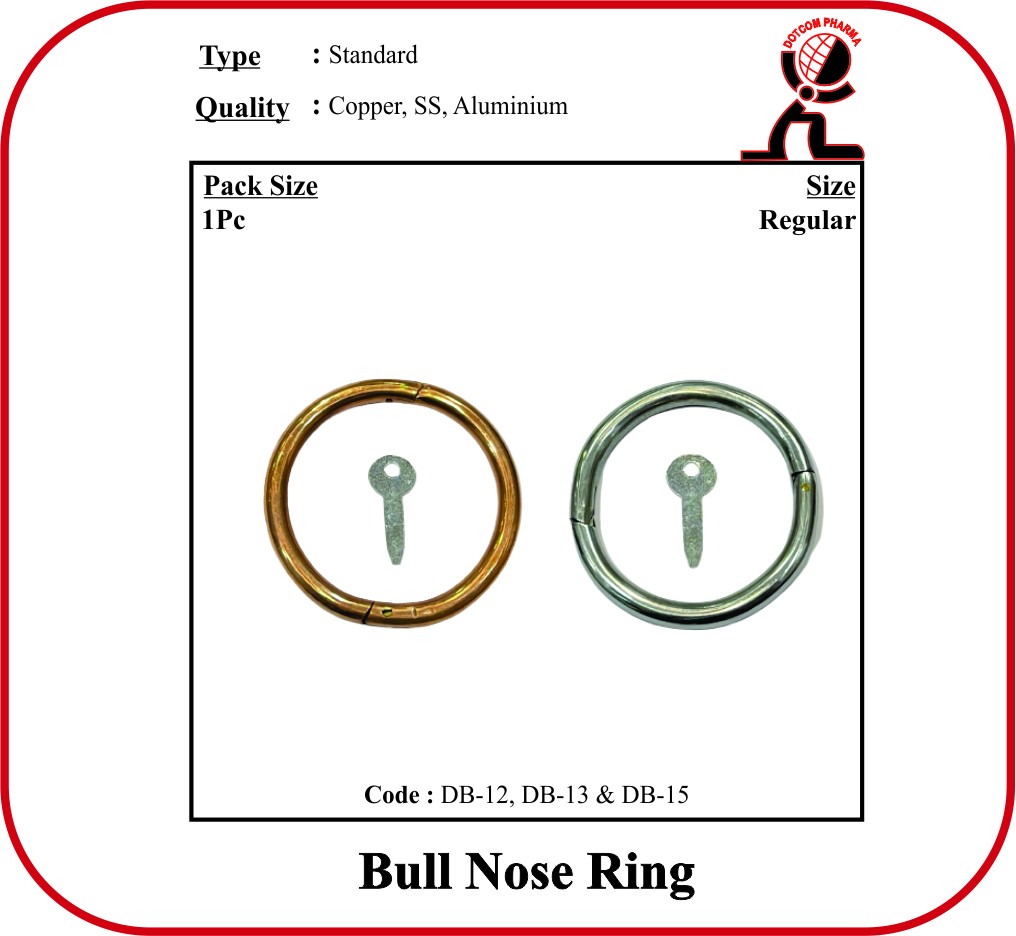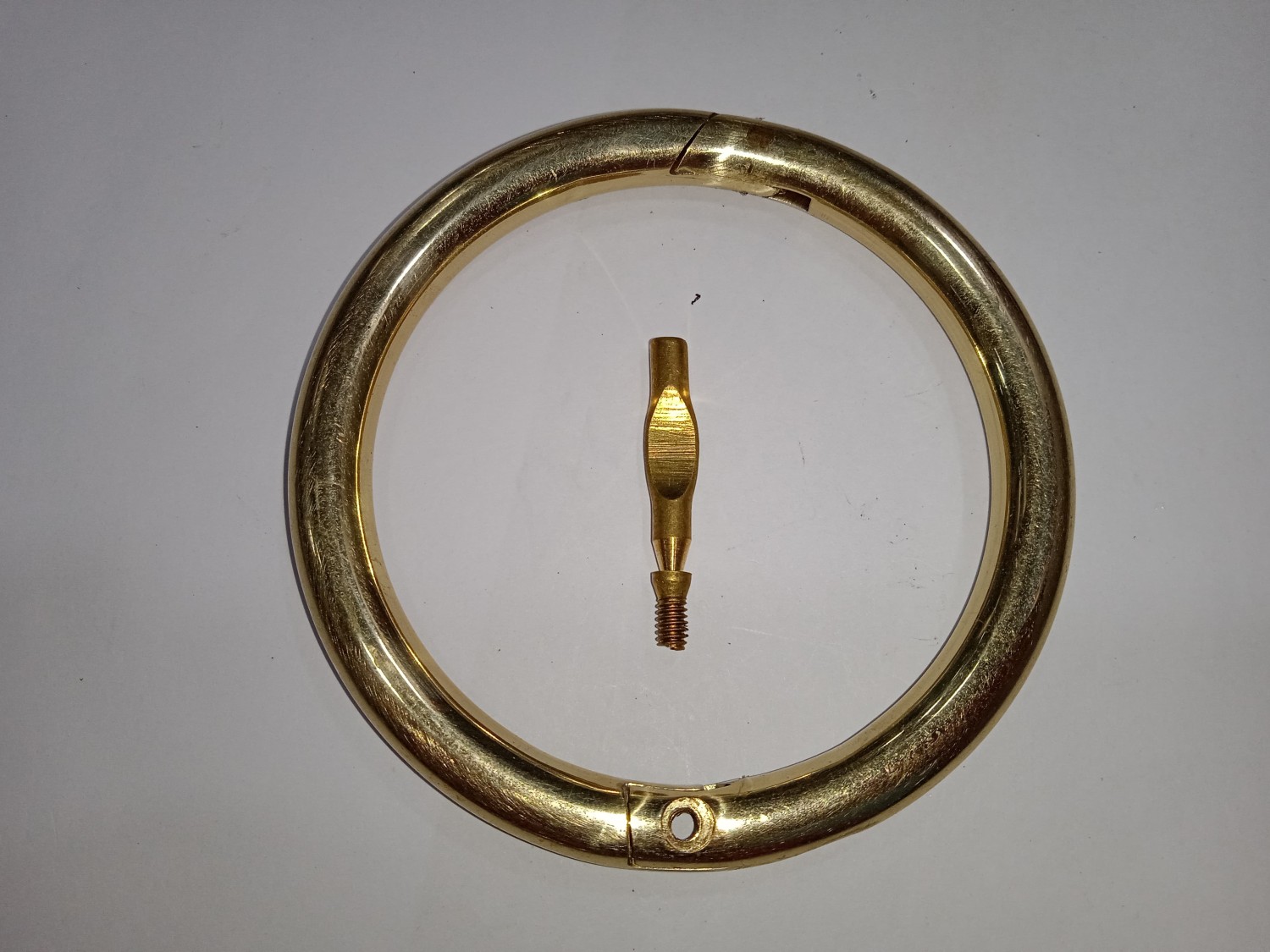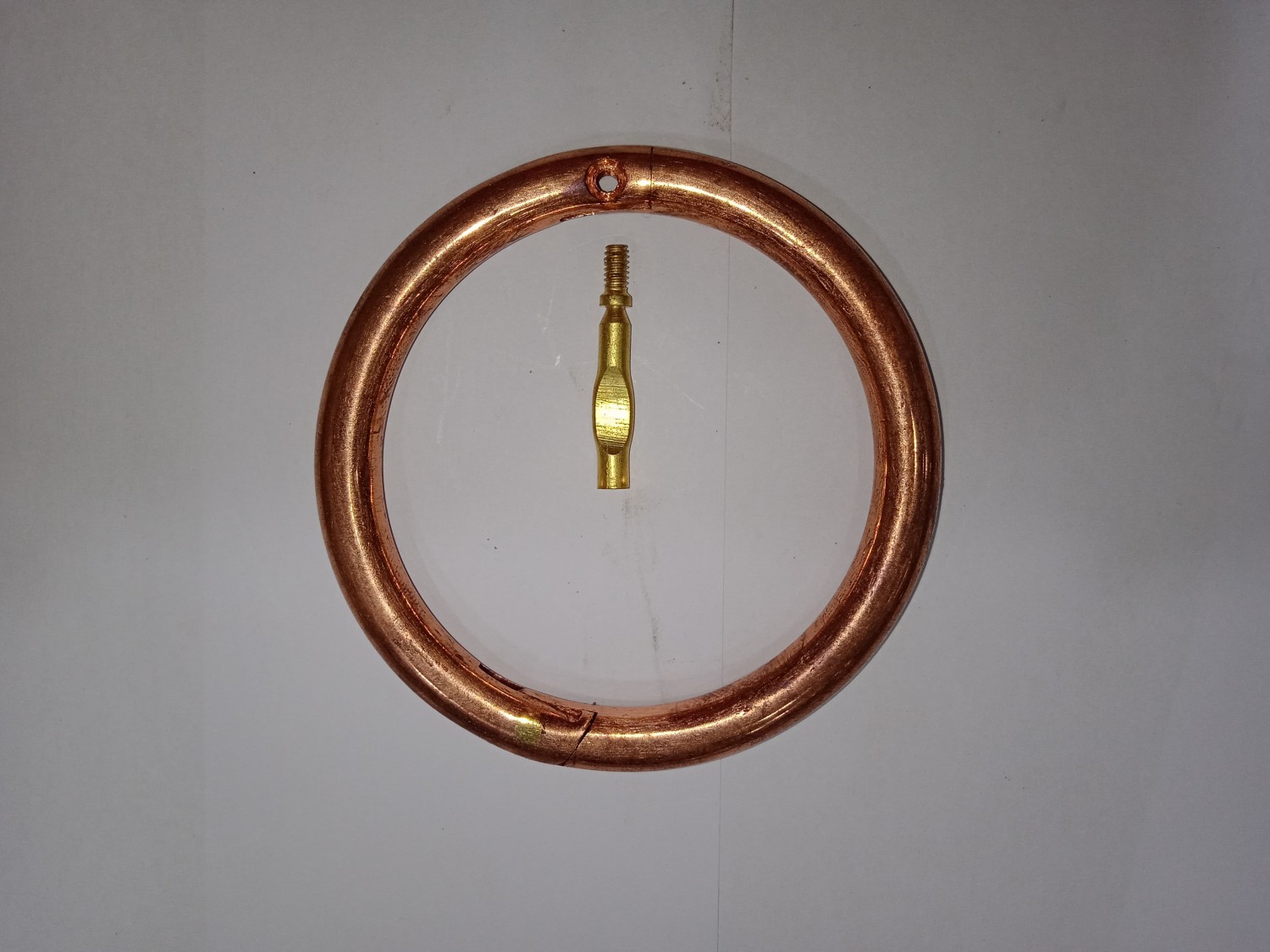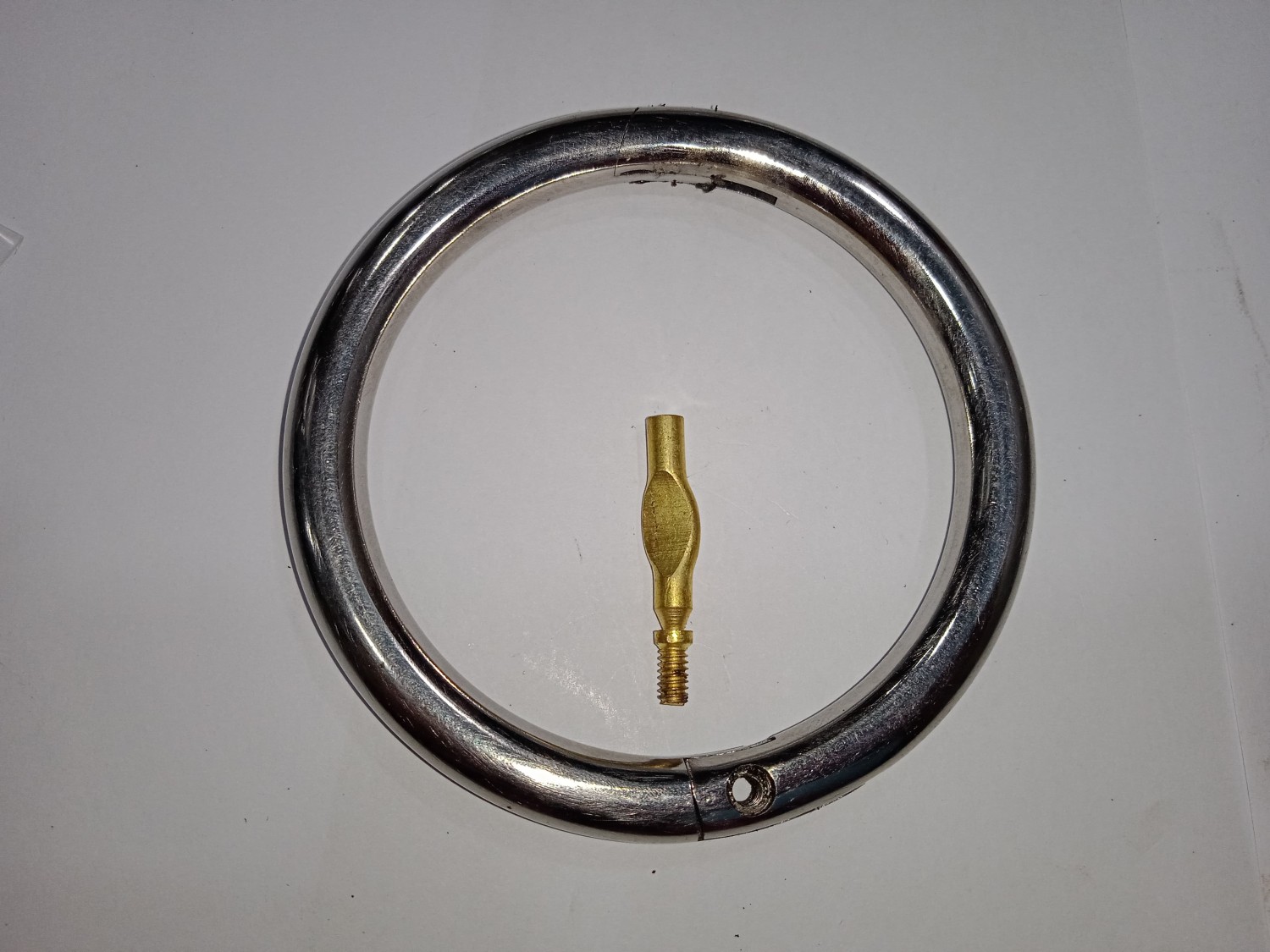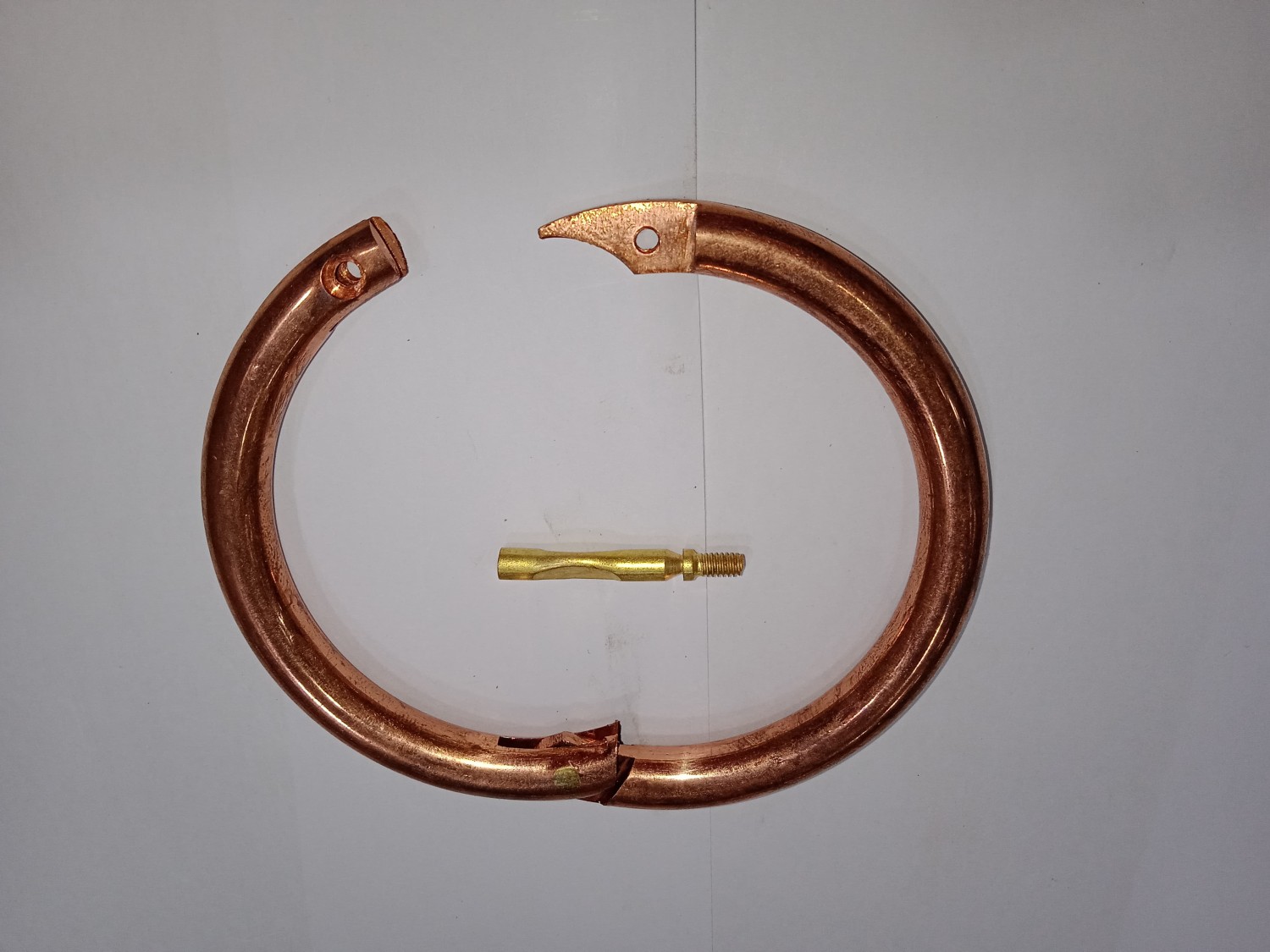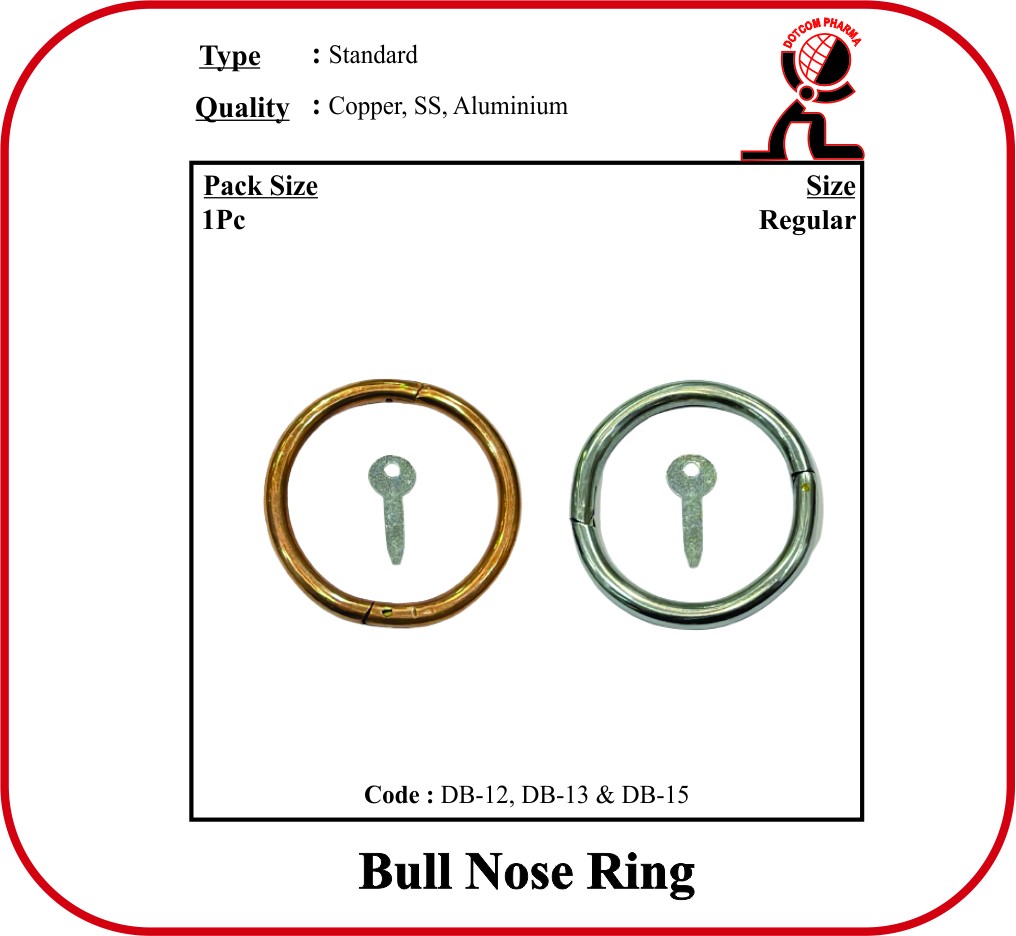
Bull Nose Ring

Drug Name

: NA

Drug Role

: • Controlling aggressive animals • Assisting with handling • Weaning calves • Display in livestock exhibitions

Schedule:
NA
Prescription Required:
No
Brand / Mfg:
DOTCOM PHARMA
/ Piece
MRP: Inclusive of all taxes
Discount Applied:
MRP
-
Price
-
-
Discount
-
-
+ Tax
-
-
Total You Save
-
You Save:
Type
Size
Quality
Made
Quantity
(30 available)
Total Amount Product Wise:

Ceritifcations:

Certificate
Certificate
Certificate
Certificate
Certificate
Certificate
Certificate
Certificate
Certificate
Certificate

Please login / register to buy or to get detailed information of the product

SKU:

Stock Available:

Batch / Lot. No:

Shelf life:

Manufacturing Date:

-

Expiry Date:

-

Minimum Pack Size:

Minimum Order Qty:

1

Pharma Categories:

• Veterinary Equipment – Classified under surgical/veterinary instruments • Semi-permanent Body Attachment – Pierced and inserted under vet supervision

Product Form:

• Weaning Tool – For calves or pigs (removable disc-style rings)

Category:

Veterinary

Group:

N/A

Type:

Ring Forms • Hinged/Split-Ring: Two halves joined by a bolt; removed by unscrewing or cutting • Self-Piercing Rings: Sharp ends press through the septum and are secured by a locking mechanism ➤ Nose Disc/Weaner Rings • For temporary use to prevent calves

Material:

Common materials include: • Stainless Steel – Durable, rust-resistant • Brass – Traditional, aesthetic • Aluminium – Lightweight • Copper – Economical, antimicrobial to some extent

HSN Code:

7117.9090

HS Code:

9018.9099

Country of Origin:

imported

TAX:

5%

Qty per Piece:

Weight Of Each Piece:

Piece Dimensions (L×W×H):

Qty per Buffer Box / Shrink Pack:

Weight of Buffer Box / Shrink Pack:

Buffer Dimensions (L×W×H):

Total Qty per Case:

Total Weight per Case:

Case Dimensions (L×W×H):

Weight / Volume:

Dimensions:

Estimate Shipping Time: 7 Days

Inhouse product

A Bull Nose Ring is a metal ring inserted into the septum (the tissue between the nostrils) of bulls and sometimes other livestock. It is primarily used for:

•  Controlling aggressive animals

•  Assisting with handling

•  Weaning calves

•  Display in livestock exhibitions

•  Diameter: 3 to 4 inches (standard size for adult bulls)

•  Installation Age: Typically between 9 and 12 months

•  Attachment: Pierced through the septum by a veterinarian

➤ Ring Forms

•  Hinged/Split-Ring: Two halves joined by a bolt; removed by unscrewing or cutting

•  Self-Piercing Rings: Sharp ends press through the septum and are secured by a locking mechanism

➤ Nose Disc/Weaner Rings

•  For temporary use to prevent calves from suckling

•  Have spikes or smooth flat plates

Common materials include:

•  Stainless Steel – Durable, rust-resistant

•  Brass – Traditional, aesthetic

•  Aluminium – Lightweight

•  Copper – Economical, antimicrobial to some extent

•  Veterinary Equipment – Classified under surgical/veterinary instruments

•  Semi-permanent Body Attachment – Pierced and inserted under vet supervision

•  Weaning Tool – For calves or pigs (removable disc-style rings)

•  Safe control of bulls using bull staff

•  Prevents suckling in calves

•  Required in some livestock shows

•  Not used or intended for humans

•  Strictly a veterinary tool

•  Improves handler safety

•  Enables controlled restraint of powerful animals

•  Assists in weaning of young calves

•  Mandatory in some livestock exhibitions

•  Pain and stress for the animal

•  Risk of infection if not properly sterilized

•  Bulls may rip out the ring when agitated, causing injury

•  Requires vet expertise for installation and care

•  Only a licensed veterinarian should perform installation

•  Sterilize ring before use (autoclave or disinfectant)

•  Monitor for swelling, discharge, or infection

•  Use in combination with a bull staff for safe handling

•  Pre-use Sterilization:

      o  Use autoclave (preferred)

      o  Or soak in medical-grade disinfectant (e.g., chlorhexidine)

•  Post-use Cleaning:

      o  Clean the area daily

      o  Monitor wound healing

      o  Use antiseptics if necessary

•  Removal:

      o  Hinged rings: Unscrew or cut

      o  Self-piercing: Unscrew or use vet tools

Code Type                                             Description                                                               Code 

HS Code                                   (International) Surgical & Veterinary Instruments              9018.9099

HSN Code (India)                       Surgical-type veterinary equipment (Bull Nose Ring)       9018.9099

Aspect                                                                Details

Purpose                                             Control, weaning, safe livestock handling

Sizes                                                  3–4 inches diameter

Types                                                 Hinged, split-ring, self-piercing, nose disc

Material                                             Stainless steel, brass, copper, aluminium

Advantages                                        Control, safety, compliance, weaning aid

Disadvantages                                    Pain, infection risk,tear-out risk 

Precautions                                        Vet-only insertion, daily monitoring, sterilization

Sterilization                                        Autoclave or chemical sterilization before use

Vet Use                                                Yes – for bulls, cows, pigs, calves

Human Use                                         No – not used for human adornment

HS/HSN Code                                     9018.9099 (Veterinary); 7117.9090 (Jewellery – avoid misclassification)

Q1. When should bulls get a nose ring?

Between 9–12 months of age, depending on breed and maturity.

Q2. Is it painful for the animal?

Yes, some pain is expected—veterinary care is essential to minimize it.

Q3. Can bulls remove their own nose rings?

In rare cases, yes—especially if aggressive or if the ring is not securely installed.

Q4. What’s the safest material to use?

Stainless steel – strong, rust-resistant, easy to sterilize.

Q5. Is sterilization really necessary?

Yes, to prevent infection and complications. Always sterilize before insertion.

Secure Transaction

100% secure payment

Top Brand

Trusted quality

Non Return

Due to hygiene
Refund
Not Applicable
Share
Top Selling Products
0 out of 5.0
(0 reviews)
There have been no reviews for this product yet.

A Bull Nose Ring is a metal ring inserted into the septum (the tissue between the nostrils) of bulls and sometimes other livestock. It is primarily used for:

•  Controlling aggressive animals

•  Assisting with handling

•  Weaning calves

•  Display in livestock exhibitions

•  Diameter: 3 to 4 inches (standard size for adult bulls)

•  Installation Age: Typically between 9 and 12 months

•  Attachment: Pierced through the septum by a veterinarian

➤ Ring Forms

•  Hinged/Split-Ring: Two halves joined by a bolt; removed by unscrewing or cutting

•  Self-Piercing Rings: Sharp ends press through the septum and are secured by a locking mechanism

➤ Nose Disc/Weaner Rings

•  For temporary use to prevent calves from suckling

•  Have spikes or smooth flat plates

Common materials include:

•  Stainless Steel – Durable, rust-resistant

•  Brass – Traditional, aesthetic

•  Aluminium – Lightweight

•  Copper – Economical, antimicrobial to some extent

•  Veterinary Equipment – Classified under surgical/veterinary instruments

•  Semi-permanent Body Attachment – Pierced and inserted under vet supervision

•  Weaning Tool – For calves or pigs (removable disc-style rings)

•  Safe control of bulls using bull staff

•  Prevents suckling in calves

•  Required in some livestock shows

•  Not used or intended for humans

•  Strictly a veterinary tool

•  Improves handler safety

•  Enables controlled restraint of powerful animals

•  Assists in weaning of young calves

•  Mandatory in some livestock exhibitions

•  Pain and stress for the animal

•  Risk of infection if not properly sterilized

•  Bulls may rip out the ring when agitated, causing injury

•  Requires vet expertise for installation and care

•  Only a licensed veterinarian should perform installation

•  Sterilize ring before use (autoclave or disinfectant)

•  Monitor for swelling, discharge, or infection

•  Use in combination with a bull staff for safe handling

•  Pre-use Sterilization:

      o  Use autoclave (preferred)

      o  Or soak in medical-grade disinfectant (e.g., chlorhexidine)

•  Post-use Cleaning:

      o  Clean the area daily

      o  Monitor wound healing

      o  Use antiseptics if necessary

•  Removal:

      o  Hinged rings: Unscrew or cut

      o  Self-piercing: Unscrew or use vet tools

Code Type                                             Description                                                               Code 

HS Code                                   (International) Surgical & Veterinary Instruments              9018.9099

HSN Code (India)                       Surgical-type veterinary equipment (Bull Nose Ring)       9018.9099

Aspect                                                                Details

Purpose                                             Control, weaning, safe livestock handling

Sizes                                                  3–4 inches diameter

Types                                                 Hinged, split-ring, self-piercing, nose disc

Material                                             Stainless steel, brass, copper, aluminium

Advantages                                        Control, safety, compliance, weaning aid

Disadvantages                                    Pain, infection risk,tear-out risk 

Precautions                                        Vet-only insertion, daily monitoring, sterilization

Sterilization                                        Autoclave or chemical sterilization before use

Vet Use                                                Yes – for bulls, cows, pigs, calves

Human Use                                         No – not used for human adornment

HS/HSN Code                                     9018.9099 (Veterinary); 7117.9090 (Jewellery – avoid misclassification)

Q1. When should bulls get a nose ring?

Between 9–12 months of age, depending on breed and maturity.

Q2. Is it painful for the animal?

Yes, some pain is expected—veterinary care is essential to minimize it.

Q3. Can bulls remove their own nose rings?

In rare cases, yes—especially if aggressive or if the ring is not securely installed.

Q4. What’s the safest material to use?

Stainless steel – strong, rust-resistant, easy to sterilize.

Q5. Is sterilization really necessary?

Yes, to prevent infection and complications. Always sterilize before insertion.

0 out of 5.0
(0 reviews)
There have been no reviews for this product yet.

More From Instruments

Top Selling Products
Search any image
Drag an image here or upload a file
Or