 +91 88281
11034
+91 88281
11034
 Need Help?




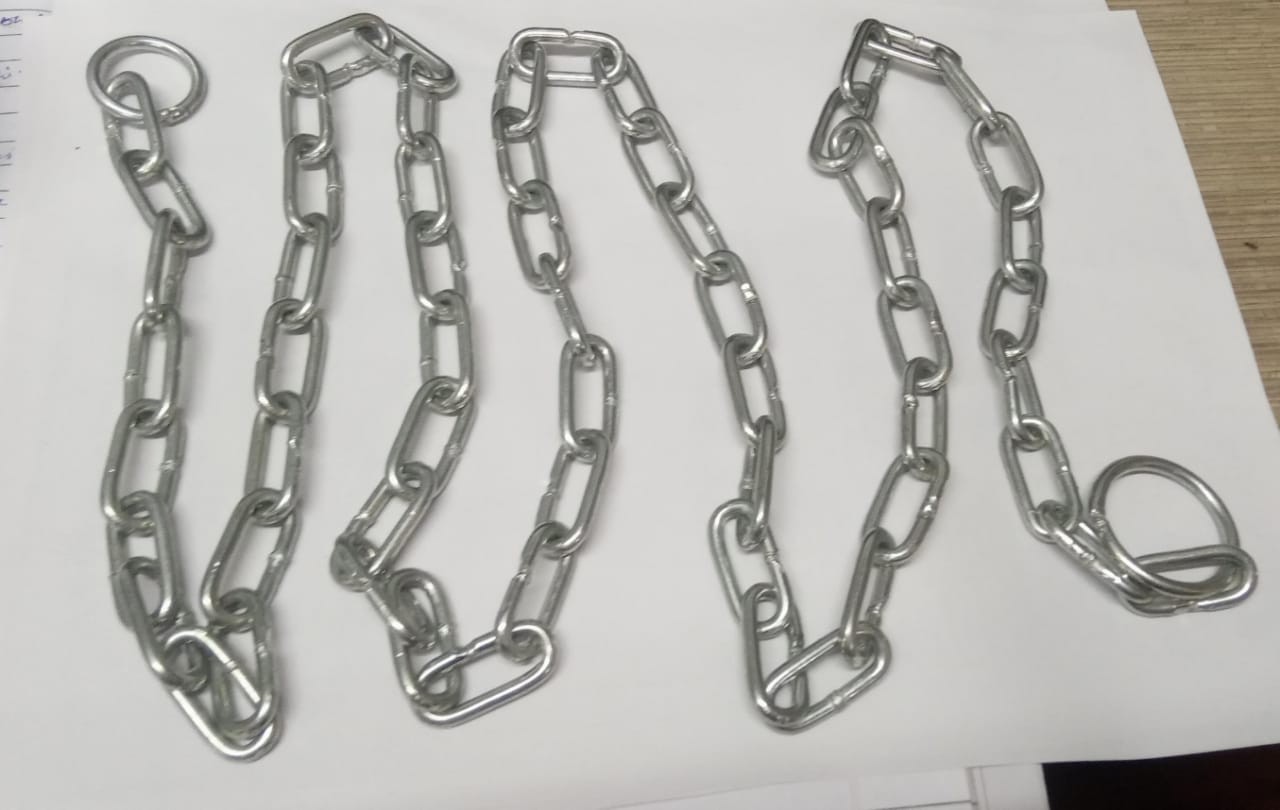
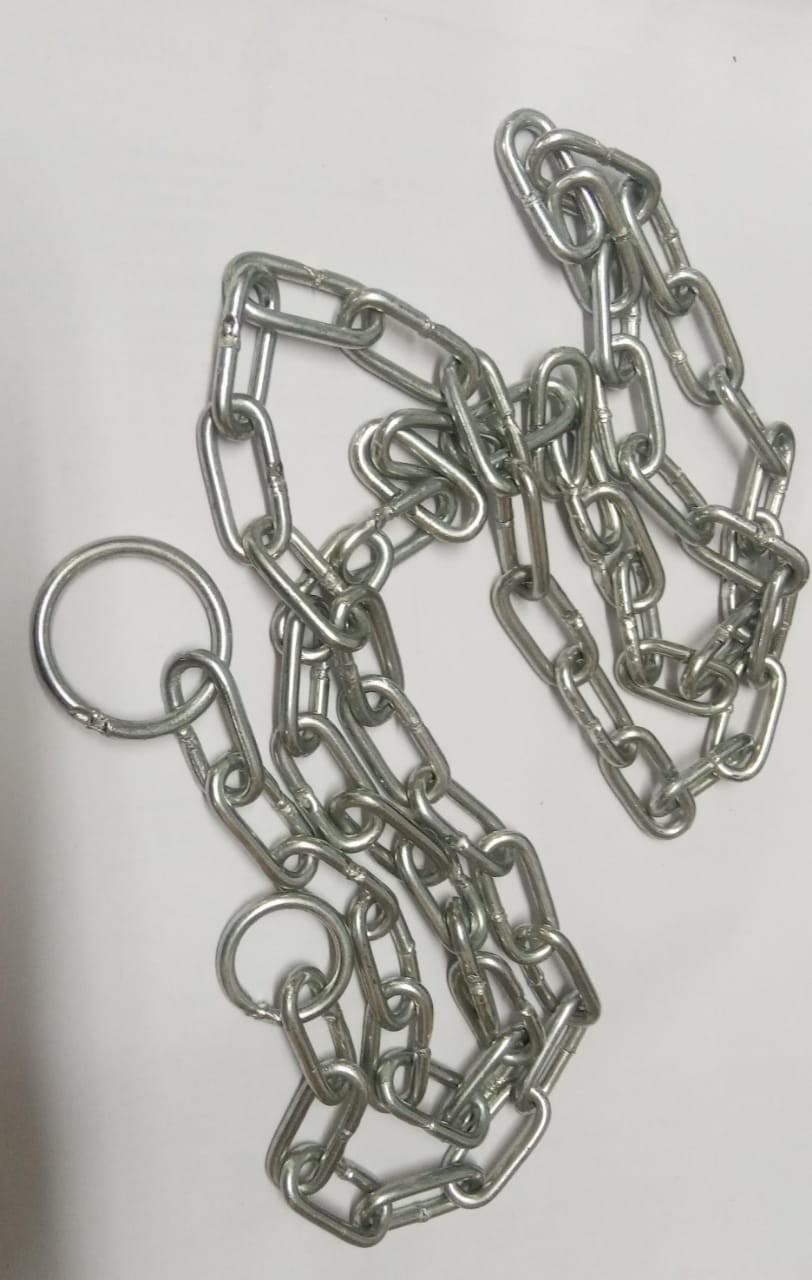
Chain
Drug Name
: NA
Drug Role
: Animal Restraint
NA
No
Ceritifcations:










Please login / register to buy or to get detailed information of the product
SKU:
Stock Available:
Batch / Lot. No:
Shelf life:
Manufacturing Date:
-
Expiry Date:
-
Minimum Pack Size:
Minimum Order Qty:
1
Pharma Categories:
Animal Handling & Restraining Equipment
Product Form:
Chain
Category:
Instruments
Group:
N/A
Type:
• Standard link chains • Heavy-duty industrial chains • Lightweight stainless steel chains for smaller animals • Chains with hooks or clamps for easy fastening
Material:
• Material: Stainless steel, galvanized steel, or alloy steel
Tags
HSN Code:
7315.12
HS Code:
7315.12.00
Country of Origin:
India
TAX:
5%
Qty per Piece:
Weight Of Each Piece(gm):
Piece Dimensions (L×W×H):
Qty per Buffer Box / Shrink Pack:
Weight of Buffer Box / Shrink Pack:
Buffer Dimensions (L×W×H):
Total Qty per Case:
Total Weight per Case:
Case Dimensions (L×W×H):
Weight / Volume:
Dimensions:
Inhouse product
Chains are versatile metal links connected to form a flexible but strong length, widely used in veterinary and agricultural settings for restraining, lifting, and securing animals or equipment. Made from high-strength steel or alloy, veterinary chains provide durability and resistance against wear, making them essential tools for handling large animals safely.
• Material: Stainless steel, galvanized steel, or alloy steel
• Length: Varies from 1 meter to 10 meters depending on application
• Link Size: Typically 5mm to 12mm diameter
• Finish: Zinc-plated or galvanized to prevent rust and corrosion
• Breaking Strength: Depends on material and link size, generally rated for heavy-duty use
• Standard link chains
• Heavy-duty industrial chains
• Lightweight stainless steel chains for smaller animals
• Chains with hooks or clamps for easy fastening
• Used to secure livestock during treatment or transportation
• Provides anchoring for gates or equipment
• Often paired with locks or hooks for enhanced security
• High tensile strength and durability
• Resistant to weather and corrosion if galvanized or stainless
• Flexible and easy to adjust length
• Reusable and low maintenance
• Can cause injury if improperly used or left unsecured
• Requires regular inspection for wear or rust
• Always inspect chain links for damage before use
• Avoid sharp edges to prevent animal injury
• Do not use chains as collars without padding to avoid harm
• Clean with mild detergent and dry thoroughly after exposure to moisture
• Store in dry, ventilated space to avoid rust
• Lubricate occasionally to maintain flexibility
• Metal chains generally not sterilized but must be cleaned and disinfected if used in clinical environments
• HSN Code: 7315.12 (Chains of iron or steel, not elsewhere specified)
• HS Code: 7315.12.00
Human Application:
Used for restraining, securing, and handling livestock such as cattle, horses, and buffaloes
1. What materials are veterinary chains made of?
Primarily stainless steel or galvanized steel for durability.
2. Can chains rust over time?
Yes, unless they are galvanized or stainless steel, chains can corrode and require maintenance.
3. Are chains safe for animal collars?
Only if properly padded; bare chains can injure animals.
4. What is the typical length of a veterinary chain?
Ranges from 1 meter to 10 meters depending on usage.
5. How should chains be stored?
In dry, ventilated areas, cleaned and dried after use.
Secure Transaction
100% secure payment
Top Brand
Trusted quality
Non Return
Due to hygiene