 +91 88281
11034
+91 88281
11034
 Need Help?


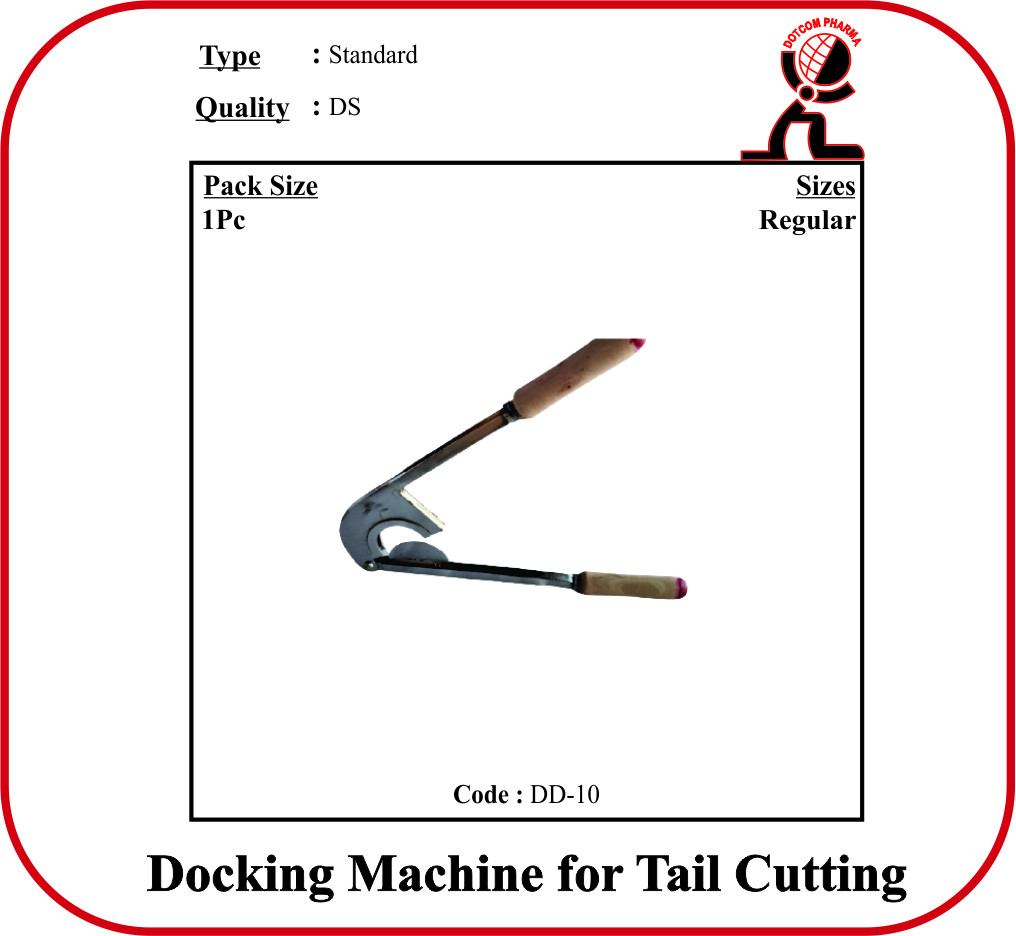
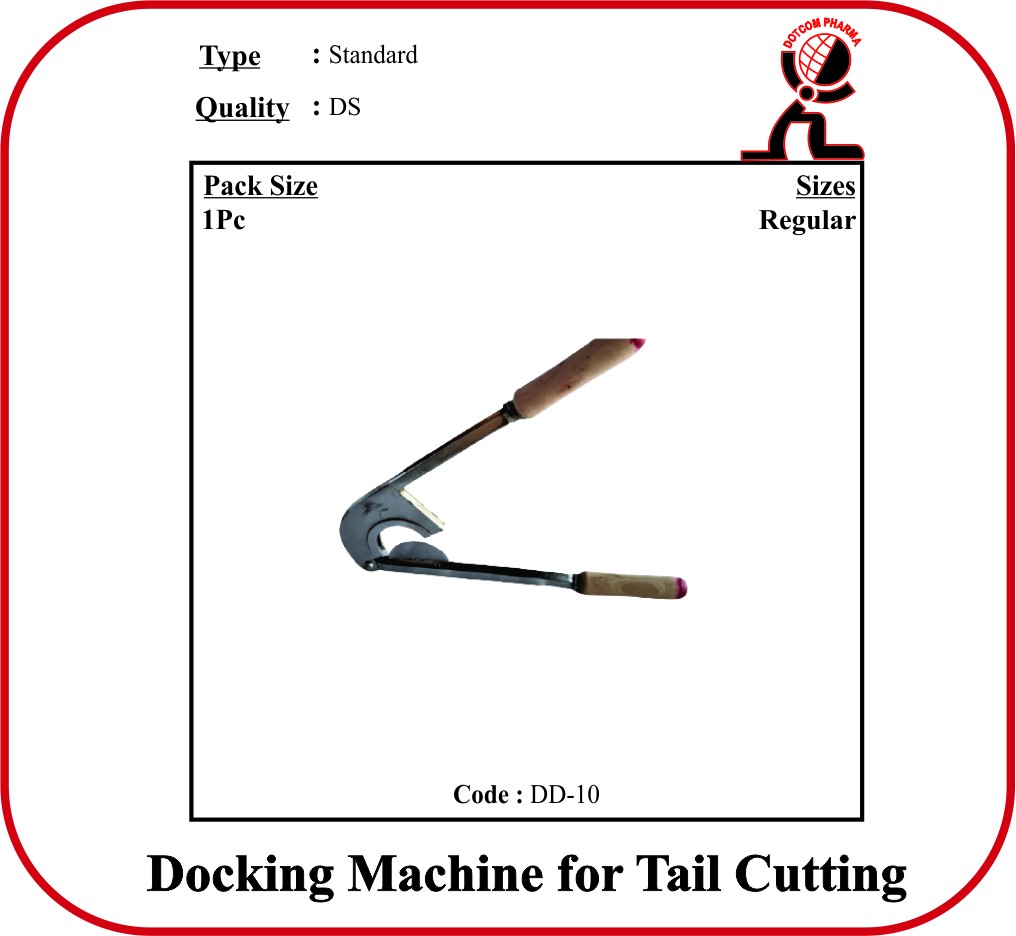
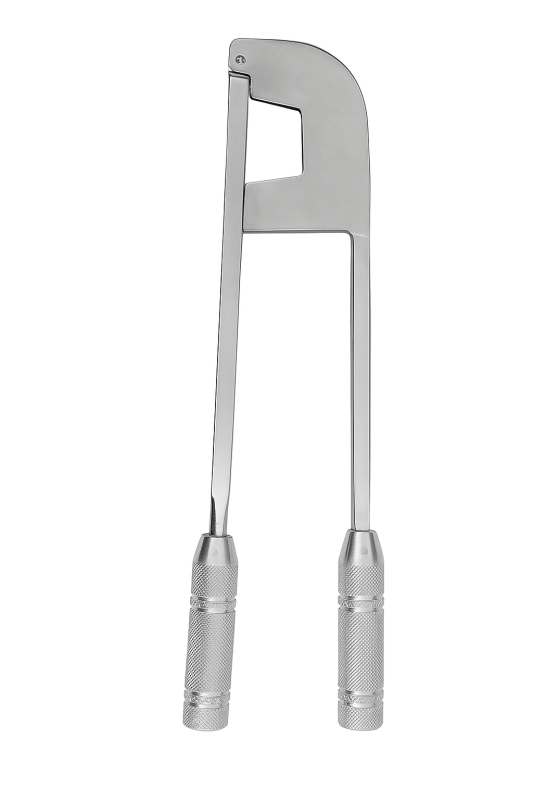
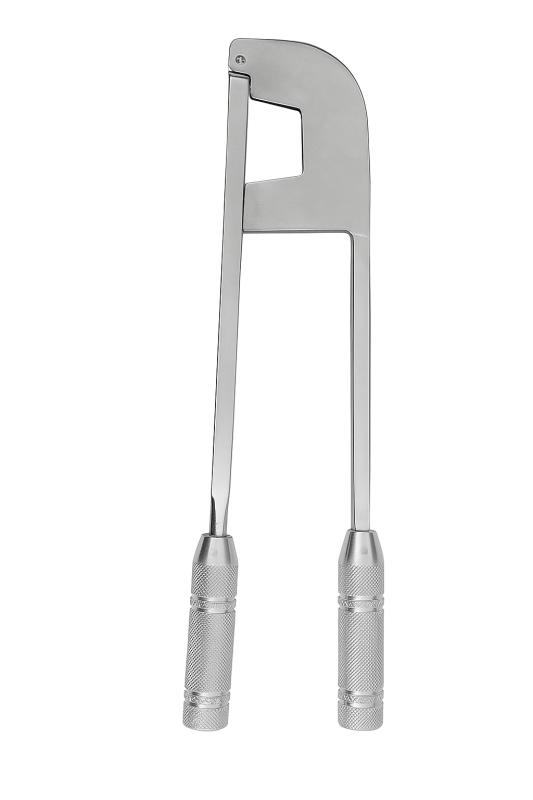
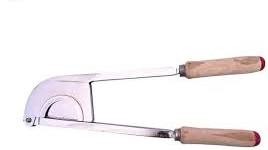
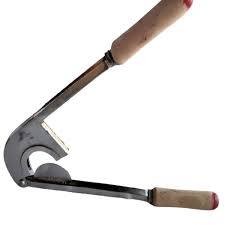
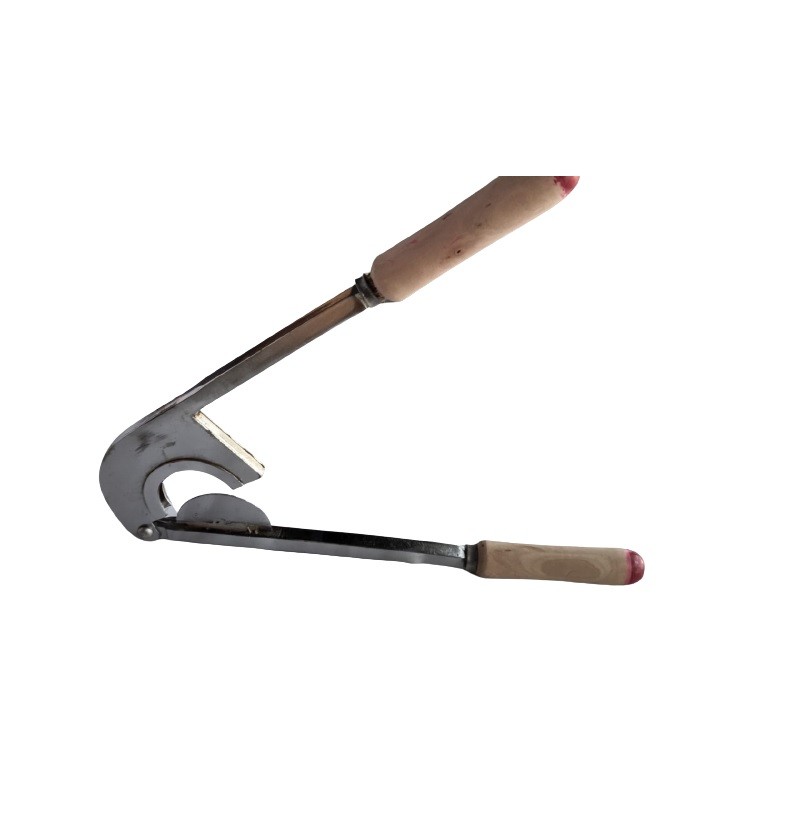
Docking Machine For Tail Cutting
Drug Name
: NA
Drug Role
: Tail Docking
NA
No
Ceritifcations:










Please login / register to buy or to get detailed information of the product
SKU:
Stock Available:
Batch / Lot. No:
Shelf life:
Manufacturing Date:
-
Expiry Date:
-
Minimum Pack Size:
Minimum Order Qty:
1
Pharma Categories:
Veterinary Surgical Instruments
Product Form:
Tail Docking Machine
Category:
Instruments
Group:
N/A
Type:
Veterinary Surgical Equipment
Material:
Stainless Steel
Tags
HSN Code:
9018.90
HS Code:
8201.90.99
Country of Origin:
Imported
TAX:
5%
Qty per Piece:
Weight Of Each Piece(gm):
Piece Dimensions (L×W×H):
Qty per Buffer Box / Shrink Pack:
Weight of Buffer Box / Shrink Pack:
Buffer Dimensions (L×W×H):
Total Qty per Case:
Total Weight per Case:
Case Dimensions (L×W×H):
Weight / Volume:
Dimensions:
Inhouse product
The Docking Machine for Tail Cutting is a specialized veterinary tool used for tail docking procedures in young animals, most commonly in dogs and pigs. The machine cuts the tail to a specific length while minimizing pain and trauma. It is designed to provide a quick, clean cut with minimal risk of infection or bleeding. Tail docking is commonly performed for aesthetic, health, or safety reasons.
• Material: Stainless steel cutting blades, durable metal body
• Size: Varies based on model (from compact handheld to large animal versions)
• Power: Manual or electric-operated models
• Blade Design: Sharp, precise cutting blades for smooth tail docking
• Handle: Ergonomically designed for controlled handling
• Manual tail docking machine
• Electric-powered tail docking machine
• Battery-operated handheld docking tools
• Tail docking sets (including clamps and cutters)
• Used for the controlled removal of part of the tail in animals
• Primarily used in farm animals, such as pigs and sheep, or dogs for specific breeds
• Facilitates easy, quick, and clean tail docking procedures
• Provides quick, clean cuts with minimal blood loss
• Reduces the risk of tail injury or infection in later life
• Essential for proper animal care and breed-specific requirements
• Efficient and easy-to-use tool
• Requires proper training to avoid excessive tissue removal
• Should not be performed on older animals unless under anaesthesia
• May cause stress to the animal if not handled gently
• Use only on appropriate age groups (typically newborns or juveniles)
• Ensure proper sterilization of the docking machine
• Perform the procedure in a calm, controlled environment with sedation or anaesthesia as necessary
• Monitor the animal post-operation for signs of infection
• Clean thoroughly after each use to remove hair and blood
• Check blades for wear or damage before every use
• Store in a clean, dry place to maintain sharpness and prevent rusting
• Disinfect before and after each use with an appropriate veterinary disinfectant
• Sterilize the blades using autoclave (if possible)
• Store the machine in a protective case to avoid contamination
• HSN Code: 8201.90
• HS Code: 8201.90.99 Applicable to surgical and veterinary cutting tools not specified elsewhere
Not for human use
Used in veterinary practice for tail docking in various animals (pigs, dogs, sheep)
Prepares animals for farm environments or specific breed standards
1. Why is tail docking necessary?
Tail docking is done for health, safety, or breed-specific aesthetic reasons.
2. Can tail docking be done without anaesthesia?
For young animals, it may not require anaesthesia, but sedation and local anaesthesia are recommended for older animals.
3. What are the risks of tail docking?
Risk of infection, bleeding, and pain if not performed properly.
4. How do I clean the docking machine?
Disinfect all parts thoroughly after each use and ensure the blades are sharp.
5. Is the docking machine reusable?
Yes, docking machines are durable and can be reused after proper sterilization.
Secure Transaction
100% secure payment
Top Brand
Trusted quality
Non Return
Due to hygiene