 +91 88281
11034
+91 88281
11034
 Need Help?


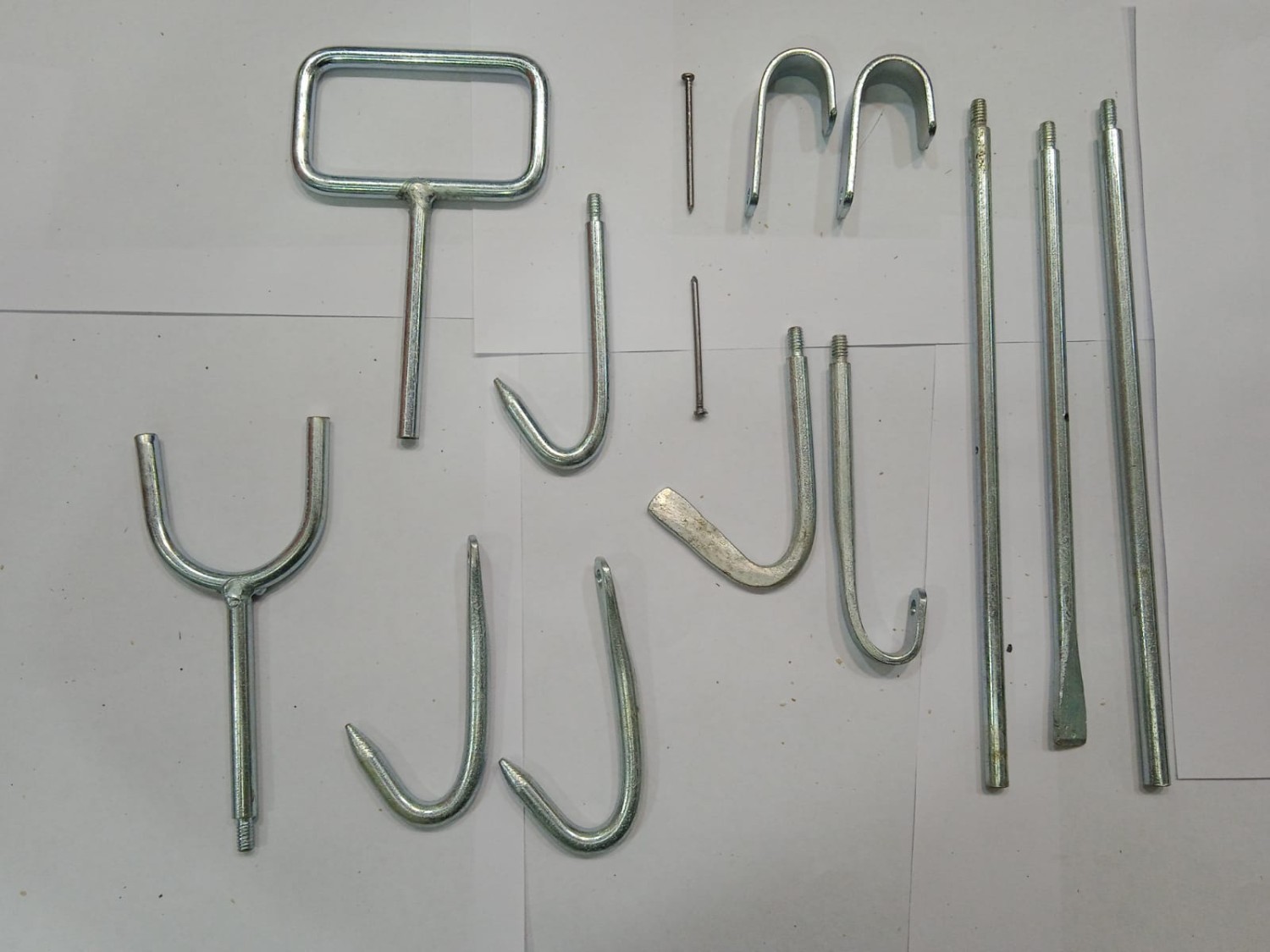
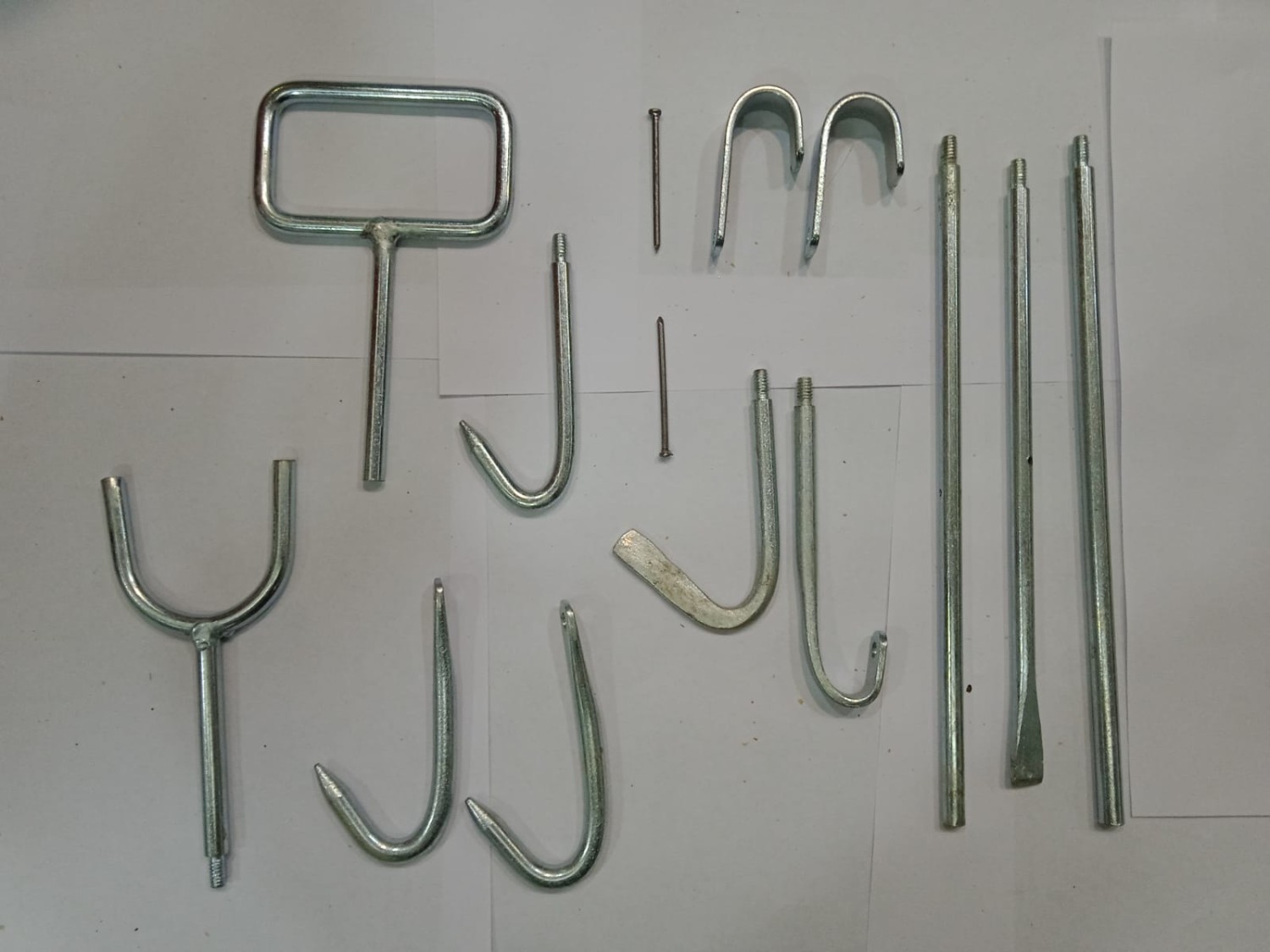
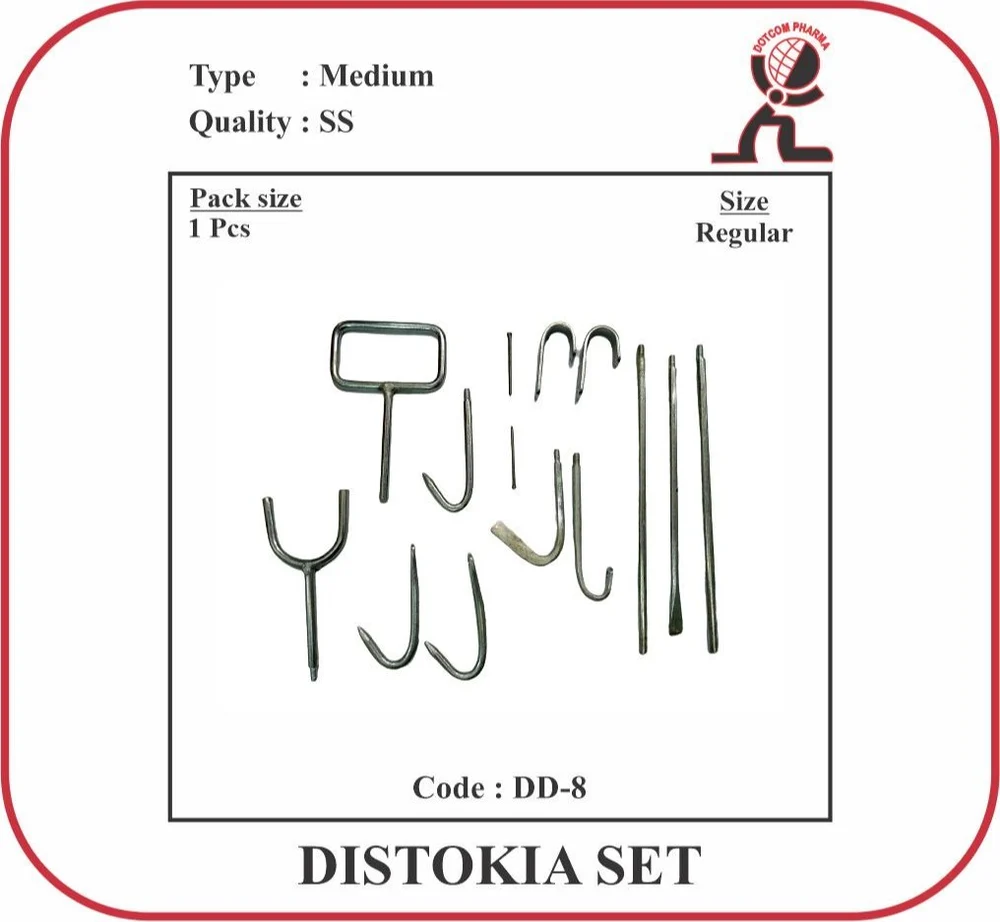
Dystocia Set
Drug Name
: NA
Drug Role
: Dystocia Management
NA
No
Ceritifcations:










Please login / register to buy or to get detailed information of the product
SKU:
Stock Available:
Batch / Lot. No:
Shelf life:
Manufacturing Date:
-
Expiry Date:
-
Minimum Pack Size:
Minimum Order Qty:
1
Pharma Categories:
Veterinary Reproductive Instruments
Product Form:
Instrument Set
Category:
Instruments
Group:
N/A
Type:
Veterinary Obstetrical Instrument Set
Material:
SS
Tags
HSN Code:
9018.90
HS Code:
9018.90.99
Country of Origin:
India
TAX:
5%
Qty per Piece:
Weight Of Each Piece(gm):
Piece Dimensions (L×W×H):
Qty per Buffer Box / Shrink Pack:
Weight of Buffer Box / Shrink Pack:
Buffer Dimensions (L×W×H):
Total Qty per Case:
Total Weight per Case:
Case Dimensions (L×W×H):
Weight / Volume:
Dimensions:
Inhouse product
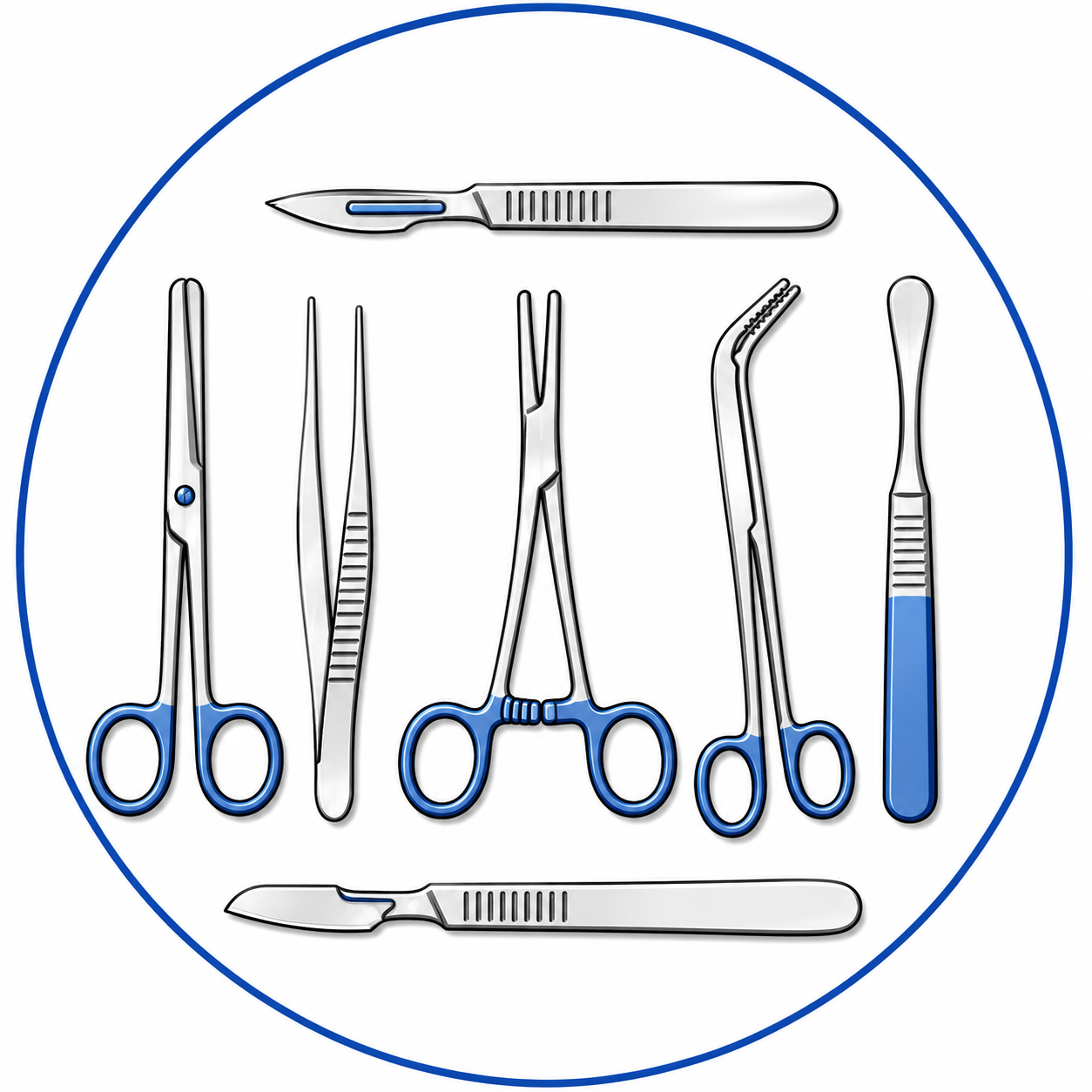
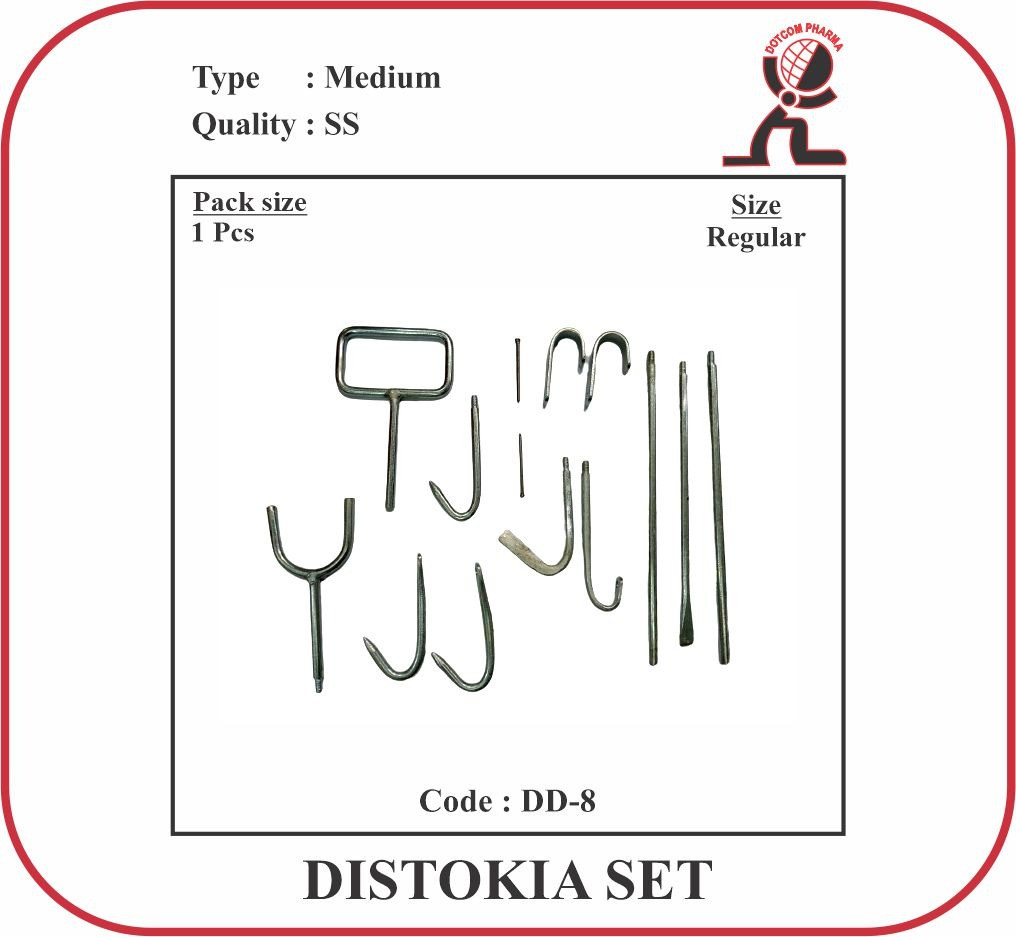
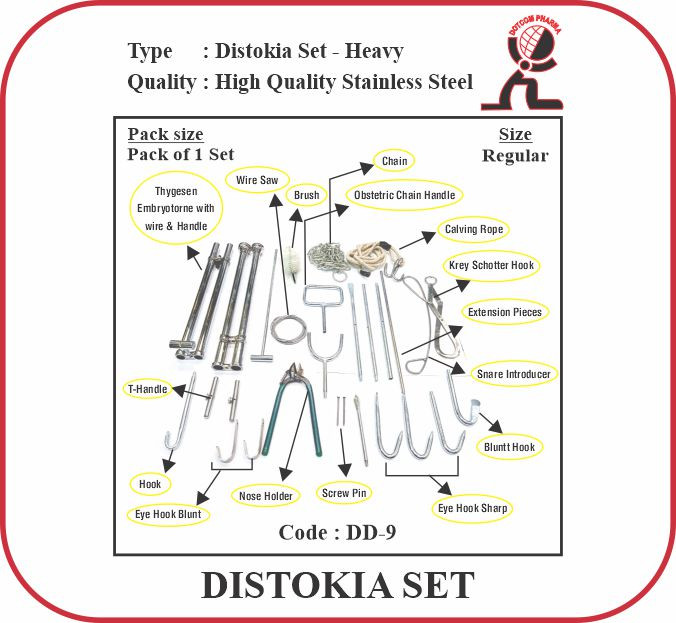
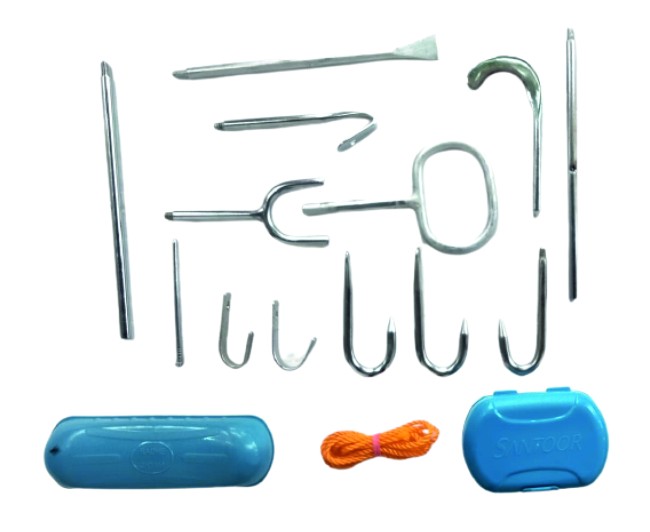
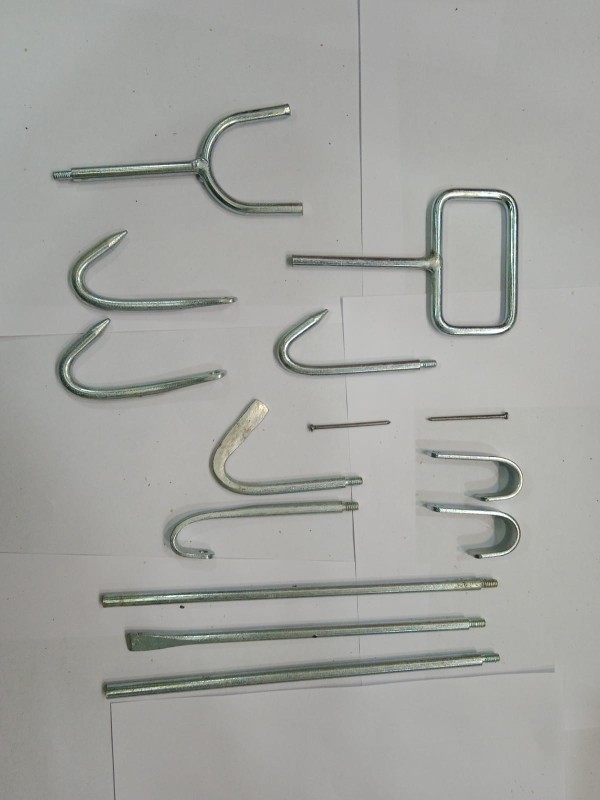
The Dystocia Set is a complete collection of obstetrical veterinary instruments used for assisting in the delivery of offspring during difficult births (dystocia). This set is used in field and clinical settings for safe extraction, repositioning, and handling of the fetus, especially in large animals like cows, buffaloes, and horses. It is essential for improving birthing outcomes and minimizing trauma to both mother and calf.
• Set Includes:
o Dystocia hooks (single/double)
o OB chains (60cm / 90cm / 120cm)
o Chain handles or OB handles
o Calf snare
o OB wire saw and handle (optional)
o Vaginal speculum (optional in some sets)
• Material: Medical-grade stainless steel or rust-proof alloy
• Packaging: Comes in stainless steel box or synthetic case
• Sterilization: Fully autoclavable components
• Basic dystocia set (hooks + chains + handles)
• Advanced set (includes speculums, snares, wire saws)
• Large animal and small ruminant variants
• Assists in guided fetal repositioning during dystocia
• Allows traction for safe extraction of the fetus
• Supports veterinarians in complex births and caesarean preparations
• All essential tools in one organized kit
• Saves time during obstetrical emergencies
• Reduces risk of trauma and mortality
• Durable, reusable, and easy to clean
• Requires trained personnel to use effectively
• Needs proper sterilization before and after use
• Some sets may be bulky for field use
• Sanitize each instrument before and after every procedure
• Use under proper restraint and possibly sedation of the animal
• Monitor both dam and fetus during assisted delivery
• Clean each tool with surgical detergent after use
• Autoclave before next procedure
• Store in a sealed, dry, and sterile container or wrap
• Check for rust or breakage regularly
• Autoclave at 121–134°C for 15–30 minutes
• Use glutaraldehyde or chlorhexidine solution for chemical sterilization
• Dry instruments thoroughly to avoid corrosion
• HSN Code: 9018.90
• HS Code: 9018.90.99 Category: Veterinary surgical/obstetric instrument sets, not classified elsewhere
Not applicable
Used in large animal obstetrics to manage and resolve dystocia
Supports safe delivery in cows, buffaloes, goats, horses, etc.
1. What does a dystocia set include?
Typically OB chains, hooks, handles, snares, and sometimes speculums or wire saws.
2. Is the dystocia set reusable?
Yes, it is made of surgical-grade stainless steel and is autoclavable.
3. Who uses dystocia sets?
Veterinary professionals trained in obstetrics.
4. Can it be used on small animals?
Usually designed for large animals, but some sets have variants for small ruminants.
5. How is it sterilized?
Via autoclave or chemical disinfection methods
Secure Transaction
100% secure payment
Top Brand
Trusted quality
Non Return
Due to hygiene