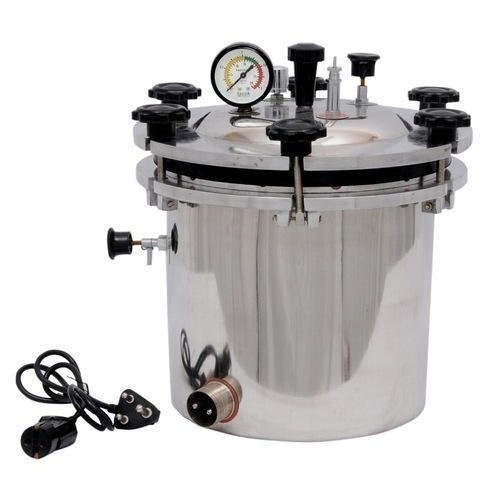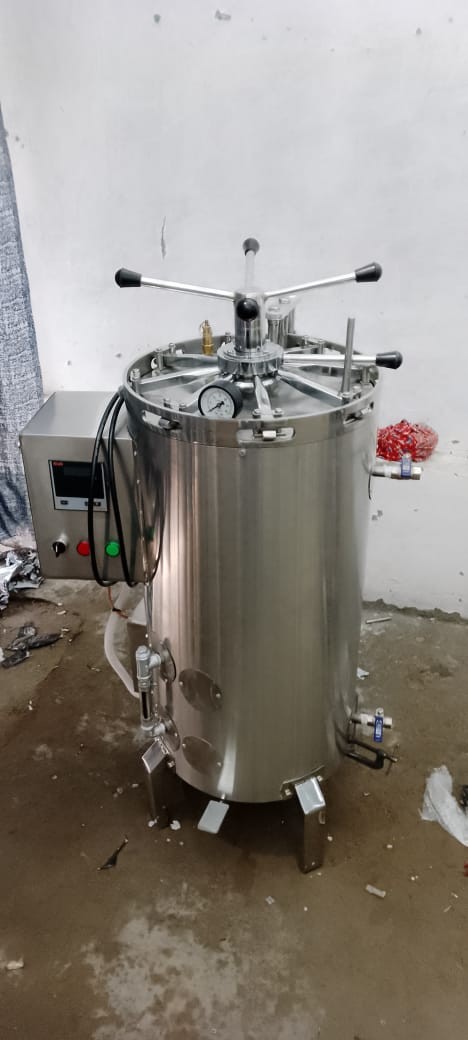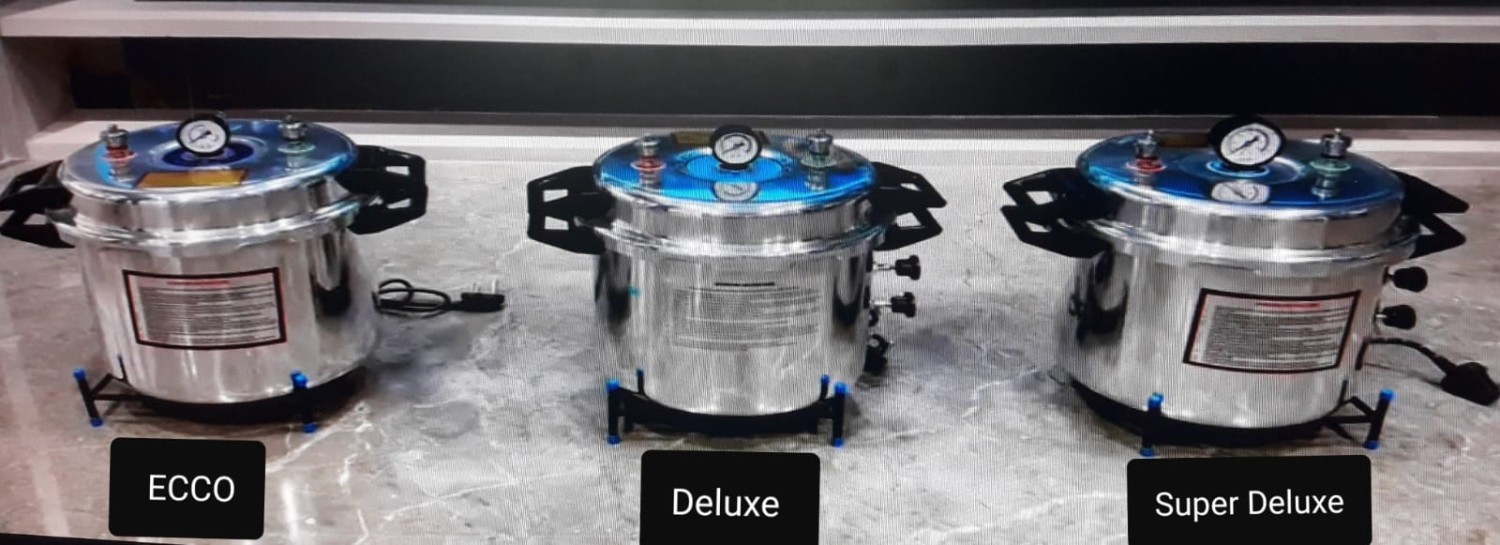
Autoclave Electric

Drug Name

: NA

Drug Role

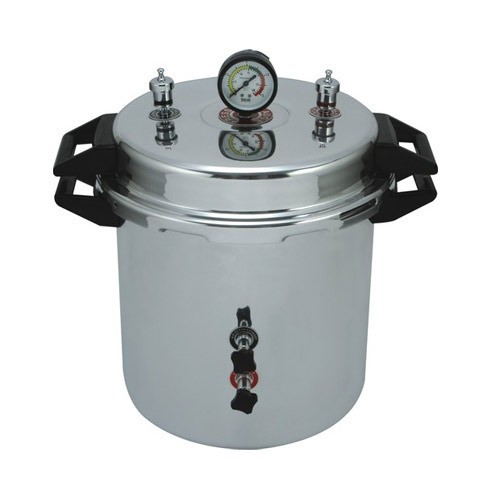
: An electric autoclave uses pressurized steam (121–134°C) to sterilize instruments in healthcare, labs, and veterinary fields.

Schedule:
NA
Prescription Required:
No
Brand / Mfg:
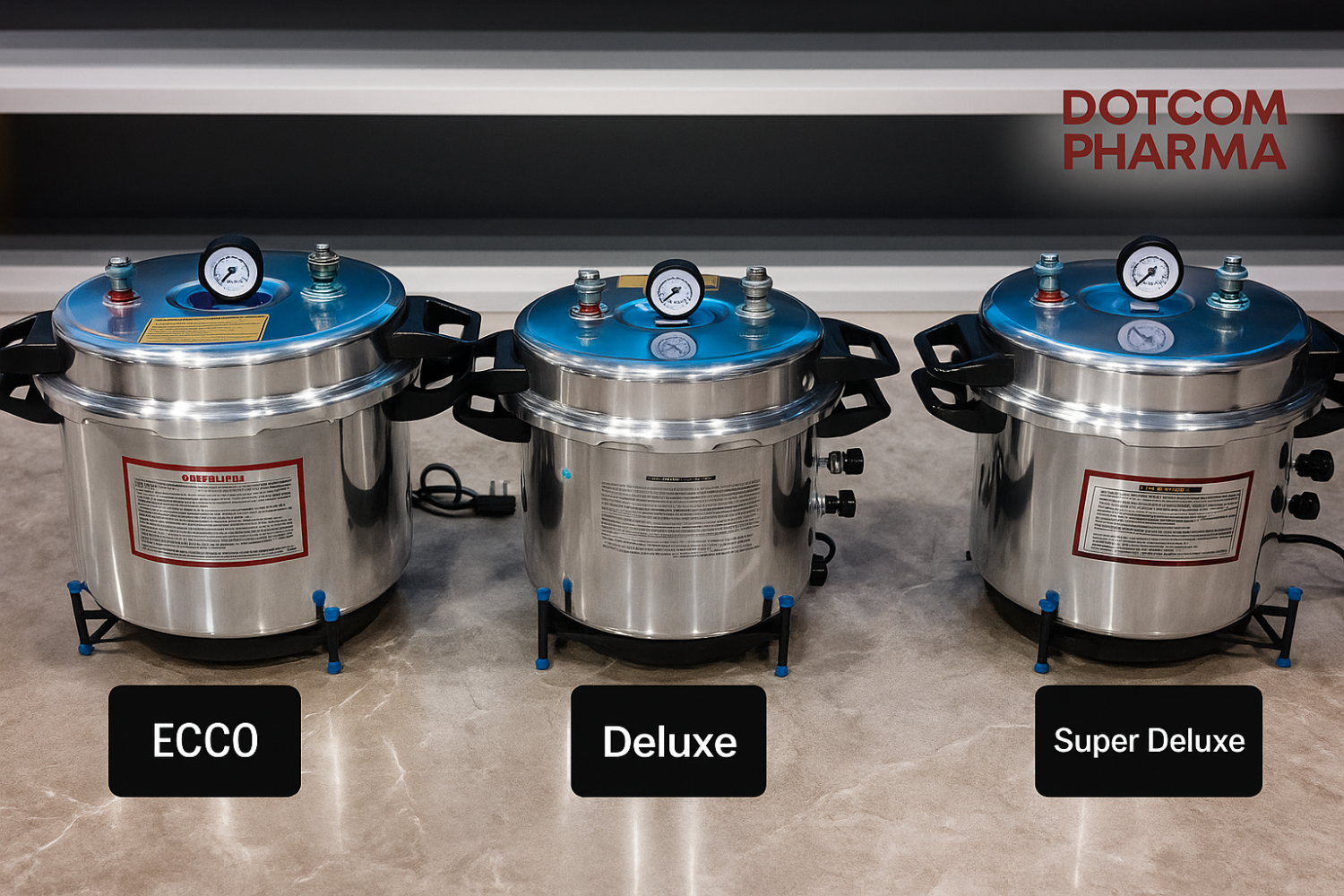
DOTCOM PHARMA
/ Piece
MRP: Inclusive of all taxes
Discount Applied:
MRP
-
Price
-
-
Discount
-
-
+ Tax
-
-
Total You Save
-
You Save:
Type
Size
Quality
Made
Quantity
(10 available)
Total Amount Product Wise:

Ceritifcations:

Certificate
Certificate
Certificate
Certificate
Certificate
Certificate
Certificate
Certificate
Certificate
Certificate

Please login / register to buy or to get detailed information of the product

SKU:

Stock Available:

Batch / Lot. No:

Shelf life:

Manufacturing Date:

-

Expiry Date:

-

Minimum Pack Size:

Minimum Order Qty:

1

Product Form:

• Electric-powered steam sterilizers • Semi-automatic / Fully automatic • Digital controls, programmable cycles • IoT-enabled remote monitoring options

Category:

Veterinary

Group:

N/A

Type:

veterinary liquid injection

Material:

liquid injection

HSN Code:

84192010

HS Code:

8419.20

Country of Origin:

india

TAX:

5%

Qty per Piece:

Weight Of Each Piece:

Piece Dimensions (L×W×H):

Qty per Buffer Box / Shrink Pack:

Weight of Buffer Box / Shrink Pack:

Buffer Dimensions (L×W×H):

Total Qty per Case:

Total Weight per Case:

Case Dimensions (L×W×H):

Weight / Volume:

Dimensions:

Estimate Shipping Time: 7 Days

Inhouse product

An electric autoclave uses pressurized steam (121–134°C) to sterilize instruments in healthcare, labs, and veterinary fields.

Parameter                                                                                Typical Range / Detail

Chamber Material                                                                   Stainless Steel 304 or 316

Chamber Volume                                                                      2 L to 150+ L (varies by model)

Operating Temperature                                                           121°C (standard) to 134°C (flash sterilization)

Operating Pressure                                                                  15 psi (approx. 1 bar) to 30 psi

Power Supply                                                                           110V/220V, Single Phase or Three Phase, 50/60 Hz

Power Consumption                                                                 1.5 kW to 6 kW depending on size and features

Cycle Time                                                                               15–45 minutes depending on load and cycle type

Control System                                                                        Microprocessor-based, digital display, programmable

Safety Features                                                                        Automatic door lock, pressure release valve, temperature                                                                                                                sensors, alarms

Water Requirement                                                                  Distilled or deionized water preferred, 2–50 liters per cycle                                                                                                              depending on size

Weight                                                                                      25 kg (small tabletop) to 300+ kg (large models)

Dimensions (Typical)                                                                Small: 40x40x60 cm; Medium: 60x60x80 cm; Large: varies

Sterilization Cycles                                                                   Gravity, vacuum-assisted (Class B), flash sterilization

Certifications                                                                             ISO 13485, CE, FDA (varies by manufacturer)

•  By Design: Vertical (Top-loading) Horizontal (Front-loading) Tabletop / Portable

•  By Functionality:

Class N (basic, unwrapped) Class B (advanced, wrapped & hollow) Class S (custom cycles)

Size Category                         Volume Range                                    Usage

Small                                          2–20 Liters                                      Dental, small clinics

Medium                                     20–100 Liters                                  Clinics, labs

Large                                         100+ Liters                                      Hospitals, industrial labs

•  Chamber: Stainless Steel (304/316)

•  Seals: High-grade Silicone

•  Exterior: Powder-coated/Stainless steel

•  Heating Element: Nichrome or Ceramic insulated

•  Electric-powered steam sterilizers

•  Semi-automatic / Fully automatic

•  Digital controls, programmable cycles

•  IoT-enabled remote monitoring options

Human Medical

•  Sterilization of surgical instruments, syringes, dressings

•  Hospital waste decontamination

•  Dental, gynaecology, microbiology labs

Veterinary

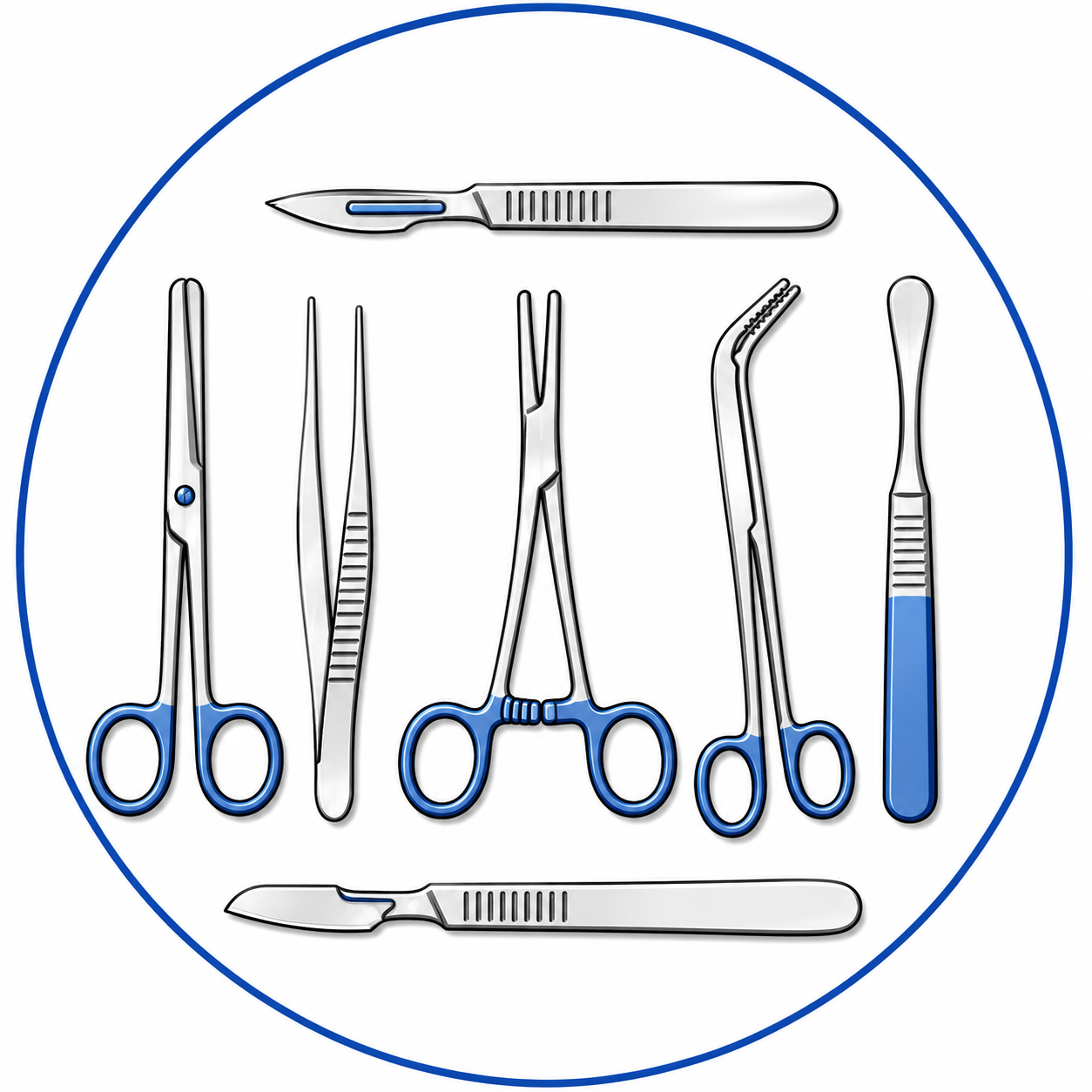
•  Sterilization of veterinary surgical tools

•  Preparation of biological media

•  Sterilizing bedding and supplies

•  Portable units for field clinic

•  Standard cycle: 121°C, 15 psi, 15–30 min

•  Advanced cycles at 134°C with vacuum-assisted air removal

• Gravity displacement or vacuum-assisted steam penetration

•  Validation using chemical and spore indicators

•  Highly effective sterilization of spores, bacteria, fungi

•  Cost-effective reuse of instruments

•  Environmentally friendly alternative to chemicals

•  Automated monitoring increases safety and compliance

•  Not suitable for heat-sensitive materials

•  Overloading reduces sterilization efficiency

•  Higher upfront costs, especially for advanced Class B autoclaves

•  Requires stable water and power supplies

•  Avoid sterilizing sealed liquid containers (explosion risk)

•  Do NOT use aluminum foil wraps

Avoid overloading chamber; allow proper steam circulation

•  Regularly inspect and maintain gasket integrity

•  Wait until pressure is fully released before opening

•  Use heat-resistant gloves when handling hot loads

•  Daily: Clean chamber and drain

•  Weekly: Check for scale and residue

•  Monthly: Inspect gaskets, test sterilization indicators

•  Annually: Professional calibration and validation

•  HSN Code: 84192010 – Medical and laboratory steam sterilizers

•  HS Code: 8419.20 -- Steam sterilizers, autoclaves, used for medical/laboratory sterilization

Q1: Can plastics like syringes be autoclaved?

Only autoclave-safe plastics (e.g., polypropylene) are suitable; others may melt or deform.

Q2: Is distilled water required?

Yes, to avoid scale buildup and prolong autoclave life.

Q3: Can liquids be sterilized?

Yes, but only in vented containers and with slow cooling to avoid explosion.

Q4: What is the difference between Class N and Class B autoclaves?

Class B uses vacuum cycles suitable for wrapped and hollow instruments; Class N does not support these.

Secure Transaction

100% secure payment

Top Brand

Trusted quality

Non Return

Due to hygiene
Refund
Not Applicable
Share
Top Selling Products
0 out of 5.0
(0 reviews)
There have been no reviews for this product yet.

An electric autoclave uses pressurized steam (121–134°C) to sterilize instruments in healthcare, labs, and veterinary fields.

Parameter                                                                                Typical Range / Detail

Chamber Material                                                                   Stainless Steel 304 or 316

Chamber Volume                                                                      2 L to 150+ L (varies by model)

Operating Temperature                                                           121°C (standard) to 134°C (flash sterilization)

Operating Pressure                                                                  15 psi (approx. 1 bar) to 30 psi

Power Supply                                                                           110V/220V, Single Phase or Three Phase, 50/60 Hz

Power Consumption                                                                 1.5 kW to 6 kW depending on size and features

Cycle Time                                                                               15–45 minutes depending on load and cycle type

Control System                                                                        Microprocessor-based, digital display, programmable

Safety Features                                                                        Automatic door lock, pressure release valve, temperature                                                                                                                sensors, alarms

Water Requirement                                                                  Distilled or deionized water preferred, 2–50 liters per cycle                                                                                                              depending on size

Weight                                                                                      25 kg (small tabletop) to 300+ kg (large models)

Dimensions (Typical)                                                                Small: 40x40x60 cm; Medium: 60x60x80 cm; Large: varies

Sterilization Cycles                                                                   Gravity, vacuum-assisted (Class B), flash sterilization

Certifications                                                                             ISO 13485, CE, FDA (varies by manufacturer)

•  By Design: Vertical (Top-loading) Horizontal (Front-loading) Tabletop / Portable

•  By Functionality:

Class N (basic, unwrapped) Class B (advanced, wrapped & hollow) Class S (custom cycles)

Size Category                         Volume Range                                    Usage

Small                                          2–20 Liters                                      Dental, small clinics

Medium                                     20–100 Liters                                  Clinics, labs

Large                                         100+ Liters                                      Hospitals, industrial labs

•  Chamber: Stainless Steel (304/316)

•  Seals: High-grade Silicone

•  Exterior: Powder-coated/Stainless steel

•  Heating Element: Nichrome or Ceramic insulated

•  Electric-powered steam sterilizers

•  Semi-automatic / Fully automatic

•  Digital controls, programmable cycles

•  IoT-enabled remote monitoring options

Human Medical

•  Sterilization of surgical instruments, syringes, dressings

•  Hospital waste decontamination

•  Dental, gynaecology, microbiology labs

Veterinary

•  Sterilization of veterinary surgical tools

•  Preparation of biological media

•  Sterilizing bedding and supplies

•  Portable units for field clinic

•  Standard cycle: 121°C, 15 psi, 15–30 min

•  Advanced cycles at 134°C with vacuum-assisted air removal

• Gravity displacement or vacuum-assisted steam penetration

•  Validation using chemical and spore indicators

•  Highly effective sterilization of spores, bacteria, fungi

•  Cost-effective reuse of instruments

•  Environmentally friendly alternative to chemicals

•  Automated monitoring increases safety and compliance

•  Not suitable for heat-sensitive materials

•  Overloading reduces sterilization efficiency

•  Higher upfront costs, especially for advanced Class B autoclaves

•  Requires stable water and power supplies

•  Avoid sterilizing sealed liquid containers (explosion risk)

•  Do NOT use aluminum foil wraps

Avoid overloading chamber; allow proper steam circulation

•  Regularly inspect and maintain gasket integrity

•  Wait until pressure is fully released before opening

•  Use heat-resistant gloves when handling hot loads

•  Daily: Clean chamber and drain

•  Weekly: Check for scale and residue

•  Monthly: Inspect gaskets, test sterilization indicators

•  Annually: Professional calibration and validation

•  HSN Code: 84192010 – Medical and laboratory steam sterilizers

•  HS Code: 8419.20 -- Steam sterilizers, autoclaves, used for medical/laboratory sterilization

Q1: Can plastics like syringes be autoclaved?

Only autoclave-safe plastics (e.g., polypropylene) are suitable; others may melt or deform.

Q2: Is distilled water required?

Yes, to avoid scale buildup and prolong autoclave life.

Q3: Can liquids be sterilized?

Yes, but only in vented containers and with slow cooling to avoid explosion.

Q4: What is the difference between Class N and Class B autoclaves?

Class B uses vacuum cycles suitable for wrapped and hollow instruments; Class N does not support these.

0 out of 5.0
(0 reviews)
There have been no reviews for this product yet.

More From Instruments

Top Selling Products
Search any image
Drag an image here or upload a file
Or