 +91 88281
11034
+91 88281
11034
 Need Help?




Groove Director
Drug Name
: NA
Drug Role
: Protective Footwear
NA
No
Ceritifcations:










Please login / register to buy or to get detailed information of the product
SKU:
Stock Available:
Batch / Lot. No:
Shelf life:
Manufacturing Date:
-
Expiry Date:
-
Minimum Pack Size:
Minimum Order Qty:
1
Pharma Categories:
Protective Wear & Safety Equipment
Product Form:
Gum Boot
Category:
Instruments
Group:
N/A
Type:
Protective Safety Footwear
Material:
PVC
Tags
HSN Code:
9018
HS Code:
9018.90
Country of Origin:
Imported
TAX:
5%
Qty per Piece:
Weight Of Each Piece(gm):
Piece Dimensions (L×W×H):
Qty per Buffer Box / Shrink Pack:
Weight of Buffer Box / Shrink Pack:
Buffer Dimensions (L×W×H):
Total Qty per Case:
Total Weight per Case:
Case Dimensions (L×W×H):
Weight / Volume:
Dimensions:
Inhouse product
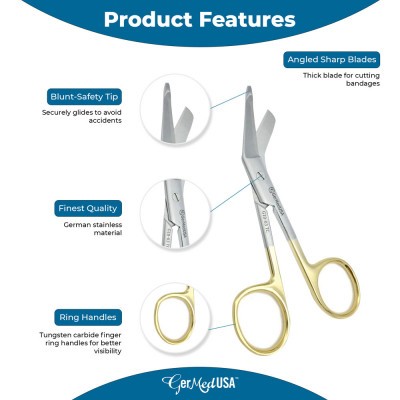
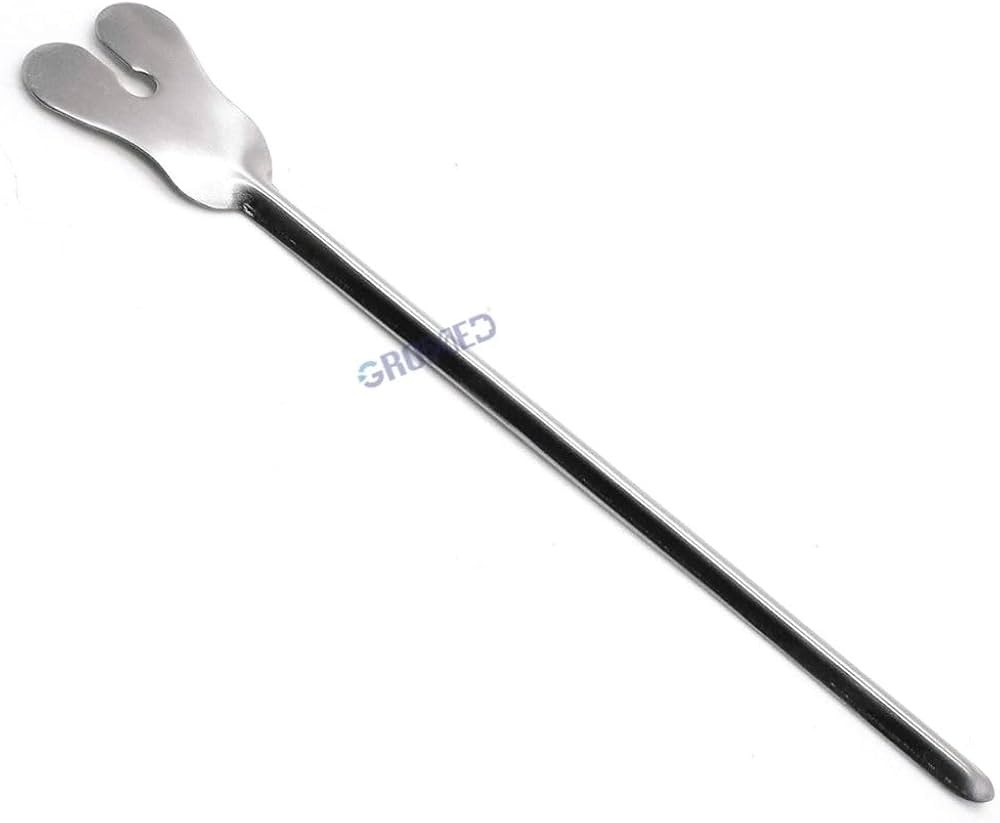
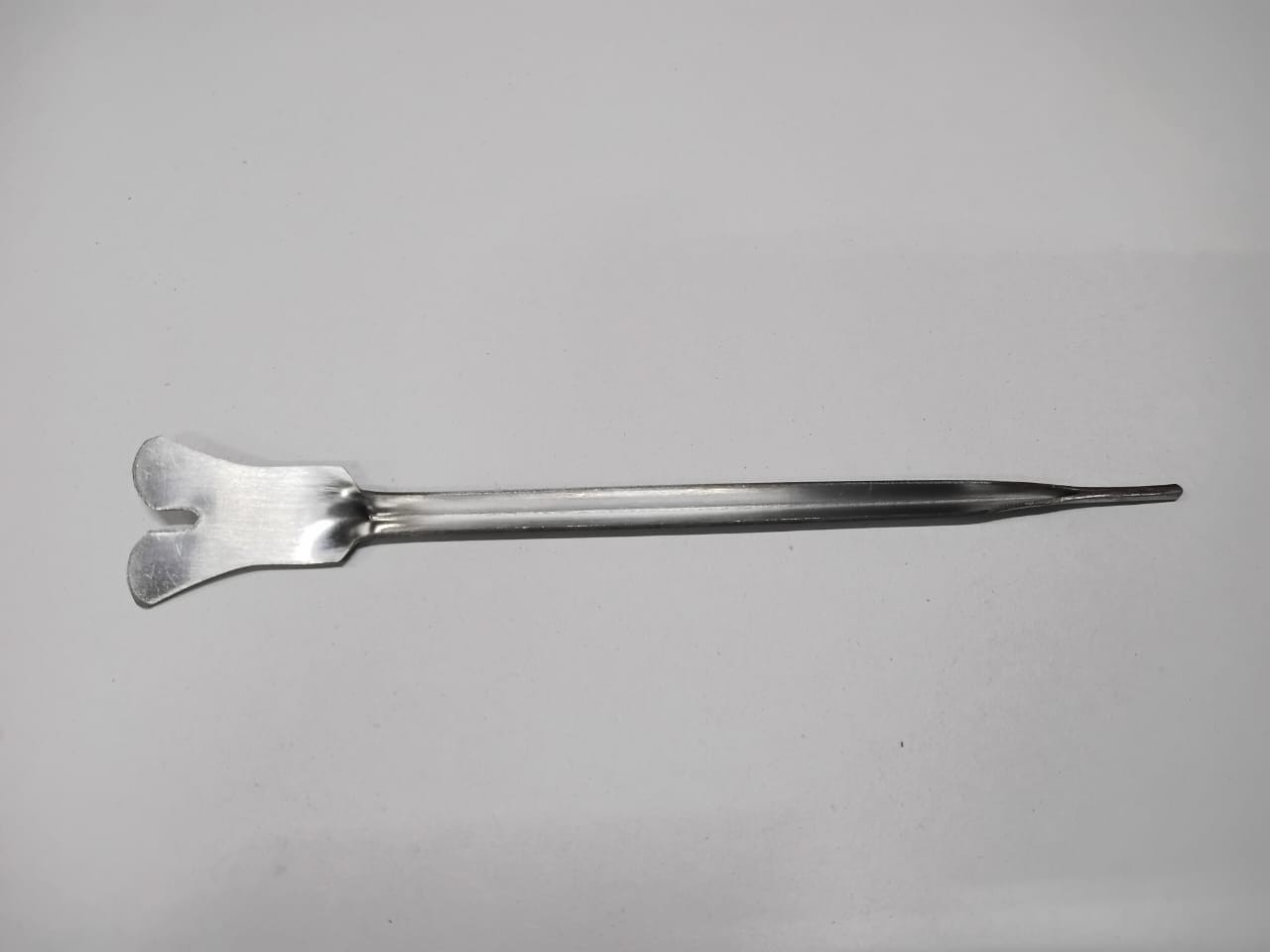
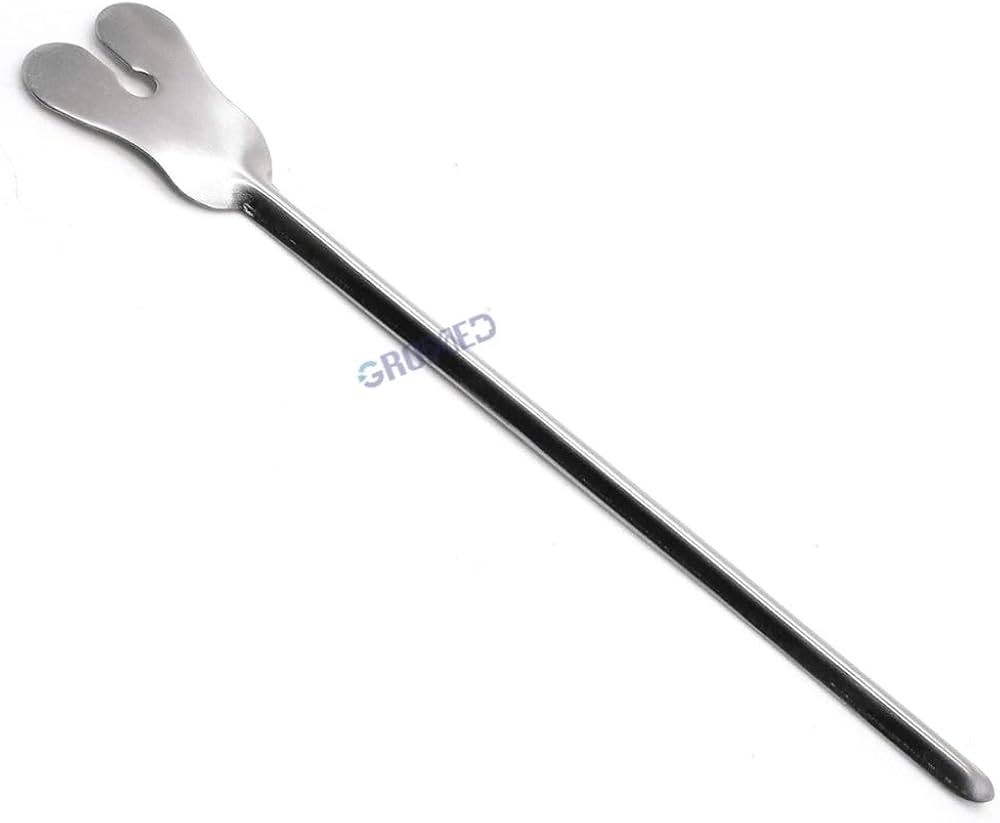
A groove director is a veterinary surgical instrument used to guide and control the incision made with a scalpel or other sharp instruments during surgery. It helps ensure precision, safety, and directional control, particularly in delicate or deep tissue procedures.
• Length: Usually 5 to 6 inches (12–15 cm)
• Material: High-grade surgical stainless steel
• Finish: Matte or satin to reduce glare
• Groove Width: Narrow channel to fit scalpel blades
• End Types: One end with a grooved guide and the other may be blunt or slightly curved for tissue separation
• Sterilization: Fully autoclavable
• Standard Size: 5–6 inches
• Miniature Size: Available for small animal procedures
• Custom Sizes: Available from some manufacturers
• Straight groove director
• Curved groove director (for deeper or angled incisions)
• Probe-ended groove director (combines director and tissue probe)
• Standard groove director
• Probe-ended groove director
• Double-ended groove director (rare)
• Curved tip groove director
• Stainless Steel: Preferred for surgical use due to durability, corrosion resistance, and sterilization compatibility
• Titanium (rare): Lightweight, non-magnetic, used in some advanced surgical kits
• Surgical Instruments
• Veterinary Surgical Tools
• Soft Tissue Instruments
• Individually packed (sterile or non-sterile)
• Sets (as part of surgical kits)
• Reusable and autoclavable instruments
• Directs the path of the scalpel during incision
• Protects underlying tissues from accidental injury
• Helps in procedures involving fistulas, abscesses, or deep dissection
• Used in both major and minor surgeries for various animal species
• Prevents accidental damage during incisions
• Ensures smooth, straight surgical cuts
• Improves surgical precision and safety
• Easy to clean and sterilize
• Reusable and cost-effective
• Misuse can lead to incorrect incisions
• Requires training for effective use
• Limited to surgical applications
• Must be handled with sterile precautions
• Always sterilize before and after use
• Ensure correct positioning before scalpel use
• Inspect for damage or wear before each procedure
• Store in a sterile, dry environment
• Avoid bending or forcing the instrument
• HS Code: 9018.90 (Instruments and appliances used in veterinary sciences)
• HSN Code: 9018 (Medical, surgical, dental or veterinary instruments and apparatus)
• Hold by the blunt end for controlled positioning
• Align the groove precisely with the intended incision path
• Clean thoroughly with a brush after use
• Do not mix with sharp instruments during cleaning to prevent damage
• Autoclaving: Recommended method (121°C – 134°C)
• Chemical Disinfection: For quick sterilization (glutaraldehyde-based solutions)
• Ultrasonic Cleaning: Effective for removing tissue residues
• Dry Heat: Acceptable but less common
• Commonly used in small animal surgeries (cats, dogs, rabbits)
•Employed in large animal surgeries (livestock) where deep incisions are needed
• Especially useful in fistula exploration, abscess drainage, and minor surgical explorations
• Helps maintain safety when working around delicate structures like nerves or vessel
• Used similarly in human surgeries
• Guides scalpel incisions in ENT, urology, and general surgeries
• Often included in minor surgical kits for tissue exploration
Q1: What is a groove director?
A groove director is a surgical tool used to guide a scalpel during incisions to ensure precision and safety.
Q2: What material is a groove director made of?
It is typically made from high-grade surgical stainless steel for durability and sterilization compatibility.
Q3: How is a groove director sterilized?
It is usually autoclaved, but it can also be sterilized using chemical disinfectants or ultrasonic cleaning.
Q4: Can groove directors be reused?
Yes, if made of stainless steel, they are reusable after proper sterilization.
Q5: What is the HS code for groove directors?
9018.90 under surgical and veterinary instruments.
Secure Transaction
100% secure payment
Top Brand
Trusted quality
Non Return
Due to hygiene