 +91 88281
11034
+91 88281
11034
 Need Help?



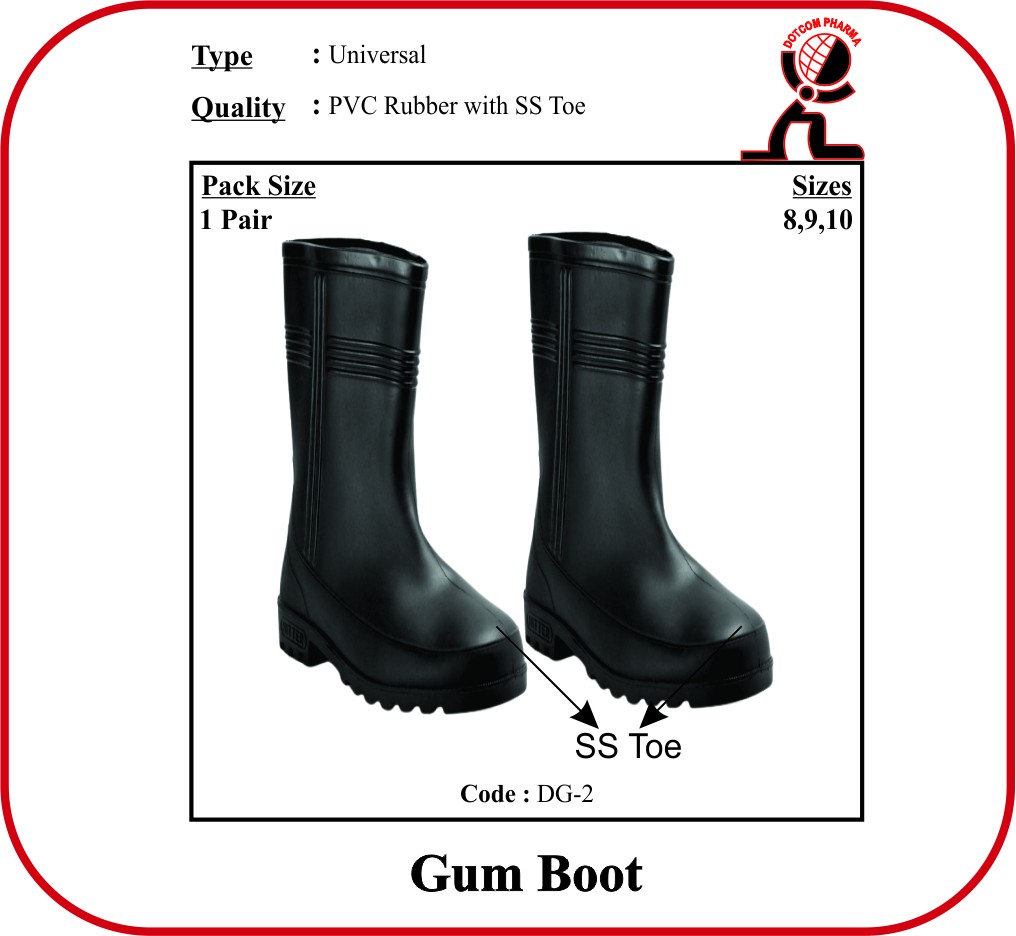
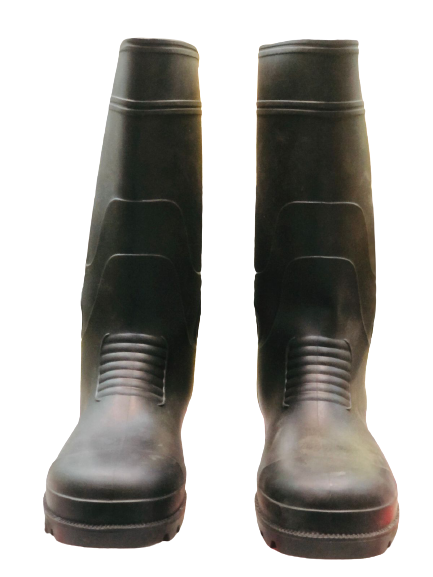
Gum Boot
Drug Name
: NA
Drug Role
: Protective Footwear
NA
No
Ceritifcations:










Please login / register to buy or to get detailed information of the product
SKU:
Stock Available:
Batch / Lot. No:
Shelf life:
Manufacturing Date:
-
Expiry Date:
-
Minimum Pack Size:
Minimum Order Qty:
1
Pharma Categories:
Protective Wear & Safety Equipment
Product Form:
Gum Boot
Category:
Instruments
Group:
N/A
Type:
Protective Safety Footwear
Material:
PVC
Tags
HSN Code:
6401
HS Code:
6401.10
Country of Origin:
India
TAX:
5%
Qty per Piece:
Weight Of Each Piece(gm):
Piece Dimensions (L×W×H):
Qty per Buffer Box / Shrink Pack:
Weight of Buffer Box / Shrink Pack:
Buffer Dimensions (L×W×H):
Total Qty per Case:
Total Weight per Case:
Case Dimensions (L×W×H):
Weight / Volume:
Dimensions:
Inhouse product
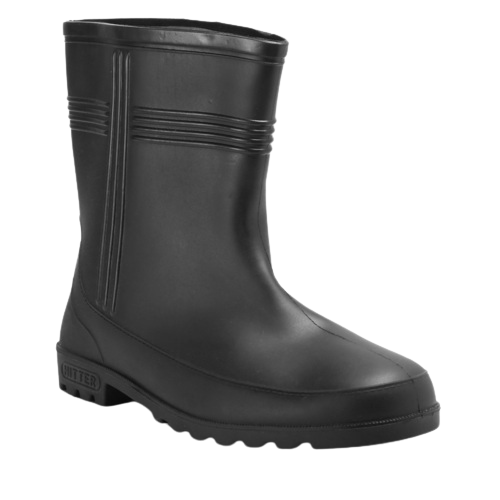
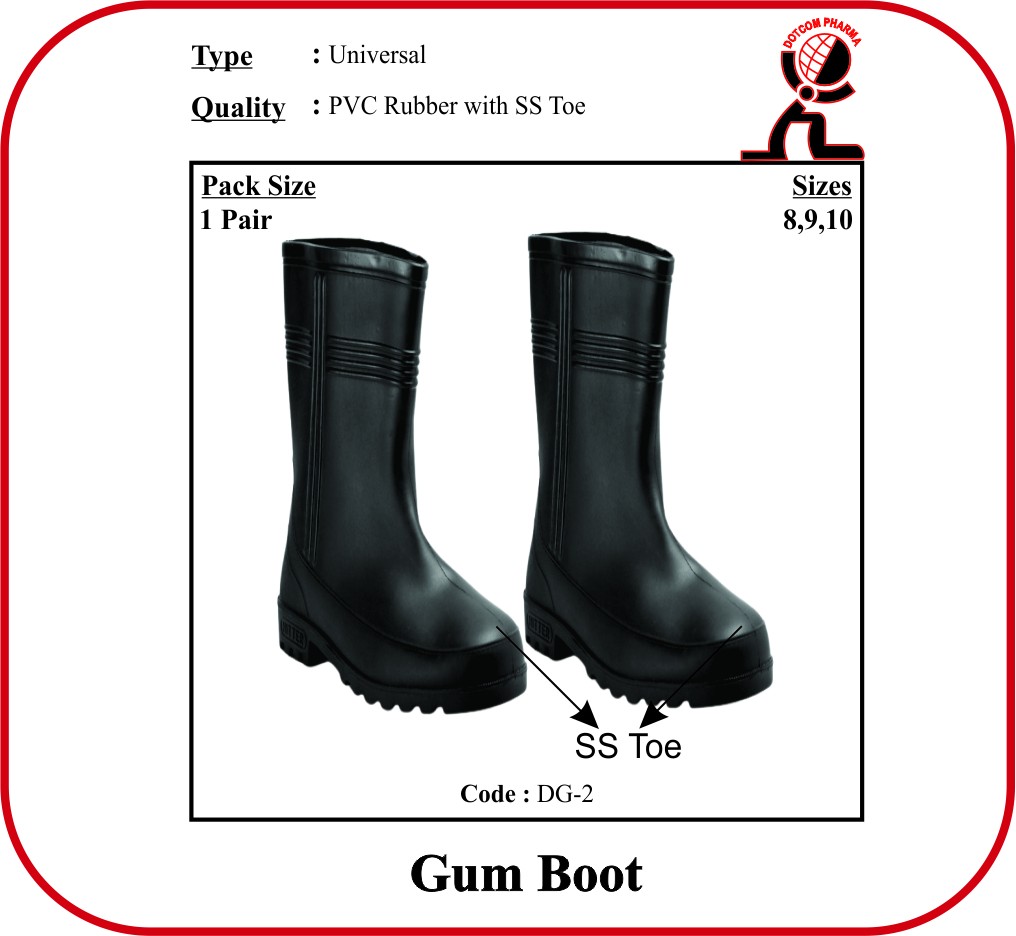
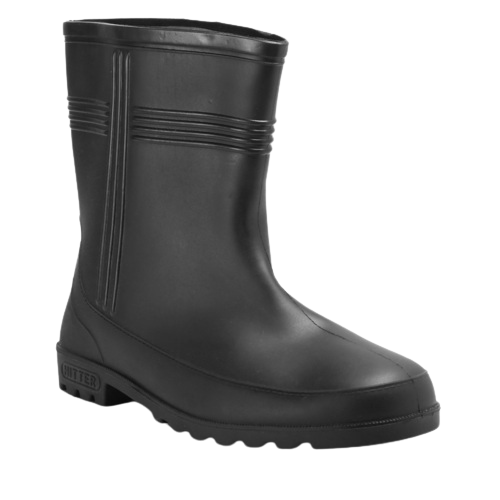
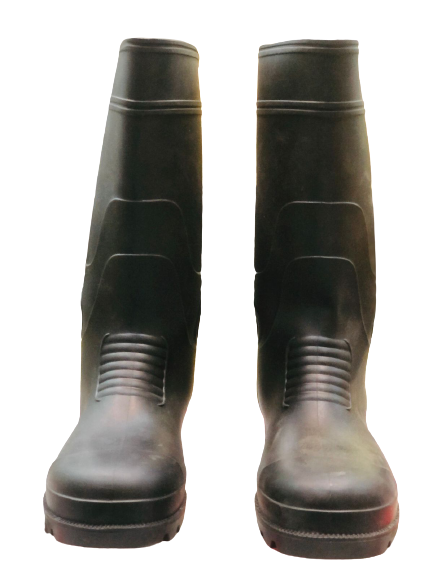
A gum boot, also known as a rubber boot or safety boot, is a waterproof, knee-length protective footwear made from rubber or PVC. In veterinary and animal care settings, gum boots are essential for maintaining hygiene, preventing contamination, and ensuring safety during field or clinic work.
• Height: Ankle to knee-length (typically 12–16 inches)
• Material: Natural rubber, PVC, or polyurethane
• Toe Cap: Optional steel toe for safety
• Lining: Cotton or synthetic fabric lining for comfort
• Grip: Anti-slip sole with deep tread
• Waterproof: Fully waterproof and leak-proof design
• Available Sizes: EU 36–46 / UK 3–12 / US 4–13
• Gender: Unisex, Men's, Women's, and universal fit
• Fit Type: Regular or wide fit depending on brand
• Tall gum boots (knee-length)
• Mid-length gum boots (calf-height)
• Ankle gum boots (short)
• Reinforced toe gum boots
• Flat sole or heel-raised variants
• Standard Gum Boots: Basic waterproof protection
• Steel Toe Gum Boots: Enhanced toe protection for field or barn work
• Insulated Gum Boots: For cold climates or refrigerated environments
• Chemical-resistant Gum Boots: Made with special materials to withstand disinfectants and chemicals
• Natural Rubber: Flexible and durable
• PVC (Polyvinyl Chloride): Lightweight, cost-effective, chemical resistant
• Polyurethane (PU): Lightweight, resistant to oils and chemicals, long lifespan
• Inner lining: Cotton, mesh, or synthetic for moisture absorption
• Personal Protective Equipment (PPE)
• Veterinary Field wear
• Farm & Agricultural Equipment
• Sold as pairs
• Available in boxes or bulk orders for veterinary hospitals or farms
• Available with or without inner padding or steel toe options
• Protects feet from animal waste, mud, water, and hazardous fluids
• Ensures biosecurity in animal clinics, farms, and slaughterhouses
• Prevents slips, punctures, and infections
• Suitable for field visits, surgeries, post-mortem procedures, and barn inspections
• Waterproof and protective in wet or contaminated environments
• Prevents direct contact with biohazards
• Durable and long-lasting under rough use
• Non-slip sole improves safety in slippery areas
• Easy to clean and disinfect
• Can be heavy (especially steel toe types)
• May cause discomfort during long wear without proper socks
• Can trap sweat if not breathable or lined
• Rigid boots can reduce ankle flexibility
• Choose correct size to avoid blisters or discomfort
• Wear moisture-absorbing socks to avoid fungal infections
• Regularly inspect for cracks or leaks
• Always clean and disinfect after use
• Store in dry, ventilated areas to prevent Odor/Mold
• HS Code: 6401.10 (Waterproof footwear with rubber/plastic outer soles)
• HSN Code: 6401 (Footwear with waterproof outer soles and uppers of rubber or plastics)
• Wash after every use with mild soap and water
• Air dry completely before storage
• Avoid folding or creasing rubber
• Replace if damaged or cracked
• Not autoclave-compatible
• Wash with disinfectant or soap solution
• Soak soles in a footbath with disinfectant after use in high-risk zones
• Wipe interiors with alcohol-based sprays if necessary
• Allow to dry thoroughly to prevent bacterial growth
• Worn by veterinarians during clinical procedures, surgeries, necropsies, and field visits
• Used on livestock farms, poultry units, dairy facilities, and abattoirs
• Reduces the risk of zoonotic infections and cross-contamination
• Mandatory PPE in most bio secure animal facilities
• Commonly used in healthcare sanitation, waste handling, and industrial cleaning
• Preferred in agriculture, construction, and disaster response
• Ensures foot hygiene and protection in wet or biohazard-prone environments
Q1: What is a gum boot used for in veterinary settings?
It protects the wearer from exposure to water, animal waste, and other contaminants during animal care or fieldwork.
Q2: Are gum boots reusable?
Yes, if maintained and cleaned properly. They are durable and designed for repeated use.
Q3: How do I sterilize gum boots?
Clean with soap and water, then disinfect using appropriate disinfectants. They are not suitable for autoclaving.
Q4: Do gum boots come in different sizes and types?
Yes, they vary in length, size, and type (standard, steel toe, insulated, etc.) depending on the environment and user needs.
Q5: What is the HSN code for gum boots?
HSN Code: 6401 — Footwear made of waterproof rubber or plastics.
Secure Transaction
100% secure payment
Top Brand
Trusted quality
Non Return
Due to hygiene