 +91 88281
11034
+91 88281
11034
 Need Help?



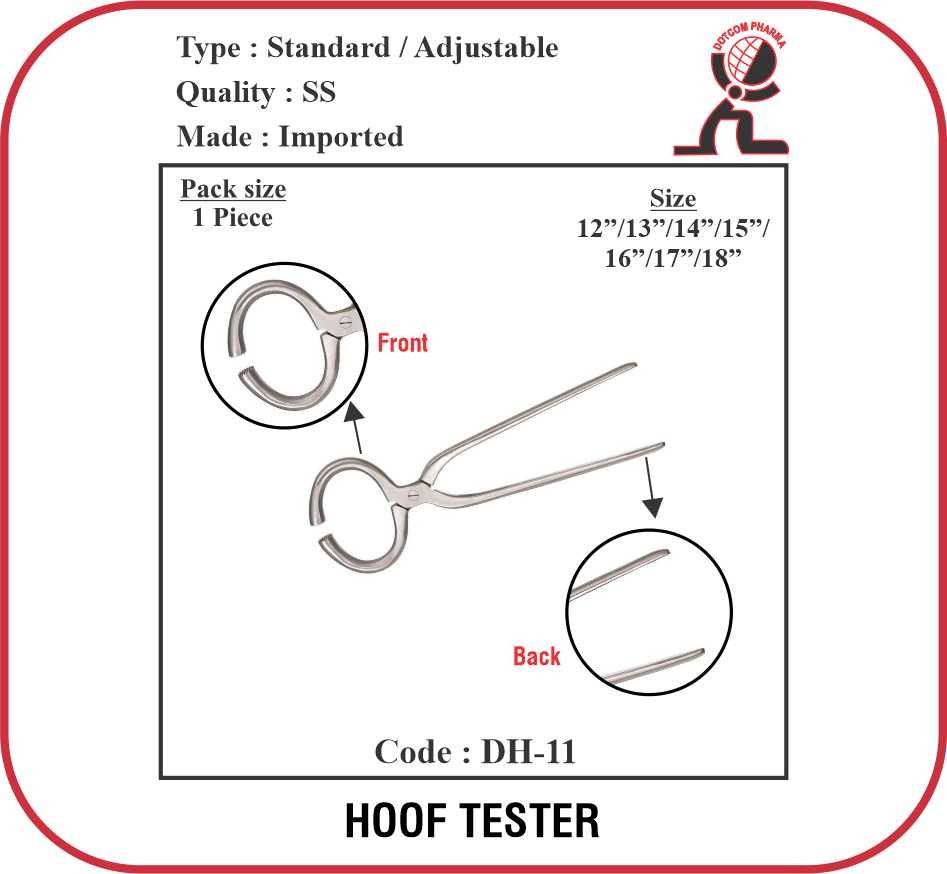
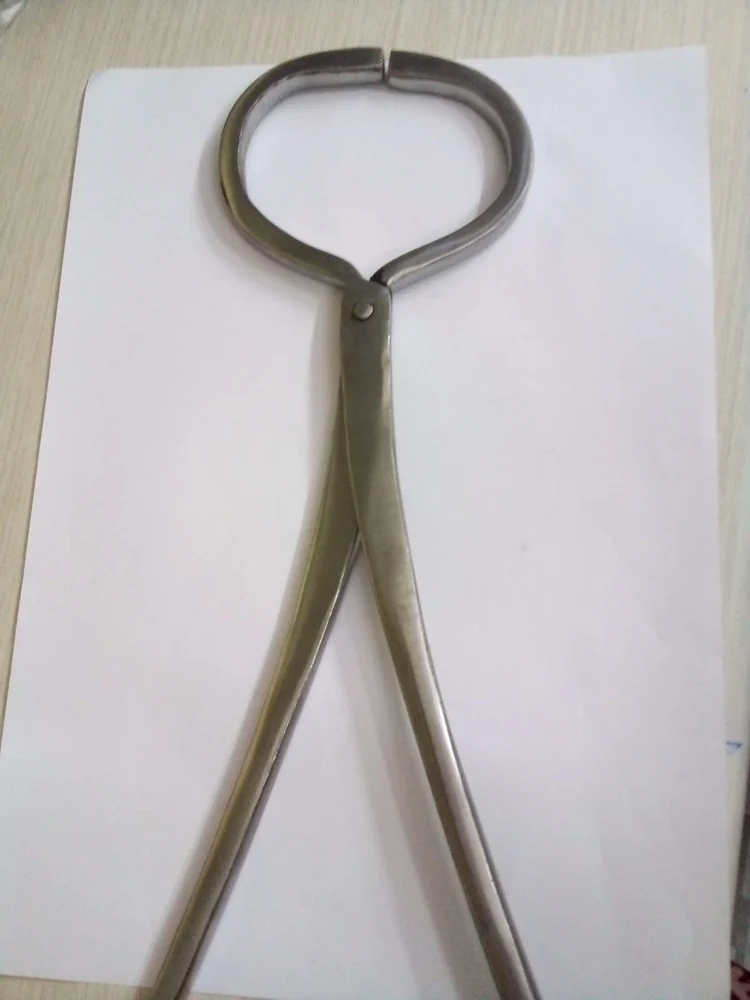
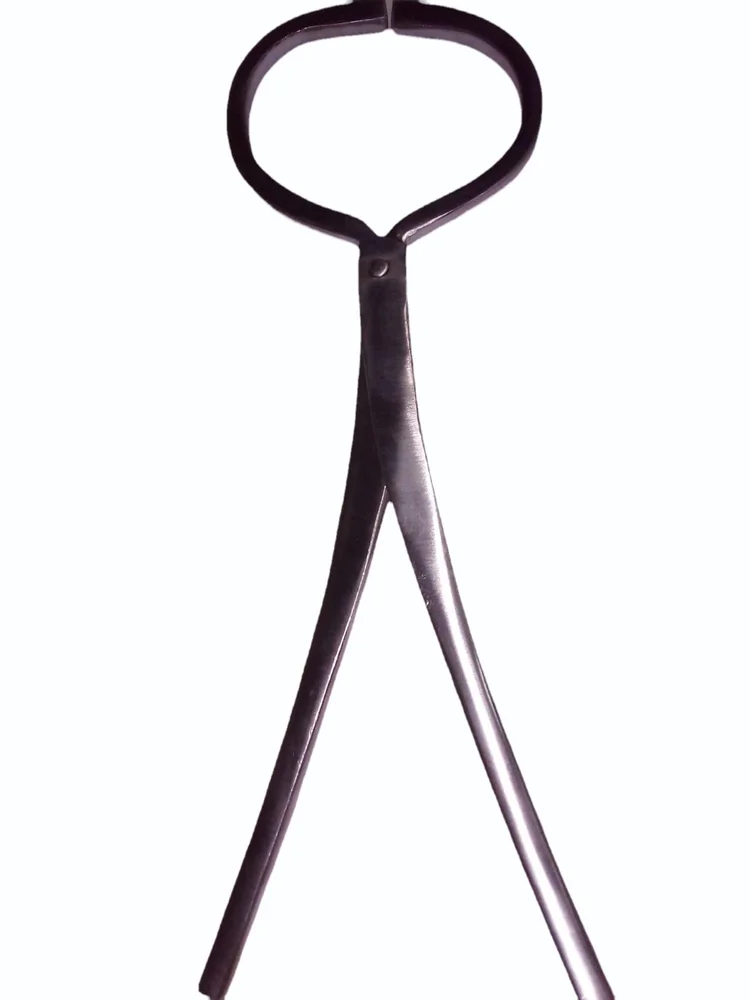
Hoof Tester
Drug Name
: NA
Drug Role
: A Hoof Tester is a diagnostic tool used to evaluate sensitivity and pain in the hoof of animals
NA
No
Ceritifcations:










Please login / register to buy or to get detailed information of the product
SKU:
Stock Available:
Batch / Lot. No:
Shelf life:
Manufacturing Date:
-
Expiry Date:
-
Minimum Pack Size:
Minimum Order Qty:
1
Pharma Categories:
Veterinary Hoof Care: Mainly used for horses and other hooved animals.
Product Form:
Tester
Category:
Instruments
Group:
N/A
Type:
Veterinary Instruments
Material:
Stainless Steel
Tags
HSN Code:
8205.59
HS Code:
8205.59
Country of Origin:
India
TAX:
5%
Qty per Piece:
Weight Of Each Piece(gm):
Piece Dimensions (L×W×H):
Qty per Buffer Box / Shrink Pack:
Weight of Buffer Box / Shrink Pack:
Buffer Dimensions (L×W×H):
Total Qty per Case:
Total Weight per Case:
Case Dimensions (L×W×H):
Weight / Volume:
Dimensions:
Inhouse product
A Hoof Tester is a diagnostic tool used to evaluate sensitivity and pain in the hoof of animals (mostly horses) and to assess foot conditions in humans. It is a crucial instrument for veterinarians and farriers in identifying problems like laminitis, abscesses, hoof cracks, pressure sores, and foot ulcers. The tool works by applying pressure to different areas of the hoof or foot to locate sensitive points.
• Material:
o Stainless Steel: Corrosion-resistant, durable.
o High Carbon Steel: Provides extra strength and precision.
o Alloy Metals: For lightweight yet durable design.
• Size:
o Length: Generally 12–18 inches. Adjustable designs are available.
o Width: Varies based on the hoof or foot being tested.
• Shape:
o Straight: For general use.
o Curved: For easier application around the hoof.
o Adjustable: Pressure can be controlled for precise readings.
• Types:
o Standard: Fixed pressure design for basic testing.
o Adjustable: Allows for varying pressure, ideal for diagnosing specific conditions.
o Digital: Equipped with digital readouts for exact pressure readings.
• Veterinary Hoof Care: Mainly used for horses and other hooved animals.
• Podiatric Care (Human): Adapted for human foot care, used by podiatrists.
• Specialty Diagnostic Tools: Used in clinical and field settings to detect hoof or foot problems.
• Single Tool: Often sold individually.
• Tool Kit: Contains multiple attachments for different hoof sizes or human foot needs.
• Veterinary Application: Used by veterinarians and farriers to detect hoof sensitivity, pain, or abnormalities in horses, ponies, goats, and cattle.
• Human Application: Used by podiatrists to assess foot conditions like plantar fasciitis, diabetic ulcers, and pressure sores.
• Fast Diagnosis: Quickly identifies problem areas in hooves or feet.
• Durability: Made from high-quality materials that resist wear and corrosion.
• Versatility: Effective for both human and animal applications, depending on the tool’s design.
• Precision: Accurate in detecting sensitive areas.
• Limited Use: Primarily used for hoofs or feet; cannot be applied to other body parts.
• Expert Use: Requires trained professionals (veterinarians, farriers, or podiatrists) to ensure proper application and avoid injury.
• Not Portable: Larger versions may not be easy to carry in all settings.
• Sterilization: Disinfect the tool between uses to avoid contamination.
• Pressure Control: Always apply pressure carefully to avoid harming the animal or human.
• Proper Handling: Store and handle the tool properly to maintain its longevity and effectiveness.
• HS Code: 8205.59 (For animal care hand tools)
• HSN Code: 8205.59 (For diagnostic tools in hoof and foot care)
• Storage: Keep in a dry, clean area to prevent rust or damage.
• Cleaning: Clean the tool thoroughly after each use, particularly if used on multiple patients (animals or humans).
• Lubrication: Regularly lubricate joints and moving parts to ensure smooth operation.
• Disinfection: Use a medical-grade or veterinary disinfectant after each use.
• Methods: Wipe with a clean cloth or use an autoclave (for digital models with no electronic components).
• Frequency: Sterilize between each patient or animal to prevent infection.
Veterinary Application
• Used for Hooved Animals: Primarily horses, ponies, goats, cattle, and other hooved animals.
• Conditions Detected:
o Abscesses
o Laminitis
o Hoof Cracks o Infections
• How It's Used:
Applied to different parts of the hoof to check for pain and tenderness. Veterinarians or farriers squeeze the tester around the hoof and look for signs of discomfort. Human Application
• Used by Podiatrists: Similar to its veterinary counterpart, but adapted for human feet.
• Conditions Detected:
o Plantar Fasciitis
o Diabetic Foot Ulcers
o Pressure Sores
o Neuropathy
• How It's Used: Applied to the foot to identify pressure points and areas of pain, particularly in diabetic patients or those with compromised foot health.
What is a Hoof Tester used for?
A Hoof Tester is used to detect pain, tenderness, and sensitivity in hooves (animals) or feet (humans), helping diagnose conditions like abscesses, cracks, plantar fasciitis, and pressure ulcers.
How do I use a Hoof Tester on a Horse?
Gently apply pressure to different areas of the hoof and look for signs of discomfort, which can indicate issues like laminitis or an abscess.
Can Hoof Testers be used on Humans?
Yes, a human version of the hoof tester is used by podiatrists to identify pressure points, foot pain, and conditions like plantar fasciitis or diabetic ulcers.
What materials are Hoof Testers made of?
Hoof testers are typically made from stainless steel, high-carbon steel, or alloy metals to ensure they are durable, rust-resistant, and long-lasting.
How do I sterilize a Hoof Tester?
Disinfect with a medical-grade or veterinary disinfectant after each use. Ensure that the tool is fully cleaned and dried before storage.
Are Hoof Testers Adjustable?
Yes, there are adjustable models where pressure can be varied for more precise testing, especially in digital models that give real-time readings.
Secure Transaction
100% secure payment
Top Brand
Trusted quality
Non Return
Due to hygiene