 +91 88281
11034
+91 88281
11034
 Need Help?



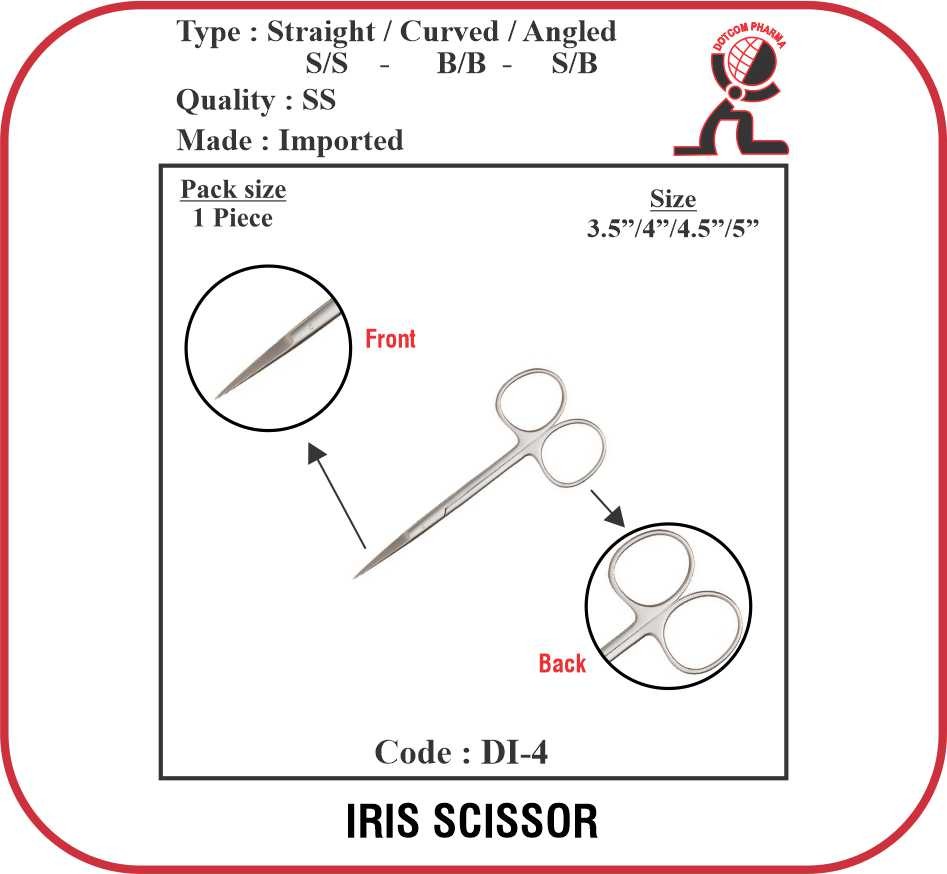
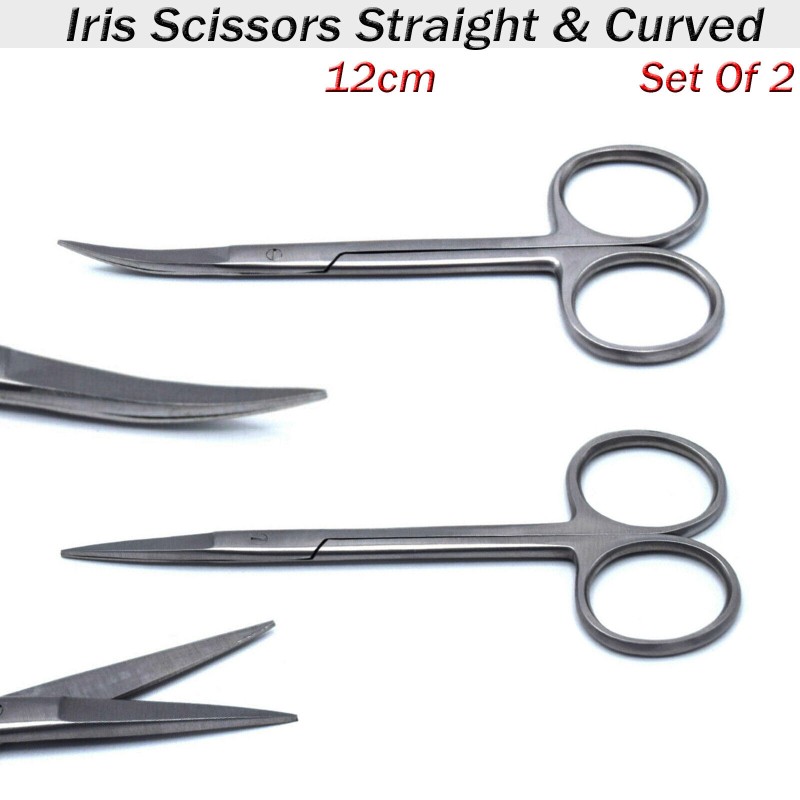
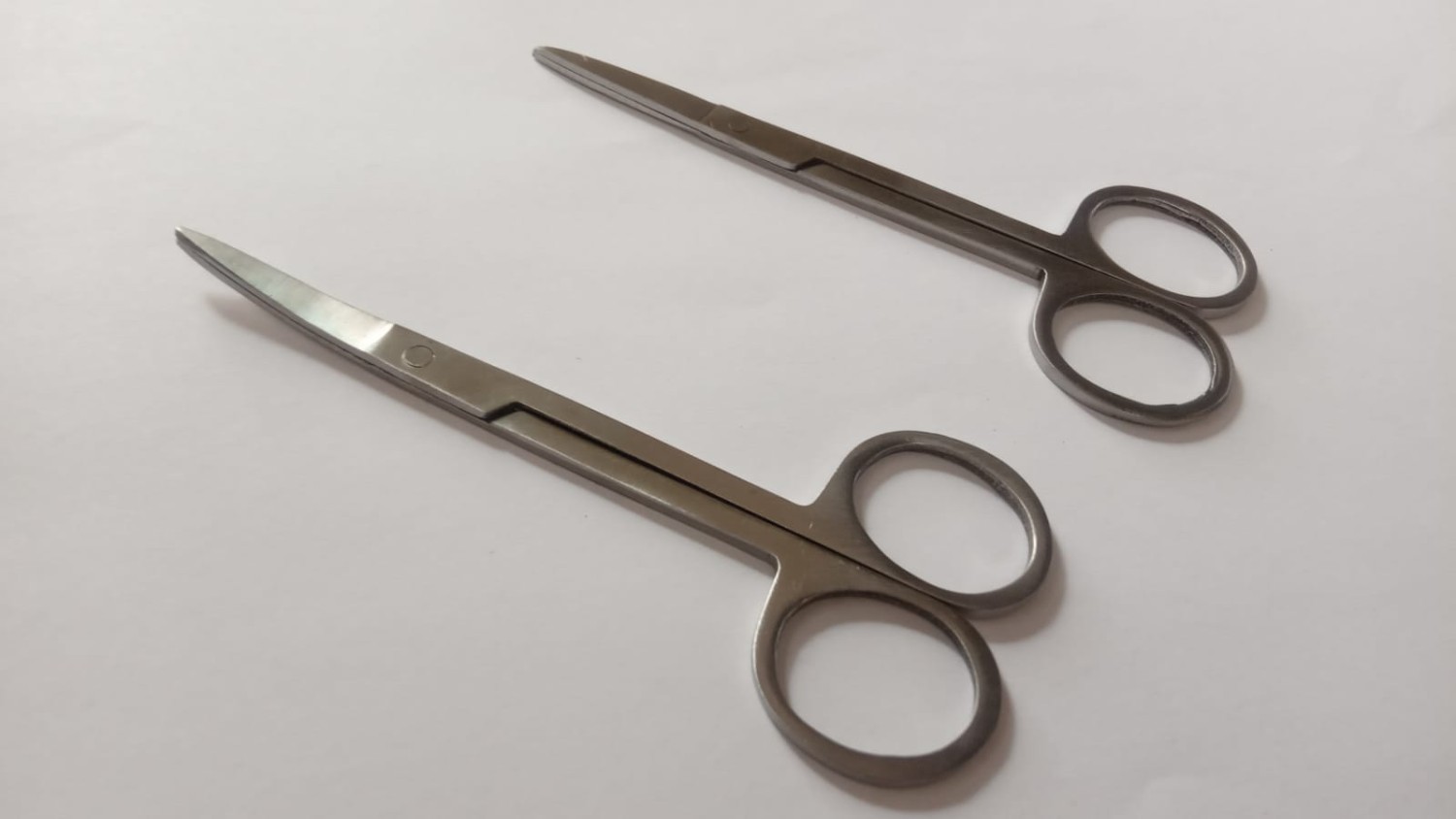
Iris Scissor
Drug Name
: NA
Drug Role
: An Iris Scissor is a delicate surgical instrument typically used in ophthalmic procedures.
NA
No
Ceritifcations:










Please login / register to buy or to get detailed information of the product
SKU:
Stock Available:
Batch / Lot. No:
Shelf life:
Manufacturing Date:
-
Expiry Date:
-
Minimum Pack Size:
Minimum Order Qty:
1
Pharma Categories:
Surgical Instruments
Product Form:
Scissor
Category:
Instruments
Group:
N/A
Type:
Ophthalmic Surgical Scissor
Material:
Stainless Steel
Tags
HSN Code:
9018.90.90
HS Code:
9018
Country of Origin:
Imported
TAX:
5%
Qty per Piece:
Weight Of Each Piece(gm):
Piece Dimensions (L×W×H):
Qty per Buffer Box / Shrink Pack:
Weight of Buffer Box / Shrink Pack:
Buffer Dimensions (L×W×H):
Total Qty per Case:
Total Weight per Case:
Case Dimensions (L×W×H):
Weight / Volume:
Dimensions:
Inhouse product
An Iris Scissor is a delicate surgical instrument typically used in ophthalmic and microsurgical procedures. It is specifically designed for fine dissection or cutting of delicate tissues, particularly in the eye, hence the name "iris." The iris scissor’s sharp, precise tips allow surgeons to work in highly sensitive areas, such as the eye's iris, cornea, or other small anatomical structures. They are used to cut or trim soft tissues with minimal damage to surrounding areas, providing superior control during surgery.
Iris scissors are generally small, lightweight, and sturdy, allowing for intricate surgical manoeuvres in confined spaces. They come in various forms depending on the intended procedure (straight, curved, or with specialized tips).
• Material: Made from high-quality stainless steel, often hardened for durability and sharpness.
• Length: Typically ranges from 4 to 5 inches (10–12 cm), designed for precision and control.
• Handle Type: Straight or curved, depending on the intended surgical procedure. Some models come with ergonomically designed handles for a comfortable grip.
• Tip Type: Straight, curved, or angled tips, depending on surgical requirements.
•Finish: Matte or polished surface to reduce glare during surgery. Some have non-reflective coatings to ensure optimal visibility in bright surgical lights.
• Small (4 inches): Ideal for fine, detailed dissection in small surgical fields.
• Medium (4.5 inches): More common, balancing precision and comfort for general use in ophthalmic surgeries.
• Large (5 inches): Less common but used for surgeries involving larger tissue or incisions.
• Straight Iris Scissor: The classic style, with straight blades, commonly used for general tissue cutting.
• Curved Iris Scissor: Features curved blades for better access to hard-to-reach areas or for cutting tissues at an angle.
• Angled Iris Scissor: Designed with a slight angle, allowing for precision in difficult areas where a straight or curved scissor might be challenging to manoeuvre.
• Straight Iris Scissor: Standard version with straight blades for general-purpose cutting.
• Curved Iris Scissor: The curved design is used when manoeuvring in tight or constrained areas is necessary.
• Micro Iris Scissor: An even more precise tool, often used in microsurgery or paediatric surgery.
• Iris Scissor with Fine Tips: These are designed for highly delicate tasks, such as cutting fine tissue layers in the eye or other small organs.
• Stainless Steel: High-grade stainless steel is most commonly used for its durability, corrosion resistance, and sharpness retention.
• Titanium Coating: In some versions, titanium coatings are applied to enhance rust resistance and improve performance in corrosive environments (e.g., contact with bodily fluids).
• Non-reflective Finish: Some models feature a matte finish to reduce glare during surgery.
• Ophthalmic Surgical Instruments
• Microsurgical Instruments
• Surgical Tools
• Precision Cutting Instruments
• Physical Instrument: Usually sold as a single scissor pair, ready for sterilization and use.
• Non-Sterile or Sterile: Iris scissors are generally non-sterile, requiring proper sterilization before use. Some models come pre-sterilized in packaging for single-use purposes.
• Ophthalmic Surgery: Primarily used for delicate dissection in eye surgeries such as cataract removal, glaucoma procedures, or corneal transplants.
• Microsurgery: Often used in microsurgical procedures on small blood vessels, tissues, or in paediatric surgeries.
• Fine Tissue Dissection: Used in surgeries involving soft tissues, such as skin, blood vessels, or delicate internal organs.
• Incision and Cutting: Used for precise incisions where other, larger scissors might cause damage due to their size or lack of precision.
• Precision: Iris scissors allow for highly accurate and clean cuts, minimizing damage to surrounding tissues.
• Versatility: Suitable for a variety of surgical procedures beyond ophthalmic surgeries, including general microsurgery and reconstructive surgeries.
• Durability: Made of high-quality stainless steel, iris scissors retain sharpness and durability even under repetitive use.
• Comfortable Handling: The design is optimized for ergonomic use, ensuring a comfortable grip during lengthy surgeries.
• Small Size: While the small size allows for precision, it may make it challenging to handle for some surgeons or in larger surgeries.
• Risk of Breakage: Due to their fine tips, the blades are susceptible to damage if not handled carefully.
• Requires Regular Sterilization: Since the scissors are typically reusable, they require thorough sterilization after each use to prevent contamination
• Proper Handling: Handle with care to avoid bending or breaking the delicate tips.
• Sterilization: Ensure proper sterilization before use to prevent the risk of infection.
• Avoid Excessive Force: Do not apply excessive force when using the scissors; they are designed for delicate dissection and cutting.
• HS Code: 9018 (For surgical instruments, including scissors)
• HSN Code: 9018.90.90 (For surgical scissors and other precision instruments)
• Sterile Handling: Always ensure the scissors are properly sterilized before use to maintain hygiene and prevent infection.
• Safe Storage: Store in a dry, safe place to avoid accidental damage or rust.
• Regular Maintenance: Periodically check for sharpness and any signs of wear on the tips or handle to maintain performance.
• Autoclaving: The most common sterilization method, using high-pressure steam to kill any bacteria or pathogens.
• Chemical Sterilization: Can be used for instruments that are sensitive to heat or pressure.
• Sterilization Frequency: After each use, the scissors should be cleaned thoroughly, and sterilized, especially if they are reusable.
• Microsurgery on Small Animals: Used in delicate surgeries on small animals or veterinary ophthalmology for procedures like cataract surgeries in dogs or cats.
• Soft Tissue Dissection: Employed for surgeries that require fine tissue dissection, such as spaying/neutering or minor skin surgeries in pets.
• Ophthalmic Surgery: Mainly used for eye surgeries like cataract surgery, corneal transplant, or other eye-related procedures.
• Microsurgery: Applied in surgeries that involve the repair of nerves, blood vessels, or skin using a fine dissection technique.
• General Soft Tissue Dissection: Used in any surgical field requiring fine tissue manipulation or cutting, including plastic surgery.
Q1: What is the primary use of the Iris Scissor?
A: The iris scissor is primarily used in ophthalmic surgeries to cut or dissect delicate tissues, particularly in the eye, but can also be used in microsurgical procedures.
Q2: How should I clean and sterilize iris scissors?
A: Iris scissors should be thoroughly cleaned after each use, typically sterilized using autoclaving. If you're using chemical sterilization, follow the manufacturer's instructions.
Q3: Can I use iris scissors for other types of surgeries?
A: Yes, iris scissors can be used in microsurgeries or any surgical procedures that require precise cutting of delicate tissues.
Q4: Are iris scissors reusable?
A: Yes, most iris scissors are reusable and made from durable materials like stainless steel, but they require regular cleaning and sterilization.
Q5: Can iris scissors be used for cutting bone or harder tissues?
A: No, iris scissors are designed for cutting soft tissues and should not be used on harder materials like bone, as they may become damaged.
Secure Transaction
100% secure payment
Top Brand
Trusted quality
Non Return
Due to hygiene