 +91 88281
11034
+91 88281
11034
 Need Help?



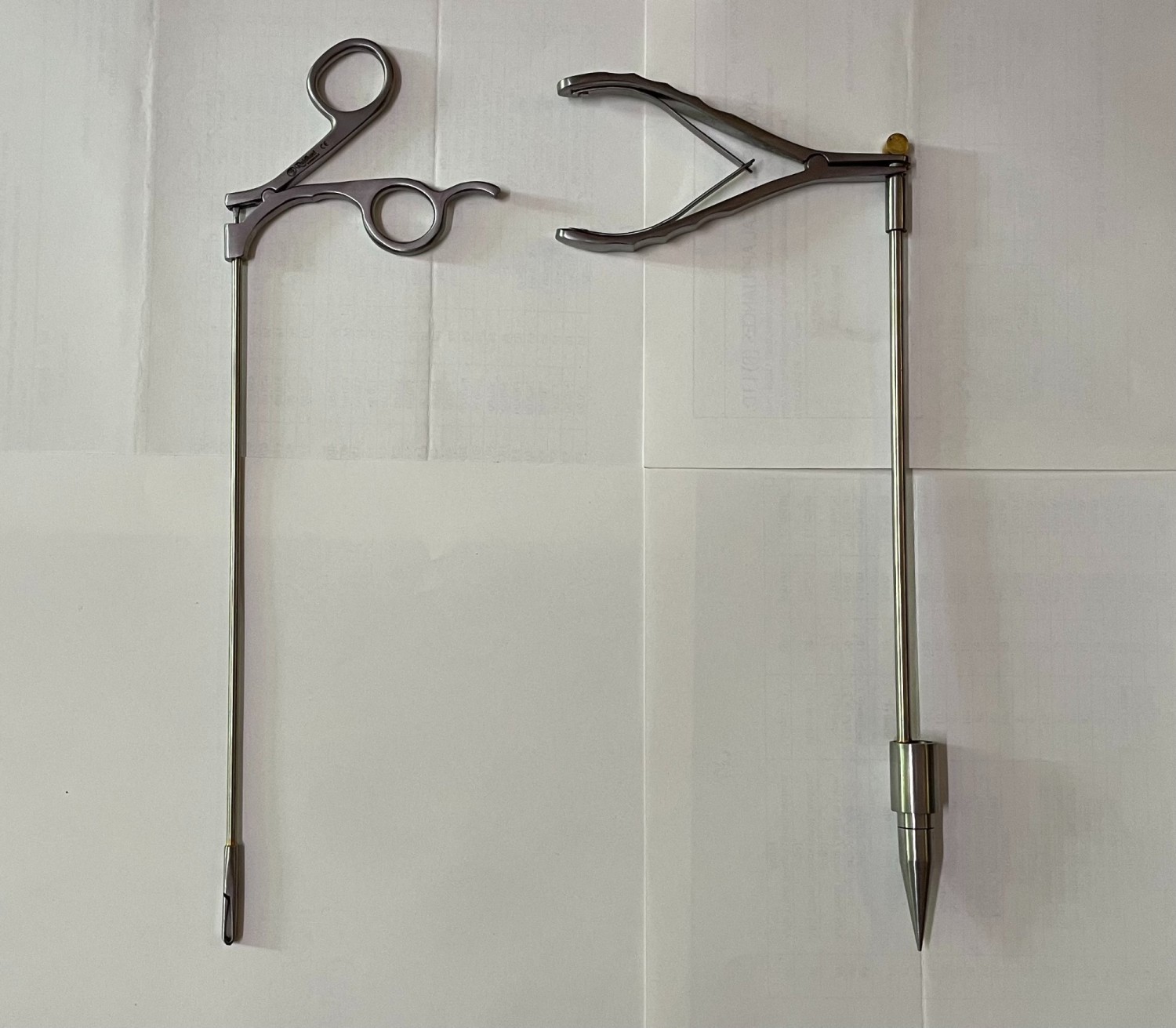
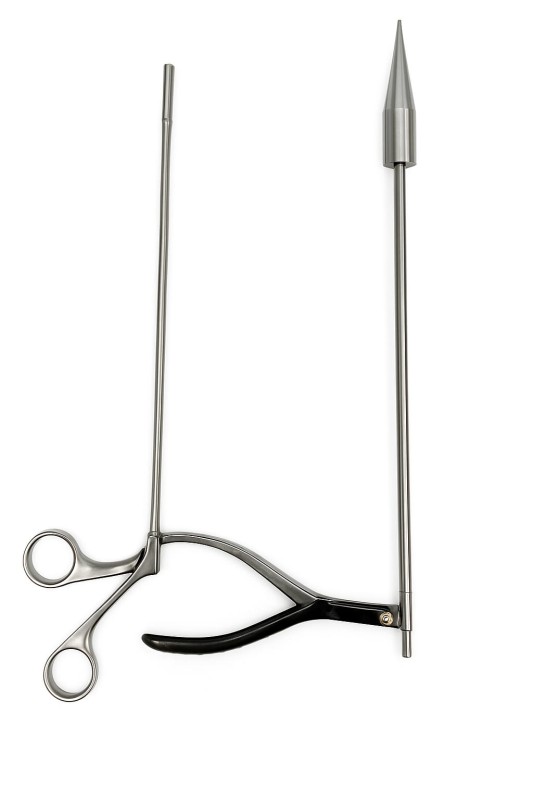
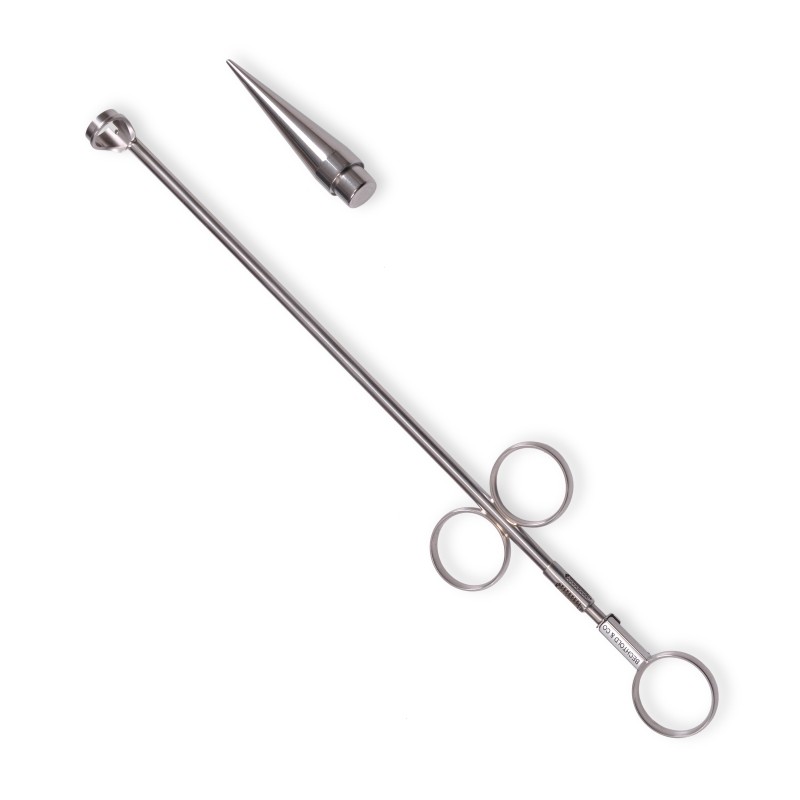
Rudd Henorrhoid Gun With Ligation Forcep
Drug Name
: NA
Drug Role
: The Rudd Haemorrhoid Ligator is a precision surgical instrument designed for rubber band ligation of internal haemorrhoids. Using a spring-loaded deployment mechanism, it places an elastic band at the base of the haemorrhoid, cutting off its blood supply
NA
No
Ceritifcations:










Please login / register to buy or to get detailed information of the product
SKU:
Stock Available:
Batch / Lot. No:
Shelf life:
Manufacturing Date:
-
Expiry Date:
-
Minimum Pack Size:
Minimum Order Qty:
1
Pharma Categories:
Surgical Instruments — Proctology / Haemorrhoid Treatment Devices
Product Form:
Reusable metal instrument with disposable rubber bands; ligation forceps included as a paired instrument.
Category:
Veterinary
Group:
N/A
Material:
High-grade surgical stainless steel (commonly AISI 304 or 316)
HSN Code:
9018
HS Code:
9018.90
Country of Origin:
Imported
TAX:
5%
Qty per Piece:
Weight Of Each Piece(gm):
Piece Dimensions (L×W×H):
Qty per Buffer Box / Shrink Pack:
Weight of Buffer Box / Shrink Pack:
Buffer Dimensions (L×W×H):
Total Qty per Case:
Total Weight per Case:
Case Dimensions (L×W×H):
Weight / Volume:
Dimensions:
Inhouse product
Rudd Haemorrhoid Gun with Ligation Forceps :
The Rudd Haemorrhoid Gun is a specialized surgical instrument designed for the treatment ofhaemorrhoids through rubber band ligation. It works by deploying a small rubber band around the baseof the haemorrhoid, cutting off its blood supply, causing it to shrink and eventually fall off. The device isused in combination with Ligation Forceps, which grasp the hemorrhoidal tissue during the procedure.This minimally invasive technique offers an effective, outpatient treatment option for internalhaemorrhoids without the need for major surgery.
Rudd Haemorrhoid Ligator :
The Rudd Haemorrhoid Ligator is a precision surgical instrument designed for rubber band ligation of internal haemorrhoids. Using a spring-loaded deployment mechanism, it places an elastic band at the base of the haemorrhoid, cutting off its blood supply. The procedure is minimally invasive, typically performed in outpatient settings, and leads to natural detachment of the haemorrhoid over time.It features a straight, stainless steel tube with a loading cone and finger ring handle for controlled, single-hand operation. Ideal for proctologists, colorectal surgeons, and gastrointestinal clinics
• Material: High-grade surgical stainless steel (commonly AISI 304 or 316)
• Length: Approximately 20-25 cm (varies by model)
• Design: Handheld, spring-loaded device for controlled rubber band deployment
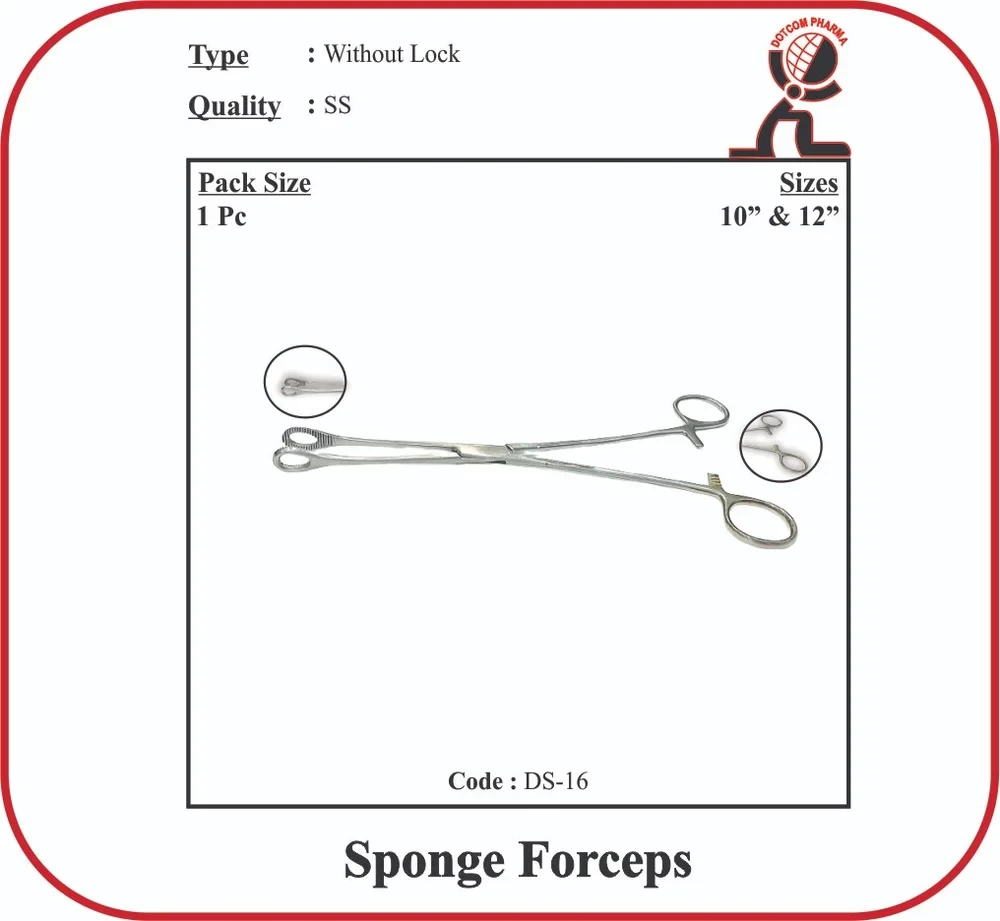
• Forceps: Precision-designed ligation forceps with serrated tips for firm tissue grip
• Rubber Bands: Disposable sterile rubber bands, typically 1-2 mm in thickness
• Weight: Lightweight for easy handling during procedures
• Finish: Polished to smooth surface to minimize tissue trauma
• Instrument: Surgical stainless steel — corrosion-resistant, durable, and easy to sterilize
• Rubber Bands: Medical-grade latex or synthetic elastomers for safe ligation
Surgical Instruments — Proctology / Haemorrhoid Treatment Devices
Reusable metal instrument with disposable rubber bands; ligation forceps included as a paired instrument.
• Used to treat internal haemorrhoids via rubber band ligation
• Hemorrhoidal tissue is grasped by ligation forceps, pulled into the barrel of the gun, and a rubber band is deployed at the base
• Cuts off blood supply causing haemorrhoid to shrink and fall off within days
• Outpatient procedure with minimal discomfort and quick recovery
• Minimally invasive alternative to haemorrhoidectomy
• Can be performed in outpatient settings without anaesthesia
• Quick procedure with minimal downtime
• Reduced postoperative pain and complications compared to surgery
• Ligation forceps provide precise tissue grip ensuring accurate band placement
• Not suitable for external haemorrhoids or very large prolapsed haemorrhoids
• Potential for discomfort or mild pain during and after procedure
• Risk of bleeding, infection, or thrombosis in rare cases
• Requires skilled practitioner for effective use
• Patient should be evaluated to confirm internal haemorrhoids suitable for ligation
• Use sterile disposable rubber bands for each patient
• Follow strict aseptic protocols to prevent infection
• Monitor patient for signs of pain, bleeding, or complications post-procedure
• Avoid use in patients with bleeding disorders or severe anal infections
• HS Code: 9018.90 — Instruments and appliances used in medical, surgical, dental or veterinary sciences, n.e.s.
• HSN Code (India): 9018 — Instruments and appliances used in medical, surgical, dental or veterinary sciences
• Surgical instruments (gun and forceps) sterilized via autoclaving at 121°C for 15-20 minutes
• Rubber bands are single-use, pre-sterilized and disposed of after each procedure
• Thorough cleaning before sterilization recommended to remove blood and tissue residues
• Store sterilized instruments in sterile packaging until use
• Human Medicine: Primarily used in proctology for treatment of internal haemorrhoids in adult patients
• Veterinary Medicine: Rarely used; however, rubber band ligation principles can sometimes be adapted for veterinary proctological treatments under veterinary supervision
Q1: What is the Rudd Haemorrhoid Gun used for?
A1: It is used to treat internal haemorrhoids by deploying rubber bands that cut off blood supply,
causing haemorrhoids to shrink and fall off.
Q2: How does the ligation forceps work with the haemorrhoid gun?
A2: The forceps grasp the hemorrhoidal tissue, pulling it into the device’s barrel for precise rubber band
placement.
Q3: Is the procedure painful?
A3: Generally, the procedure causes mild discomfort but is less painful compared to surgical removal.
Q4: Are the rubber bands reusable?
A4: No, the rubber bands are single-use and must be sterile for each patient.
Q5: Can it be used for external haemorrhoids?
A5: No, it’s intended for internal haemorrhoids only.
Secure Transaction
100% secure payment
Top Brand
Trusted quality
Non Return
Due to hygiene