 +91 88281
11034
+91 88281
11034
 Need Help?



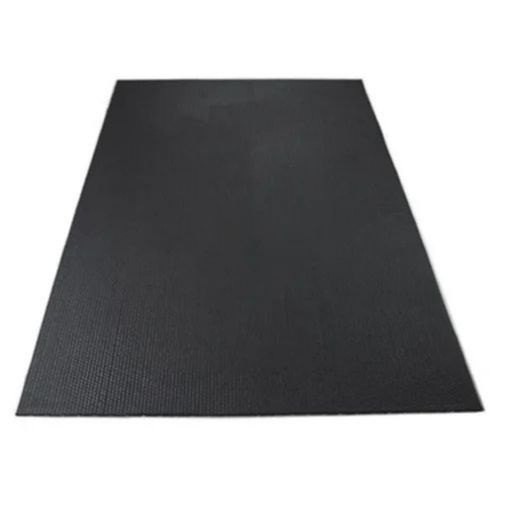
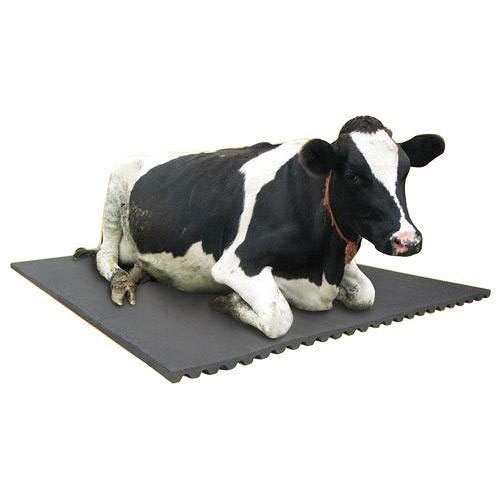
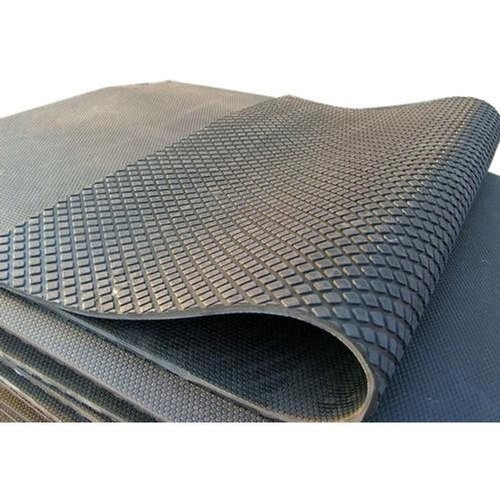
Cow Mat
Drug Name
: NA
Drug Role
: Animal Comfort
NA
No
Ceritifcations:









Please login / register to buy or to get detailed information of the product
SKU:
Stock Available:
Batch / Lot. No:
Shelf life:
Manufacturing Date:
-
Expiry Date:
-
Minimum Pack Size:
Minimum Order Qty:
1
Pharma Categories:
Animal Housing & Farm Equipment
Product Form:
Mat
Category:
Veterinary
Group:
N/A
Type:
Livestock Equipment
Material:
EVS
Tags
HSN Code:
40169100
HS Code:
401691
Country of Origin:
India
TAX:
5%
Qty per Piece:
Weight Of Each Piece(gm):
Piece Dimensions (L×W×H):
Qty per Buffer Box / Shrink Pack:
Weight of Buffer Box / Shrink Pack:
Buffer Dimensions (L×W×H):
Total Qty per Case:
Total Weight per Case:
Case Dimensions (L×W×H):
Weight / Volume:
Dimensions:
Inhouse product
Cow mats are specially designed floor mats used in dairy farms and cattle sheds to provide comfort, insulation, and hygiene for cows. They help reduce stress on the animals’ legs and hooves by cushioning hard floors and prevent injuries from slips or prolonged standing on concrete. Typically made from durable rubber or foam materials, cow mats improve animal welfare and productivity.
• Material: High-density rubber, EVA foam, or composite polymers
• Dimensions: Common sizes range from 4ft x 6ft to 6ft x 8ft, thickness between 15mm to 25mm
• Weight: Varies from 5 kg to 15 kg depending on size and material
• Surface: Non-slip textured surface to prevent slipping
• Features: Waterproof, easy to clean, UV and chemical resistant
• Solid rubber mats
• Interlocking modular mats
• Foam-padded mats for extra cushioning
• Perforated mats for drainage and ventilation
• Placed in barns, milking Parlors, and feeding areas to enhance cow comfort
• Protects joints and hooves during long hours of standing
• Provides insulation against cold floors in winter
• Helps maintain cleanliness by allowing easy waste removal
• Improves animal health and comfort, reducing lameness
• Durable and long-lasting, withstands heavy animal traffic
• Reduces stress on joints and hooves
• Easy to install and maintain
• Initial investment cost can be high
• Requires regular cleaning to maintain hygiene
• May degrade over time under extreme weather conditions
• Ensure mats are securely placed to prevent curling or movement
• Regularly clean to avoid buildup of bacteria and odors
• Inspect for wear and tear periodically and replace if damaged
• Clean with mild detergent and water
• Avoid harsh chemicals that degrade rubber or foam
• Store flat or rolled without heavy weight on top to avoid deformation
• Not typically sterilized but require thorough cleaning to prevent pathogens
• Use disinfectants approved for animal environments when necessary
• HSN Code: 4016.99 (Rubber floor coverings and mats, other than those specifically categorized)
Not applicable
Used in dairy and cattle farming to enhance animal welfare and productivity by providing comfort and safety to cows
1. What materials are cow mats made from?
Primarily high-density rubber or EVA foam for durability and comfort.
2. Can cow mats help reduce lameness?
Yes, by cushioning the legs and hooves, they reduce joint stress and injuries.
3. How often should cow mats be cleaned?
Regular cleaning is recommended—at least weekly or more frequently in high-traffic areas.
4. Are cow mats suitable for outdoor use?
Some types are UV resistant and can be used outdoors, but always check product specifications.
5. What is the typical size of a cow mat?
Sizes vary, but common mats are around 4ft x 6ft with 15–25mm thickness.
Secure Transaction
100% secure payment
Top Brand
Trusted quality
Non Return
Due to hygiene