 +91 88281
11034
+91 88281
11034
 Need Help?


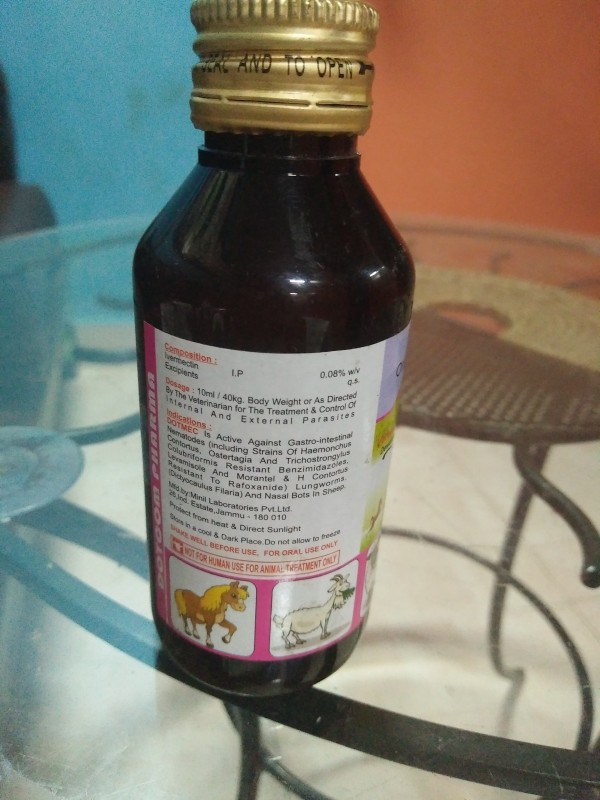
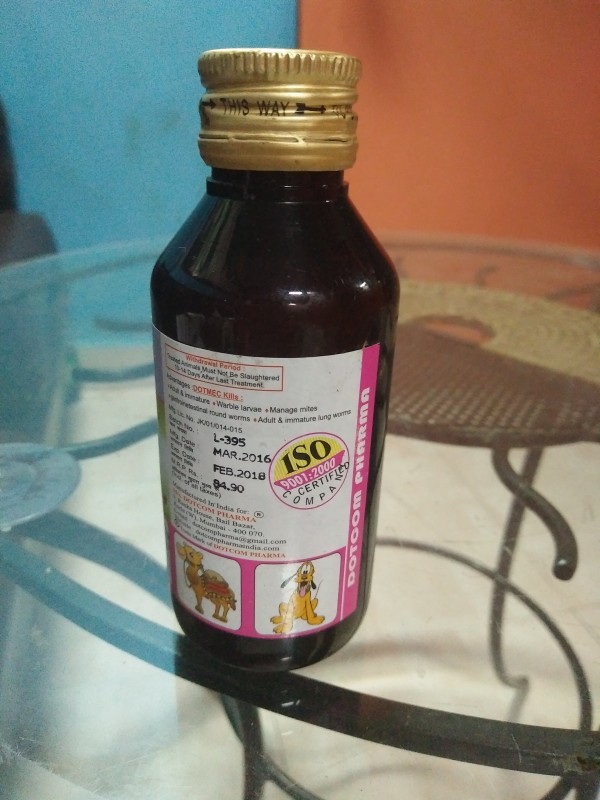
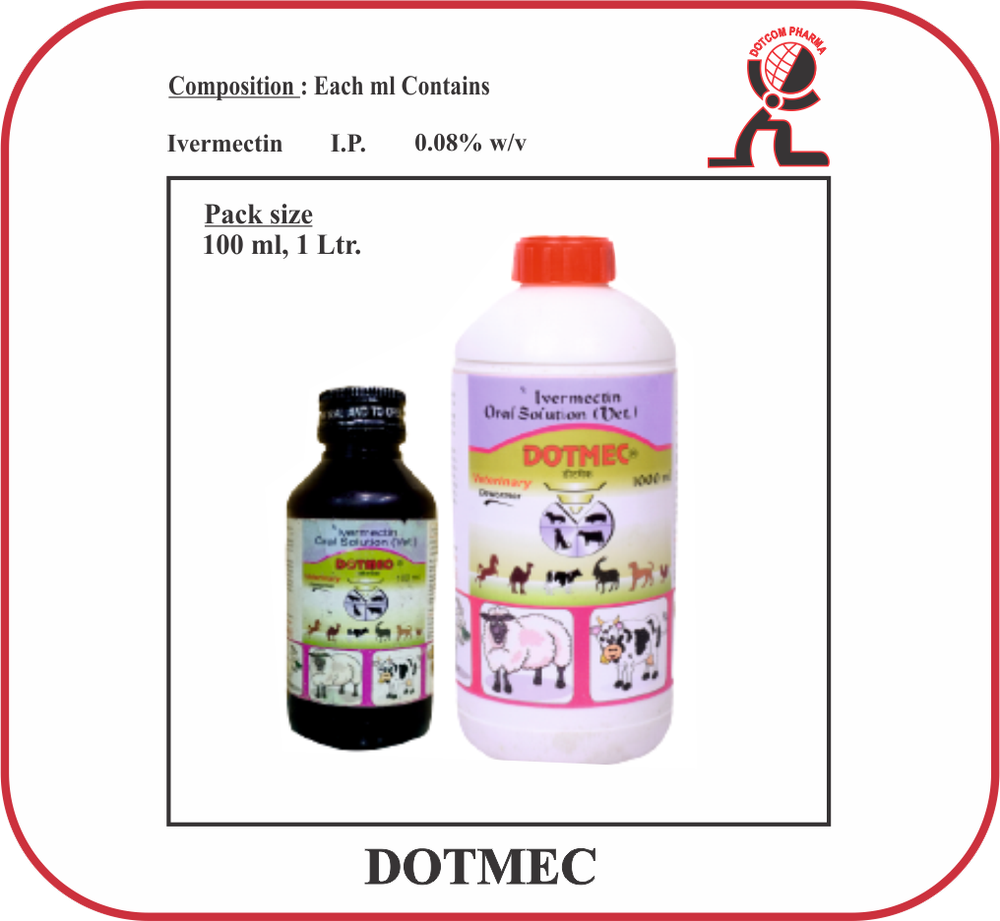
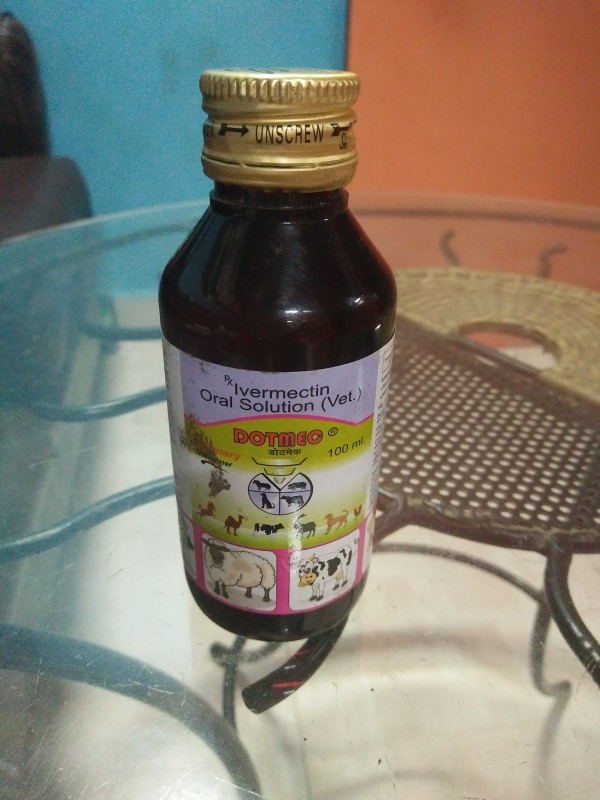
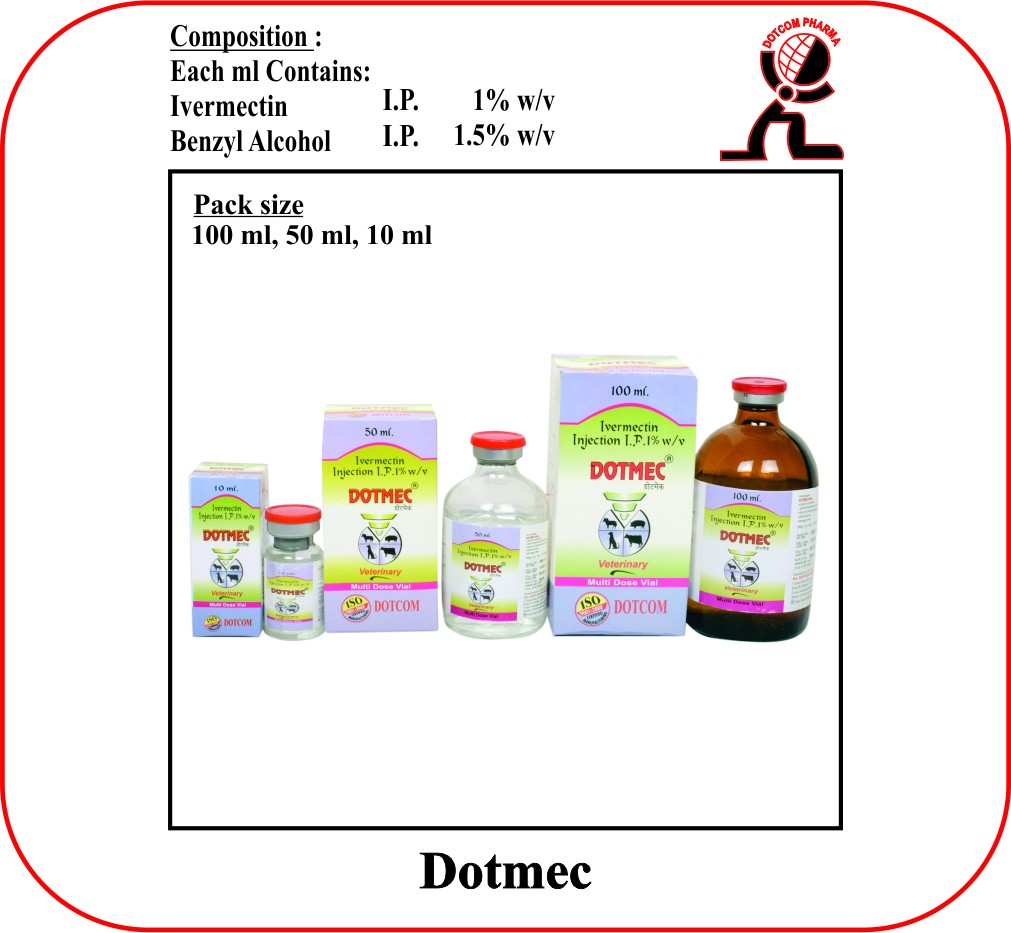
DOTMEC
Drug Name
: Ivermectin I.P. 1% w/w Veterinary Oral Powder For Veterinary Use
Drug Role
: Veterinary Antiparasitic / Anthelmintic (Macrocyclic Lactone Class)
NA
No
DOTCOM PHARMA
Ceritifcations:



Please login / register to buy or to get detailed information of the product
SKU:
Stock Available:
Batch / Lot. No:
Shelf life:
Manufacturing Date:
-
Expiry Date:
-
Minimum Pack Size:
Minimum Order Qty:
6
Pharma Categories:
Veterinary Antiparasitic / Anthelmintic (Macrocyclic Lactone Class)
Product Form:
• Veterinary Oral Powder • Available Sizes: 100 gm, 250 gm, 500 gm, 1 kg, and 5 kg • Packaging: Moisture-resistant, tamper-proof HDPE containers or pouches
Category:
Veterinary
Group:
N/A
Type:
Oral Suspension
Material:
Suspension
HSN Code:
30039034
HS Code:
3003.90
Country of Origin:
India
TAX:
5%
Qty per Piece:
Weight Of Each Piece:
Piece Dimensions (L×W×H):
Qty per Buffer Box / Shrink Pack:
Weight of Buffer Box / Shrink Pack:
Buffer Dimensions (L×W×H):
Total Qty per Case:
Total Weight per Case:
Case Dimensions (L×W×H):
Weight / Volume:
Dimensions:
Inhouse product
Ivermectin is a highly effective broad-spectrum antiparasitic agent belonging to the macrocyclic lactone class. It acts by enhancing inhibitory neurotransmission (via gamma-aminobutyric acid and glutamate-gated chloride channels), resulting in paralysis and death of internal and external parasites. This formulation is intended for oral administration in livestock and poultry to treat and prevent parasitic infestations.
• Ivermectin I.P. — 1% w/w (10 mg per gram)
• Pharmaceutical-grade excipients — q.s. to 1 gm: carriers and stabilizers to support powder flow, homogeneity, and palatability
Veterinary Antiparasitic / Anthelmintic (Macrocyclic Lactone Class)
• Appearance: White to off-white free-flowing oral powder
• Identification: Conforms to Indian Pharmacopoeia (I.P.) standards for Ivermectin
• Assay: 95.0% – 105.0% of labelled Ivermectin content
• Loss on drying: Not more than 5.0%
• Solubility: Slightly soluble in water, freely soluble in alcohol
• pH (in solution): 5.0–7.0
• Microbial load: Conforms to veterinary oral preparation standards
• Stability: 24 months under recommended storage conditions
• Control and treatment of both endoparasites and ectoparasites in livestock and poultry
• Effective against gastrointestinal roundworms (Haemonchus, Ostertagia, Trichostrongylus, etc.), lungworms, lice, mange mites, and warbles
• Used in cattle, buffalo, sheep, goats, pigs, and poultry
• General Dosage: 0.2 mg/kg body weight orally (or as directed by a veterinarian)
• Large animals (cattle, buffalo): Approx. 2 gm per 100 kg body weight
• Poultry: 1 gm per 3–5 litres of drinking water or as per flock weight
• Route: Oral (via feed or drinking water)
• Duration: Usually single administration; repeat in 7–10 days if required
• Veterinary Oral Powder
• Available Sizes: 100 gm, 250 gm, 500 gm, 1 kg, and 5 kg
• Packaging: Moisture-resistant, tamper-proof HDPE containers or pouches
• Dual-action: effective against both internal and external parasites
• High efficacy at low doses
• Improves animal health, appetite, and productivity post-deworming
• Minimizes parasite-related losses in commercial livestock operations
• Cost-effective and easy to administer orally
• Rare: Transient discomfort, reduced appetite, or lethargy
• Hypersensitivity reactions are uncommon but possible
• Overdose may lead to neurotoxicity, especially in young or debilitated animals
• Use caution in combination with other macrocyclic lactones
• Meat: 28 days
• Milk: Not for use in lactating dairy animals unless approved by local authorities
• Eggs: Not recommended unless specified
• Store in a cool, dry place below 30°C
• Protect from direct light and moisture
• Keep tightly closed when not in
• Use gloves and mask during mixing or administration
• Wash hands after handling
• Keep away from children and unauthorized personnel
• HS Code: 3003.90 (Medicaments for veterinary use)
• HSN Code: 30039034 (Ivermectin — for veterinary use)
• Do not use in animals intended for immediate slaughter
• Avoid administration to animals under stress or severe illness without veterinary supervision
• Not recommended in animals known to be sensitive to Ivermectin
• Avoid contaminating water bodies with medicated feed or waste
• Strictly for veterinary use only
• While Ivermectin is used in human medicine (for parasitic infections), formulations and dosages are not interchangeable
• Misuse in humans or animals may lead to resistance and toxicity — always follow veterinary guidance
Q: What is Ivermectin and how does it work?
A: Ivermectin is a macrocyclic lactone antiparasitic that paralyzes and kills parasites by interfering with their nervous system.
Q: What parasites does it treat in animals?
A: It treats internal worms (like roundworms and lungworms), mites, lice, and other ectoparasites.
Q: Can I use this in poultry?
A: Yes, it's effective in poultry for deworming and external parasite control when dosed properly.
Q: Is this product safe for pregnant animals?
A: Use only under veterinary supervision in pregnant or lactating animals.
Q: What is the withdrawal period for meat or milk?
A: Meat: 28 days; Milk: Not approved for lactating animals unless specified by your local authority.
Q: Can I use this powder in pets like dogs or cats?
A: No — this formulation is not approved for pets. Consult a veterinarian for pet-specific antiparasitic.
Q: How often should I use Ivermectin?
A: Deworming schedules vary — typically every 3 to 6 months or as per farm protocol.
Secure Transaction
100% secure payment
Top Brand
Trusted quality
Non Return
Due to hygiene