 +91 88281
11034
+91 88281
11034
 Need Help?




Epistomy Tray
Drug Name
: NA
Drug Role
: Instrument Storage
NA
No
Ceritifcations:










Please login / register to buy or to get detailed information of the product
SKU:
Stock Available:
Batch / Lot. No:
Shelf life:
Manufacturing Date:
-
Expiry Date:
-
Minimum Pack Size:
Minimum Order Qty:
1
Pharma Categories:
Hospital & Surgical Equipment
Product Form:
Procedure Tray
Category:
Veterinary
Group:
N/A
Type:
Surgical Accessory
Material:
SS
Tags
HSN Code:
9403.2000
HS Code:
9403.20
Country of Origin:
India
TAX:
5%
Qty per Piece:
Weight Of Each Piece(gm):
Piece Dimensions (L×W×H):
Qty per Buffer Box / Shrink Pack:
Weight of Buffer Box / Shrink Pack:
Buffer Dimensions (L×W×H):
Total Qty per Case:
Total Weight per Case:
Case Dimensions (L×W×H):
Weight / Volume:
Dimensions:
Inhouse product
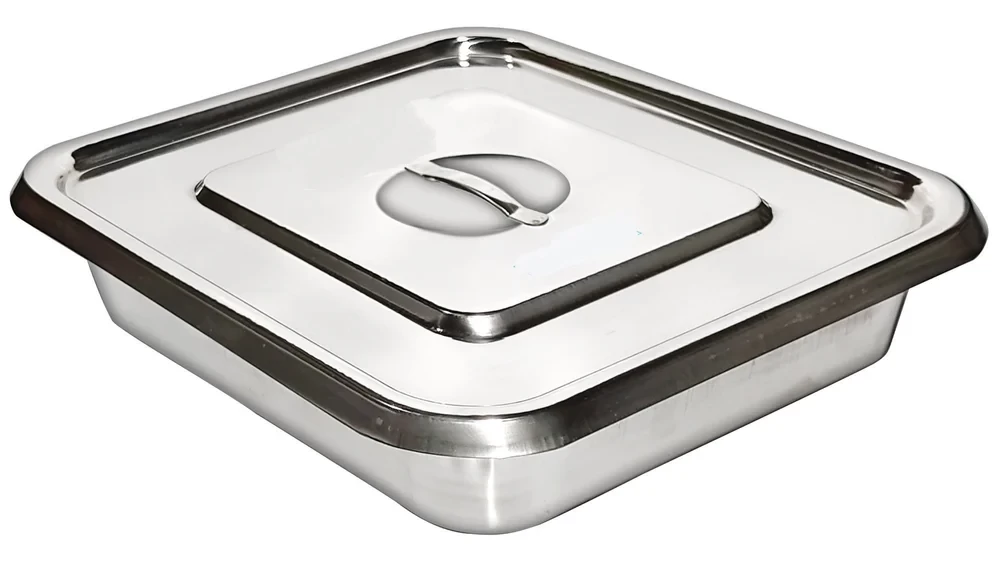
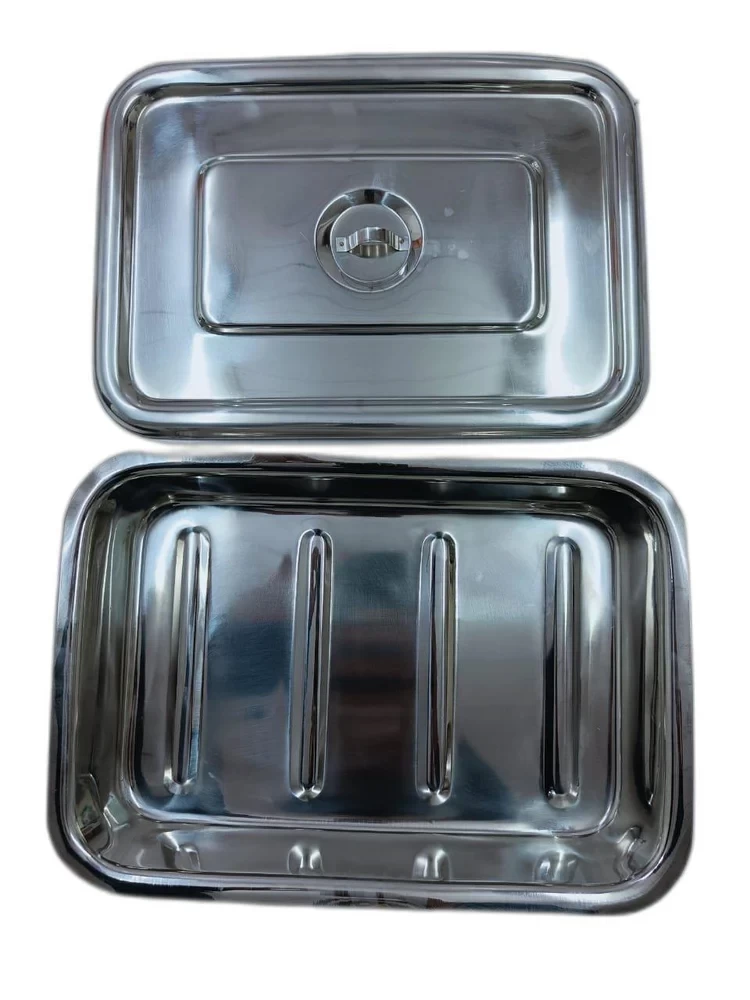
An Episiotomy Tray with Lid is a stainless steel or medical-grade tray designed to hold and organize all necessary instruments and materials used during an episiotomy procedure. The tray includes a fitted lid for maintaining sterility and ease of transport in clinical and surgical environments
.The Episiotomy Tray Without Lid is a surgical tray made from high-quality stainless steel or medical-grade materials, designed to hold and organize instruments required during episiotomy procedures. Its open-top design facilitates easy access to instruments during surgeries and clinical procedures
• Material: Surgical-grade stainless steel (304/316)
• Finish: Mirror or satin polish for corrosion resistance
• Dimensions: Common sizes range from 30 cm x 20 cm x 4 cm to 40 cm x 25 cm x 5 cm
• Lid: Tight-fitting, often with silicone seals or raised edges to maintain sterility
• Weight: Approximately 500-800 grams depending on size
• Sterilization: Autoclavable and compatible with standard sterilization methods
Varies to accommodate different instrument sets and clinical requirements, typically within the 30-40 cm length range and 20-25 cm width range.
Rectangular or slightly oval with smooth rounded edges to facilitate easy cleaning and handling.
• Standard Episiotomy Tray with Lid
• Deep Tray versions for bulkier instrument sets
• Custom-sized trays per hospital specifications
• Disposable plastic trays with lids (less common)
• Surgical stainless steel for durability and repeated sterilization
• Some disposable versions use medical-grade plastic materials
• Surgical Instrument Trays
• Obstetric Procedure Accessories
• Sterile Storage and Transport Equipment
• Single unit tray with a matching lid
• Available in sterile packs or non-sterile bulk packaging
Primarily used in medical and veterinary settings for:
• Organizing and sterilizing episiotomy instruments before and during procedures
• Maintaining sterility during transport and storage
• Facilitating quick access to surgical tools in labor wards and operating theatres
• Durable and corrosion-resistant for repeated use
• Maintains sterility with secure lid
• Easy to clean and disinfect
• Compact and stackable for efficient storage
• Customizable sizes to fit various instrument configurations
• Stainless steel trays can be heavy compared to plastic alternatives
• Requires proper cleaning and sterilization after every use
• Disposable plastic versions are less durable and environmentally less friendly
• Always inspect for dents or damage before use
• Ensure lid fits securely to maintain sterility
• Follow strict sterilization protocols before and after use
• Avoid contact with non-sterile surfaces during transport
• HS Code: 9403.20
• HSN Code: 94032000 (Covers furniture and parts for medical use including trays)
• Handle with clean gloves during sterile procedures
• Clean with enzymatic detergents post-use
• Autoclave as per manufacturer instructions
• Store in a dry, clean environment to prevent rusting
• Compatible with autoclave sterilization at 121°C for 15-20 minutes
• Can also be sterilized with chemical disinfectants if needed
• Avoid harsh abrasives that may damage finish
• Used for organizing episiotomy instruments during veterinary obstetric procedures
• Maintains sterility and readiness of instruments in field or clinical veterinary settings
• Assists veterinary surgeons in efficient and hygienic delivery managemen
• Standard equipment in hospital labor and delivery rooms
• Facilitates safe and sterile episiotomy procedures during childbirth
• Used in medical training and teaching facilities for obstetrics
Q1. What material is the episiotomy tray made of?
Answer: Typically surgical-grade stainless steel, but plastic versions exist.
Q2. Can the tray with lid be sterilized?
Answer: Yes, it is designed for autoclave and chemical sterilization.
Q3. Are there different sizes available?
Answer: Yes, sizes vary to fit different instrument sets and clinical needs.
Q4. Is this tray reusable?
Answer: Stainless steel trays are reusable with proper sterilization; plastic trays are often disposable.
Q5. Can this tray be used in veterinary settings?
Answer: Yes, widely used in both human and veterinary obstetrics.
Secure Transaction
100% secure payment
Top Brand
Trusted quality
Non Return
Due to hygiene